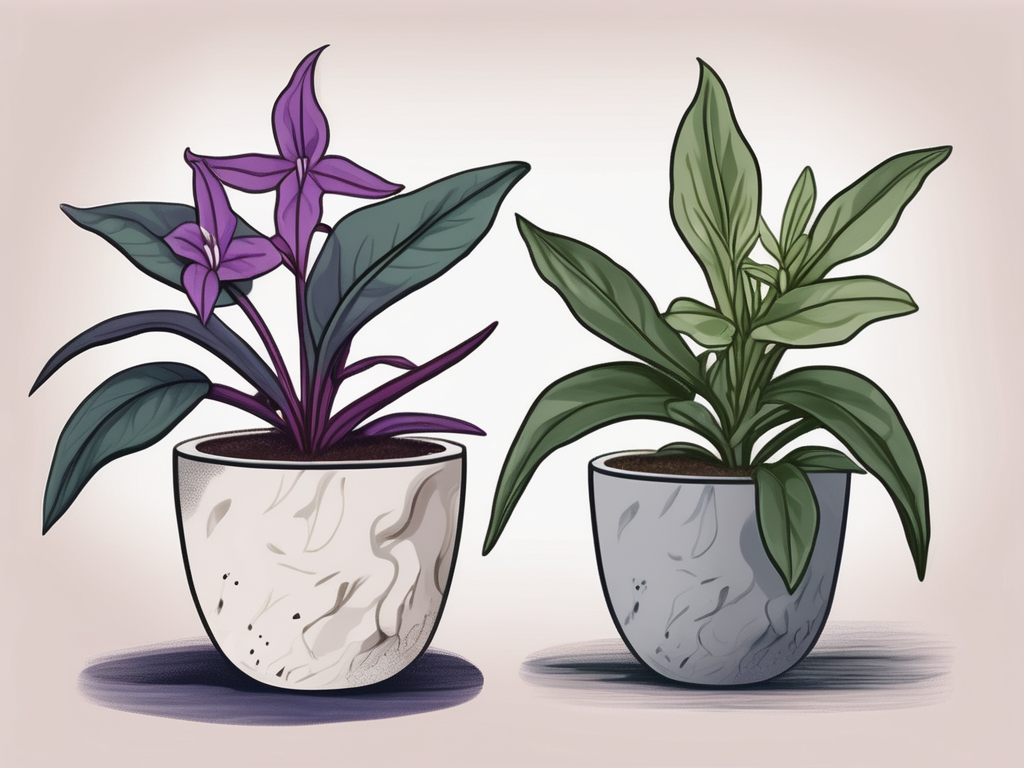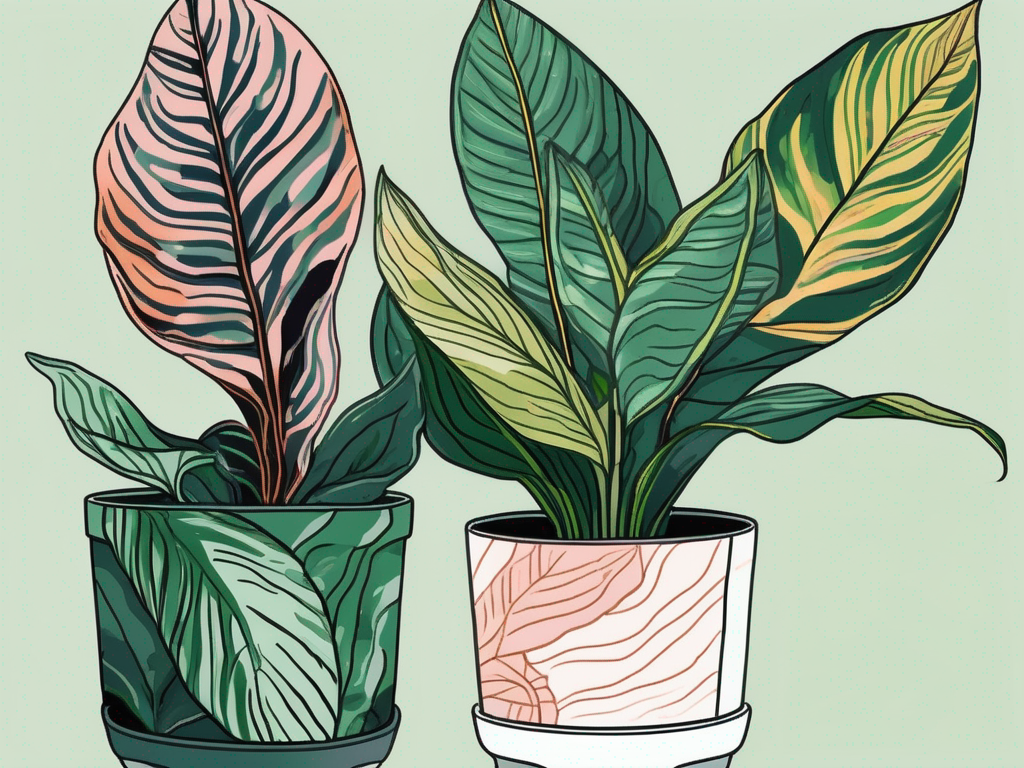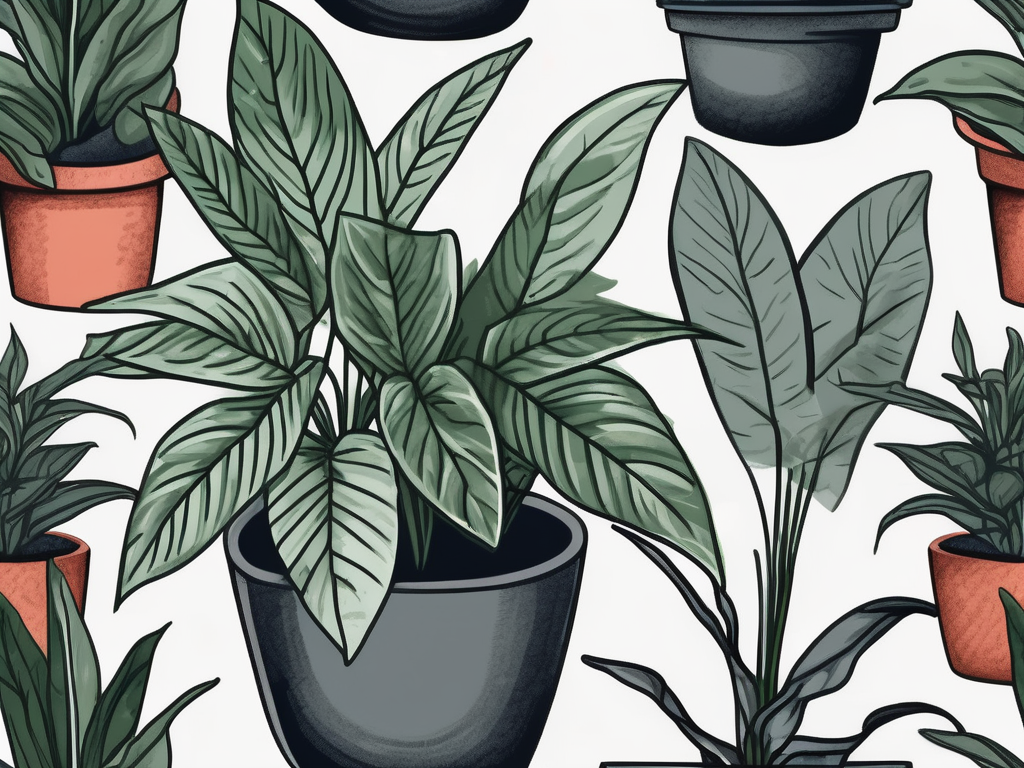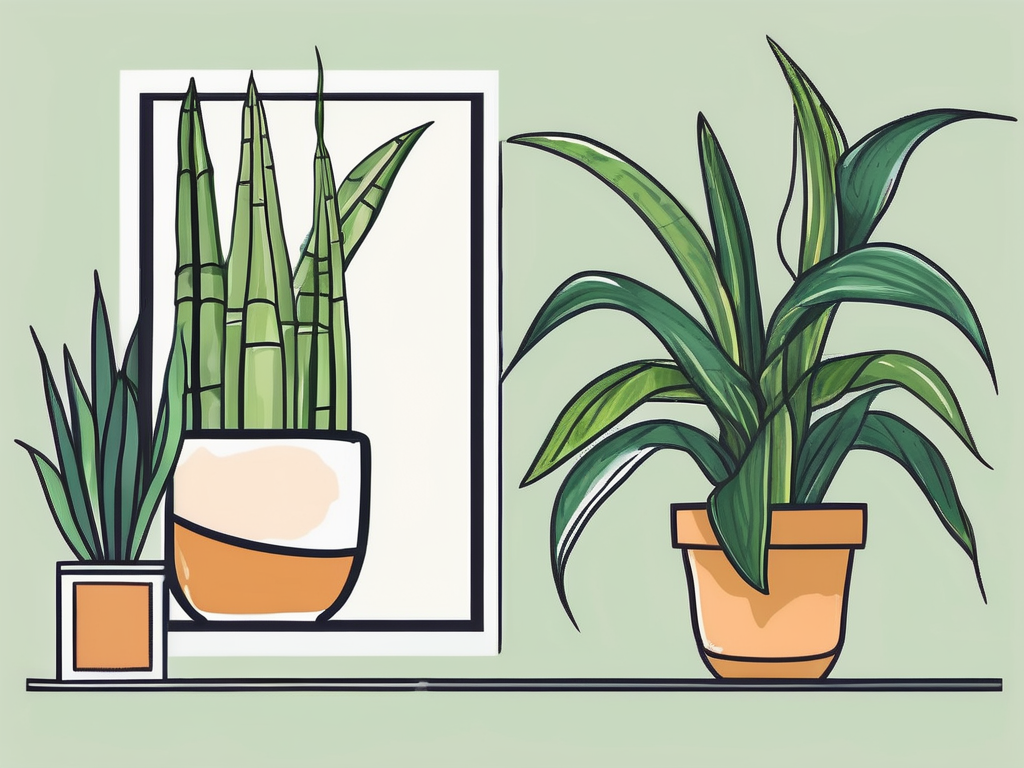
When you first spot a Polka Dot Plant and an Aglaonema side by side, you might wonder if these two are somehow related. Their vibrant colors and lush foliage make them both standout choices for adding a pop of color to your indoor garden. But despite their visual appeal, these plants have some interesting differences that could influence your decision on which one to welcome into your home.
In this article, we'll explore the unique characteristics of the Polka Dot Plant and Aglaonema, compare their care requirements, and offer tips on how to incorporate them into your home decor. By the end, you'll have a clear understanding of what each plant brings to the table and which might be the best fit for your space and lifestyle.
Getting to Know the Polka Dot Plant
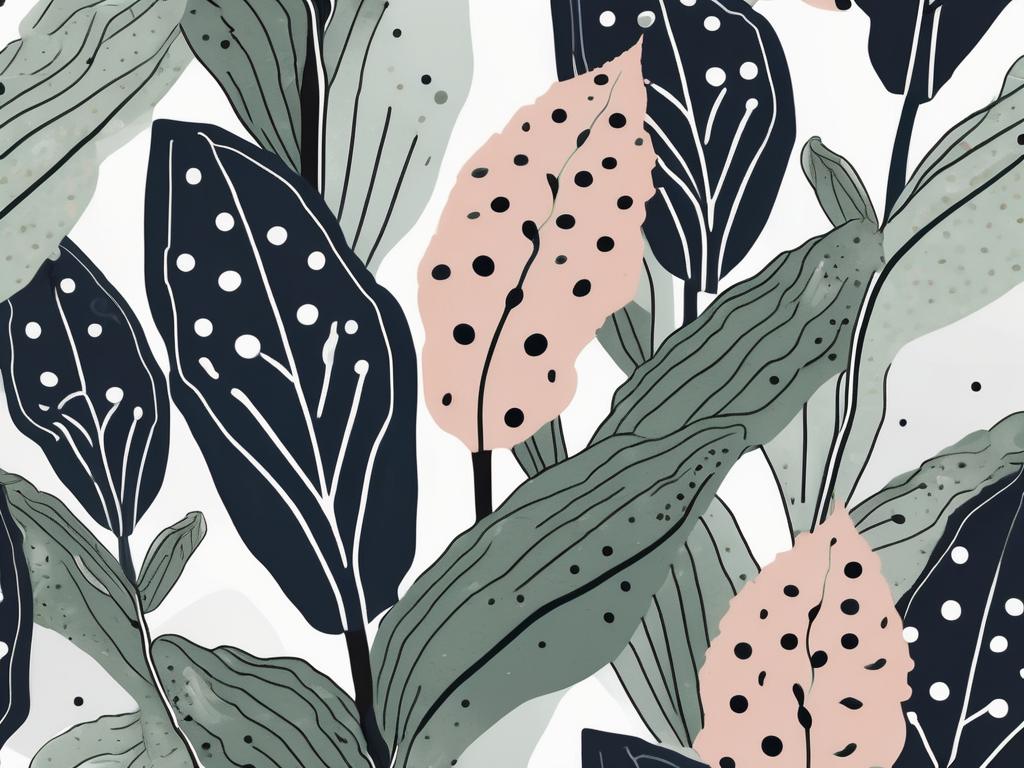
The Polka Dot Plant, known scientifically as Hypoestes phyllostachya, is a charming little plant with a lot of personality. Native to Madagascar, this plant is celebrated for its colorful foliage, which often comes in shades of pink, red, and white. The spots or splashes on its leaves give it a playful appearance, making it a favorite among plant lovers who want to add a bit of whimsy to their collection.
One of the Polka Dot Plant's standout features is its relatively small size. It typically grows to about 12 inches tall, making it perfect for small spaces or as part of a larger indoor garden. Its compact size also means it fits well on windowsills, desks, or shelves where sunlight can highlight its vibrant colors.
Despite its beauty, the Polka Dot Plant can be a bit fussy about its environment. It thrives in bright, indirect light and prefers warm conditions. If it doesn't get enough light, you might notice the colors fade, which is a common concern for many new plant parents. Regular watering is essential, but overwatering can lead to root rot, so it's a balancing act that requires some attention.
Introducing the Aglaonema
On the other hand, Aglaonema, often referred to as the Chinese Evergreen, is a plant that prides itself on being low-maintenance. Native to the tropical and subtropical regions of Asia, this plant is famous for its tolerance to low light conditions and its striking foliage patterns. The leaves are typically large and glossy, with various shades of green, silver, and sometimes red or pink.
The Aglaonema can grow up to 3 feet tall, making it a more noticeable presence in any room. Its ability to adapt to different lighting conditions makes it a versatile choice for spaces that might not get abundant natural light. This plant is particularly popular in offices or homes where a touch of greenery is needed without the fuss.
One of the Aglaonema's most appealing traits is its low water requirements. It prefers to dry out a bit between waterings, which means less frequent attention compared to the Polka Dot Plant. This resilience makes it a great option for beginners or those with a busy lifestyle who might not have time for daily plant check-ins.
Comparing Care Requirements
Now that we've introduced both plants, let's take a closer look at their care requirements to help you decide which might be a better fit for your home. While both plants have their own needs, understanding these can help ensure they thrive in your indoor space.
Light Needs
- Polka Dot Plant: Prefers bright, indirect light. Too little light can cause the colors to fade, while direct sunlight can scorch the leaves.
- Aglaonema: Tolerates low light but does best in moderate to bright, indirect light. It's quite forgiving if your lighting isn't perfect.
Watering
- Polka Dot Plant: Requires consistent moisture but not soggy conditions. Allow the top inch of soil to dry out before watering again.
- Aglaonema: Less demanding in terms of water. Allow the soil to dry out between waterings, and be mindful of overwatering, which can be harmful.
Temperature and Humidity
- Polka Dot Plant: Thrives in warmer temperatures and high humidity. It doesn't do well in cold drafts, so keep it away from windows in the winter.
- Aglaonema: Prefers temperatures between 60-80°F and moderate humidity. It's not as sensitive to dry air, making it suitable for most indoor environments.
Adding Style to Your Space
Both the Polka Dot Plant and Aglaonema can be stunning additions to your interior decor, but they each bring their own style to the table. Let's explore how you can incorporate these plants into your home to enhance your decor.
Polka Dot Plant Decor Ideas
- Windowsills: Given its compact size, the Polka Dot Plant is perfect for bright windowsills where its colors can be highlighted by natural light.
- Terrariums: Due to its need for humidity, placing it in a terrarium can create a mini tropical environment that looks beautiful and keeps the plant happy.
- Mixed Plant Arrangements: Use it as a colorful accent in mixed plant arrangements, pairing it with other small plants like ferns or succulents.
Aglaonema Decor Ideas
- Floor Placement: With its larger size, the Aglaonema can be placed directly on the floor in a decorative pot, making it a focal point in living rooms or foyers.
- Office Spaces: Its low light tolerance makes it ideal for office settings, adding greenery without needing constant sunlight.
- Statement Piece: Use it as a statement piece against a neutral background to make its colorful leaves pop.
Dealing with Pests and Problems
Even the most resilient plants can encounter pests or issues, and it's important to know how to handle them to keep your plants healthy.
Common Pests
- Polka Dot Plant: Keep an eye out for aphids and spider mites. Regularly check the undersides of leaves and use a gentle insecticidal soap if needed.
- Aglaonema: Watch for mealybugs and scale. Wiping leaves with a damp cloth can help keep these pests at bay.
Potential Issues
- Polka Dot Plant: Yellowing leaves can indicate overwatering. Adjust your watering schedule and ensure good drainage.
- Aglaonema: Browning leaf tips may suggest low humidity. Try misting the plant occasionally or using a pebble tray with water.
Propagation Tips
Both the Polka Dot Plant and Aglaonema can be propagated, allowing you to expand your collection or share with friends. Here are some tips to get you started.
Polka Dot Plant Propagation
- Stem Cuttings: Take a cutting with at least two leaves and place it in water or a moist potting mix. Roots should develop within a few weeks.
- Division: When repotting, gently separate the plant into smaller sections, ensuring each has roots. Plant these sections in separate pots.
Aglaonema Propagation
- Division: The most common method for Aglaonema is division. Separate the root ball into sections and plant each in its own pot.
- Stem Cuttings: Cut a stem with a few leaves and place it in water until roots form, then transfer to soil.
Choosing the Right Plant for Your Space
Deciding between a Polka Dot Plant and an Aglaonema comes down to your personal preferences and the conditions of your home. Here are some factors to consider:
- Lighting Conditions: If your home has plenty of bright, indirect light, the Polka Dot Plant could be a wonderful choice. If light is limited, Aglaonema's adaptability might suit you better.
- Maintenance Level: For those who prefer a plant that requires less frequent watering and can handle occasional neglect, Aglaonema is ideal.
- Decor Style: Consider your decor style. The colorful Polka Dot Plant is great for a playful, vibrant look, while Aglaonema offers a more sophisticated, elegant vibe.
Creating a Plant-Friendly Environment
Regardless of which plant you choose, creating an environment where they can thrive is important. Here are some general tips to ensure your indoor jungle flourishes:
- Humidity: Both plants enjoy a bit of humidity. Consider placing a humidifier nearby or grouping plants together to naturally raise the humidity level.
- Soil: Use a well-draining potting mix to prevent root rot. A mix designed for houseplants typically works well for both plants.
- Pot Selection: Choose pots with drainage holes to allow excess water to escape, preventing waterlogged soil.
Final Thoughts
In wrapping up, both the Polka Dot Plant and Aglaonema offer unique charms and can be excellent choices for different types of indoor environments. While the Polka Dot Plant shines with its colorful, playful appearance, the Aglaonema impresses with its elegance and adaptability.
At Cafe Planta, we love helping plant parents find the perfect match for their homes. Whether you're drawn to the cheerful Polka Dot Plant or the resilient Aglaonema, our selection of houseplants and accessories can help you create your own indoor oasis. If you have questions, feel free to email us or message us on Instagram. We're excited to support you on your plant journey!