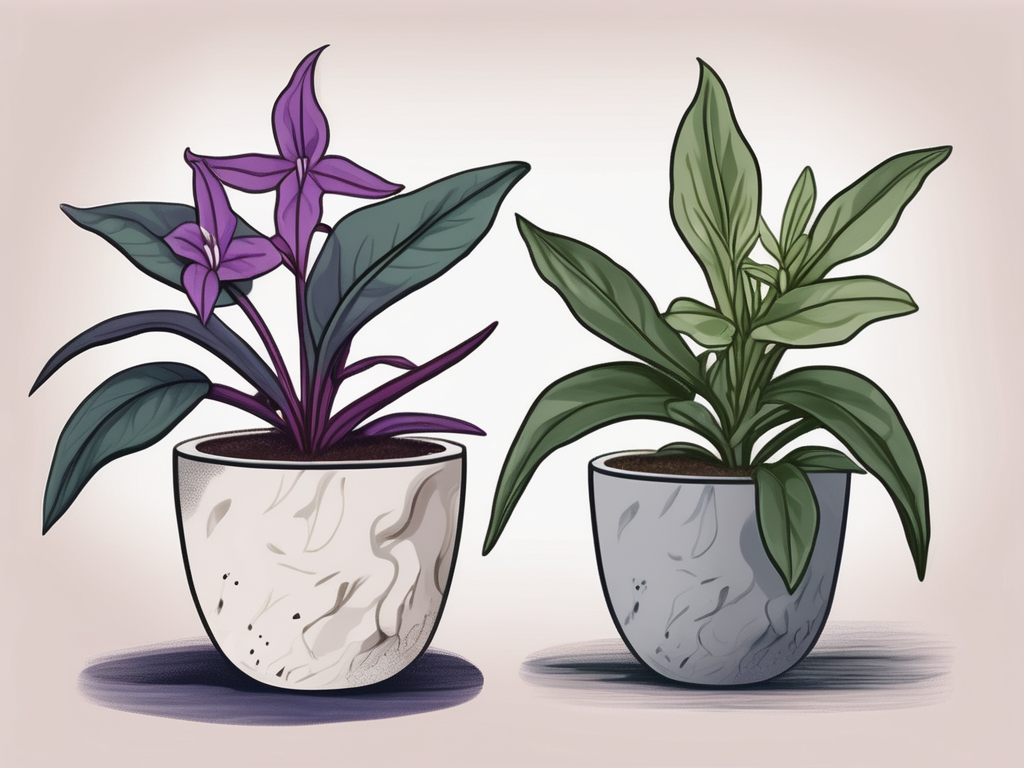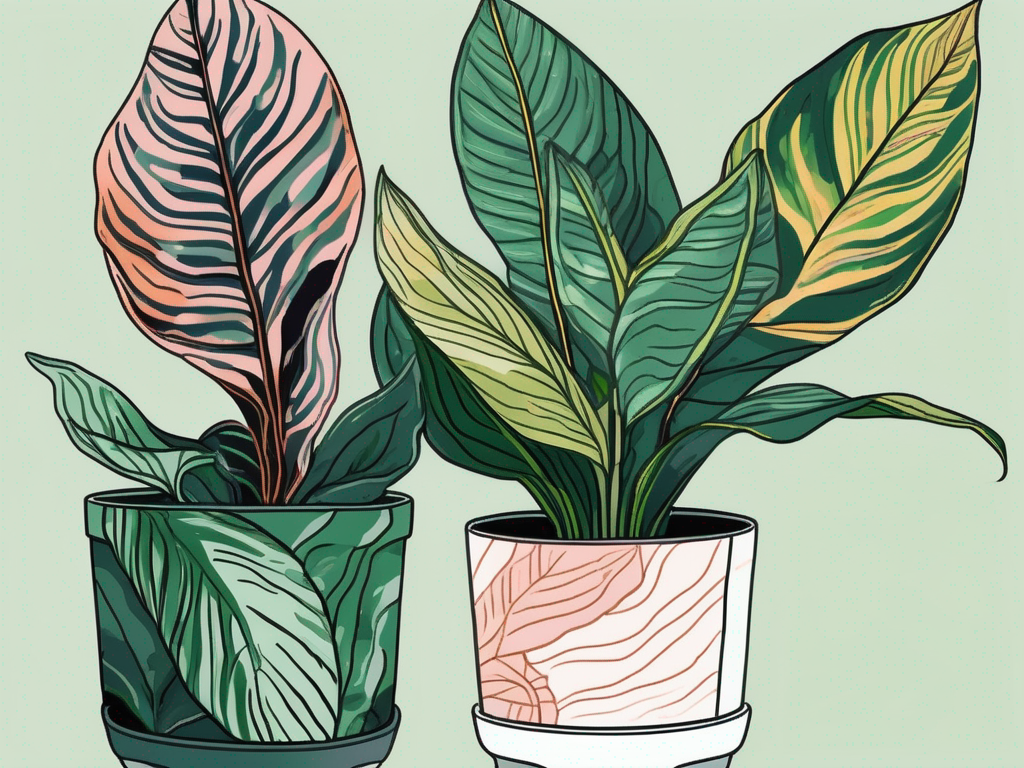
Ever found yourself staring at a vibrant plant in a friend's living room, wondering whether it's a Polka Dot Plant or a Fittonia? You're not alone. These two beauties often get mistaken for each other, thanks to their striking colors and similar leaf patterns. But, they're not quite the same, and knowing the difference can really help in choosing the right fit for your home.
In this article, we'll break down the key differences between the Polka Dot Plant and Fittonia, covering everything from their appearance to care requirements. Whether you're a seasoned plant parent or just starting your green journey, you'll find useful insights here to help you decide which plant might be your next leafy companion.
Spotting the Differences: Polka Dot Plant vs. Fittonia
At first glance, the Polka Dot Plant and Fittonia can seem like twins separated at birth. However, they each bring their own unique charm to the table. So, how do you tell them apart?
Leaf Patterns and Colors
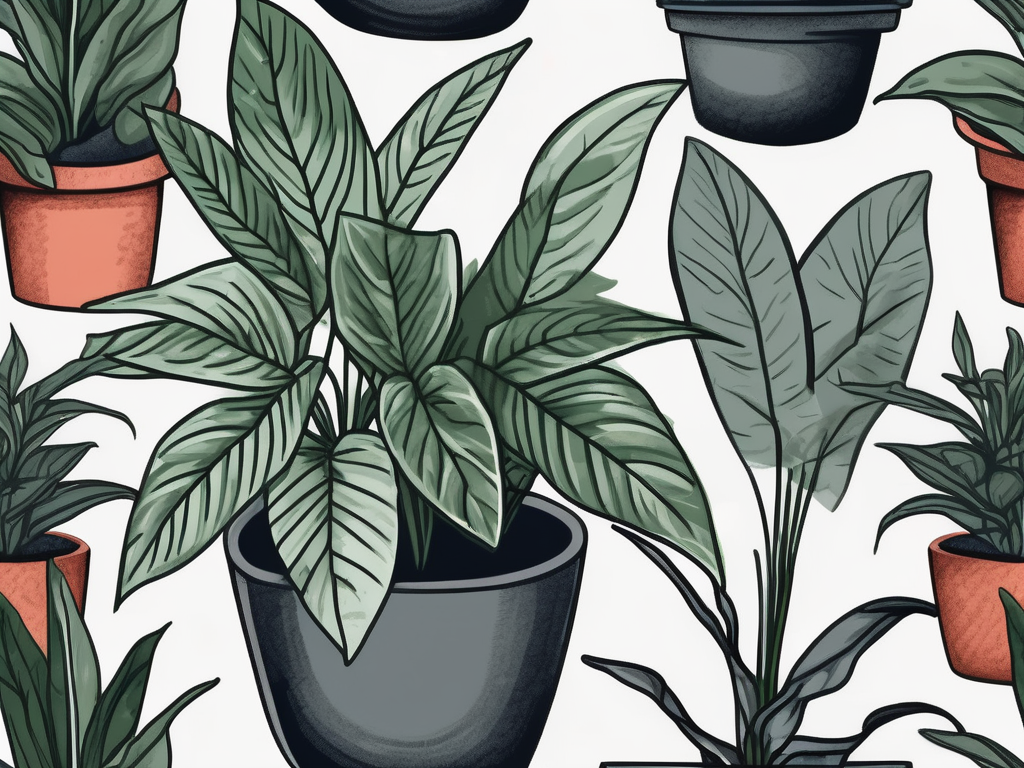
Let's talk about the leaves first. Polka Dot Plants, scientifically known as Hypoestes phyllostachya, are famous for their dotted leaf patterns. Their leaves are adorned with tiny spots that come in shades of pink, white, or red, set against a green backdrop. It's like nature's own version of polka dots, hence the name.
On the other hand, Fittonia, or the "nerve plant," sports a different style. Its leaves are crisscrossed with intricate vein patterns that look like a network of nerves. The veins are usually white or pink, providing a gorgeous contrast to the darker green of the leaf. This makes Fittonia a popular choice for those who love a more structured and patterned look.
Size and Growth Habits
Size matters, especially when you're deciding where to place your plant. Polka Dot Plants generally grow to about 12 inches tall, making them a moderate-sized addition to your indoor garden. They tend to grow bushy and can fill out a pot quite nicely.
Fittonia, while similar in size, typically stays a bit shorter and grows more horizontally, spreading out rather than up. This characteristic makes them an excellent ground cover in terrariums or larger pots, where they can cascade over the edges.
Care Requirements: What Each Plant Needs
Maintaining happy and healthy plants means understanding their individual care needs. Let's see how the Polka Dot Plant and Fittonia differ in what they ask from you.
Light Preferences
Both plants enjoy bright, indirect light, but there's a slight difference in their tolerance levels. Polka Dot Plants are a bit more forgiving and can handle some direct sunlight if it's not too harsh. Too much direct sun, though, and those vibrant spots might start to fade.
Fittonia, being a bit more sensitive, thrives best in shady spots. Direct sunlight can cause leaf burn, making its delicate veins lose their luster. So, if you have a spot that's bright but not directly sunny, your Fittonia will thank you.
Watering Routine
When it comes to water, both plants like to stay moist but not drenched. Polka Dot Plants prefer a consistent watering schedule, and you should aim to keep the soil evenly moist. Letting them dry out too much might lead to wilting, which they don't recover from gracefully.
Fittonia also demands regular watering. They are known to be a bit dramatic, wilting quickly if they get thirsty. But the good news? They tend to bounce back once you give them a good drink.
Here's a tip: If you're forgetful about watering, you might want to keep Fittonia in a spot that's easy to check on daily. Its quick wilting can serve as a reminder to reach for the watering can.
Humidity and Temperature
Both the Polka Dot Plant and Fittonia are tropical plants, so they appreciate a bit of warmth and humidity. They thrive in temperatures between 60°F and 80°F. If your home is on the dry side, consider placing a humidifier nearby or misting them regularly to keep them happy.
Fittonia, in particular, benefits from a more humid environment. Placing it in a bathroom or kitchen where humidity levels are naturally higher can be a great choice.
Soil and Potting Considerations
Choosing the right soil and pot can make a big difference in how well your plants grow. Let's look at what works best for each.
Soil Needs
Both plants prefer well-draining soil. A standard potting mix will usually do the trick, but adding some perlite or sand can help improve drainage. This is especially important to prevent root rot, which neither plant appreciates.
For Fittonia, you might want to use a mix that's slightly richer in organic matter. This can help retain some moisture while still allowing for good drainage.
Potting Tips
When it comes to pots, both plants do well in containers with drainage holes. This is crucial for preventing water from pooling at the bottom, which can lead to soggy roots.
If you're feeling creative, consider using shallow pots for Fittonia to accommodate its spreading growth habit. For Polka Dot Plants, a standard pot will work just fine, but make sure it's deep enough to support its bushier growth.
Dealing with Pests and Problems
Unfortunately, no plant is completely immune to pests and issues, and these two are no exception. Here's what to look out for.
Common Pests
Both Polka Dot Plants and Fittonia can attract common houseplant pests like aphids, spider mites, and mealybugs. Regularly inspecting your plants can help catch any issues early. If you spot any unwanted visitors, a gentle wash with soapy water or neem oil can often do the trick.
Fungal Issues
Overwatering or poor drainage can lead to fungal problems like root rot. If you notice yellowing leaves or a mushy stem, it might be time to check the roots. Healthy roots are firm and white, while rotting ones are brown and mushy.
Pruning away affected areas and allowing the soil to dry out a bit can help manage the problem. Remember, prevention is better than cure, so stick to a good watering routine and ensure proper drainage.
Interior Design: Styling with Polka Dot Plants and Fittonia
Now that we've covered care, let's talk about styling. Bringing these plants into your home can add a splash of color and life to your space.
Decorating with Polka Dot Plants
The vibrant spots on Polka Dot Plants make them a lively addition to any room. Consider placing them in simple, neutral pots to let their colors stand out. They work well on windowsills or as part of a plant shelf arrangement.
If you're feeling adventurous, mix them with other plants in a terrarium. Their colorful leaves can provide a stunning contrast against green ferns or succulents.
Fittonia in Your Home
Fittonia's delicate vein patterns can add a touch of elegance to your decor. They look beautiful in terrariums, where their ability to spread can fill in empty spaces nicely. Pair them with moss or small stones for a natural look.
You can also use Fittonia in hanging pots to showcase their trailing growth. This works particularly well in kitchens or bathrooms where humidity levels are higher.
Propagation: Growing Your Collection
If you've fallen in love with your plant and want more, propagation is the way to go. Both Polka Dot Plants and Fittonia are relatively easy to propagate.
How to Propagate Polka Dot Plants
Polka Dot Plants can be propagated through stem cuttings. Here's a quick step-by-step:
- Cut a healthy stem with a few leaves, just below a node.
- Remove the lower leaves, leaving just a few at the top.
- Place the cutting in water or directly into potting soil.
- Keep it in a warm, bright spot, and wait for roots to develop.
Once roots have formed, you can pot it up and enjoy your new plant.
Propagating Fittonia
Fittonia can also be propagated from stem cuttings. Follow a similar process:
- Select a healthy stem and cut below a node.
- Remove the lower leaves.
- Place the cutting in water or soil, ensuring the node is submerged or buried.
- Keep it in a humid environment until roots form.
Choosing the Right Plant for You
So, which plant should you choose? It really depends on your personal style and care preferences.
Consider Your Space
If you have a bright spot that could use a pop of color, the Polka Dot Plant might be your best bet. Its bushy growth and vibrant spots can liven up any room.
On the other hand, if you're looking for something elegant and understated, Fittonia could be the way to go. It's perfect for creating a calming, green oasis in a shadier spot.
Think About Care Needs
If you're someone who's more hands-on with plant care, you'll enjoy keeping up with Fittonia's watering and humidity needs. But if you prefer a more forgiving plant, the Polka Dot Plant, with its slightly more robust nature, might suit you better.
Adding to Your Collection
Once you've chosen your plant, what's next? Well, the world of houseplants is vast and exciting, and these two are just the beginning.
Expanding Your Plant Family
If you've mastered these plants, why not consider adding some companions? Plants like Pothos, Snake Plants, or even a Monstera can complement your collection beautifully. These plants offer different textures and growth habits, adding variety to your indoor jungle.
Getting Creative with Displays
Think outside the pot! Consider using unusual containers or creating themed displays. Grouping plants with similar care needs can make maintenance easier and create a cohesive look.
Remember, the most important thing is to have fun and enjoy the process of growing your indoor garden.
Final Thoughts
Polka Dot Plants and Fittonia each bring their own unique beauty to a home. While they may look similar, understanding their differences can help you choose the perfect plant for your space and lifestyle.
At Cafe Planta, we're here to support your plant journey. Whether you're looking to add a new leafy friend to your collection or need tips on plant care, we've got you covered. Feel free to email us or drop a message on Instagram. We love connecting with fellow plant lovers and helping you create a thriving green space in your home.