Picture this: you’re standing in your favorite plant shop, surrounded by a sea of green, and two plants catch your eye. One boasts vibrant variegated leaves that seem to fold in prayer at night, while the other flaunts elegant, trumpet-shaped blooms. You’re torn. How do you decide between a Prayer Plant and a Calla Lily?
Worry no more! We’ll unravel the differences between these two striking plants, from their care needs to their aesthetic appeal. By the end, you’ll know exactly which plant will thrive in your home and steal your plant-loving heart.
Understanding the Basics: The Prayer Plant
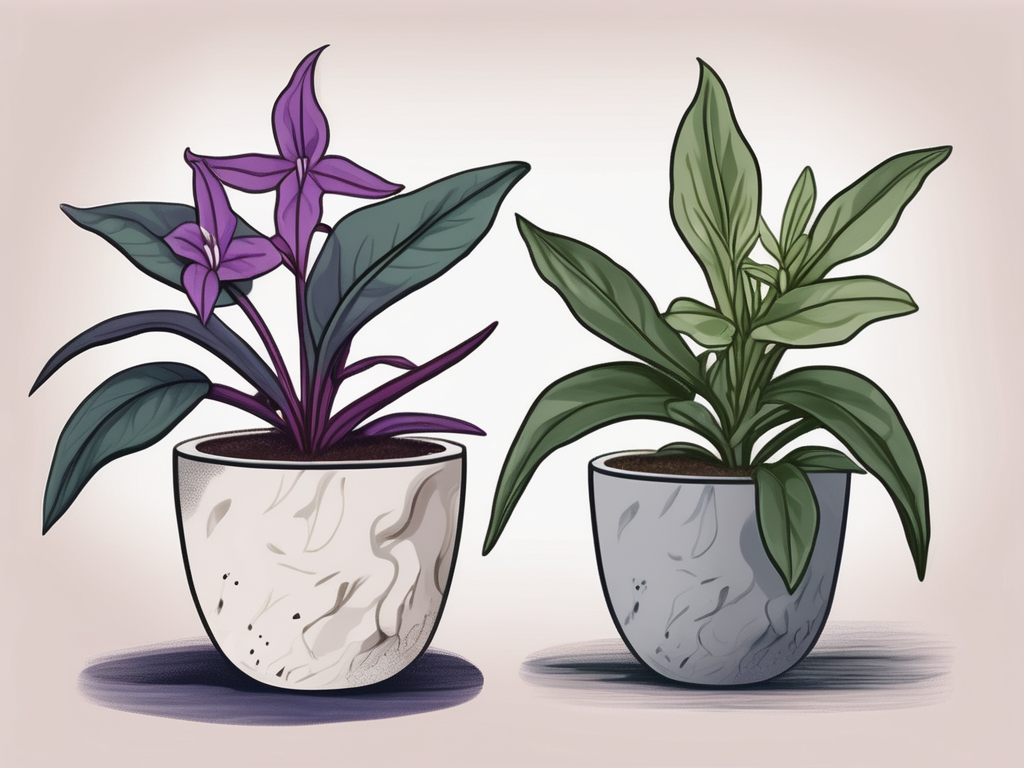
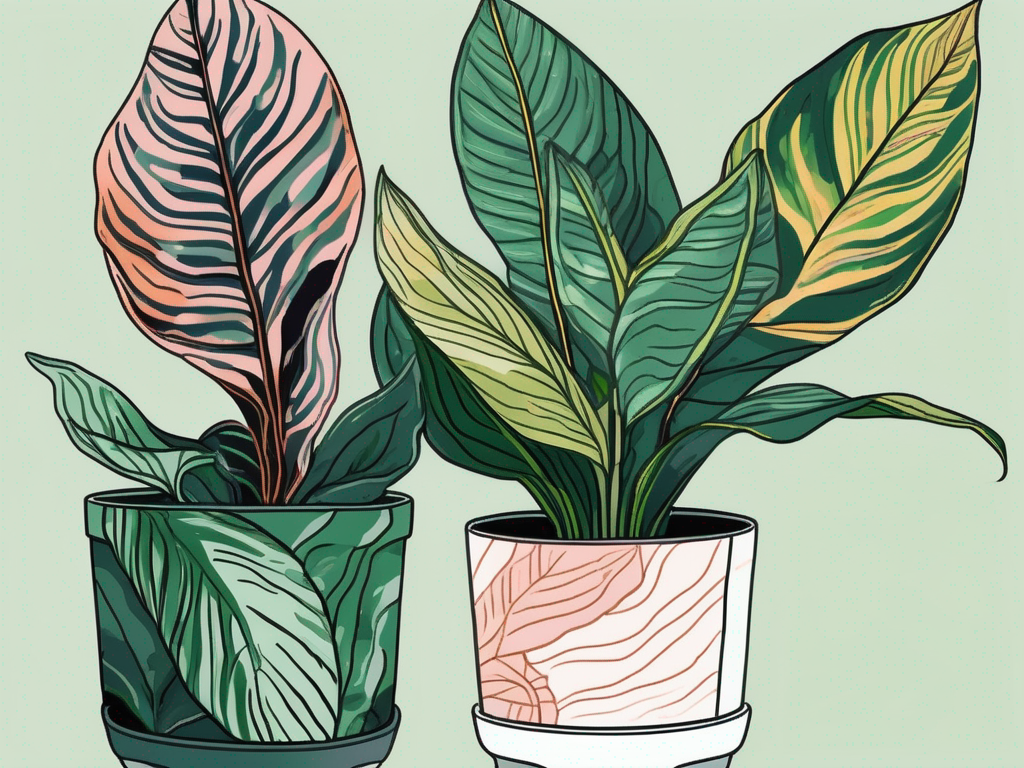
The Prayer Plant, or Maranta leuconeura, is a popular choice for those who appreciate a touch of drama in their foliage. Named for its habit of folding its leaves up at night, reminiscent of hands in prayer, this plant is native to the tropical forests of Brazil. It’s known for its stunning leaves, which are a canvas of red, green, and purple hues, often with intricate patterns.
What makes the Prayer Plant a favorite among plant lovers? It’s all about the leaves. These beauties can range in color and pattern, with some varieties flaunting red veins and others displaying a herringbone pattern. And the best part? They move! The leaves react to light by opening during the day and closing at night, adding a dynamic element to your plant collection.
While they’re relatively easy to care for, Prayer Plants do have their preferences. They thrive in well-draining soil and appreciate a humid environment—think of them as little reminders of their rainforest roots. They prefer indirect light, making them perfect companions for your living room or bedroom. Water them when the top inch of soil feels dry, but be careful not to overwater, as they’re prone to root rot.
Meet the Calla Lily
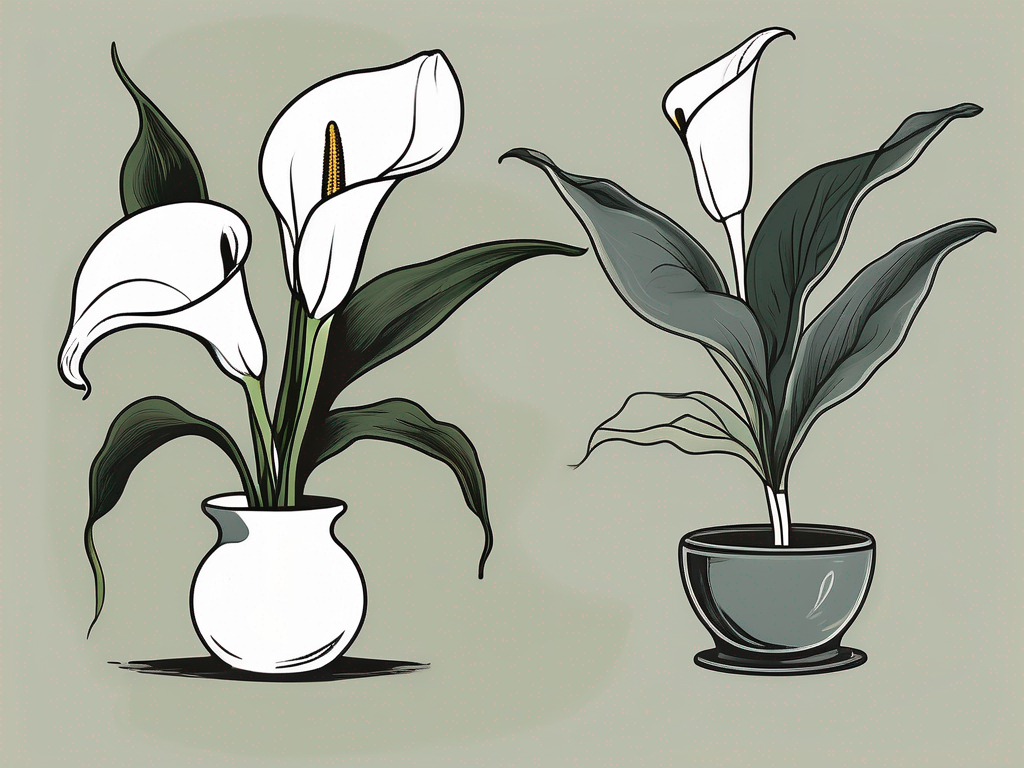
On the other hand, we have the Calla Lily, a plant that exudes elegance and grace. Known scientifically as Zantedeschia, Calla Lilies are native to southern Africa and are adored for their smooth, sculptural blooms. These flowers are not true lilies, despite the name, but their beauty rivals any in the lily family.
Calla Lilies are famous for their distinctive blooms that come in a rainbow of colors, from classic white to vibrant pinks, yellows, and purples. These flowers are not only a visual delight but also have a slightly waxy texture that adds to their allure. They’re often associated with purity and rebirth, making them a popular choice for weddings and other celebrations.
Caring for a Calla Lily involves a bit of a different approach compared to the Prayer Plant. They prefer well-draining soil and bright, indirect light, similar to their leafy counterpart, but they also enjoy a bit more sun. Regular watering is crucial, especially when the plant is blooming, but allow the soil to dry out slightly between waterings to prevent soggy conditions.
Potting and Soil Preferences
When it comes to setting up a home for your plants, soil and potting are crucial to their well-being. For the Prayer Plant, a well-draining potting mix that retains some moisture is ideal. You can create a suitable mix by combining equal parts of peat moss, perlite, and potting soil. This concoction helps maintain the humidity they crave without drowning their roots.
Calla Lilies, however, have a slightly different soil preference. These plants thrive in a rich, well-draining mix that can retain moisture without becoming waterlogged. A good base would be a combination of potting soil, sand, and compost. This mix provides the nutrients they need while ensuring excess water drains away, preventing root rot.
When choosing pots, both plants appreciate a container with drainage holes to keep their roots healthy. For the Prayer Plant, a shallow pot is often sufficient, as their roots don’t grow too deep. Calla Lilies, however, might need a bit more depth to accommodate their tubers and allow room for growth.
Light and Temperature Requirements
Both the Prayer Plant and Calla Lily thrive under specific lighting and temperature conditions, which are essential to their growth and overall health. The Prayer Plant prefers bright, indirect light, which mimics the dappled sunlight of their native rainforests. Direct sunlight can scorch their leaves, so it’s best to place them in a north or east-facing window.
Temperature-wise, Prayer Plants enjoy a warm environment, ideally between 65°F and 80°F. They can be sensitive to drafts and sudden changes in temperature, so it’s best to keep them away from vents and frequently opened doors.
Calla Lilies, on the other hand, can handle a bit more sun than the Prayer Plant. They thrive in bright, indirect light but can also tolerate some direct morning sun. This makes a south or west-facing window an excellent spot for them, provided they’re protected from harsh midday rays.
Temperature is also important for Calla Lilies. They do well in temperatures ranging from 60°F to 75°F. While they can tolerate cooler temperatures, prolonged exposure to cold can hinder their growth, so a stable environment is key.
Watering and Humidity Needs
Watering is where these two plants show their distinct personalities. The Prayer Plant prefers consistently moist soil, but it’s essential to avoid waterlogging. A good rule of thumb is to water when the top inch of soil feels dry. In winter, you can allow the soil to dry out a bit more between waterings, as their growth slows down.
Humidity is another factor that the Prayer Plant values highly. If your home is on the drier side, consider using a pebble tray or a humidifier to keep the air around them moist. Alternatively, regular misting can also help keep their leaves happy.
Calla Lilies have different watering needs. During their growing season, they require regular watering to support their blooms. However, it’s important to let the soil dry out slightly between waterings to prevent rot. Once they enter dormancy after blooming, you can reduce watering significantly.
Humidity isn’t as much of a concern for Calla Lilies as it is for Prayer Plants, but they still appreciate a moderate level. If you’re looking to boost humidity, you might find that grouping them with other plants can create a mini microclimate that’s beneficial for all.
Dealing with Pests and Fungal Issues
Even the most diligent plant parent can encounter pests and diseases, but knowing what to look for can make all the difference. Prayer Plants are occasionally troubled by spider mites, aphids, and mealybugs. These pests are attracted to their lush foliage and can cause damage if not addressed promptly.
Regularly inspecting your Prayer Plant and wiping down the leaves with a damp cloth can help keep pests at bay. If you spot any intruders, a gentle spray of water mixed with a bit of mild soap can often do the trick. In more severe cases, a neem oil solution can help control the infestation.
Calla Lilies, meanwhile, can be susceptible to fungal diseases like root rot, especially if overwatered. To prevent this, ensure that their soil has good drainage and that you’re not watering too frequently. A fungicide can be used if you notice signs of a fungal infection, such as yellowing leaves or a musty smell.
Both plants benefit from maintaining a clean environment. Remove any dead or decaying leaves promptly, as these can harbor pests and diseases. Additionally, ensuring good air circulation around your plants can help keep them healthy and free from issues.
Designing with Prayer Plants and Calla Lilies
Now that you know how to care for these plants, let’s talk about design. The Prayer Plant’s vibrant foliage makes it an excellent choice for adding a splash of color to your space. Consider placing it in a white or neutral pot to let its colors pop, or go bold with a colorful pot for a playful look.
The dynamic movement of the Prayer Plant’s leaves can also create a sense of life and energy in your home. Place it on a shelf where it can cascade down, or let it be the centerpiece on a coffee table. Its low-light tolerance makes it versatile for various rooms, adding interest wherever it goes.
Calla Lilies, with their striking blooms, are perfect for adding elegance to your living space. Their sculptural flowers can be a statement piece on a dining table or a sophisticated touch in a bathroom. Pair them with similarly elegant decor, like a sleek vase or a minimalist setting, to let their beauty shine.
Their blooms’ color variety also allows for creative expression. Mix and match different colors for a vibrant display, or stick with a single hue for a more cohesive and calming look. Either way, Calla Lilies bring a touch of sophistication to any setting.
Choosing Between the Two
Deciding between a Prayer Plant and a Calla Lily depends on your personal preferences and the environment in your home. If you’re looking for a plant with captivating foliage and movement, the Prayer Plant is a fantastic choice. Its care requirements are moderate, making it suitable for those who enjoy a bit of interaction with their plants.
On the other hand, if flowers are your passion, the Calla Lily offers a stunning display that’s hard to beat. While it may require a bit more attention during its blooming period, the reward of its beautiful blooms is well worth the effort.
Consider the light and temperature conditions in your home, as well as your commitment to watering and maintenance. Both plants have their quirks, but with the right care, they can thrive and bring joy to your space.
Final Thoughts
In summary, both Prayer Plants and Calla Lilies offer unique beauty and charm, each with its own set of care requirements. Whether you’re drawn to the Prayer Plant’s vibrant, dynamic foliage or the Calla Lily’s elegant blooms, both can be rewarding additions to your home.
At Cafe Planta, we're passionate about helping you care for your plants. We offer a variety of houseplants, including these two favorites, as well as plant care accessories and plant-themed apparel. If you have any questions about plant care, feel free to reach out via email or Instagram. We're excited to share our love of plants and help you cultivate a thriving collection in your home.