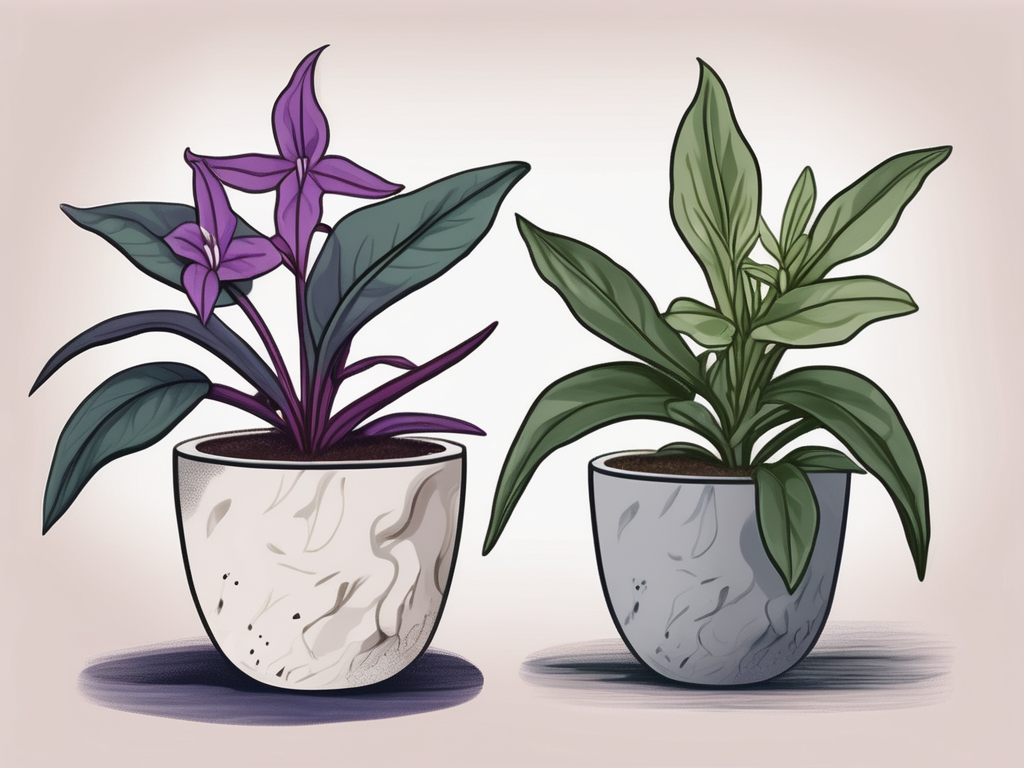
When it comes to choosing houseplants, there’s an overwhelming variety to consider. Two popular choices that often capture the attention of plant lovers are the Prayer Plant and English Ivy. While they both bring a touch of nature indoors, they couldn't be more different in terms of care, appearance, and benefits.
This blog post will guide you through the key differences between Prayer Plants and English Ivy, helping you decide which one might be the best fit for your home. We'll explore everything from their unique characteristics and care requirements to their role in designing beautiful living spaces.
Meet the Prayer Plant: Characteristics and Origins
The Prayer Plant, known scientifically as Maranta leuconeura, is a striking plant native to the tropical forests of Brazil. Its name comes from the way its leaves fold up in the evening as if in prayer, creating a dynamic and fascinating presence in any room.
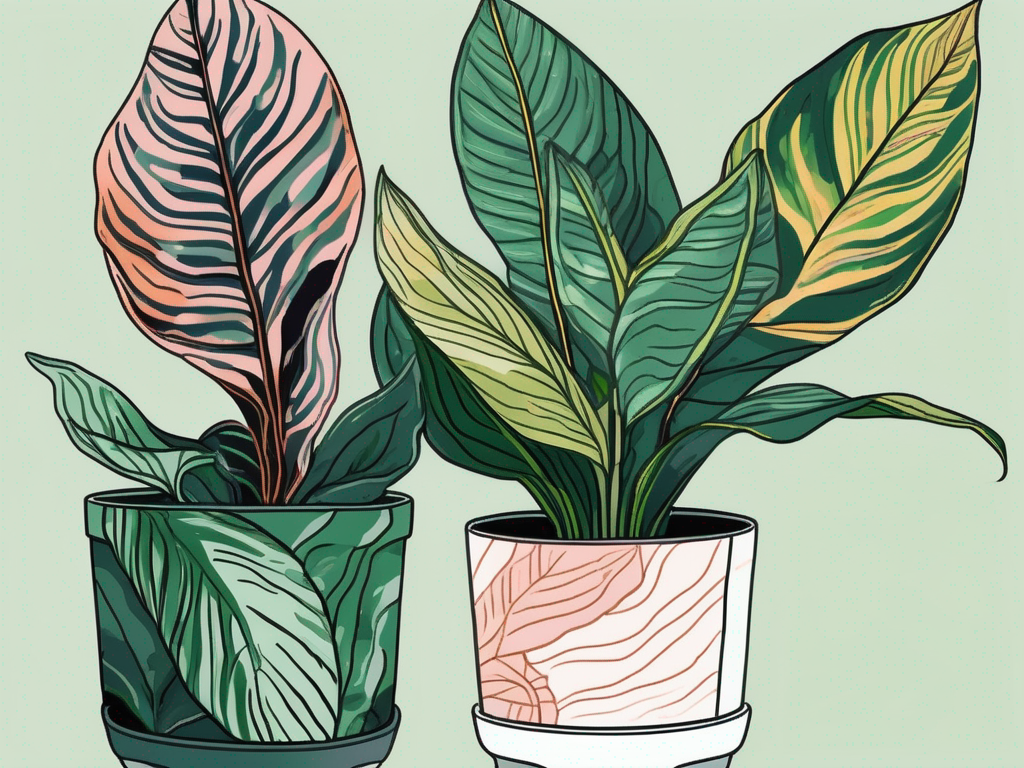
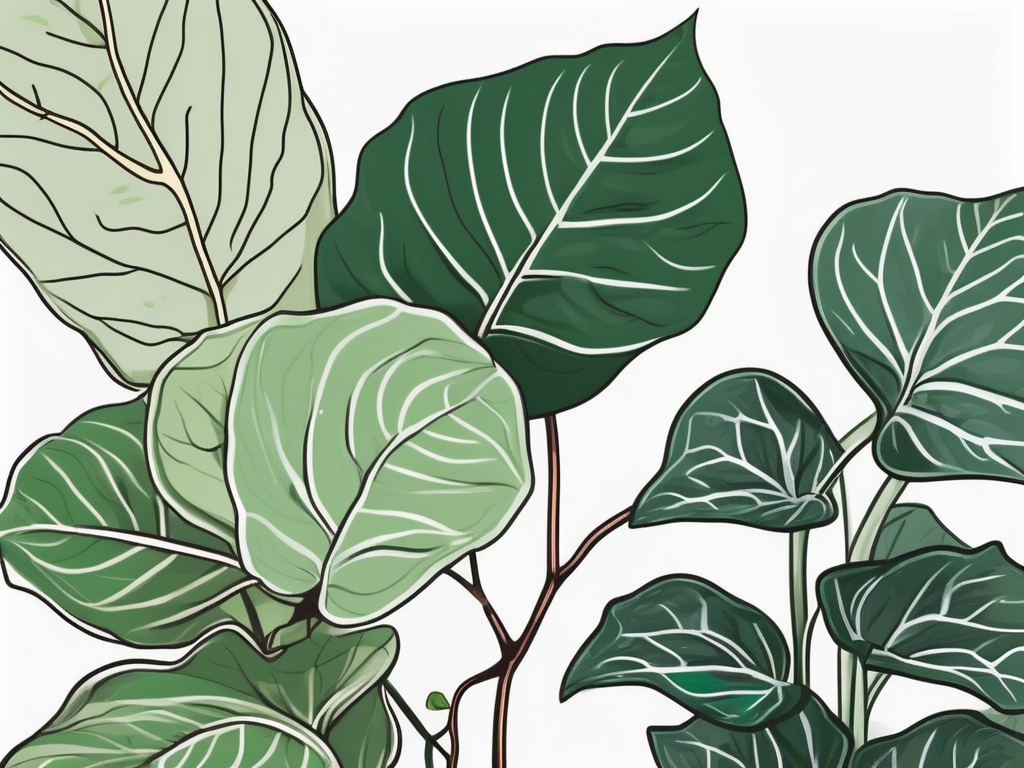
Prayer Plants boast colorful, variegated leaves with a velvety texture. Each leaf is a work of art, displaying hues of green, red, and sometimes even purple. These plants typically grow low to the ground and can spread out, making them perfect for hanging baskets or as centerpiece plants on a table.
One of the reasons these plants are a hit among plant people is their resilience. They adapt well to indoor environments, given the right conditions. However, they do prefer a humid atmosphere, mimicking their natural tropical habitat. So if you’re someone who enjoys a regular misting or has a bathroom with indirect light, a Prayer Plant could be right at home.
Exploring English Ivy: Traits and Background
English Ivy, with the scientific name Hedera helix, offers a completely different vibe. This plant is native to Europe and Western Asia but has made its way into homes around the globe. Known for its ability to climb and cover surfaces, it’s often used in outdoor settings to create lush, green walls.
Indoors, English Ivy is a versatile plant that can be trained to climb trellises or cascade beautifully from hanging pots. Its leaves are typically glossy and can range in color from deep green to variegated white and yellow patterns. This plant has a classic, timeless appeal that can complement both modern and traditional interior designs.
While English Ivy is relatively hardy and can tolerate a range of light conditions, it thrives in bright, indirect light. One thing to note is that it prefers cooler temperatures compared to many tropical houseplants, which can be a bonus if you’re in a cooler climate or have a drafty home.
Care and Maintenance: How to Look After Each Plant
Now that we’ve introduced these two plant stars, let’s talk about what it takes to keep them happy. While neither is a high-maintenance diva, there are some specific needs to be aware of.
Caring for Prayer Plants
- Light: Prayer Plants prefer medium to bright indirect light. Direct sunlight can scorch their leaves, so it’s best to avoid placing them in harsh light.
- Water: They like their soil to be consistently moist but not soggy. Water them when the top inch of soil feels dry to the touch.
- Humidity: These tropical beauties love humidity. Regular misting or placing them near a humidifier can help them thrive.
- Temperature: Keep them in a warm spot where temperatures don’t drop below 60°F (15°C).
Caring for English Ivy
- Light: English Ivy does well in bright, indirect light but can tolerate low light conditions. However, variegated varieties may lose their coloration in too much shade.
- Water: Allow the top inch of soil to dry out between waterings. Overwatering is a common issue, so be mindful of not letting it sit in waterlogged soil.
- Humidity: While it doesn’t require high humidity, it can benefit from occasional misting, especially in dry environments.
- Temperature: Ivy prefers cooler temperatures, ideally between 50°F to 70°F (10°C to 21°C).
Pests and Problems: What to Watch Out For
Every plant parent knows that pests and diseases are part of the package. Both Prayer Plants and English Ivy have their share of challenges, but don’t worry—most issues are manageable with a little bit of knowledge.
Common Issues with Prayer Plants
- Spider Mites: These tiny pests thrive in dry conditions. Keep humidity levels up and wipe down leaves with a damp cloth to prevent infestations.
- Leaf Browning: This can be a sign of too much direct sunlight or low humidity. Adjust lighting conditions and increase humidity to remedy this.
- Root Rot: Caused by overwatering, ensure your Prayer Plant is in well-draining soil and that the pot has adequate drainage holes.
Common Issues with English Ivy
- Spider Mites and Aphids: These pests are common with Ivy. Regularly check the undersides of leaves and treat with insecticidal soap if needed.
- Leaf Drop: Often due to overwatering or sudden changes in temperature. Ensure consistent care and avoid waterlogged soil.
- Powdery Mildew: This fungal disease appears as white powder on leaves. Improve air circulation and avoid overhead watering to prevent it.
Designing with Prayer Plants and English Ivy
Both of these plants can play a starring role in your home decor, offering different styles and moods depending on your preferences.
Incorporating Prayer Plants
Prayer Plants are fantastic for adding a pop of color and texture to your space. Their low-growing nature makes them perfect for:
- Plant Stands: Elevate them to eye level to show off their vibrant foliage.
- Hanging Baskets: Let their leaves spill over the edges for a dynamic look.
- Table Centerpieces: Use them to create a focal point in your living room or dining area.
Using English Ivy in Design
English Ivy’s trailing habit makes it ideal for creating a lush, cascading effect. Consider these ideas:
- Bookshelves: Let Ivy drape down from shelves for a classic, literary feel.
- Wall Trellises: Train Ivy up a small trellis on a wall for a green accent.
- Hanging Planters: Use them in macramé hangers for a boho vibe.
Environmental Benefits and Considerations
Beyond aesthetics, both plants offer environmental benefits that can improve your home’s air quality and create a healthier living space.
Prayer Plants’ Benefits
Prayer Plants are known to improve indoor air quality by filtering out toxins such as formaldehyde and benzene. They also release oxygen at night, making them a great choice for bedrooms.
English Ivy’s Benefits
English Ivy is a powerhouse when it comes to air purification. It’s particularly effective at reducing airborne mold and pollutants, making it a suitable choice for allergy sufferers. However, it’s worth noting that while Ivy is beneficial indoors, it can be invasive outdoors, so it's best kept in check.
Choosing the Right Plant for Your Space
Deciding between a Prayer Plant and English Ivy ultimately depends on your environment, aesthetic preferences, and care routine. Here are a few things to consider:
- Light Conditions: If you have a bright spot with indirect light, either plant would thrive. However, if your space is on the cooler side, English Ivy might be more forgiving.
- Humidity: If you can provide high humidity, a Prayer Plant could be a lush addition. If your home tends to be dry, English Ivy might adapt better.
- Design Goals: Consider the look you’re going for. If you want a colorful, eye-catching plant, go for a Prayer Plant. For a classic, elegant touch, English Ivy is your friend.
Maintaining a Healthy Plant Collection
Once you’ve chosen your plant, keeping it healthy is the next step. Here are a few general tips to ensure your plant collection thrives:
- Regular Inspections: Check your plants weekly for signs of pests or disease.
- Proper Watering: Develop a consistent watering schedule that meets each plant’s needs.
- Fertilization: Feed your plants during their growing season to support their health and vitality.
- Clean Leaves: Dust can accumulate on leaves, so gently wipe them down to allow maximum light absorption.
Conclusion: Which Plant is Right for You?
Both the Prayer Plant and English Ivy bring unique qualities to the table, and the right choice depends on your personal preferences and living conditions. Whether you're drawn to the vibrant, prayerful leaves of the Maranta or the classic elegance of Hedera helix, either plant can transform your home into a greener, more inviting space.
Final Thoughts
I hope this guide helps you decide which plant is right for you. If you're still unsure, feel free to visit Cafe Planta to explore our variety of houseplants and accessories, or reach out via email or Instagram if you have any questions. We're passionate about plants and would love to help you on your plant journey!