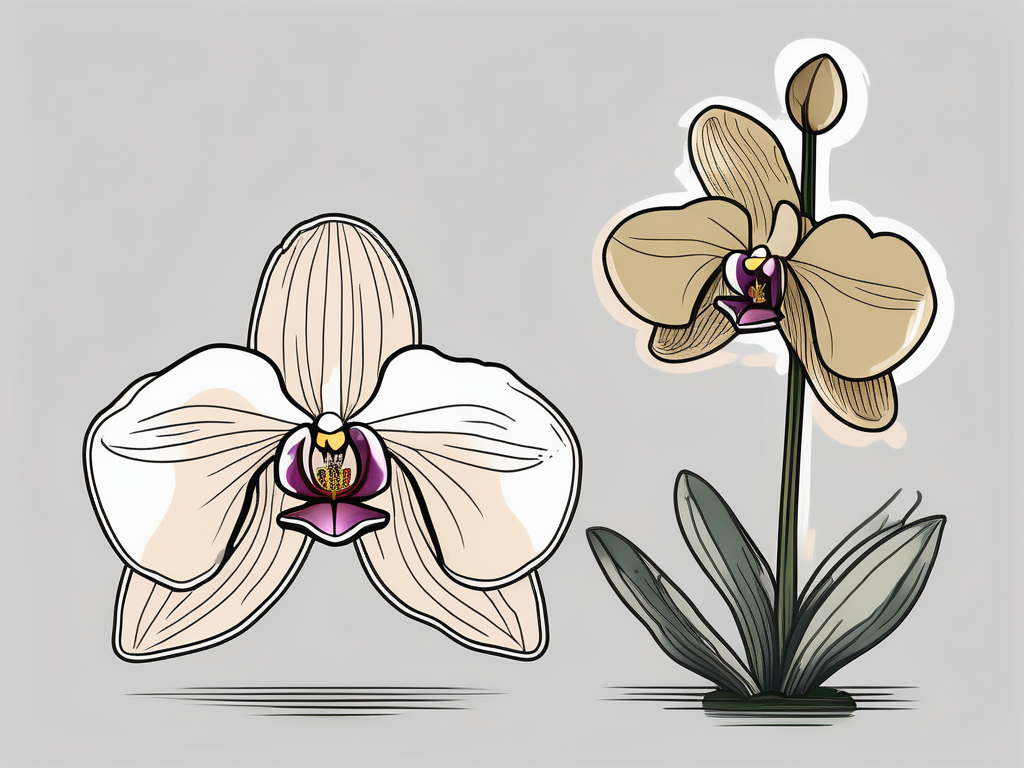
Orchids are one of those plants that can both intrigue and intimidate. With their exotic beauty and wide variety of colors and shapes, it's no wonder so many plant lovers find themselves drawn to them. But, like any living thing, orchids are not without their challenges. One common issue that orchid owners face is fungal infections, which can be a bit of a puzzle to solve.
In this article, we'll dive into the world of orchid care, focusing specifically on how to prevent and treat those pesky fungal infections. We'll explore everything from recognizing early signs of trouble to practical steps you can take to keep your orchid healthy and thriving. So, if you're ready to gain some insights and tips on caring for your cherished orchids, let's get started!
Recognizing Fungal Infections in Orchids
The first step in dealing with any plant issue is recognizing that there's a problem. Fungal infections in orchids can manifest in various ways, which can be tricky to identify if you're not familiar with what to look for. Some common signs include:
- Spots on Leaves: Look out for black or brown spots, often with a yellow halo around them. This can be an early indicator of a fungal issue.
- Discolored Patches: Fungal infections may appear as yellow, brown, or black patches on the leaves or flowers.
- Wilting or Drooping: While this can be due to many factors, a persistent wilt might suggest a fungal problem.
- Fuzzy Growth: A tell-tale sign of fungal infection is the presence of a fuzzy, mold-like growth on the surfaces of the plant.
Interestingly enough, some of these symptoms are easy to confuse with other issues, like bacterial infections or even simple nutrient deficiencies. If you spot any of these signs, take a closer look and consider the overall health of your plant. This attention to detail can make all the difference in catching an infection early.
Understanding the Causes of Fungal Infections
Now that you know what to look for, it's essential to understand why these infections occur in the first place. Fungal infections in orchids are often triggered by environmental factors. Here are a few common causes:
- Humidity Levels: Orchids love humidity, but there's a fine balance. Too much humidity, especially in poorly ventilated areas, can create a breeding ground for fungus.
- Overwatering: Orchids need water, but overwatering can lead to soggy roots, which are prone to fungal infections. It's crucial to allow the potting medium to dry out between waterings.
- Poor Air Circulation: Orchids thrive in well-ventilated spaces. Stagnant air can trap moisture around the plant, encouraging fungal growth.
- Contaminated Tools: Using unclean tools can inadvertently introduce fungal spores to your orchids.
By understanding these causes, you can make informed decisions about your orchid's environment. Adjusting humidity, watering practices, and ensuring good air circulation are all proactive steps you can take to reduce the risk of fungal infections.
Preventing Fungal Infections in Orchids
Prevention is always better than cure, especially when it comes to delicate orchids. So, how can you prevent fungal infections from taking hold in the first place? Here are some tried-and-true tips:
- Monitor Humidity: Keep humidity levels between 40% and 70%. You can use a humidifier or place a tray of water near your orchids to maintain this balance.
- Water Wisely: Water your orchids in the morning so they have time to dry out during the day. This reduces the chances of fungal growth.
- Ensure Good Ventilation: Place your orchids in a spot with good air flow, like near an open window or a fan, to keep the air moving.
- Inspect Regularly: Regularly check your orchids for any signs of trouble. Early detection is key to preventing a full-blown infection.
- Clean Your Tools: Always sterilize gardening tools before use to avoid introducing harmful pathogens.
By incorporating these preventive measures into your orchid care routine, you're setting your plant up for long-term health and beauty. It might seem like a lot to remember, but once these habits become part of your routine, they'll feel second nature.
Effective Treatment Options for Fungal Infections
So, you've noticed signs of a fungal infection in your orchid. What now? Don't worry—there are several steps you can take to tackle the issue and nurse your plant back to health. Here's a straightforward approach:
- Isolate the Affected Orchid: First things first, move your infected orchid away from other plants to prevent the spread of the fungus.
- Prune Infected Areas: Using sterilized scissors, carefully cut away infected leaves or flowers. This prevents the fungus from spreading further.
- Fungicide Treatment: Apply a fungicide specifically designed for orchids. Be sure to follow the instructions carefully to avoid harming the plant.
- Adjust Environment: Improve air circulation and adjust humidity levels to create a less favorable environment for the fungus.
- Monitor Recovery: Keep a close eye on your orchid's progress. If symptoms persist, a second treatment may be necessary.
Treating a fungal infection can feel like a daunting task, but patience and persistence really pay off. Remember, recovery takes time, and it's important to be gentle with your orchid as it heals.
Choosing the Right Fungicide
When it comes to selecting a fungicide, the variety of options can be overwhelming. However, understanding what to look for can simplify the process. Here are some tips:
- Read Labels Carefully: Choose a fungicide specifically labeled for orchids to ensure it's safe and effective for your plant.
- Consider Ingredients: Look for active ingredients like neem oil or potassium bicarbonate, which are effective against fungal infections.
- Application Method: Some fungicides come in spray form, while others require dilution. Consider what works best for your setup and comfort level.
- Frequency of Use: Check how often the product needs to be applied and factor this into your routine.
Choosing the right fungicide is an important step in your orchid's recovery process. It's worth taking the time to find a product that suits your needs and the specific requirements of your plant.
Repotting as a Solution
Sometimes, despite your best efforts, a fungal infection may persist. In such cases, repotting your orchid can be a valuable step. Here’s how to go about it:
- Prepare a New Pot: Select a clean pot with drainage holes. Orchids need excellent drainage to prevent waterlogging.
- Choose Fresh Potting Medium: Use a fresh orchid mix, which typically contains bark, perlite, and charcoal, to promote healthy root growth.
- Remove the Orchid: Gently remove the orchid from its current pot and shake off any old medium.
- Trim Damaged Roots: Inspect the roots and trim away any that are black or mushy with sterilized scissors.
- Repot the Orchid: Place the orchid in the new pot, fill with the fresh medium, and secure the plant in place.
Repotting can give your orchid a fresh start, free from the pathogens in the old medium. While it might seem like a lot of work, it's often the best course of action for a stubborn infection.
Common Mistakes to Avoid
While treating orchid fungal infections, there are a few common pitfalls to watch out for. Avoiding these can save you time and frustration:
- Overwatering: It's easy to overwater orchids, especially when trying to help them recover. Be sure to allow the medium to dry out between waterings.
- Ignoring Ventilation: Without proper air circulation, your orchid is more susceptible to fungal issues. Ensure your setup allows for adequate airflow.
- Using Unsterilized Tools: Always sterilize tools before use to prevent the spread of disease.
- Delaying Treatment: Early intervention is crucial. The sooner you address the issue, the better the outcome.
By steering clear of these mistakes, you'll be better equipped to manage and prevent fungal infections in your orchids. Remember, learning from experience is part of the journey!
Maintaining Long-Term Orchid Health
Once you've dealt with a fungal infection, long-term care is essential to keep your orchid healthy. Here are some ongoing care tips:
- Regular Monitoring: Keep a close eye on your orchid for any signs of trouble. Regular checks can catch issues early.
- Proper Watering: Stick to a consistent watering schedule that allows the medium to dry out between waterings.
- Balance Humidity: Maintain the right humidity level for your orchid's specific needs.
- Fertilize Wisely: Use a balanced orchid fertilizer monthly during the growing season to support your plant's health.
Maintaining your orchid's health is an ongoing process, but with the right care and attention, your plant can thrive for years to come.
Final Thoughts
Caring for orchids can be both rewarding and challenging, especially when it comes to dealing with fungal infections. By understanding the signs, causes, and treatments, you're well on your way to ensuring your orchids remain healthy and beautiful.
At Cafe Planta, we're passionate about helping you care for your plants. We offer a wide variety of houseplants, plant care accessories, and even plant-themed apparel. If you have any questions, feel free to email us or DM us on Instagram. Whether you're a seasoned plant parent or just starting, we're here to share our love of plants with you and help you create a thriving collection in your home.