Pothos plants, with their trailing vines and heart-shaped leaves, have a special place in the hearts of many plant lovers. They're often praised for being low-maintenance and resilient, making them a great choice for beginners and experienced plant parents alike. But even the hardiest of pothos can run into trouble when it comes to fungal infections.
In this article, we'll cover everything you need to know about preventing and treating fungal infections in your pothos. From understanding what causes these pesky problems to sharing practical tips on how to keep your plant healthy, we'll guide you step-by-step through the process. Let's get started!
Recognizing Fungal Infections in Pothos
Before diving into prevention and treatment, it's important to know what you're dealing with. Fungal infections in pothos often manifest as spots or patches on the leaves, which could be brown, black, or yellow. These spots may have a fuzzy or powdery texture, and they can eventually cause leaf drop if not addressed.
Some common fungi that affect pothos include root rot fungi, leaf spot fungi, and mildew. Each has its own set of symptoms. Root rot fungi, for example, lead to wilting and yellowing of leaves, often accompanied by mushy roots. Leaf spot fungi, on the other hand, create discolored patches that spread if left untreated. Mildew tends to appear as a white, powdery substance on the leaves.
Understanding these signs is crucial. Catching a fungal infection early can make a big difference in saving your plant. So, keep an eye out for anything unusual in your pothos, especially after watering or during humid weather.
Causes of Fungal Infections
Knowing what causes fungal infections can help you prevent them. Fungi thrive in environments that are moist and warm. Overwatering is one of the biggest culprits when it comes to fungal growth. Pothos prefer their soil to dry out a bit between waterings, so consistently damp soil can be a breeding ground for fungi.
High humidity levels can also contribute to fungal issues. If your pothos is placed in a particularly humid room, it might be more susceptible to fungal infections. Poor air circulation compounds the problem, as stagnant air allows moisture to linger on leaves, creating a perfect environment for fungi to take hold.
Additionally, using contaminated tools or soil can introduce fungi to your plant. Always make sure to clean your gardening tools and use fresh, sterile potting mix when repotting your pothos.
Preventing Fungal Infections
An ounce of prevention is worth a pound of cure, as the saying goes. To keep your pothos healthy and fungus-free, adopting good care practices is key. Here are some simple steps you can take:
- Water Wisely: Allow the top inch of soil to dry out before watering again. It's better to underwater occasionally than to overwater consistently.
- Ensure Good Air Circulation: Place your pothos in a spot where it gets plenty of fresh air. Avoid crowding it with other plants, which can trap moisture.
- Maintain Humidity: While pothos can handle a range of humidity levels, extreme humidity can lead to problems. Use a humidifier if necessary, but keep levels moderate.
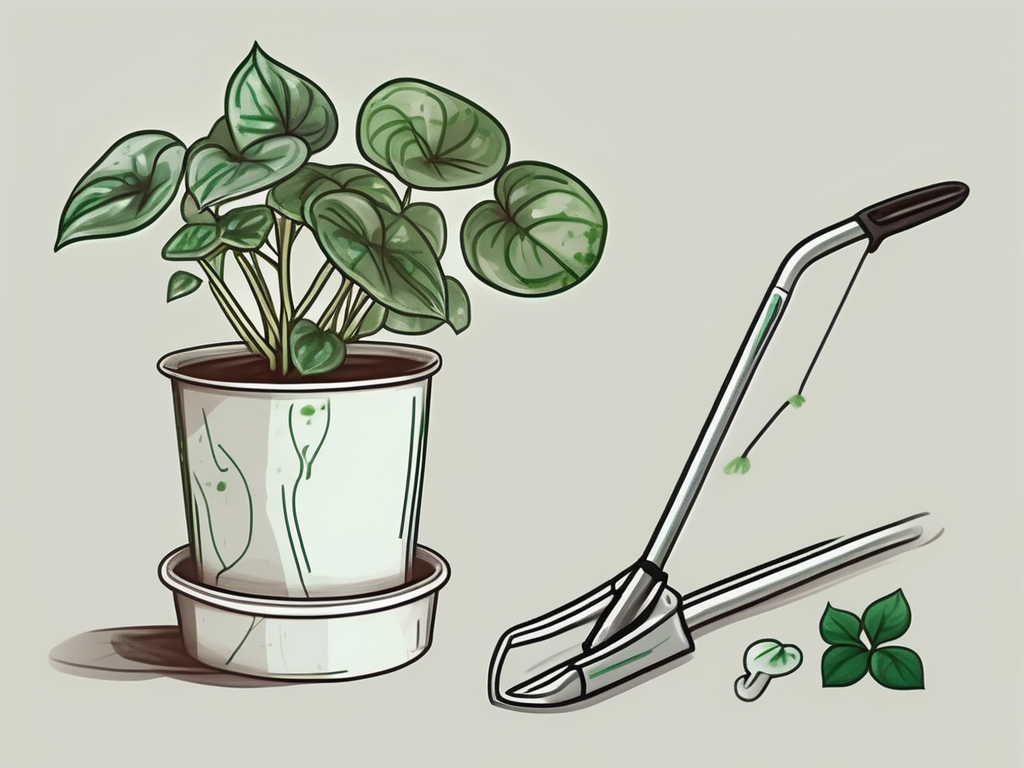
- Use Clean Tools: Sterilize your pruning shears and other tools before using them on your plants. This prevents the spread of pathogens.
- Inspect New Plants: Quarantine new plants for a few weeks before introducing them to your collection. This helps prevent the spread of any infections.
Treatment Options for Fungal Infections
If you suspect your pothos has a fungal infection, it's time to take action. Here's how you can treat the problem:
- Remove Affected Leaves: Carefully cut away any infected leaves to prevent the fungus from spreading. Dispose of these leaves in the trash, not your compost.
- Improve Airflow: Consider moving your plant to a more ventilated area. This helps dry out the leaves and reduces the chance of fungal growth.
- Adjust Watering Habits: Let the soil dry out more between waterings. This will make it less hospitable to fungi.
- Fungicide Application: If the infection persists, you may need to use a fungicide. Look for a product that's safe for indoor plants and follow the instructions carefully.
Natural Remedies for Fungal Infections
If you prefer a more natural approach to treating fungal infections in your pothos, there are several home remedies you can try:
- Neem Oil: This natural oil has antifungal properties. Mix it with water and a few drops of dish soap, then spray it on the affected areas.
- Baking Soda Solution: Combine one teaspoon of baking soda with a quart of water. Spray this mixture on the leaves to help combat fungi.
- Cinnamon: Sprinkle a bit of cinnamon on the soil. It's a natural antifungal and can help prevent future infections.
Remember, while natural remedies can be effective, they might take longer to show results compared to commercial fungicides. Patience and consistency are key.
Repotting and Recovery
In some cases, repotting your pothos might be necessary, especially if root rot is involved. Here's how to do it:
- Gently remove the plant from its pot and shake off excess soil. Be careful not to damage the roots.
- Trim away any mushy or discolored roots with sterilized scissors or pruning shears.
- Repot the plant in fresh, well-draining potting mix. Make sure the new pot has drainage holes to prevent waterlogging.
- Water the plant lightly and place it in a bright, indirect light location to recover.
After repotting, give your pothos time to adjust. It might lose a few leaves initially, but with proper care, it should bounce back.
Monitoring and Maintaining Plant Health
Once your pothos has recovered, it's important to keep an eye on its health to prevent future fungal issues. Regularly inspect the leaves for any signs of trouble and adjust your care routine as needed.
Continue practicing good watering habits, maintain proper humidity levels, and ensure good air circulation around your plant. These steps will not only help prevent fungal infections but also keep your pothos thriving.
When to Seek Professional Help
If your pothos isn't improving despite your best efforts, it might be time to consult a professional. A local plant expert or nursery can provide guidance specific to your situation. They can help identify the exact type of fungus and recommend appropriate treatments.
Don't hesitate to reach out for help. Sometimes, an outside perspective can make all the difference in saving your beloved plant.
Final Thoughts
Keeping your pothos free from fungal infections involves a mix of preventative care and timely intervention. By understanding the causes, recognizing the symptoms, and knowing how to treat them, you're well-equipped to tackle any fungal issues that come your way.
At Cafe Planta, we're passionate about helping plant lovers create thriving plant collections. Whether you're looking for new plant additions, care accessories, or just want to chat about plant care, reach out to us via email or Instagram. We're here to support you on your plant journey!