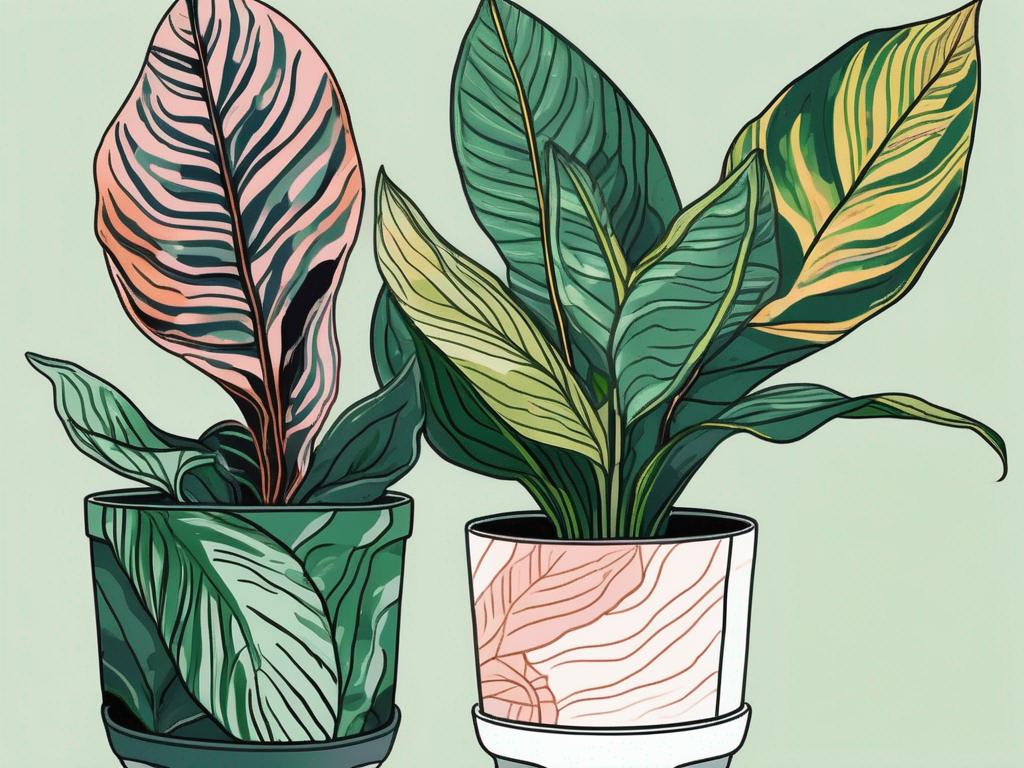
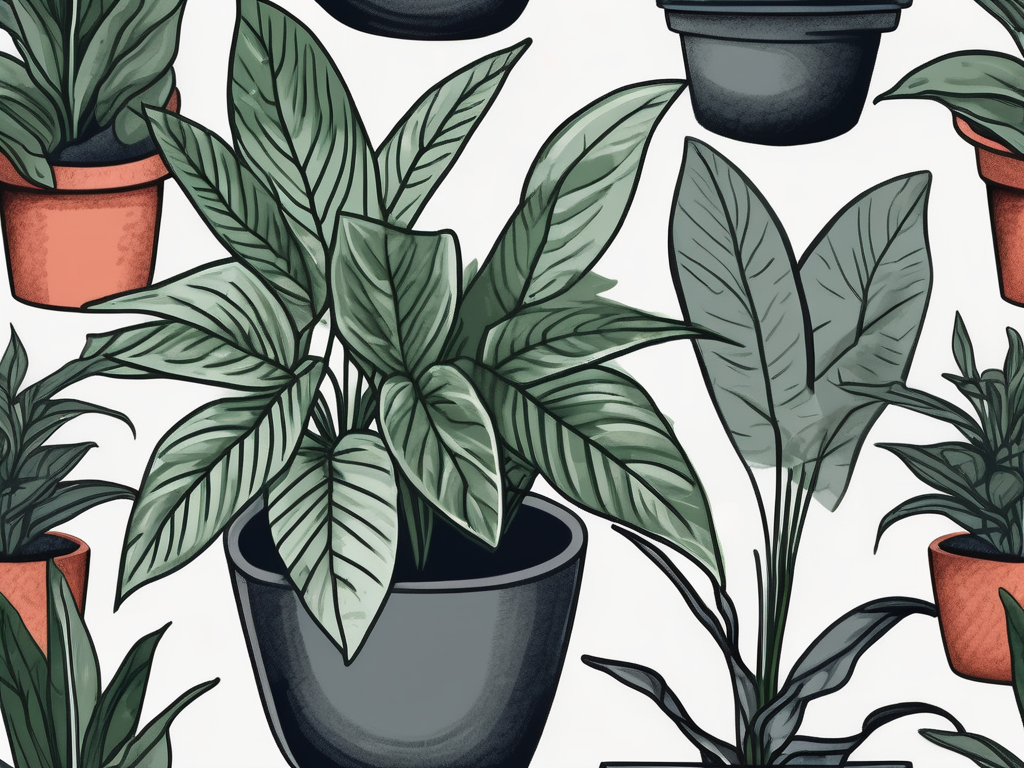
Philodendron Selloum, with its majestic leaves and vibrant personality, is a favorite among plant lovers. However, keeping your Selloum happy and healthy involves more than just admiring its beauty. One of the critical challenges to watch out for is root rot, a sneaky problem that can turn your plant care journey into a bit of a rollercoaster. But don't worry! With the right attention and care, you can prevent root rot and keep your Philodendron thriving.
In this article, we'll walk through practical tips and tricks to help you avoid root rot in your Philodendron Selloum. From understanding what causes root rot to choosing the right potting mix, and even how to water your plant properly—consider this your go-to guide for ensuring your plant stays lush and lively.
Understanding Root Rot
Root rot is like the villain in your plant's story. It's a common problem that occurs when the roots of your plant are exposed to too much moisture for too long. Essentially, the roots start to decay, and this can lead to the plant's eventual demise if not caught early. But why does this happen?
The main culprit is usually overwatering. Philodendron Selloum, like many houseplants, prefers its soil to dry out a bit between waterings. When the soil stays too wet, it suffocates the roots, depriving them of the oxygen they need to function. This creates a perfect environment for fungus and bacteria to thrive, leading to root rot.
Root rot can be tricky to spot because the damage happens below the soil surface. Symptoms like yellowing leaves, wilting, or stunted growth can be signs of root rot, but they often resemble other plant issues. That's why it's essential to understand and address the factors that contribute to root rot, minimizing the risk from the get-go.
Choosing the Right Pot
Believe it or not, the pot you choose plays a significant role in preventing root rot. When it comes to Philodendron Selloum, drainage is your plant's best friend. A pot with adequate drainage holes allows excess water to escape, preventing the soil from becoming waterlogged.
Opt for a pot that is slightly larger than the root ball of your plant. This gives the roots room to grow without drowning them in too much soil, which can retain excess moisture. Terracotta pots are a great option since their porous nature allows for better airflow and moisture evaporation.
Remember, it's not just about the pot's material but also its size and shape. A pot that's too large can retain too much water, while a very small pot might not provide enough room for the roots to expand. Aim for a balanced approach—a pot that fits your plant's current size with room to grow, ensuring both comfort and breathability for the roots.
Selecting the Ideal Potting Mix
Now, let's talk soil. The right potting mix is crucial for your Philodendron Selloum's health. You want a mix that drains well yet retains enough moisture to keep your plant hydrated. This might sound like a tall order, but it's all about balance.
A great potting mix for Philodendron Selloum typically contains:
- Peat moss: Provides moisture retention and aeration.
- Perlite: Enhances drainage and prevents compaction.
- Bark or coco coir: Adds structure and helps with drainage.
Mix these components in equal parts to create a well-draining yet moisture-retentive environment for your plant. If mixing your own soil sounds daunting, you can find ready-made aroid mixes at most garden centers or online that are perfect for Philodendrons.
Remember, the goal is to mimic the natural environment of Philodendron Selloum, which is native to tropical regions with well-draining forest floors. By providing a similar environment at home, you help prevent root rot and encourage healthy growth.
Watering Wisely
Watering is both an art and a science. Overwatering is the number one cause of root rot, so it's crucial to get it right. But how do you know when to water?
The finger test is a simple yet effective method. Stick your finger about an inch into the soil. If it feels dry, it's time to water. If it's still moist, hold off for a few days. Another option is to use a moisture meter, which can give you a more precise reading of your soil's moisture levels.
When it's time to water, do so thoroughly. Water until you see it draining from the bottom of the pot. This ensures that all the roots get a nice drink. However, make sure to empty the saucer under the pot to prevent the plant from sitting in water, as this can lead to root rot.
Seasonal changes can affect your plant's watering needs. During the growing season (spring and summer), Philodendron Selloum may need more frequent watering. In contrast, during the dormant months (fall and winter), it requires less water. Adjust your watering routine accordingly to keep your plant happy and healthy.
Ensuring Proper Light Conditions
Light plays a vital role in your Philodendron Selloum's overall health. While it's not a direct cause of root rot, poor lighting can weaken your plant, making it more susceptible to various issues, including root rot.
Philodendron Selloum thrives in bright, indirect light. Think of it as the light you'd find under a tree canopy—filtered and gentle. Direct sunlight can scorch the leaves, while too little light can lead to leggy growth and reduced vigor.
If your Selloum is in a spot with low light, consider moving it closer to a window with filtered light or supplementing with grow lights. Conversely, if it's in a spot with intense sunlight, use a sheer curtain to diffuse the light and protect the leaves.
By providing the right light conditions, you help support your plant's overall health, reducing the risk of stress-related issues like root rot. A happy plant is a resilient plant, after all!
Monitoring Humidity Levels
Philodendron Selloum is a tropical plant, and it thrives in higher humidity. While humidity doesn't cause root rot, maintaining the right humidity levels can promote overall plant health and aid in water absorption through the leaves.
Indoor environments, especially during winter, can become quite dry due to heating systems. If you notice your plant's leaves turning brown at the edges, it might be a sign of low humidity.
To increase humidity around your Selloum, try these methods:
- Use a humidifier near your plant.
- Place a tray of water with pebbles under the pot (ensuring the pot isn't sitting directly in the water).
- Group your plant with other houseplants to create a micro-humidity environment.
Keeping the humidity levels between 50-60% can help your Philodendron Selloum feel right at home. This not only supports healthy growth but also makes your indoor space feel a little more like a tropical paradise.
Regularly Inspecting Your Plant
Routine inspections are like health check-ups for your plant. Regularly examining your Philodendron Selloum helps you catch potential problems early, before they become more serious issues like root rot.
Check the leaves for signs of yellowing, wilting, or spots. These can be early indicators of stress or disease. Gently remove your plant from its pot every few months to inspect the roots. Healthy roots should be white and firm, while mushy or discolored roots can signal root rot.
If you do find signs of root rot, act quickly. Remove any affected roots with clean, sharp scissors, and repot the plant in fresh soil. This gives your plant a fighting chance to recover and thrive.
By keeping a close eye on your plant's health, you can address issues proactively, ensuring your Philodendron Selloum remains a vibrant and beautiful part of your home.
Fertilizing with Care
Feeding your Philodendron Selloum the right nutrients is essential for its growth and health. However, over-fertilizing can harm your plant and potentially contribute to root rot by causing a buildup of salts in the soil.
During the growing season, use a balanced, water-soluble fertilizer every 4-6 weeks. Dilute the fertilizer to half the recommended strength to avoid overwhelming your plant. During the dormant months, reduce or stop fertilizing, as your plant's growth slows down and its nutrient needs decrease.
Remember, less is often more when it comes to fertilizing. A gentle approach helps avoid nutrient overload, which can stress your plant and make it more susceptible to diseases like root rot.
Repotting When Necessary
Repotting is a crucial part of plant care, especially for a fast-growing plant like Philodendron Selloum. Over time, your plant can become root-bound, meaning the roots have outgrown the pot and are circling around the inside.
A root-bound plant can suffer from poor drainage, leading to root rot. To prevent this, aim to repot your Selloum every 1-2 years, or when you notice the roots growing out of the drainage holes.
When repotting, choose a pot that is 1-2 inches larger in diameter than the current one. Refresh the soil with a suitable potting mix, and inspect the roots for any signs of rot or damage, trimming as needed.
Repotting not only prevents root rot but also encourages new growth by giving your plant more room to expand. It's a fresh start that can do wonders for your Philodendron Selloum's health and vitality.
Final Thoughts
Preventing root rot in your Philodendron Selloum is all about balance—proper watering, suitable potting mix, and attentive care can keep your plant flourishing. By understanding your plant's needs and providing the right environment, you're well on your way to enjoying a healthy, happy Philodendron.
At Cafe Planta, we're passionate about helping you care for your plants. Whether you're looking for new additions to your collection or need advice on plant care, we're here to support you. Feel free to email us or reach out on Instagram. Let's keep the conversation growing and connect over our shared love for nature!