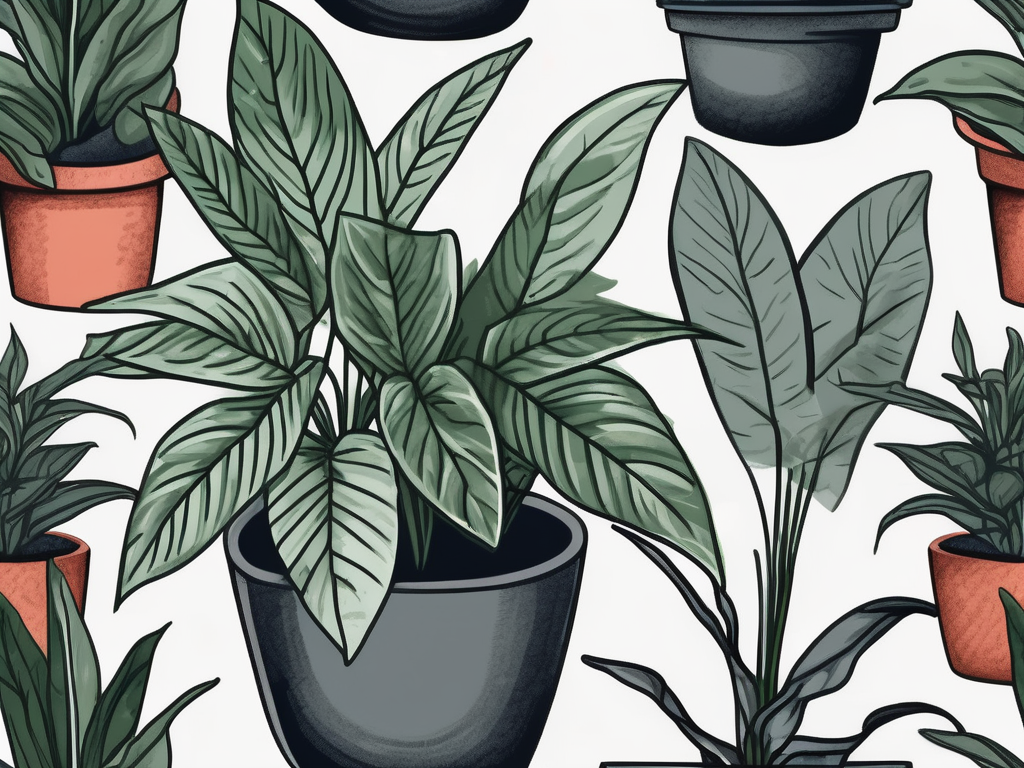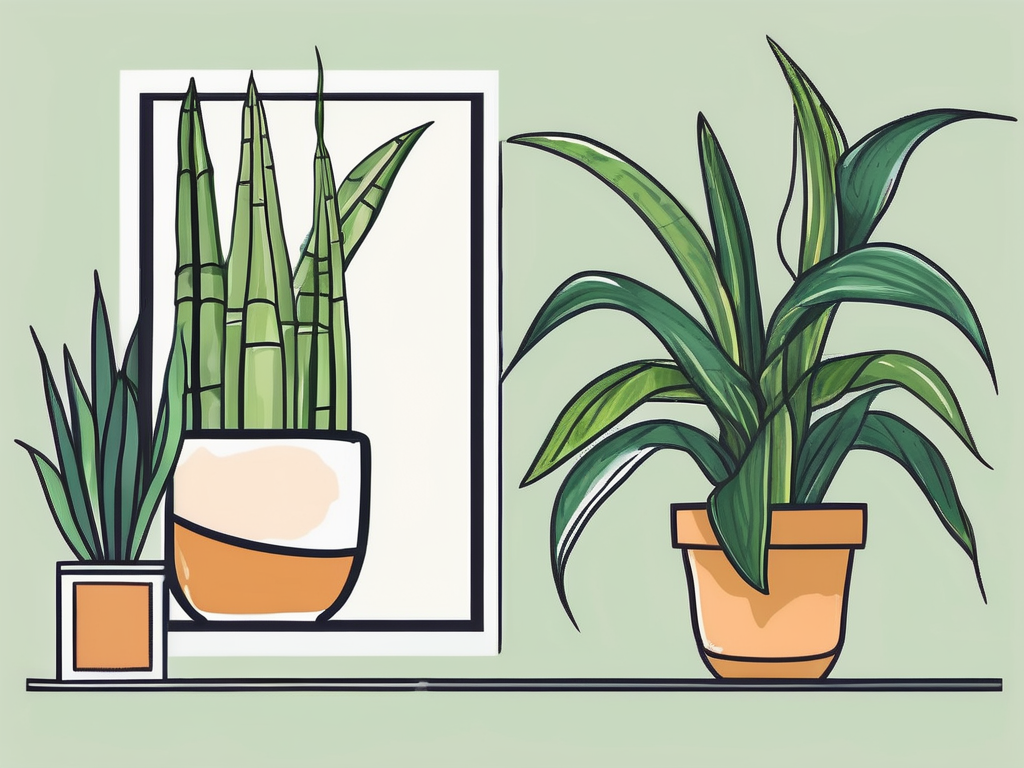
If you're a fan of houseplants, there's a good chance you've fallen for the charming polka dot plant. With its vibrant leaves speckled in pink, red, or white, it's a delightful addition to any indoor garden. But like every plant, it has its challenges. One common issue? Root rot. Don't worry, though—we're here to help you keep your polka dot plant thriving.
This article will walk you through everything you need to know to prevent root rot in your polka dot plant. We'll cover the basics from choosing the right pot and soil to watering tips and recognizing early signs of trouble. Ready to dig in? Let's get started.
Understanding Root Rot
Before we get into prevention, let's talk about what root rot is. It's a fungal disease that affects the roots of a plant, often caused by overwatering. The roots become unable to absorb nutrients and water, leading to a wilting and eventually dying plant. For polka dot plants, which thrive in well-draining soil, root rot can be a frequent issue if not properly managed.
Root rot typically starts when soil stays too wet for too long. This creates a perfect environment for fungi to grow and attack the roots. You'll know your plant's in trouble if you notice yellowing leaves, a mushy stem, or a foul odor coming from the soil. Catch it early, and you can save your plant. Ignore it, and it might be too late.
Choosing the Right Pot
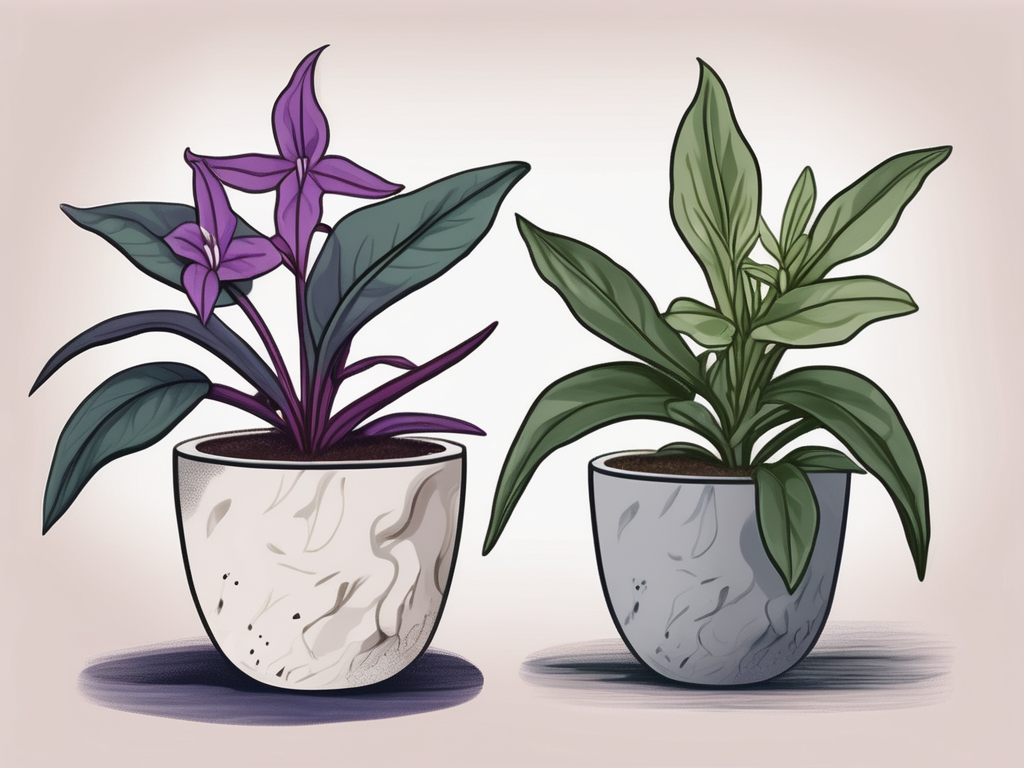
The first step in preventing root rot is selecting the right pot. This might seem straightforward, but the container you choose plays a crucial role in your plant's health. You want a pot that allows excess water to drain away easily.
Here are a few tips for picking the perfect pot:
- Drainage Holes: Make sure the pot has plenty of drainage holes at the bottom. This ensures that water doesn't pool at the base, which can suffocate the roots.
- Material Matters: Consider using terracotta or clay pots. These materials are porous and will help wick moisture away from the soil, keeping it from becoming waterlogged.
- Size: Don't go too big. A pot that's too large holds more soil, which retains more moisture than your plant needs. Stick to a pot that's just slightly larger than the plant's root ball.
Remember, the goal is to give your polka dot plant a cozy home where water can easily escape, keeping those roots healthy and happy.
Selecting the Right Soil
Soil plays a significant role in the health of your polka dot plant. The right mix will promote drainage and prevent water from lingering, which is key in avoiding root rot.
Here's what to look for when choosing soil for your polka dot plant:
- Well-Draining Mix: Opt for a potting mix that's labeled as well-draining. You might also consider adding a bit of perlite or pumice to the mix for extra drainage.
- Light and Airy: The soil should feel light and fluffy in your hands. This is a good indicator that it's not too dense and will allow air to reach the roots.
- Potted Plant Soil: If you’re unsure, a quality potted plant soil from a reputable brand often contains the right balance for most houseplants.
Avoid garden soil and heavy mixes that tend to retain water. Remember, the goal is to create an environment where water flows through rather than lingers.
Watering Wisely
Watering is where many polka dot plant parents trip up. It's easy to think that more water is better, but that's not the case with these plants. In fact, overwatering is one of the main causes of root rot.
Here are some tips to water your polka dot plant wisely:
- Check the Soil: Before watering, stick your finger about an inch into the soil. If it feels dry, it's time to water. If it’s still moist, give it a few more days.
- Drain Excess Water: After watering, make sure any excess water drains out of the pot. Never let your plant sit in water for extended periods.
- Consistency: Try to water consistently, but not on a strict schedule. The plant's needs can vary depending on the season and environment.
Think of it like this: you want to mimic the plant's natural habitat, where it gets regular rainfall, but the water doesn't stick around long enough to drown its roots.
Recognizing Early Signs of Root Rot
Being proactive is key. Recognizing the early signs of root rot can save your plant from irreversible damage. The sooner you catch it, the better your chances of bringing your plant back to health.
Here are some tell-tale signs to watch for:
- Yellowing Leaves: If the lower leaves start turning yellow, it might be a sign that the roots are struggling.
- Wilting Leaves: If the plant looks droopy even though the soil is moist, it could indicate root problems.
- Soft or Mushy Stems: This is often a sign of severe root rot. The plant may feel soft to touch.
- Unpleasant Smell: If the soil smells bad, it may mean the roots are rotting.
Spotting these signs early gives you a chance to adjust your care routine before things get out of hand.
Reviving a Plant with Root Rot
If you suspect your polka dot plant has root rot, don't panic. There's still hope. You just need to intervene and give it some TLC.
Here's how to revive a plant with root rot:
- Remove the Plant: Gently take the plant out of its pot and inspect the roots.
- Trim Affected Roots: Use clean scissors to cut away any mushy, brown roots. Healthy roots should be firm and white.
- Repot in Fresh Soil: Choose a well-draining soil and a clean pot. Replant your polka dot plant, ensuring the roots have plenty of space to breathe.
- Adjust Watering: Once repotted, water sparingly to avoid further stress.
Patience is key here. It might take some time for your plant to recover, but with proper care, it has a good chance of bouncing back.
Consider Light and Humidity
While water and soil are critical, light and humidity also play a role in your plant's health. Polka dot plants thrive in bright, indirect light. Too much direct sunlight can scorch the leaves, while too little can cause them to lose their vibrant color.
Here's how to provide the right environment:
- Bright, Indirect Light: Place your plant near a window with filtered light or use sheer curtains to diffuse direct sunlight.
- Humidity Levels: These plants appreciate a humid environment. If your home is dry, consider using a humidifier or placing a tray of water near the plant.
- Avoid Drafts: Keep your plant away from cold drafts or hot, dry air from heaters.
By creating the right environment, you're not only helping prevent root rot but also encouraging lush, vibrant growth.
Regular Maintenance and Checks
Keeping an eye on your plant is crucial. Regular maintenance can prevent issues before they start. Think of it as a routine health check-up for your plant.
Here’s what regular maintenance looks like:
- Inspect the Plant: Check the leaves and stems for any signs of distress or pests.
- Rotate the Plant: Give your plant a quarter turn every week to ensure it grows evenly.
- Prune as Needed: Trim off any dead leaves or stems to encourage new growth.
- Check for Pests: Keep an eye out for common pests like aphids or spider mites, which can stress the plant.
Regular checks ensure that your plant remains healthy and vibrant, reducing the risk of root rot and other issues.
When to Seek Professional Help
Sometimes, despite our best efforts, a plant might still struggle. If you've tried everything and your polka dot plant isn't improving, it might be time to seek help.
Consider these options:
- Consult a Plant Expert: Contact a local nursery or a plant expert for advice. They might notice something you've missed.
- Online Communities: Join plant groups or forums where you can share photos and get feedback from fellow plant lovers.
- Professional Services: Some stores offer plant care services where professionals can diagnose and treat plant issues.
Reaching out for help can provide new insights and solutions to get your polka dot plant back on track.
Final Thoughts
Preventing root rot in your polka dot plant is all about understanding its needs and being attentive to its environment. By choosing the right pot and soil, watering wisely, and keeping an eye on early signs of distress, you can ensure your plant stays healthy and vibrant.
At Cafe Planta, we're passionate about helping plant parents succeed. Whether you're looking for new plants, care tips, or even some plant-themed apparel to show off your love for greenery, we've got you covered. If you have any questions or just want to chat about plants, don't hesitate to email us or send us a DM on Instagram. We're here to help you create a beautiful, thriving plant collection in your home.