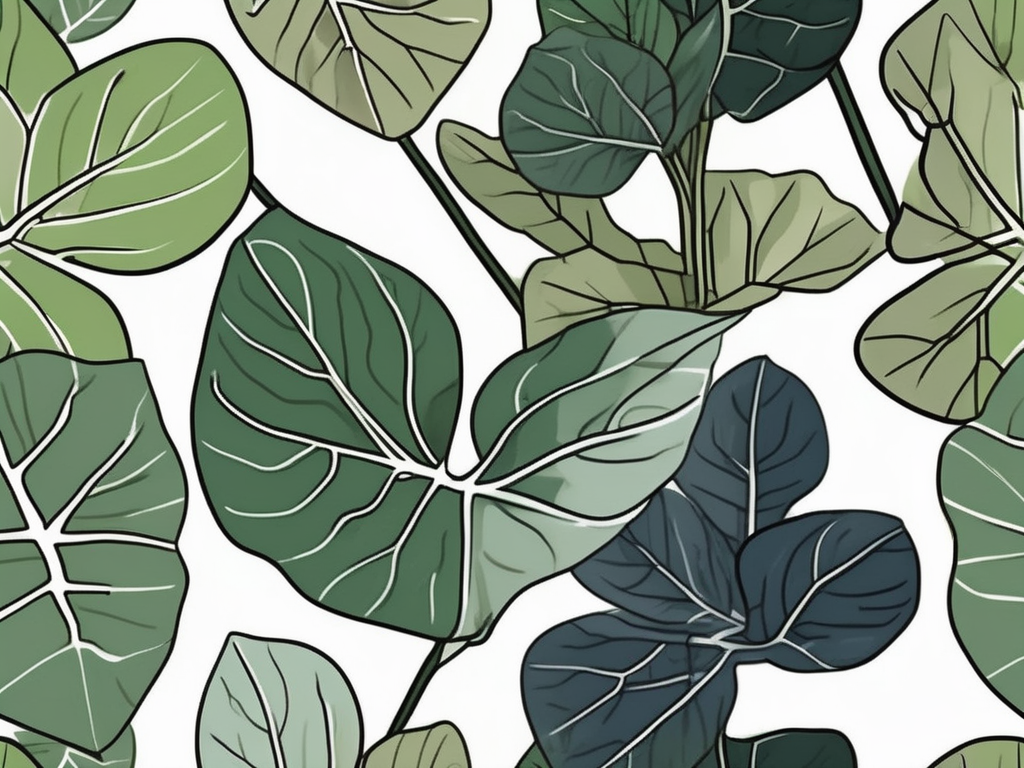
The String of Hearts, also known as Ceropegia woodii, is a delightful trailing plant that's been charming plant lovers with its heart-shaped leaves and delicate vines. However, like many houseplants, it can be prone to root rot, a common problem that can be a real heartbreaker if not addressed promptly. But fear not! With a little know-how, you can keep your String of Hearts thriving and free from this pesky issue.
In this article, we'll explore how to prevent root rot in your String of Hearts. From understanding the causes to adopting effective watering practices and ensuring proper potting conditions, we've got you covered. Let's get into the details and help your plant flourish.
Understanding Root Rot: The Basics
Root rot is a condition that affects many houseplants, and it often goes unnoticed until significant damage has occurred. It typically occurs when the plant's roots sit in waterlogged soil for too long, leading to the decay of the roots. This decay is usually caused by fungi or bacteria that thrive in overly moist conditions.
For the String of Hearts, root rot can be particularly devastating because its root system is quite delicate. When the roots start to rot, the plant struggles to take up water and nutrients, leading to wilting, yellowing leaves, and eventually, plant death. Recognizing the signs early and taking action is key to saving your plant.
Interestingly enough, the most common cause of root rot is overwatering, which is something even experienced plant parents can struggle with. It's not just about how much water you're giving your plant but also how often and under what conditions. Let's explore how to get it just right.
Choosing the Right Soil
The first step in preventing root rot is selecting the appropriate soil. The String of Hearts prefers well-draining soil, which allows excess water to escape quickly, reducing the risk of waterlogged roots.
When choosing soil, consider the following:
- Well-Draining Mix: Look for a cactus or succulent mix, as these are designed to drain well. You can also create your own mix by combining potting soil with perlite or pumice to increase drainage.
- Avoid Heavy Soils: Steer clear of soils that retain too much moisture, like those meant for moisture-loving plants. These can suffocate the roots and lead to rot.
- Test the Soil: Before potting your plant, test the soil by wetting it and squeezing it in your hand. It should crumble easily when released, indicating good drainage.
By ensuring your String of Hearts is in the right soil, you're setting the stage for healthy growth and reducing the risk of root rot significantly.
Mastering the Art of Watering
Watering is where many plant parents go astray, even with the best intentions. The String of Hearts, being a semi-succulent, thrives on a "less is more" approach when it comes to hydration.
Here are some tips to master watering your String of Hearts:
- Check the Soil: Always check the top inch of soil before watering. It should be completely dry before you give your plant a drink.
- Use the Right Amount: Water thoroughly until water drains out of the bottom of the pot, then let it dry out completely before watering again.
- Mind the Seasons: During the growing season (spring and summer), your plant will need more frequent watering compared to the dormant period (fall and winter).
- Observe Your Plant: Pay attention to how your plant responds after watering. If the leaves become mushy or yellow, it might be getting too much water.
By learning to read your plant's signals and adjusting your watering habits accordingly, you'll avoid the pitfalls of overwatering and keep root rot at bay.
Potting for Success
The pot you choose for your String of Hearts is just as crucial as the soil and watering routine. The right pot will support healthy growth and prevent conditions that lead to root rot.
Consider these factors when selecting a pot:
- Drainage Holes: Always use a pot with drainage holes to ensure excess water can escape. This is non-negotiable for preventing root rot.
- Material Matters: Terra cotta pots are an excellent choice as they allow moisture to evaporate, helping keep the soil from staying too wet.
- Size Appropriately: Avoid pots that are too large, as they can hold more soil and, consequently, more water than your plant needs. Size the pot to match the root system, giving it a little room to grow.
Choosing the right pot is a step that often gets overlooked, but it's essential to giving your String of Hearts a healthy environment to thrive in.
Recognizing the Early Warning Signs
Being proactive and catching root rot early can save your plant. Familiarizing yourself with the early signs of trouble can make all the difference.
Keep an eye out for these symptoms:
- Yellowing Leaves: If your plant's leaves turn yellow or start to wilt, it might be a sign of root rot.
- Mushy Stems: A mushy or soft stem can indicate that the rot has spread from the roots upwards.
- Foul Smell: A musty or rotten smell coming from the soil is a sure sign that your roots are in trouble.
If you notice these symptoms, it's time to take action. Don't panic! With some care and quick intervention, you can often reverse the damage and nurse your plant back to health.
Reviving a Plant with Root Rot
If your String of Hearts has fallen victim to root rot, all hope is not lost. With some careful steps, you can potentially save your plant.
Here's how you can attempt to revive it:
- Remove the Plant: Carefully take the plant out of its pot and inspect the roots.
- Trim Affected Roots: Using sterilized scissors, cut away any mushy or rotten roots. Healthy roots should be white and firm.
- Repot in Fresh Soil: Dispose of the old soil and repot the plant in fresh, well-draining soil.
- Adjust Watering: After repotting, water sparingly and ensure the soil dries out between waterings.
While it's hard to say for certain if every plant can be saved, these steps give your String of Hearts the best chance for recovery.
Creating the Ideal Environment
Beyond soil, watering, and potting, the overall environment plays a crucial role in preventing root rot for your String of Hearts.
Consider these environmental factors:
- Light: Provide bright, indirect light. Too little light can cause the plant to use less water, increasing the risk of overwatering.
- Humidity: While String of Hearts can tolerate average indoor humidity, too much humidity combined with poor drainage can promote rot.
- Temperature: Maintain a moderate temperature range. Extreme cold can cause the soil to dry out slower, which isn't ideal.
By creating an environment that meets your plant's needs, you'll promote healthy growth and resilience against root rot.
Regular Maintenance and Care
Prevention is always better than cure, and regular maintenance can help keep root rot from becoming a problem in the first place.
Here are some routine care tips:
- Inspect Regularly: Check your plant regularly for signs of stress or rot.
- Prune as Needed: Remove any dead or yellowing leaves to encourage healthy growth.
- Refresh Soil Occasionally: Repotting with fresh soil every couple of years can prevent soil compaction and improve drainage.
By incorporating these maintenance tasks into your plant care routine, you'll keep your String of Hearts healthy and thriving.
Final Thoughts
Preventing root rot in your String of Hearts is all about balance: the right soil, watering habits, and environment. By keeping a keen eye on your plant's needs and responding to its signals, you can maintain its health and beauty.
At Cafe Planta, we're here to support your plant journey. From providing a wide array of houseplants to answering your plant care questions via email or Instagram, we believe in the power of plants to bring joy and connection. Let's grow together!