If your houseplant looks like it's on its last leaf, don't despair just yet. There's a good chance you can bring it back to life with a bit of TLC and some know-how. Houseplants, like us, sometimes need a little extra attention to thrive. Whether it's drooping leaves, yellowing tips, or a stubborn refusal to grow, I've got you covered.
This post will walk you through practical steps to diagnose what's ailing your plant and share tips and tricks to nurse it back to health. From watering habits to lighting conditions, you'll learn how to give your green buddies the care they deserve.
Spotting the Signs of Distress
Before you can nurse your plant back to health, you need to understand what's wrong. Just like any living organism, plants show signs when they're not feeling their best. The key is to notice these signs early and take action.
- Yellowing Leaves: This can be a sign of overwatering or underwatering. It might also indicate a nutrient deficiency.
- Drooping or Wilting: Often a sign of watering issues or improper lighting.
- Brown Leaf Tips: This could mean the air is too dry, or there's a buildup of salts from fertilizers.
- Stunted Growth: Your plant might not be getting enough light or nutrients.
- Yellow Spots or Patches: This can be a sign of pests or disease.
Take a close look at your plant and note any unusual changes. This will help you diagnose the problem and decide on the next steps. Sometimes, it's a combination of factors that require a bit of trial and error to get right.
Assessing Your Watering Routine
Watering is where many plant parents go wrong. It's easy to overestimate how much water your plant needs, especially if you're trying to be extra attentive. On the other hand, life gets busy, and sometimes we forget to water altogether. Both scenarios can cause stress for your plant.
Here are some watering tips to consider:
- Check the Soil Moisture: Stick your finger about an inch into the soil. If it feels dry, it's time to water. If it's still moist, wait a few days.
- Use Room Temperature Water: Cold water can shock the roots, while hot water can damage them. Stick to room temperature for best results.
- Drainage is Key: Ensure your pot has drainage holes. Excess water should be able to escape to prevent root rot.
- Consistency is Important: Try to water your plants on a regular schedule, but always check the soil first.
Remember, different plants have different needs. A cactus won't have the same watering schedule as a fern. Taking the time to understand each plant's specific requirements will go a long way in keeping them happy.
Understanding Lighting Needs
Light is to plants what food is to us. Without enough of it, your plant will struggle to survive. However, too much light can also be harmful, leading to scorched leaves or faded colors.
Finding the Perfect Spot
Start by observing the natural light in your home. Which areas get the most sunlight, and when? Some plants, like succulents and cacti, love soaking up the sun. Others, like ferns and snake plants, prefer shadier spots.
If you're not sure about your plant's light preferences, here are a few general tips:
- Bright, Indirect Light: Most houseplants do well in bright, indirect light. This means they like to be near a window but not in direct sunlight.
- Low Light: Some plants, like pothos and ZZ plants, can thrive in lower light conditions. They're perfect for darker corners of your home.
- Direct Sunlight: Only a few houseplants can tolerate direct sunlight, so be cautious. If leaves start to look bleached or burnt, move your plant to a less intense spot.
If your home doesn't naturally offer the right lighting conditions, you might need to invest in grow lights. These can provide the necessary light spectrum to keep your plants healthy.
Checking the Soil and Pot
Sometimes, the problem lies beneath the surface. The type of soil and the pot your plant is in can significantly impact its health. Plants need the right medium to anchor their roots and access water and nutrients.
Choosing the Right Soil
Not all soils are created equal. Different plants thrive in different types of soil. For example, succulents and cacti need a well-draining mix, while tropical plants prefer something that retains a bit more moisture.
- Well-Draining Soil: Ideal for plants that don't like to sit in water. It typically contains materials like sand or perlite.
- Moisture-Retaining Soil: Contains materials like peat moss to hold onto moisture, which is great for tropical plants.
Evaluating the Pot
The pot your plant lives in is just as important as the soil. A pot that's too big can hold too much water, while one that's too small might restrict root growth. Always choose a pot with drainage holes to prevent water from pooling at the bottom.
Repotting might be necessary if your plant has outgrown its current home. This gives the roots more space to expand and can refresh your plant's environment with new soil.
Dealing with Pests and Diseases
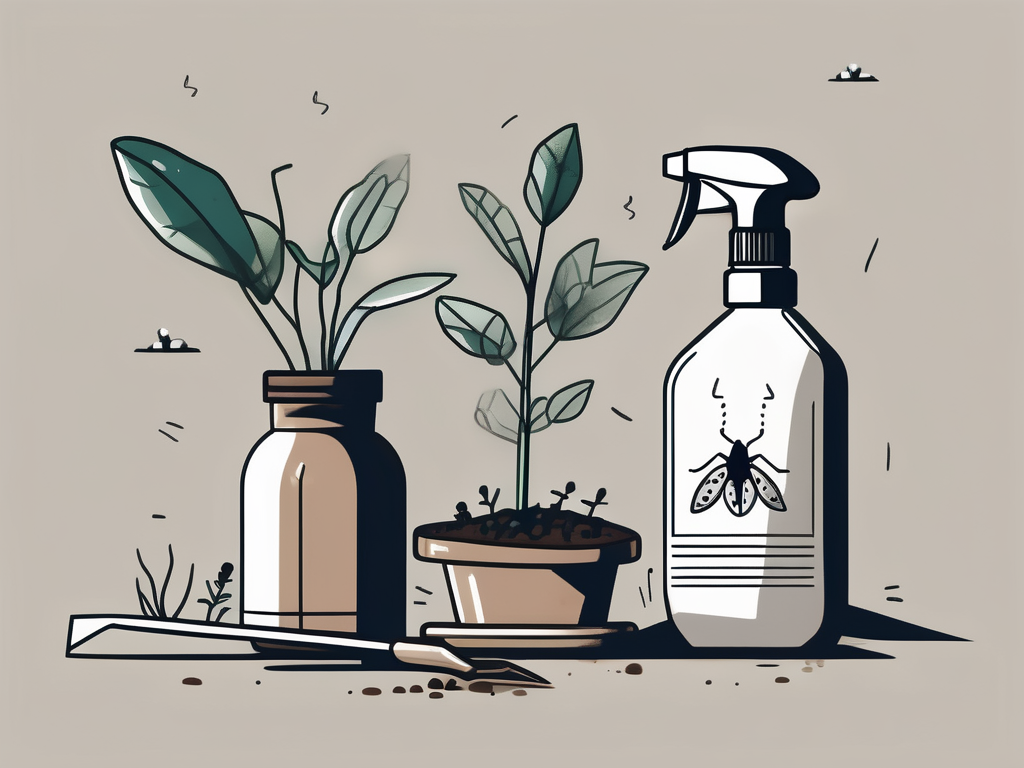
Just like any living thing, houseplants can fall victim to pests and diseases. These tiny invaders can wreak havoc on your leafy friends if not addressed quickly. Common pests include aphids, spider mites, and mealybugs. Fungal infections can also crop up, especially in humid conditions.
Identifying and Treating Pests
If your plant is infested, you'll likely notice small insects on the leaves or webbing. Here's how to tackle common pest problems:
- Aphids: Usually found on new growth. A strong spray of water can knock them off, or use insecticidal soap.
- Spider Mites: Look for fine webbing under leaves. Increase humidity and apply neem oil to deter them.
- Mealybugs: These appear as white, cottony masses. Dab them with a cotton swab dipped in alcohol.
Managing Fungal Issues
Fungal diseases often manifest as spots or patches on leaves. Improving air circulation and reducing humidity can help prevent these issues. If your plant is already infected, remove the affected parts and consider a fungicide treatment.
Regularly inspecting your plants will help you catch any issues early and keep your plants healthy and thriving.
Adjusting Fertilizer Practices
Fertilizer can be a double-edged sword. While it provides essential nutrients, overuse can lead to nutrient burn, characterized by brown tips and edges. Underuse, on the other hand, can result in slow growth and pale leaves.
Choosing the Right Fertilizer
Not all fertilizers are the same. Some are specifically formulated for certain types of plants, like orchids or succulents. Here's a general breakdown:
- Balanced Fertilizer: Contains equal parts of nitrogen, phosphorus, and potassium and is suitable for most houseplants.
- High-Nitrogen Fertilizer: Great for leafy growth in plants like ferns.
- Bloom Booster: High in phosphorus and ideal for flowering plants.
Applying Fertilizer Wisely
Less is often more when it comes to fertilizing. Follow these tips to avoid over-fertilizing:
- Fertilize during the growing season (spring and summer) and reduce or stop during dormancy (fall and winter).
- Always follow the package instructions for dosage.
- Flush the soil occasionally to remove any salt buildup from fertilizers.
With the right balance, your plant will have all the nutrients it needs to grow strong and healthy.
Providing Humidity and Air Circulation
Many houseplants, especially tropical varieties, thrive in higher humidity levels, which can be hard to replicate in a typical home environment. Dry air can lead to brown leaf tips and increased pest problems.
Boosting Humidity Levels
If your plant is showing signs of distress due to low humidity, consider these solutions:
- Humidifiers: These devices can increase the overall humidity in your home, benefiting both plants and people.
- Grouping Plants: Placing plants close together can create a microclimate with higher humidity.
- Water Trays: Place a tray of water near your plants. As the water evaporates, it increases the surrounding humidity.
Ensuring Adequate Air Circulation
Good air circulation is essential for preventing mold and fungal issues. Here are some tips:
- Use a small fan to keep air moving in the room.
- Avoid overcrowding plants to allow for adequate airflow.
- Open windows when the weather permits to let in fresh air.
These small changes can make a big difference in the health of your plants, especially during the winter months when indoor air tends to be drier.
Understanding Plant Dormancy
Sometimes, what looks like a dying plant is actually just a plant in dormancy. Many houseplants slow down or stop growing altogether in the fall and winter months. This natural cycle helps them conserve energy for the growing season.
Recognizing Dormancy
During dormancy, your plant may:
- Stop producing new leaves or flowers.
- Show slower overall growth.
- Drop some leaves, especially older ones.
Don't panic if your plant enters dormancy. It's a normal part of their life cycle. Just adjust your care routine:
- Reduce watering, as the plant will need less moisture.
- Hold off on fertilizing until growth resumes.
- Let the plant rest in a cooler area if possible.
By respecting this natural rhythm, you'll be setting your plant up for a strong resurgence come spring.
Enriching Your Plant's Environment
Sometimes, despite all your efforts, your plant just needs a change of scenery or a little refresh to bounce back. This might involve moving it to a different room or simply giving it a new pot and soil.
Refreshing the Potting Soil
Over time, the soil can become compacted and depleted of nutrients. Repotting with fresh soil can give your plant a new lease on life.
- Choose a pot that's just one size larger than the current one.
- Gently remove the plant from its pot, being careful not to damage the roots.
- Add fresh soil, ensuring it's the right type for your plant.
Repositioning for Optimal Growth
Sometimes a simple move can make a big difference. Consider the following:
- Move your plant to a spot with better light conditions.
- Ensure it's not in a drafty area or too close to heating vents.
- Rotate the plant periodically to ensure even growth.
With these changes, your plant will have a fresh environment to thrive in.
Final Thoughts
Reviving a struggling houseplant is a mix of patience, observation, and a little bit of trial and error. By understanding the signs of distress and adjusting your care routine, you can bring many plants back to life. Remember, every plant is unique, so take the time to learn what works best for yours.
At Cafe Planta, we offer a wide range of houseplants and plant care accessories to help you on your journey. Whether you're just starting out or have a house full of green friends, we're here to support you. If you have any questions, feel free to email us or reach out on Instagram. Let's grow together!