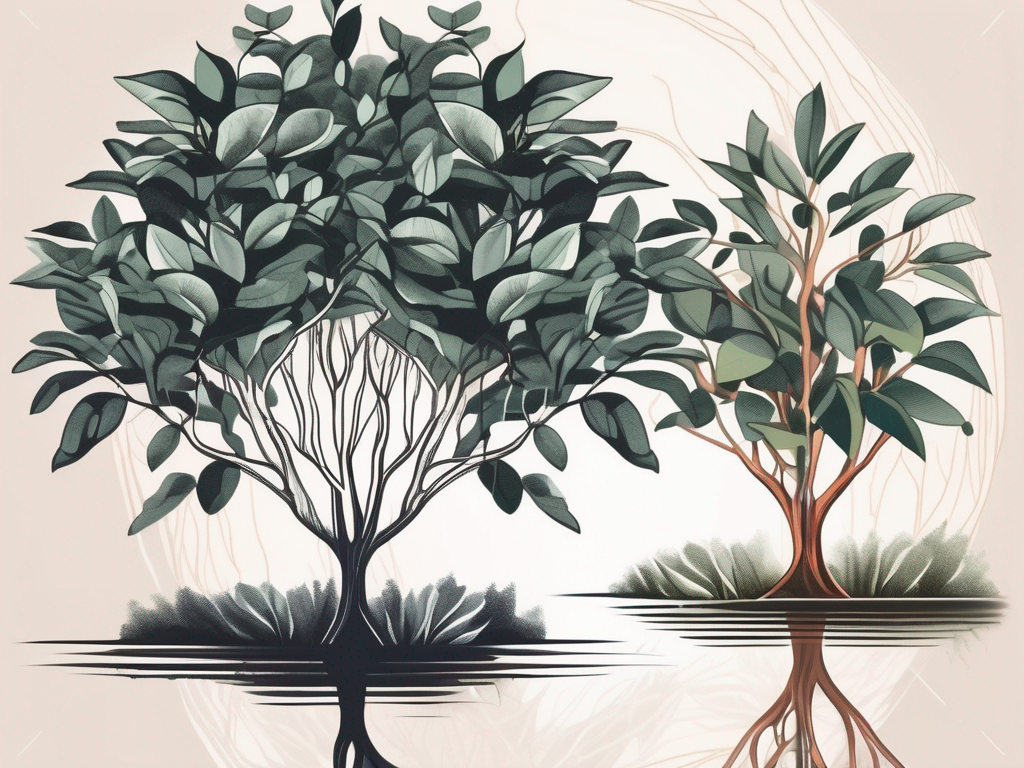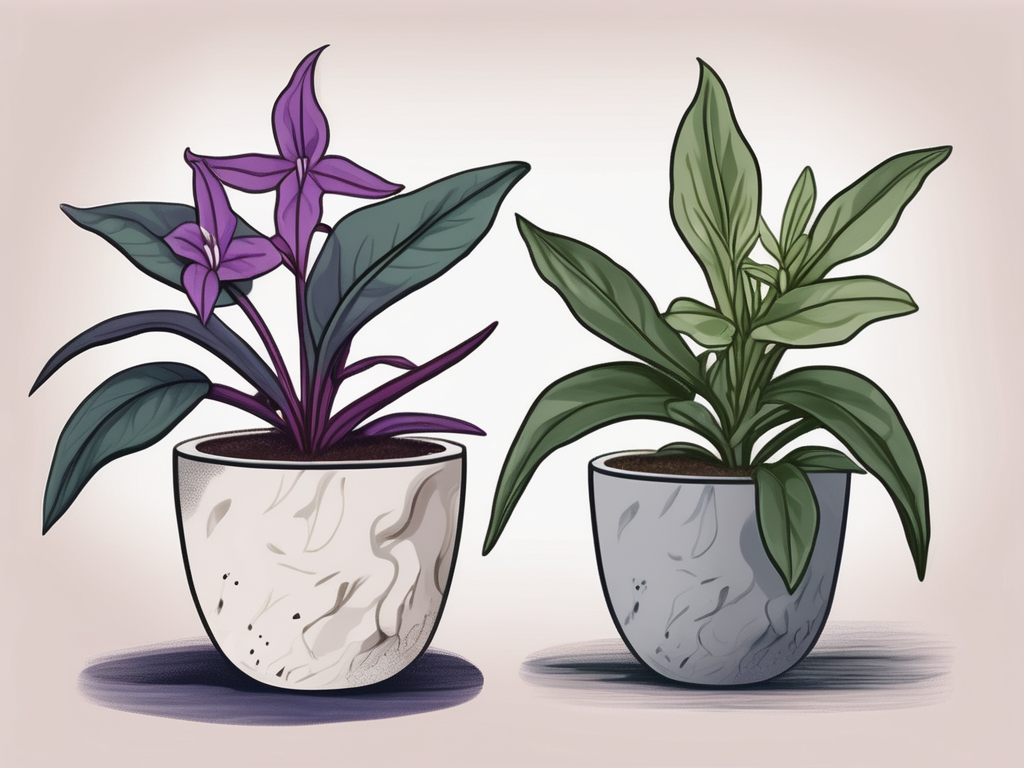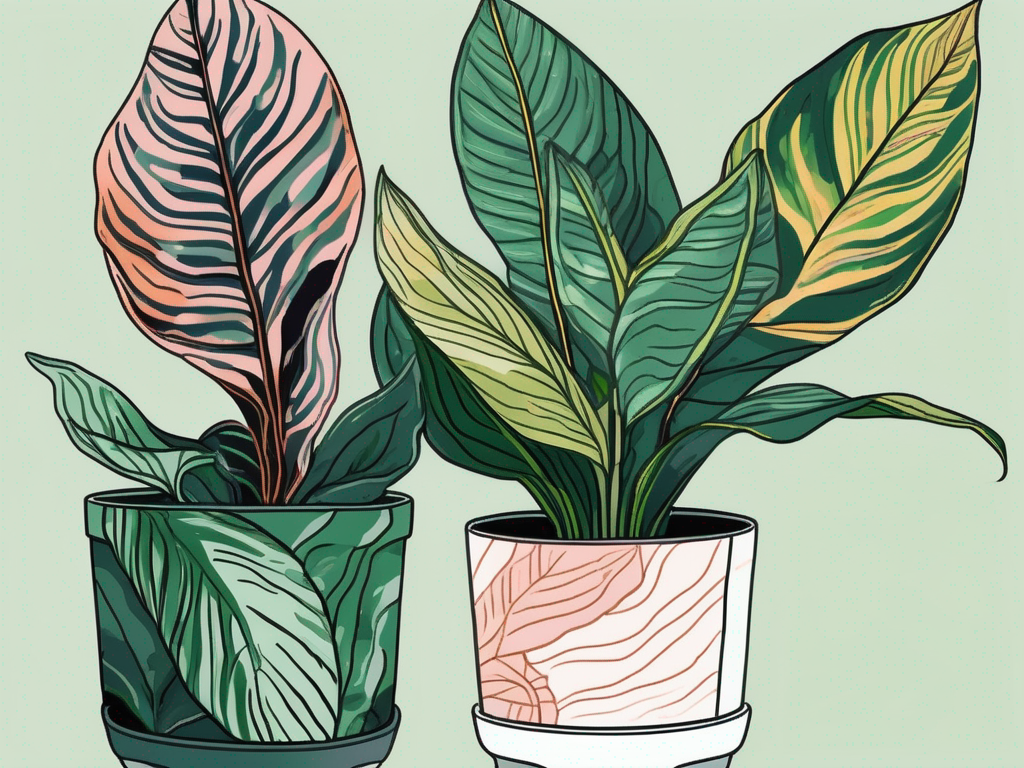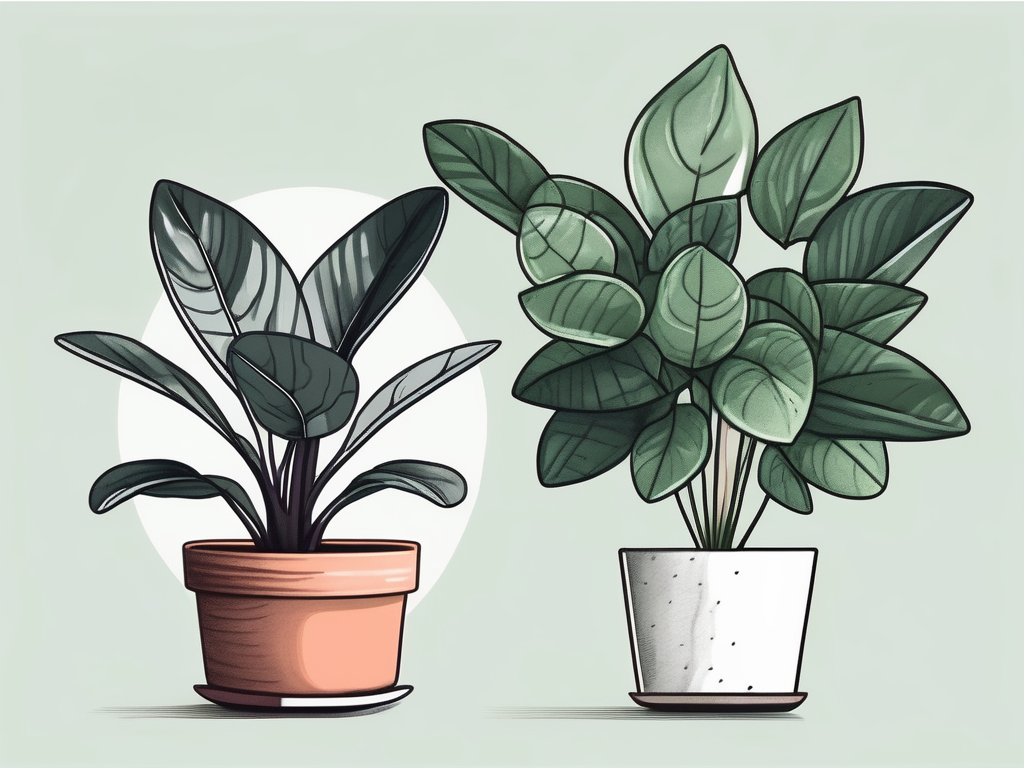
When it comes to houseplants, the choices can be overwhelming, especially if you’re trying to find the perfect greenery for your home. Two popular options that might catch your eye are the Rubber Tree and Peperomia. They both have unique characteristics that make them attractive to plant parents, but they’re quite different in their needs and appearance.
This article will guide you through the key differences between Rubber Trees and Peperomias, covering everything from care requirements to interior design tips. By the end, you'll be able to decide which plant suits your lifestyle and decor best. Let's get started!
1. Botanical Backgrounds: Origins and Families
First, let's look at where these plants come from and their botanical families. The Rubber Tree, or Ficus elastica, hails from the tropics of Southeast Asia. It belongs to the Moraceae family, which includes other well-known plants like the Fiddle Leaf Fig. Rubber Trees are known for their large, glossy leaves and can grow into substantial indoor trees with the right care.
On the other hand, Peperomias belong to the Piperaceae family, a diverse group with over a thousand species. These plants are native to Central and South America, thriving in the understory of tropical forests. Peperomias are often smaller, making them ideal for compact spaces. They come in a variety of leaf shapes and colors, offering a lot of versatility for plant lovers.
Understanding these origins helps us grasp why they require different care and how they might fit into your home's aesthetic. Rubber Trees, with their dramatic presence, can become a focal point, while Peperomias add charm and variety with their unique foliage.
2. Visual Appeal: Size and Appearance
The Rubber Tree is known for its striking appearance, with large, leathery leaves that can be deep green, burgundy, or even variegated with cream and green. They can grow quite tall, often reaching heights of 6 to 10 feet indoors, making them perfect for filling vertical space.
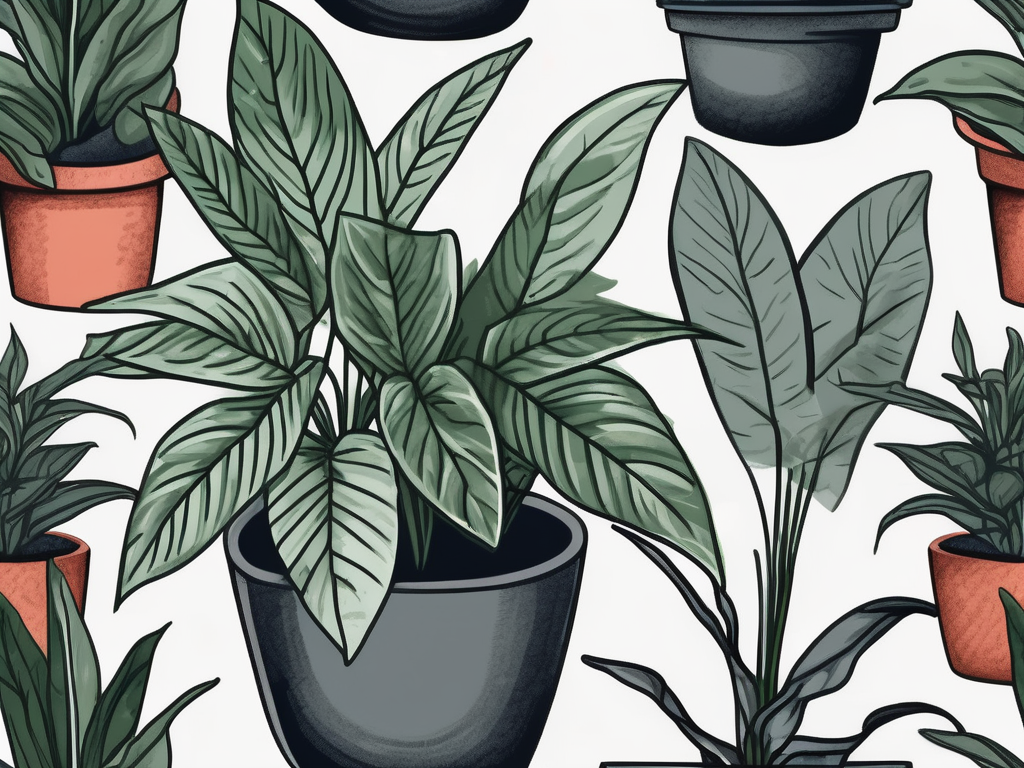
In contrast, Peperomias are usually more petite, topping out around 12 inches tall. Their leaves can be succulent-like, with a wide range of textures and colors. Some popular varieties include the Ripple Peperomia with its wavy leaves and the Watermelon Peperomia, which sports a pattern reminiscent of watermelon rind.
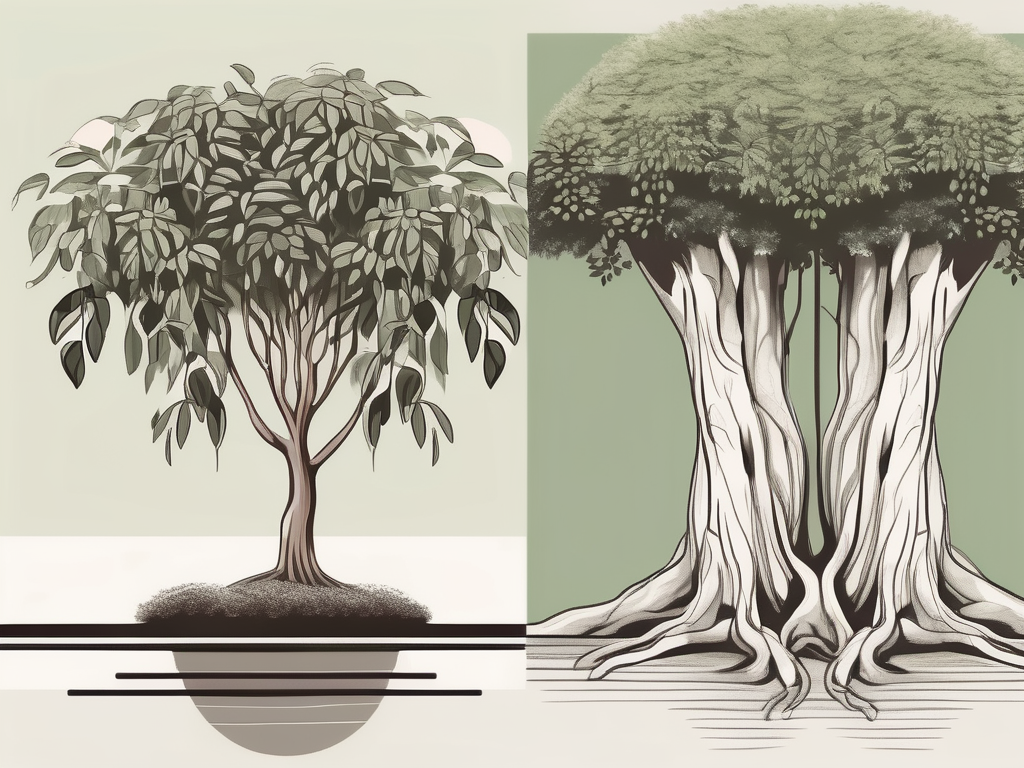
When choosing between the two, consider the size of your space and the statement you want to make. A Rubber Tree will command attention, while a Peperomia can add subtle interest to a tabletop or shelf.
3. Light Requirements: Finding the Right Spot
Light is a crucial factor for any plant, and understanding each plant's needs can make a big difference in their health. Rubber Trees prefer bright, indirect light. They can tolerate some direct sunlight, but too much can scorch their leaves. A spot near a window with filtered sunlight is ideal.
Peperomias, being understory plants, are more forgiving. They thrive in medium to bright indirect light but can also tolerate lower light conditions. This flexibility makes them great for rooms with less natural light, like bathrooms or north-facing spaces.
Choosing the right spot for your plant is essential for its growth and well-being. Keep in mind that while Rubber Trees need a bit more light, Peperomias can adapt to a variety of lighting situations.
4. Watering Needs: Striking the Right Balance
Watering can be a tricky aspect of plant care, but knowing your plant's needs can simplify the process. Rubber Trees prefer consistent moisture but do not like to sit in water. It's best to let the top inch of soil dry out before watering again. Overwatering can lead to root rot, so be cautious.
Peperomias, however, have different needs. They are more drought-tolerant thanks to their thicker leaves, which store water. Allow the soil to dry out completely between waterings. They are quite forgiving if you forget to water them occasionally, making them a good choice for those who might be a bit forgetful.
Remember, the key to watering is moderation. Both plants appreciate a bit of drying out between waterings, but the Rubber Tree requires a more regular schedule than Peperomia.
5. Soil Preferences: Getting the Mix Just Right
Choosing the right soil is vital for the health of your plants. Rubber Trees thrive in a well-draining potting mix rich in organic matter. A mix designed for indoor foliage plants is usually sufficient. Adding some perlite can improve drainage, preventing the roots from becoming waterlogged.
Peperomias prefer a lighter mix, often a cactus or succulent blend, which drains quickly. You can also create your mix by combining equal parts potting soil, perlite, and orchid bark. This ensures the soil doesn't retain too much moisture, which can be harmful to Peperomias.
Having the right soil mix not only supports healthy growth but also reduces the chances of overwatering. Tailor the soil to each plant's needs to keep them thriving.
6. Temperature and Humidity: Creating the Perfect Environment
Both Rubber Trees and Peperomias enjoy warm environments, reflecting their tropical origins. Rubber Trees prefer temperatures between 65-85°F. They also appreciate higher humidity levels, which can be achieved with a humidifier or by placing a tray of water nearby.
Peperomias are a bit more adaptable. They thrive in temperatures of 60-80°F and aren't as fussy about humidity. However, they do benefit from occasional misting, especially in drier environments.
For both plants, avoid cold drafts and sudden temperature changes, as these can stress them out. Keeping them in a consistent environment will encourage healthy growth.
7. Pests and Problems: Keeping Your Plants Healthy
Like all houseplants, Rubber Trees and Peperomias can encounter pests and other issues. Rubber Trees are sometimes visited by common pests like spider mites, mealybugs, and scale. Regularly wiping their leaves with a damp cloth can help prevent infestations, as can using insecticidal soap if necessary.
Peperomias are generally less prone to pests, but they can occasionally attract fungus gnats if the soil stays too wet. Allowing the soil to dry out between waterings usually keeps this problem at bay.
Inspect your plants regularly and address any issues promptly. Healthy plants are less likely to suffer from pests, so proper care is the best prevention.
8. Styling Your Space: Incorporating Rubber Trees and Peperomias
Now for the fun part—how to style these plants in your home! Rubber Trees, with their bold leaves, make a great statement piece in a living room or office. Pair them with mid-century modern furniture for a classic look, or let them stand alone in a minimalist space.
Peperomias, with their variety of colors and textures, are fantastic for adding interest to smaller spaces. They’re great for desktops, shelves, or grouped with other plants for a mini indoor garden. Their compact size and unique foliage can complement many different decor styles.
Think about the vibe you want to create in your space. Whether it’s bold and dramatic or subtle and diverse, both plants have a lot to offer in terms of aesthetics.
9. Propagation: Growing Your Collection
If you're looking to expand your plant collection, both Rubber Trees and Peperomias can be propagated, though the methods differ. Rubber Trees are typically propagated through stem cuttings. Take a cutting with several leaves, allow the cut end to dry for a day, and then place it in water or directly in soil until roots develop.
Peperomias can be propagated via leaf cuttings. Simply cut a healthy leaf with a bit of stem and place it in water or soil. New growth should appear in a few weeks. This method makes it easy to share plants with friends or create a larger collection at home.
Propagation not only grows your collection but also lets you share the joy of plant care with others. It’s a rewarding process that connects you more deeply with your plants.
Final Thoughts
Choosing between a Rubber Tree and a Peperomia depends on your space, light, and care preferences. Rubber Trees make a bold statement with their large leaves and height, while Peperomias offer variety and adaptability in smaller spaces. Both bring a touch of nature indoors, enhancing any room's aesthetic.
At Cafe Planta, we’re here to support your plant journey. Whether you're looking for a new addition to your collection or need care tips, we’re happy to help. Reach out via email or connect with us on Instagram. We believe in the power of plants to inspire and connect, and we’re excited to share our passion with you.