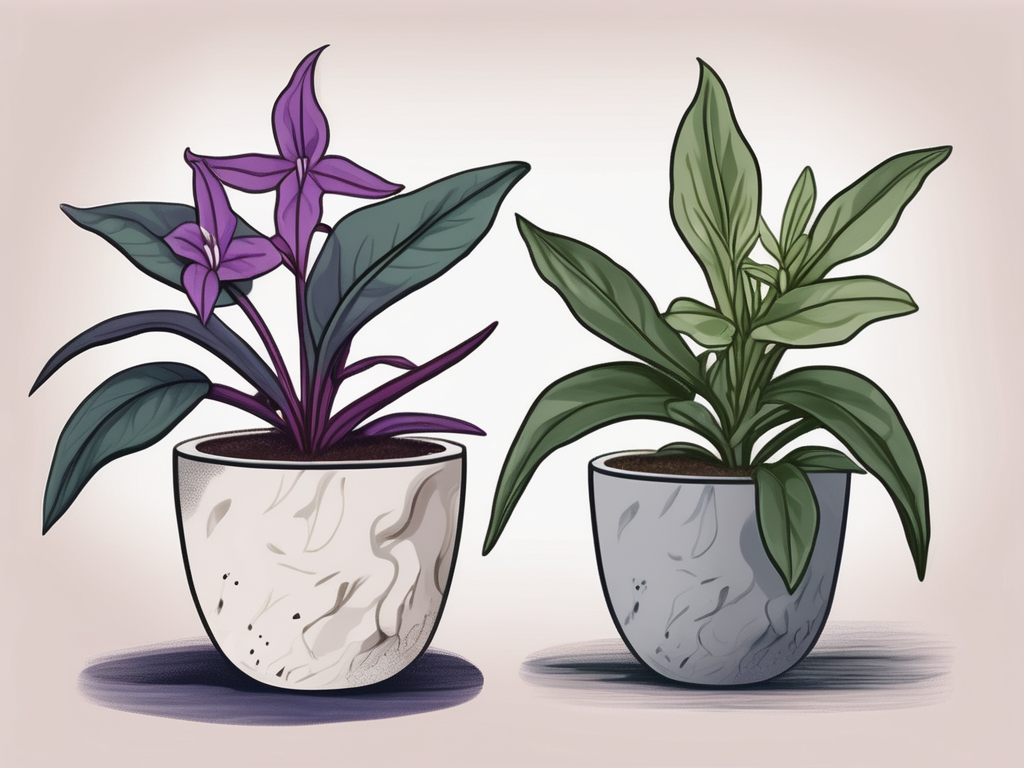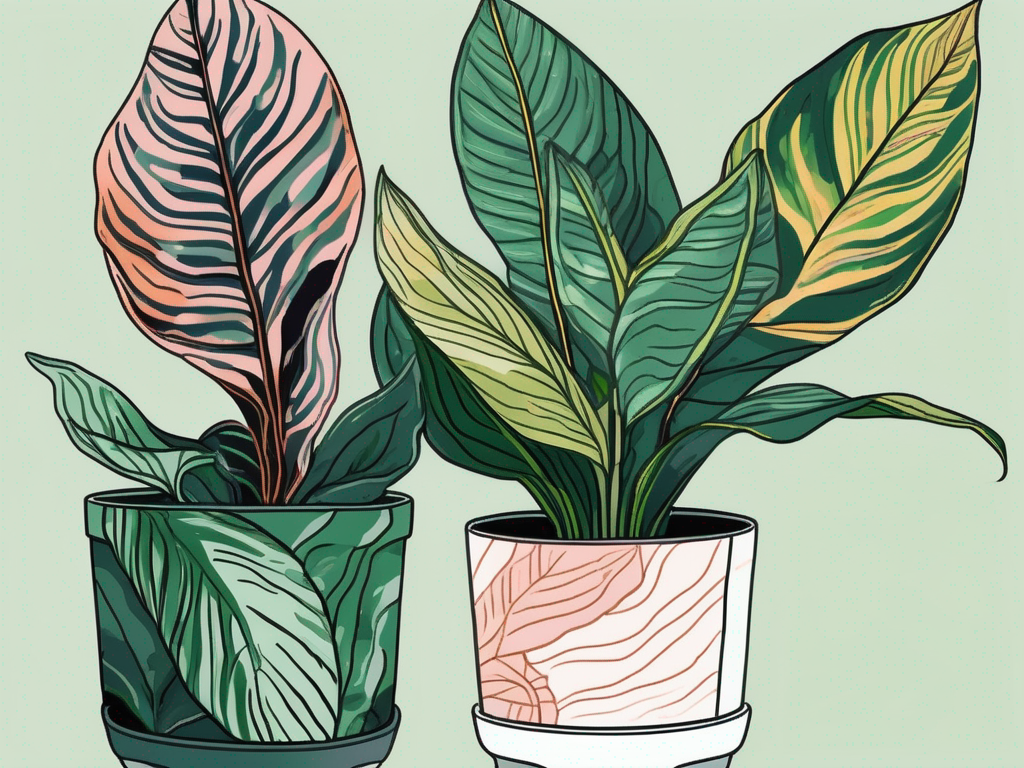
When it comes to houseplants, the Snake Plant and the Rattlesnake Plant often catch the eye of both novice and seasoned plant people. They sound similar, but these two plants are quite different in their appearance and care requirements. If you're trying to decide which one to add to your collection, understanding their distinctions can help you make an informed choice.
In this article, we'll take a closer look at the Snake Plant and the Rattlesnake Plant, comparing their characteristics, care needs, and how they can fit into your home decor. By the end, you'll have a clear idea of which plant might be the best fit for your living space and lifestyle.
Getting to Know the Snake Plant
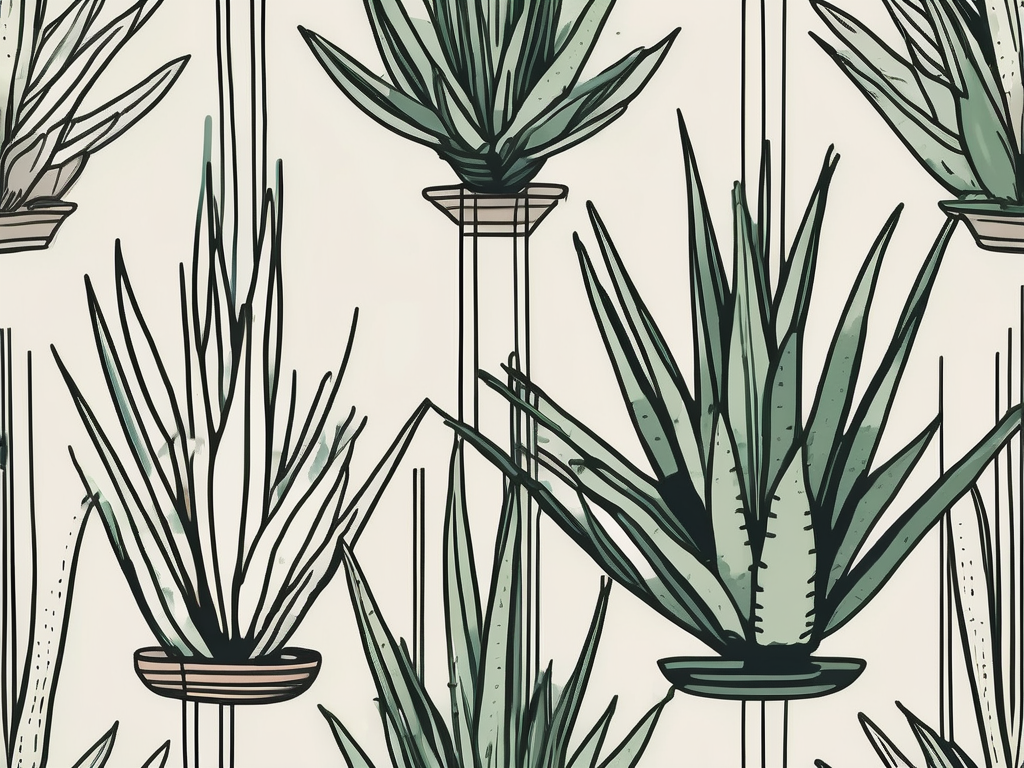
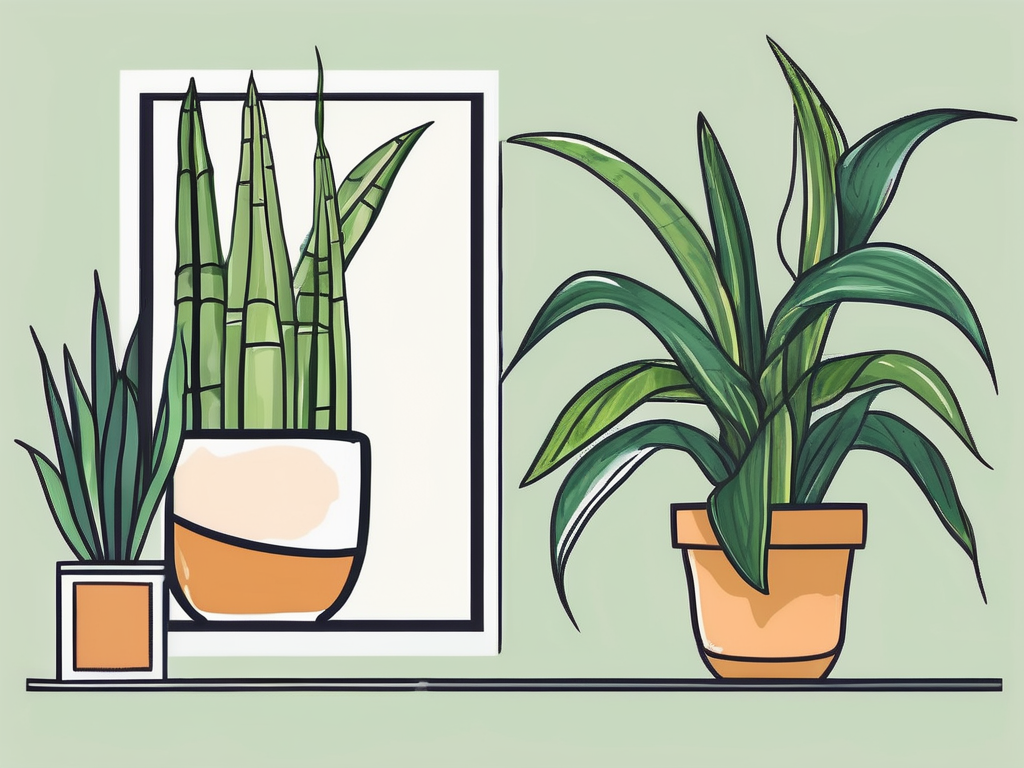
The Snake Plant, also known as Sansevieria or Dracaena trifasciata, is a popular choice among plant lovers for its striking looks and reputation as a low-maintenance houseplant. With its upright, sword-like leaves that often feature yellow or white edges, this plant can make a bold statement in any room.
One of the reasons the Snake Plant is so beloved is its resilience. It's famously known as a great starter plant because it can survive a range of conditions. Whether you have a sunny window or a dim corner to fill, the Snake Plant adapts. It can tolerate low light levels, though bright, indirect light is ideal for optimal growth.
Watering is another area where the Snake Plant shows its forgiving nature. Thanks to its succulent-like leaves, it stores water and can go weeks without a drink. Overwatering is one of the few things that can cause problems, so it's important to let the soil dry out completely between waterings. This makes it perfect for anyone with a busy schedule or those who tend to forget about their plants from time to time.
In addition to its striking appearance and easy care, the Snake Plant also offers air-purifying benefits. It's known to filter out toxins like formaldehyde and benzene, making it a healthy addition to your home.
Discovering the Rattlesnake Plant
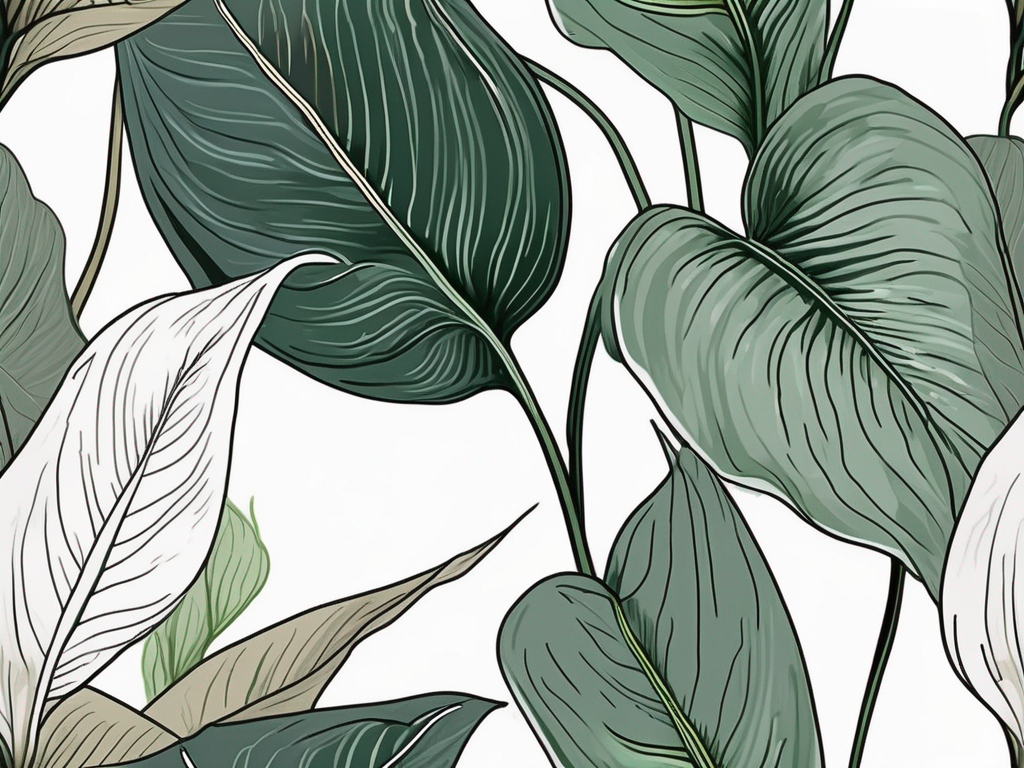
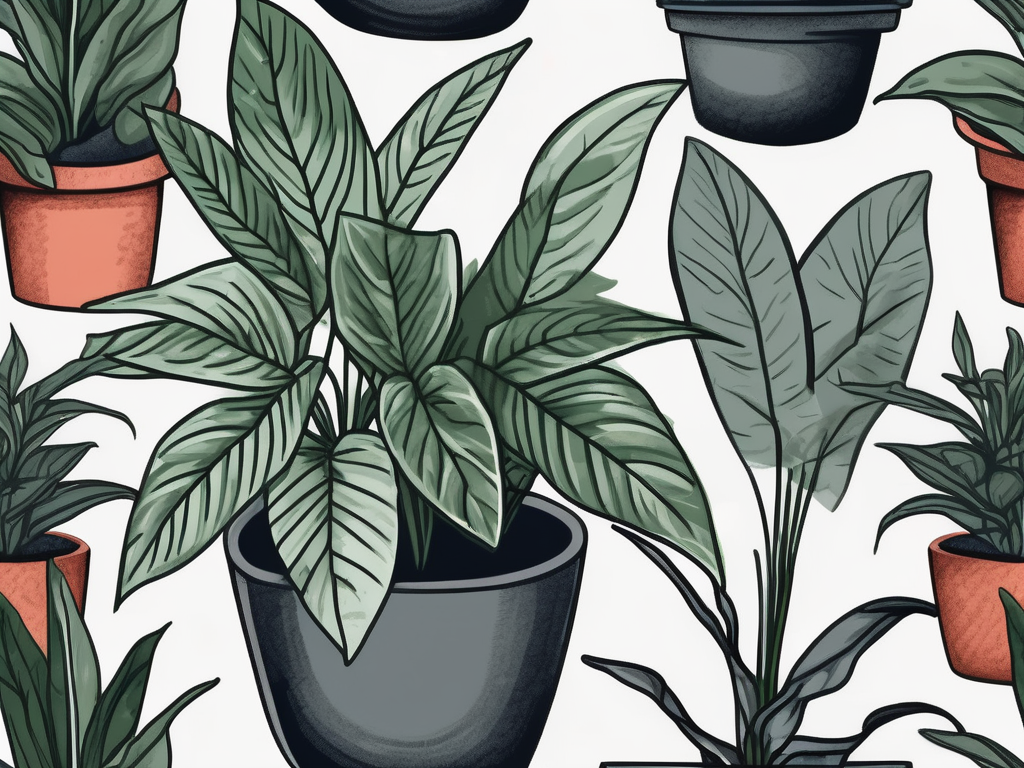
The Rattlesnake Plant, on the other hand, is a member of the Calathea family, known for its beautifully patterned foliage. Its scientific name is Calathea lancifolia. Unlike the Snake Plant's upright leaves, the Rattlesnake Plant boasts long, wavy leaves adorned with deep green spots on a lighter green background, resembling the pattern of a rattlesnake's skin.
This plant is a bit more of a diva compared to the Snake Plant. It thrives in conditions that mimic its natural rainforest habitat, so it prefers higher humidity levels and needs more attention when it comes to watering. The Rattlesnake Plant likes its soil to be consistently moist but not soggy. This means regular watering is essential, and it’s wise to check the soil and adjust watering frequency based on your home's conditions.
Lighting is another key factor in the care of the Rattlesnake Plant. It prefers bright, indirect light, as direct sunlight can scorch its leaves. If you notice the leaves curling or the colors fading, it might be getting too much sun. A spot with filtered light or a few feet away from a window often works best.
While the Rattlesnake Plant may require more attention, its stunning foliage and the way its leaves move with the light (a phenomenon known as nyctinasty) make it a rewarding plant for those who enjoy a bit of a challenge. Plus, like the Snake Plant, it also contributes to purifying the air in your home.
Comparing Their Care Needs
When comparing the care needs of the Snake Plant and the Rattlesnake Plant, it’s clear they cater to different levels of plant parenting. Understanding these needs will help you decide which plant might be more suited to your lifestyle and home environment.
Light:
- Snake Plant: Adapts well to a range of light conditions, from low light to bright, indirect sunlight. However, avoid direct, harsh sunlight.
- Rattlesnake Plant: Prefers bright, indirect light. Direct sunlight can damage the leaves, so a shaded spot is ideal.
Watering:
- Snake Plant: Requires less frequent watering. Let the soil dry out completely between waterings to prevent root rot.
- Rattlesnake Plant: Needs consistent moisture. Water regularly to keep the soil evenly moist, but avoid waterlogging.
Humidity:
- Snake Plant: Tolerates average household humidity well.
- Rattlesnake Plant: Prefers higher humidity levels, mimicking its natural rainforest environment. Consider using a humidifier or placing it on a pebble tray.
As you can see, the Rattlesnake Plant requires more attention, particularly with humidity and watering, while the Snake Plant is much more forgiving and low-maintenance. Consider these factors carefully based on how much time and effort you’re willing to spend on plant care.
Choosing the Right Soil
The type of soil you choose for your plants can significantly affect their health and growth. Both the Snake Plant and the Rattlesnake Plant have specific soil needs that align with their natural habitats.
Snake Plant:
The Snake Plant does well in a well-draining soil mix. A cactus or succulent mix works perfectly, as it prevents water from accumulating around the roots, reducing the risk of root rot. You can also make your own mix by combining potting soil with sand or perlite to improve drainage.
Rattlesnake Plant:
The Rattlesnake Plant prefers a rich, well-draining potting mix. A mixture of peat, pine bark, and perlite can provide the right balance of moisture retention and drainage. You might also consider adding a bit of compost to enrich the soil with nutrients. Ensuring proper drainage is vital, as standing water can lead to root rot.
Using the right soil mix helps support the growth of your plants and minimizes potential issues related to overwatering or poor drainage. It’s a small step that makes a big difference in the long run.
Dealing with Pests and Problems
Even the most robust plants can sometimes face challenges from pests and diseases. Both the Snake Plant and the Rattlesnake Plant have their own sets of potential issues, but with a bit of vigilance, you can keep them healthy and thriving.
Snake Plant:
While generally resistant to pests, the Snake Plant can occasionally attract mealybugs and spider mites. These pests can be wiped away with a damp cloth or treated with insecticidal soap. Overwatering is a more common issue, leading to root rot. Keeping an eye on your watering schedule and ensuring the soil dries out between waterings can prevent this.
Rattlesnake Plant:
The Rattlesnake Plant is more susceptible to pests like spider mites, aphids, and scale insects. Regularly inspecting the leaves and using neem oil or insecticidal soap can help manage these pests. This plant is also sensitive to water quality, so using distilled or rainwater can prevent leaf tip burn caused by fluoride and salts in tap water.
Monitoring your plants regularly and taking prompt action at the first sign of trouble can help prevent minor issues from becoming major problems. Remember, a little preventive care goes a long way.
Incorporating Them into Your Home Decor
When it comes to interior design, the right plant can enhance your space and reflect your personal style. Both the Snake Plant and the Rattlesnake Plant offer unique aesthetic qualities that can complement a variety of home decor styles.
Snake Plant:
The Snake Plant's tall, architectural form makes it a great choice for minimalist or modern interiors. It's striking enough to stand alone as a focal point, yet versatile enough to blend seamlessly with a group of other plants. Consider placing it in a sleek, modern planter to highlight its bold lines.
Rattlesnake Plant:
The Rattlesnake Plant's vibrant and patterned leaves can add a touch of whimsy and color to your decor. Its lush foliage works wonderfully in bohemian or eclectic spaces. Pair it with a decorative pot that complements its green and burgundy hues for a cohesive look.
Whether you're looking to create a serene, minimalist vibe or a lively, colorful space, either plant can be a wonderful addition. Think about your overall design goals and the mood you want to create when choosing which plant to bring home.
Environmental Considerations
Thinking about the environmental impact of your plant choices can be an important part of responsible plant parenting. Both the Snake Plant and the Rattlesnake Plant offer benefits, but they also have specific environmental needs that can influence your decision.
The Snake Plant is a champ at improving indoor air quality. It absorbs toxins and releases oxygen, making it a great choice for bedrooms and living areas. Its resilience also means it doesn’t need frequent repotting, which can reduce the resources required for its upkeep.
The Rattlesnake Plant, while also purifying air, requires more resources in terms of water and humidity. If you live in a dry area, you might need a humidifier to keep it happy, which can increase energy use. However, its ability to thrive in environments with filtered light makes it a good option for homes where direct sunlight is scarce.
Balancing your desire for beautiful plants with an awareness of their environmental impact can lead to more sustainable choices. Consider how each plant fits into your existing lifestyle and resources before making a decision.
Final Thoughts
Choosing between a Snake Plant and a Rattlesnake Plant ultimately comes down to your personal preferences and care capabilities. The Snake Plant offers ease and versatility, while the Rattlesnake Plant brings a touch of beauty and requires more attentive care. Both can thrive in the right conditions and add unique charm to your home.
At Cafe Planta, we’re passionate about helping you find the perfect plant for your home. Whether you're looking for advice on plant care or want to explore our selection of houseplants and accessories, we're here to help. Feel free to email us with any questions or connect with us on Instagram. Let's grow together and cultivate a beautiful, plant-filled space!