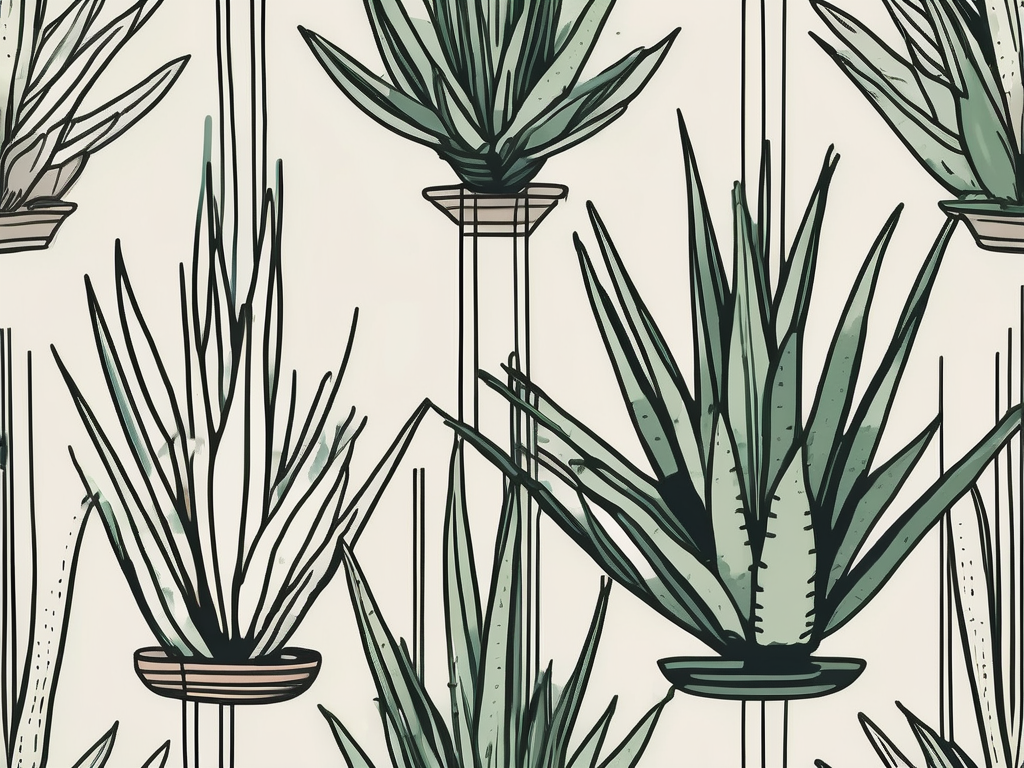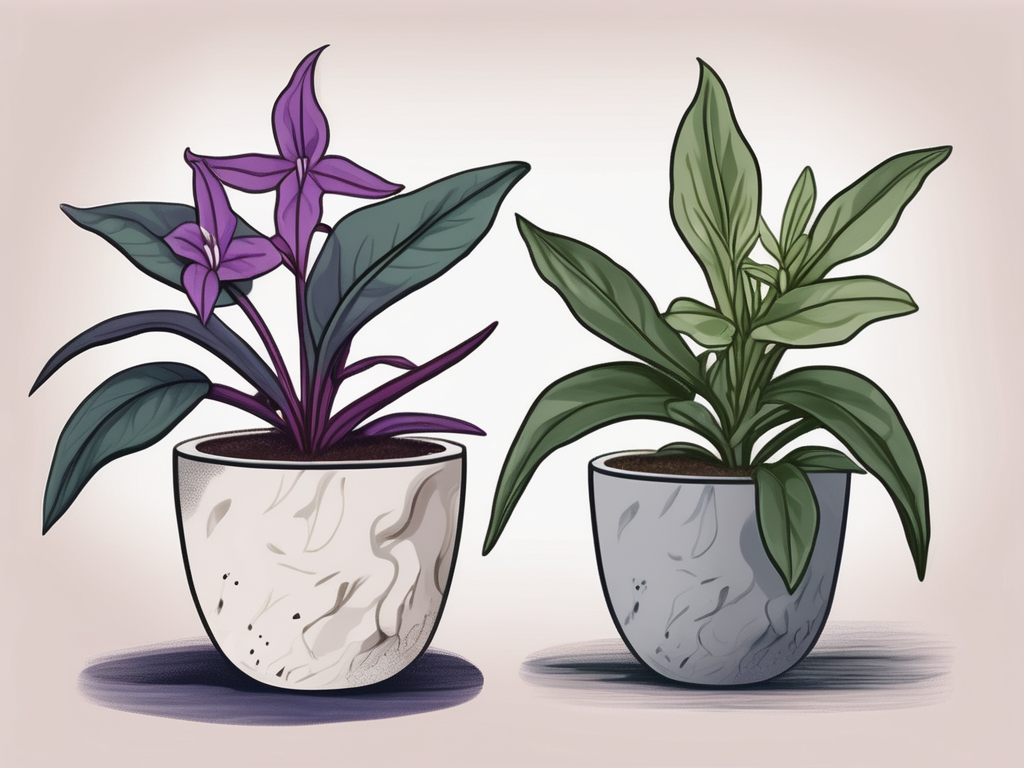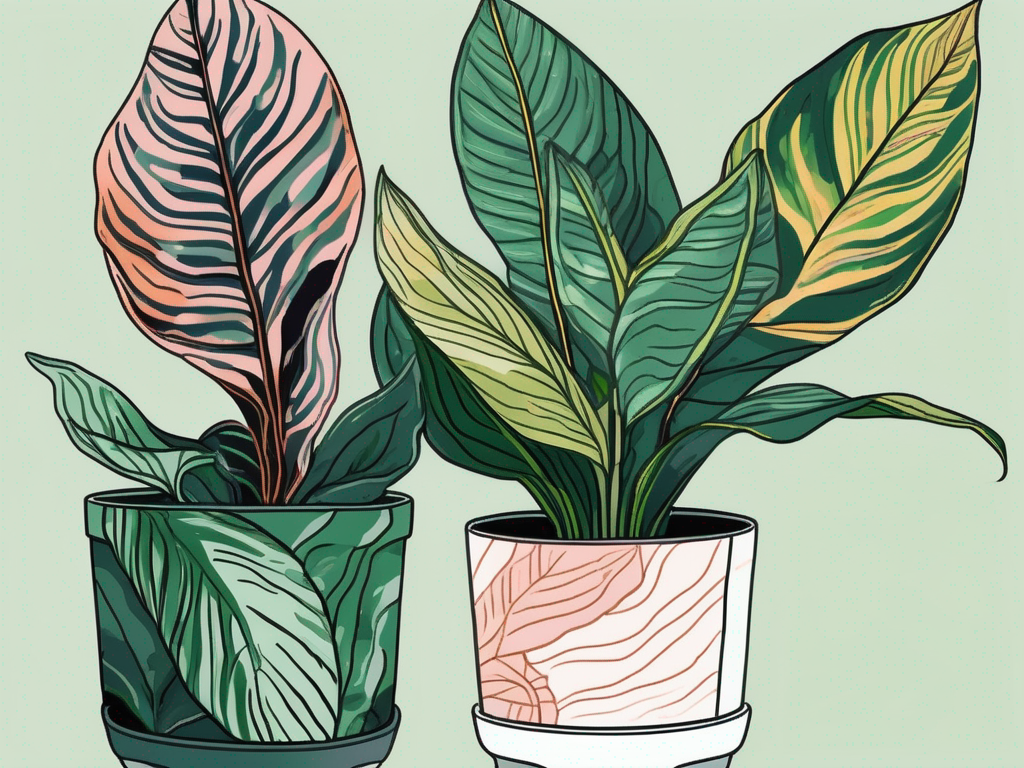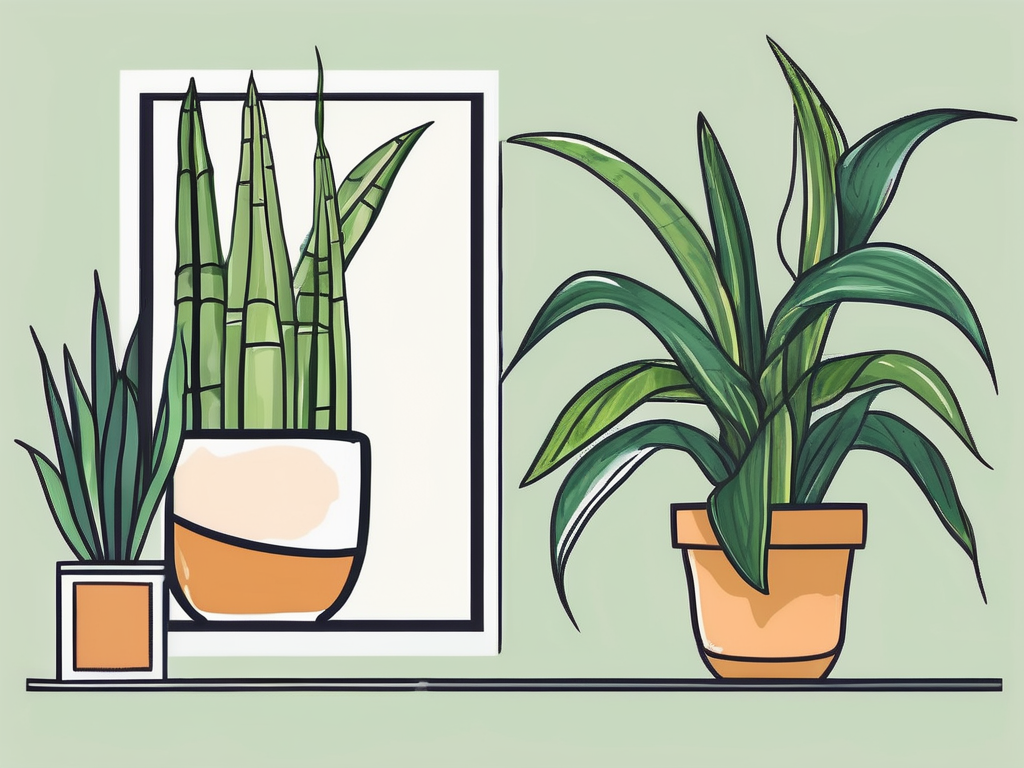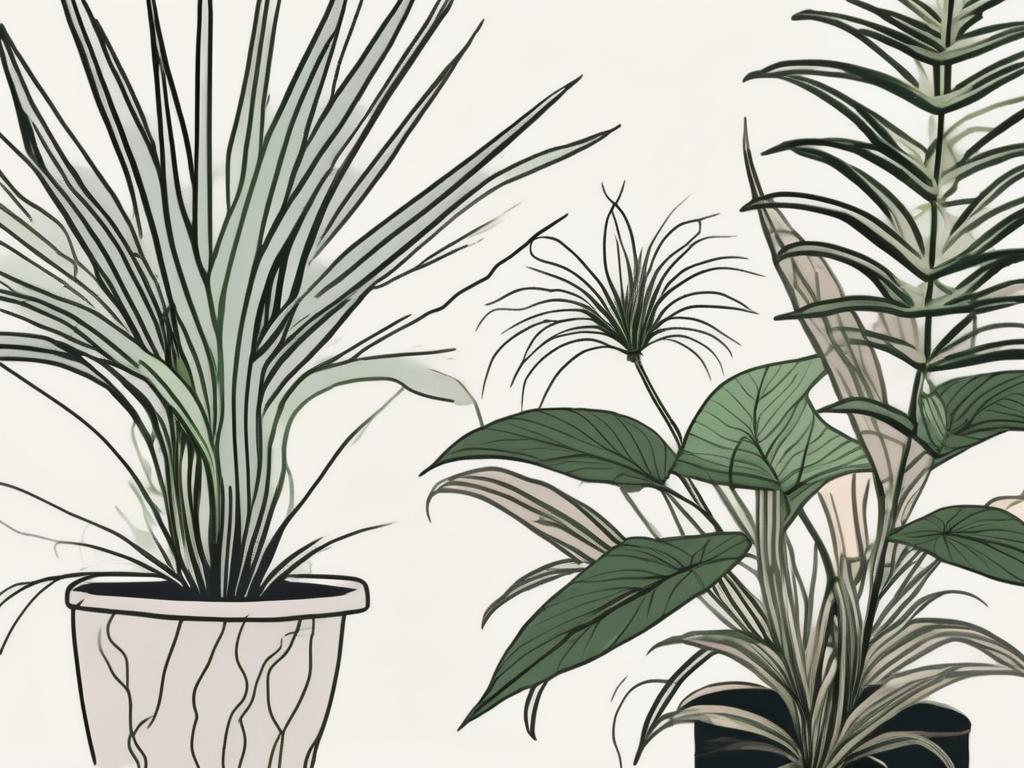
The Song of India and the Spider Plant are two popular houseplants that often catch the eye of both novice and experienced plant lovers. Their unique appearances and relatively easy care requirements make them great choices for anyone looking to add a touch of green to their home.
In this article, we’re going to take a closer look at these two plants, highlighting their differences, care requirements, and how they can complement your interior design. Whether you’re trying to choose between them or planning to add both to your collection, this guide will help you make an informed decision.
Meet the Song of India Plant
The Song of India plant, also known as Dracaena reflexa, is a striking houseplant known for its vibrant green and yellow-striped leaves. Native to Madagascar and other Indian Ocean islands, it brings a touch of tropical flair to any space. The plant’s bushy, upright growth habit makes it a popular choice for adding vertical interest.
One of the great things about the Song of India is its adaptability. It can thrive in a variety of lighting conditions, though it prefers bright, indirect sunlight. This makes it perfect for spots where direct sunlight is limited. However, too little light can cause the colors to fade, so a balance is key.
In terms of care, the Song of India is known for its low-maintenance nature. It doesn’t need frequent watering – just enough to keep the soil slightly moist. Overwatering can lead to root rot, so it’s better to err on the side of dryness. The plant also appreciates a bit of humidity, which can be achieved by misting the leaves occasionally.
Getting to Know the Spider Plant
The Spider Plant, or Chlorophytum comosum, is another favorite among houseplant enthusiasts. Its long, arching leaves and ability to produce offshoots or “babies” make it a fun and dynamic addition to any plant collection. Originating from South Africa, this plant is tough and adaptable, thriving in a range of conditions.
Spider Plants are incredibly forgiving, making them ideal for beginners. They tolerate a wide range of light conditions, though they do best in bright, indirect light. An interesting trait of the Spider Plant is its ability to purify the air, removing toxins like formaldehyde and xylene. This makes it a great choice for improving indoor air quality.
When it comes to watering, the Spider Plant is quite forgiving. It enjoys a good soak but also prefers the soil to dry out between waterings. This plant is also not too fussy about humidity levels, though it will appreciate a little extra moisture in drier conditions.
Comparing Their Growth Habits
When choosing between the Song of India and the Spider Plant, considering their growth habits can be helpful. The Song of India grows in an upright manner, making it ideal for adding height and structure to a plant arrangement. Its leaves are dense and bushy, giving it a full appearance.
In contrast, the Spider Plant has a more sprawling growth habit, with its long, narrow leaves arching gracefully outwards. This plant’s ability to produce “babies” or plantlets on long stems adds an extra dimension to its growth pattern. These babies can be left on the mother plant for a cascading effect or removed and propagated to start new plants.
Both plants can be grown in pots or hanging baskets, but their differing growth habits mean they can complement each other well in a mixed display. The upright Song of India can provide a backdrop or central focus, while the trailing Spider Plant adds a softer, cascading effect.
Lighting Needs: Bright vs. Versatile
Lighting is a crucial factor in plant care, and understanding the needs of the Song of India and Spider Plant can help you place them in the right spot. The Song of India thrives in bright, indirect light. It can tolerate some direct sun, but too much can scorch its leaves. If the light is too low, you might notice the vibrant leaf colors fading.
The Spider Plant, on the other hand, is more adaptable when it comes to light. It can handle anything from low to bright, indirect light, making it a great choice for rooms with varying light conditions. However, it’s worth noting that it will produce more plantlets and have more vibrant leaf colors when it gets enough light.
If you’re looking to pair these two plants in your home, consider placing the Song of India near a window where it can soak up the light, and the Spider Plant in a spot that receives a bit less direct sun. This way, both plants can thrive and show off their best colors.
Watering Requirements: Finding Balance
Watering can be one of the trickier aspects of plant care, but both the Song of India and the Spider Plant have relatively straightforward needs. The Song of India prefers its soil to be kept slightly moist, but it’s important not to overwater. Let the top inch or so of soil dry out between waterings to avoid root rot.
The Spider Plant is similarly undemanding when it comes to watering. It enjoys a good drink but likes its soil to dry out a bit before the next watering. One thing to watch out for is the buildup of minerals and salts in the soil, which can cause the tips of the leaves to brown. Using distilled water or letting tap water sit out overnight can help mitigate this.
In summary, both plants appreciate a bit of attention when it comes to their watering needs, but neither requires a strict schedule. Checking the soil moisture and adjusting your watering routine based on the plant’s environment will help keep them both healthy and happy.
Fertilizing Your Plants
Fertilizing is an important part of keeping your plants healthy and promoting growth. The Song of India benefits from a balanced liquid fertilizer during the growing season, typically spring through summer. Fertilizing every four to six weeks can help maintain its vibrant leaf colors and encourage new growth.
The Spider Plant isn’t particularly demanding when it comes to fertilization, but it does appreciate a little boost during its active growing periods. A balanced, water-soluble fertilizer applied every month or so during spring and summer should suffice. Be careful not to over-fertilize, as this can lead to salt buildup in the soil and cause leaf tip burn.
As always, it’s a good idea to follow the instructions on your fertilizer’s packaging and adjust based on your plant’s individual needs. If your plants are thriving and showing healthy new growth, you’re likely doing just fine!
Pest and Disease Management
Like all houseplants, the Song of India and Spider Plant can occasionally fall prey to pests and diseases. The good news is that both plants are relatively resilient and don’t often encounter major issues.
For the Song of India, common pests include spider mites and mealybugs. Regularly inspecting your plant and wiping down its leaves can help prevent infestations. If you do notice pests, a gentle insecticidal soap or neem oil spray can usually take care of the problem.
The Spider Plant is also subject to occasional pest issues, particularly aphids and spider mites. Keeping the leaves clean and dust-free can help deter these pests. If you spot any unwanted visitors, a similar approach with insecticidal soap or neem oil should do the trick.
In terms of diseases, both plants can be affected by root rot if overwatered. Ensuring proper drainage and allowing the soil to dry between waterings can prevent this issue. It’s also important to watch for any signs of leaf discoloration or wilting, as these can be indicators of underlying problems.
Decorating with Song of India and Spider Plants
Incorporating plants into your home’s decor is a fantastic way to bring life and color to your space. The Song of India and Spider Plant each bring their own unique charm and can be used in various ways to enhance your interior design.
The Song of India’s upright, bushy form makes it a striking focal point. Place it in a decorative pot and let it stand proudly in a well-lit corner or as part of a plant grouping. Its vibrant leaves can add a pop of color to a neutral room and create a tropical feel.
The Spider Plant, with its cascading leaves and offshoots, is perfect for hanging baskets or elevated planters. It can add a soft, flowing element to your decor, and its air-purifying qualities make it ideal for bedrooms or living areas.
Combining these two plants can create a dynamic and visually interesting display. Use the Song of India for height and structure, and let the Spider Plant trail and fill in spaces. Together, they can transform any room into a lush, inviting environment.
Propagation: Growing New Plants
Propagation is a fun and rewarding way to expand your plant collection, and both the Song of India and Spider Plant offer opportunities to do just that.
For the Song of India, propagation is typically done through stem cuttings. Select a healthy stem and cut just below a node. Remove the lower leaves and place the cutting in water or moist soil. With a bit of patience, you’ll see roots forming, and soon you’ll have a new plant ready to pot.
The Spider Plant makes propagation even easier with its plantlets, or “babies.” These tiny replicas of the mother plant can be gently twisted off and placed in soil. Alternatively, you can leave them attached to the mother plant and place the plantlet in a pot of soil until it roots, then sever the connection.
Both methods of propagation allow you to share your plants with friends or simply enjoy more of these lovely species in your own home. It’s a great way to practice your green thumb and witness the miracle of plant growth.
Final Thoughts
In summary, both the Song of India and the Spider Plant bring their own unique beauty and charm to your home. By understanding their differences and care needs, you can enjoy thriving plants that enhance your living space. Whether you prefer the vibrant, upright growth of the Song of India or the cascading, dynamic nature of the Spider Plant, both offer wonderful opportunities for plant lovers.
At Cafe Planta, we’re passionate about helping you care for your plants. From a wide selection of houseplants to plant care accessories, we’ve got you covered. If you have any questions, feel free to email us or send a message on Instagram. We believe in the power of plants to connect and inspire, and we’re excited to be part of your plant journey.