Think you have a green thumb? Houseplants can be a wonderful way to bring life and color into your home, but they often come with their own set of challenges. The real question is: how well do you know your leafy companions? It's time to test your knowledge and skills with a fun and informative houseplant quiz!
This article will take you through various aspects of houseplant care, from selecting the right plants for your space to troubleshooting common issues. Whether you're a seasoned plant parent or just starting out, this quiz will help you discover more about your plant care abilities and maybe even teach you a thing or two along the way.
Understanding Your Living Space
Before diving into the world of houseplants, it's important to consider the environment they will be living in. Your home's lighting, temperature, and humidity levels will play a crucial role in determining which plants will thrive.
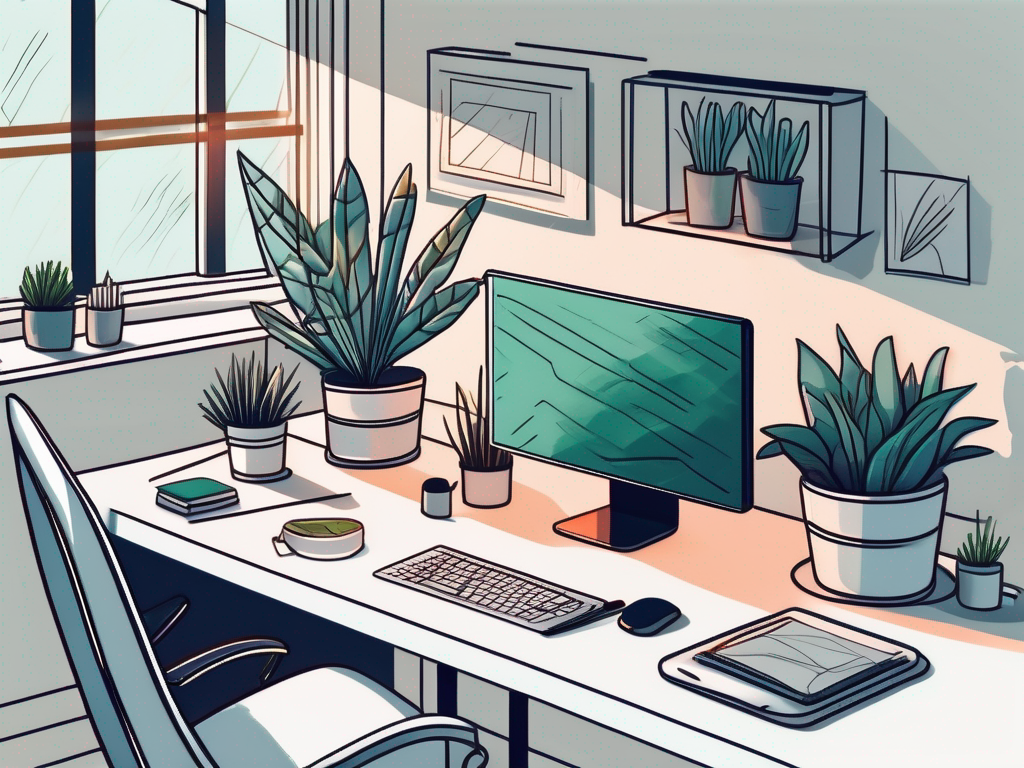
Start by assessing the natural light in your home. Do you have windows that face south, east, west, or north? South-facing windows generally receive the most light, while north-facing windows offer the least. East and west windows provide moderate light. Understanding this will help you choose plants that suit your space.
- Bright, direct light: Perfect for succulents and cacti.
- Bright, indirect light: Ideal for most tropical plants, like fiddle leaf figs and monsteras.
- Low light: Suited for shade-loving plants like snake plants and pothos.
Temperature and humidity are equally important. Most houseplants prefer temperatures between 65°F and 75°F and moderate humidity. If your home is on the dry side, consider using a humidifier, especially in winter.
Choosing the Right Plants
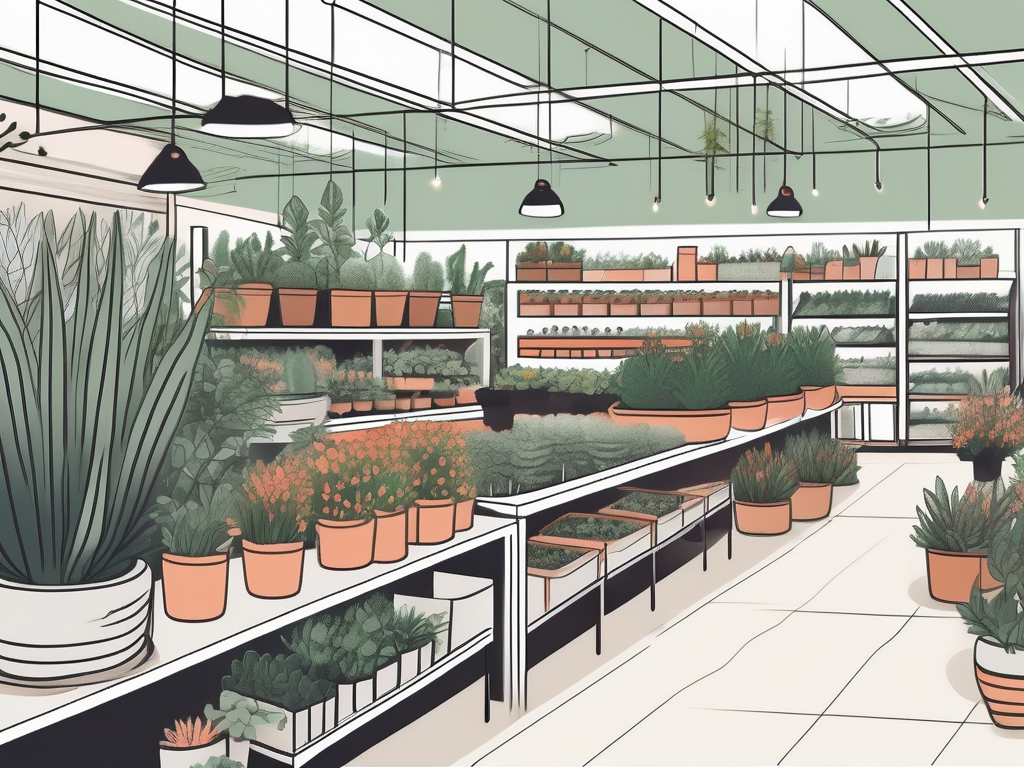
Once you understand your home's conditions, it's time to pick the right plants. This step is crucial for ensuring your plants don't just survive but thrive.
Consider your lifestyle and the level of care you can provide. Are you a frequent traveler? Opt for low-maintenance plants like succulents or ZZ plants that can handle a bit of neglect. If you're home often and enjoy daily interactions with your plants, high-maintenance beauties like orchids might be more your speed.
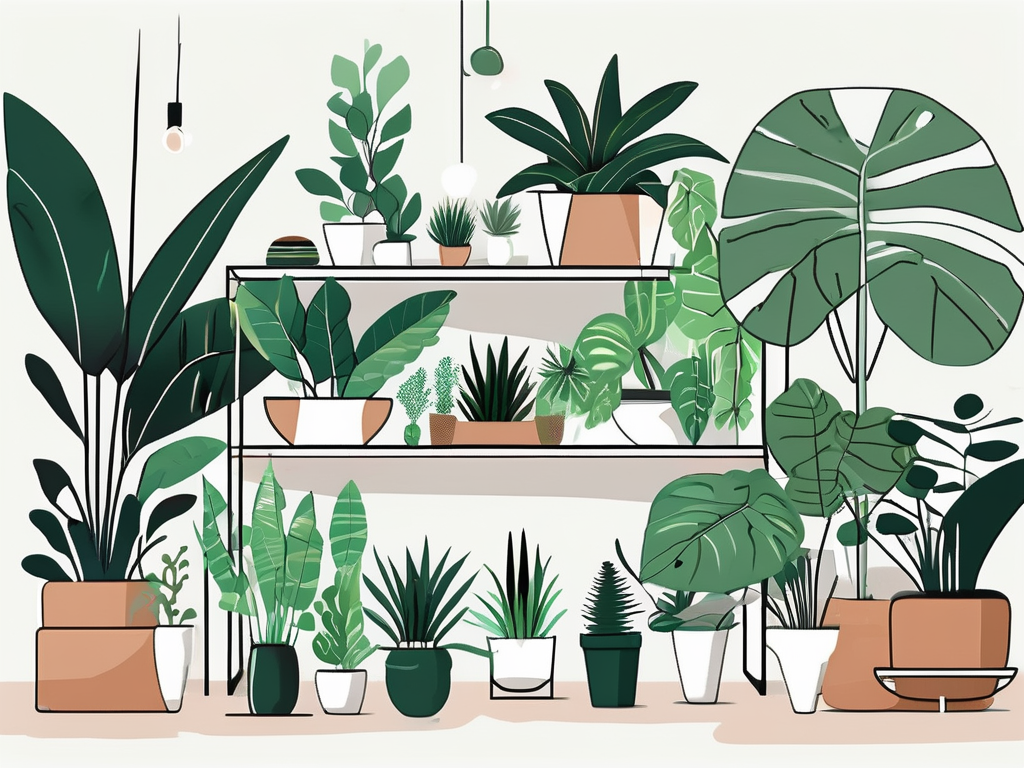
Also, think about the aesthetic you want to achieve. Do you want a lush, jungle-like feel, or are you going for a minimalist look? Here's a quick guide to match your style:
- Jungle vibes: Mix of tropical plants with large leaves, like monsteras and ferns.
- Modern minimalism: Sleek plants like snake plants and rubber trees.
- Eclectic mix: A variety of plants with different shapes and textures.
Remember, there's no one-size-fits-all when it comes to houseplants. Choose what makes you happy and fits your lifestyle.
The Importance of Potting and Soil
One of the biggest mistakes new plant parents make is not paying enough attention to potting and soil. The right pot and soil can make all the difference in how well your plants grow.
When it comes to pots, make sure they have drainage holes. This helps prevent overwatering, a common issue that can lead to root rot. If you fall in love with a pot without drainage, you can always use it as a decorative cover pot.
Selecting the right soil is equally important. Different plants have different needs:
- Cacti and succulents: Need well-draining soil with sand or perlite.
- Tropical plants: Prefer rich, organic soil that retains moisture.
- Orchids: Require a special bark-based mix for proper aeration.
Repotting is also a key part of plant care. As your plants grow, their roots need more space. Over time, soil can become compacted and lose its ability to drain properly. Repot every one to two years or when you see roots growing out of the drainage holes.
Watering Wisely
Watering is one of those things that sounds simple but can be tricky to get right. Too much water can drown your plants, while too little can leave them thirsty. Striking the right balance is key.
The golden rule is to check the soil before watering. Stick your finger about an inch into the soil. If it feels dry, it’s time to water. If it’s still moist, give it a few more days. Remember, overwatering is a more common issue than underwatering.
Here are a few watering tips:
- Use room temperature water: Cold water can shock plants.
- Water in the morning: This allows excess water to evaporate during the day.
- Consistency is key: Try to water your plants at the same time each week.
Every plant is different, so take some time to learn each one's needs. Some might need more frequent watering, while others prefer to dry out a bit between drinks.
Feeding Your Green Friends
Just like us, plants need nutrients to grow. While they get some from the soil, they often need a little extra boost from fertilizers.
Fertilizing can feel like a daunting task, but it doesn't have to be. Most houseplants benefit from a balanced liquid fertilizer during the growing season, usually spring and summer. You can find fertilizers specifically designed for certain types of plants, like orchids or succulents.
Here are some quick facts about fertilizing:
- Frequency: Generally, once a month is enough, but always follow the instructions on the fertilizer package.
- Type: Liquid fertilizers are easy to use and can be added to your watering routine.
- Signs of over-fertilization: Yellowing leaves or brown leaf tips can indicate too much fertilizer.
Remember, more isn’t always better. It’s easy to over-fertilize, which can harm your plants. When in doubt, err on the side of caution.
Dealing with Pests and Diseases
No one wants to deal with pests or diseases, but unfortunately, they’re part of the plant parenting journey. The good news is that with a little knowledge, you can tackle these issues effectively.
Common houseplant pests include spider mites, aphids, and mealybugs. They’re usually easy to spot and can often be managed with simple home remedies like insecticidal soap or neem oil.
Here's a quick pest management checklist:
- Inspect regularly: Catching pests early makes them easier to manage.
- Quarantine new plants: Keep new additions separate for a couple of weeks to ensure they’re pest-free.
- Clean leaves: Wipe leaves with a damp cloth to remove dust and pests.
Diseases like root rot or leaf spot often result from environmental issues like overwatering or poor air circulation. Address the root cause to prevent them from recurring.
Designing Your Plant Haven
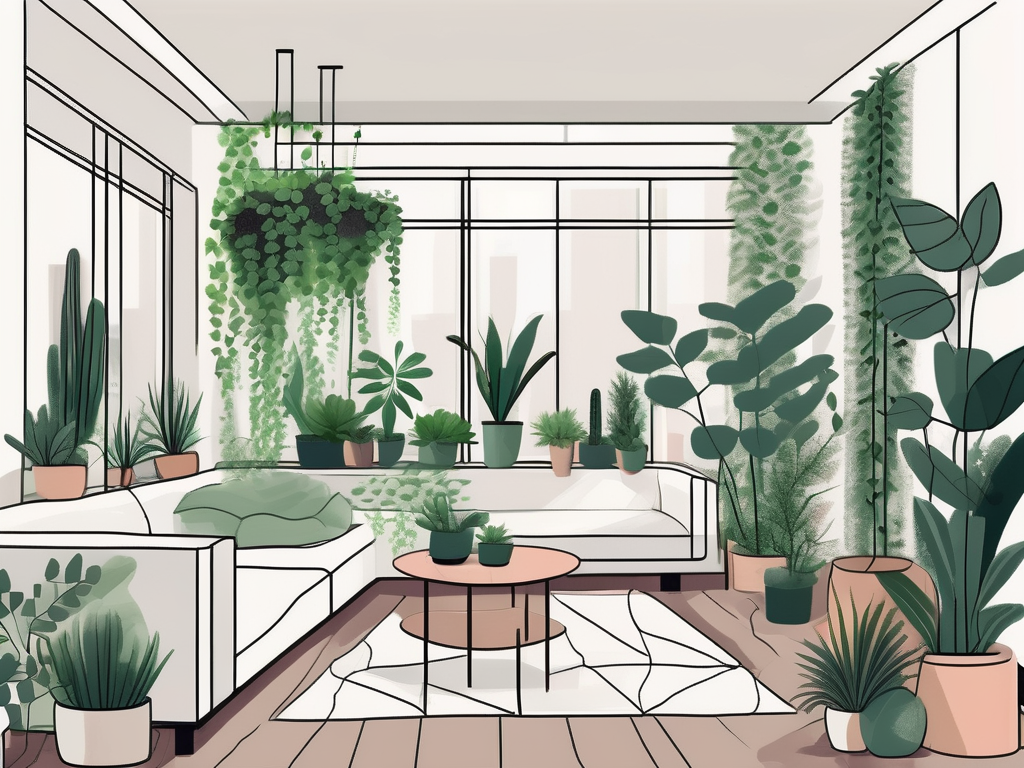
Once you have a handle on the basics, it's time to think about how your plants fit into your home's decor. Plants can be a beautiful addition, adding color, texture, and even improving air quality.
Consider the following when designing your plant space:
- Height and texture: Mix different heights and textures for visual interest.
- Grouping: Group plants with similar needs together for easier care.
- Containers: Choose pots that complement your interior style.
Don’t be afraid to get creative. Use shelves, plant stands, or hangers to display your plants. Remember, your plant collection is an extension of your personal style, so let it reflect who you are.
Taking the Quiz
Now that you’ve absorbed all this plant knowledge, it’s time to put it to the test. A houseplant quiz can be a fun way to challenge yourself and see how much you really know about plant care.
The quiz will cover various topics, including identifying plant species, understanding care requirements, and troubleshooting common issues. It’s not just about testing your knowledge, but also about learning more and improving your plant parenting skills.
So grab a cup of coffee, sit back, and enjoy the challenge. You might surprise yourself with how much you've learned!
Final Thoughts
We've covered a lot of ground today, from choosing the right plants to creating a beautiful indoor garden. Remember, plant care is a journey, and it's okay to learn as you go. Every plant parent has their own style and preferences, and that's what makes it special.
At Cafe Planta, we're passionate about helping you cultivate your love of plants. Whether you're looking for new leafy friends or need advice on plant care, we're here for you. Feel free to reach out via email, follow us on Instagram, or visit us online. Let's grow together!