Hoya leaves have a certain charm that makes them a favorite among plant lovers. With their thick, waxy texture and unique shapes, they not only add beauty to any space but also bring several benefits to the table. Whether you're a seasoned plant parent or just starting your journey, Hoyas are definitely worth considering for your indoor garden.
This article will cover everything from the aesthetic appeal of Hoya leaves to their practical benefits, like improving air quality and being low maintenance. We'll also share some tips on how to care for these lovely plants and use them in your home decor. Let's get started!
The Aesthetic Appeal of Hoya Leaves
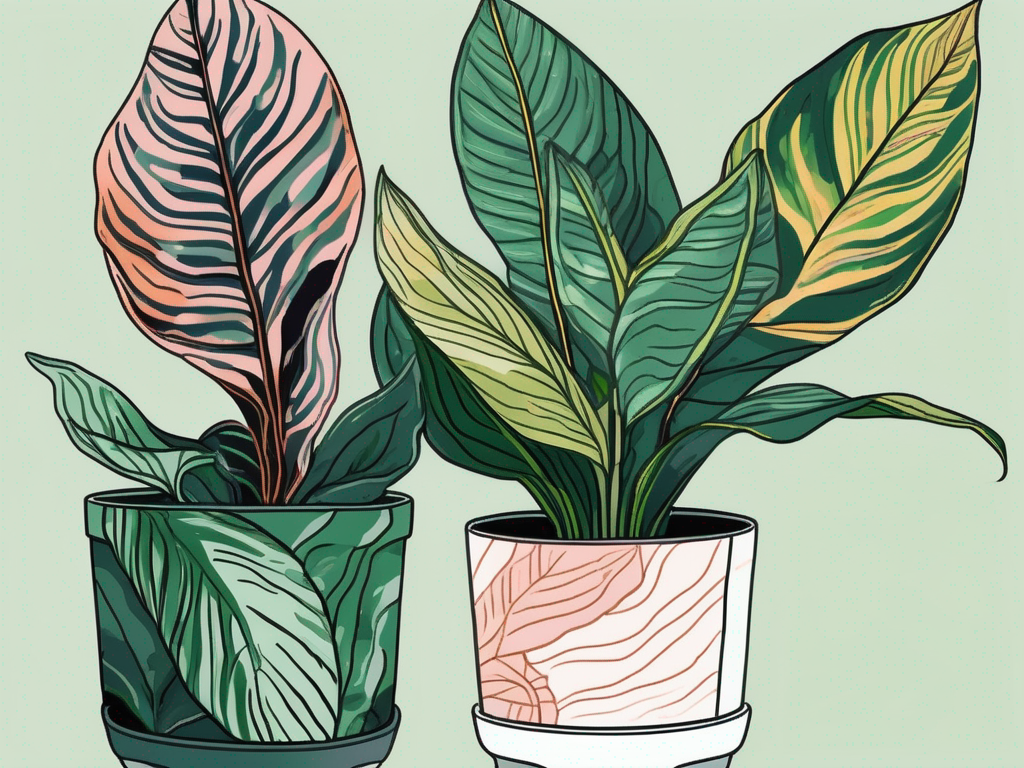
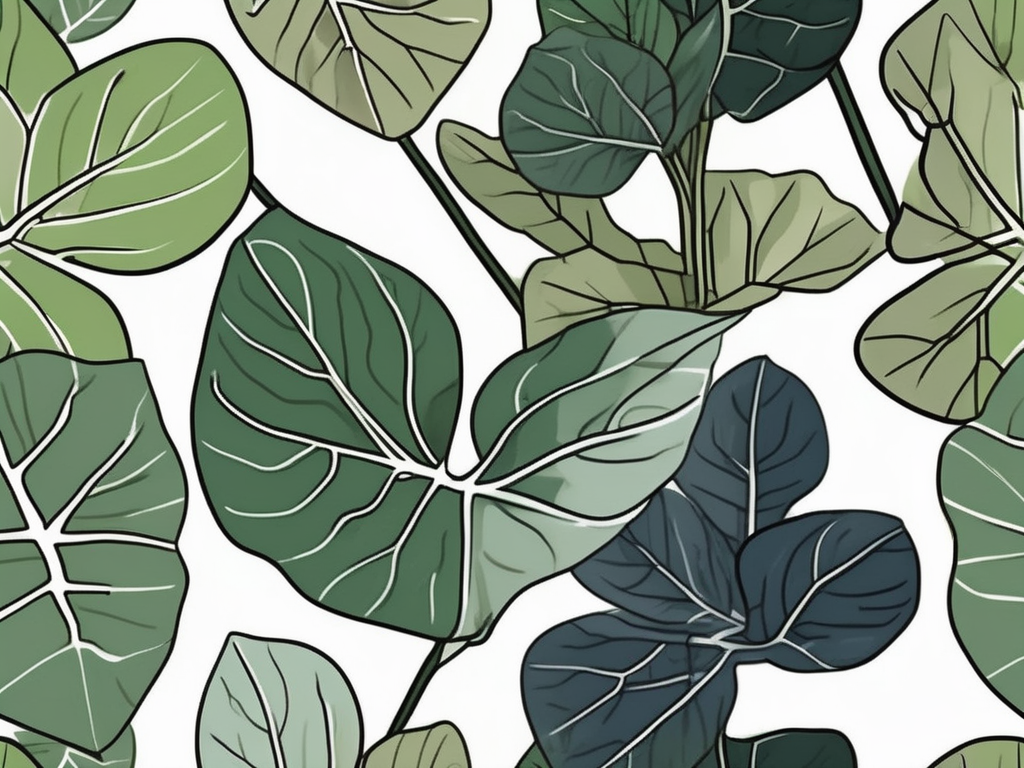
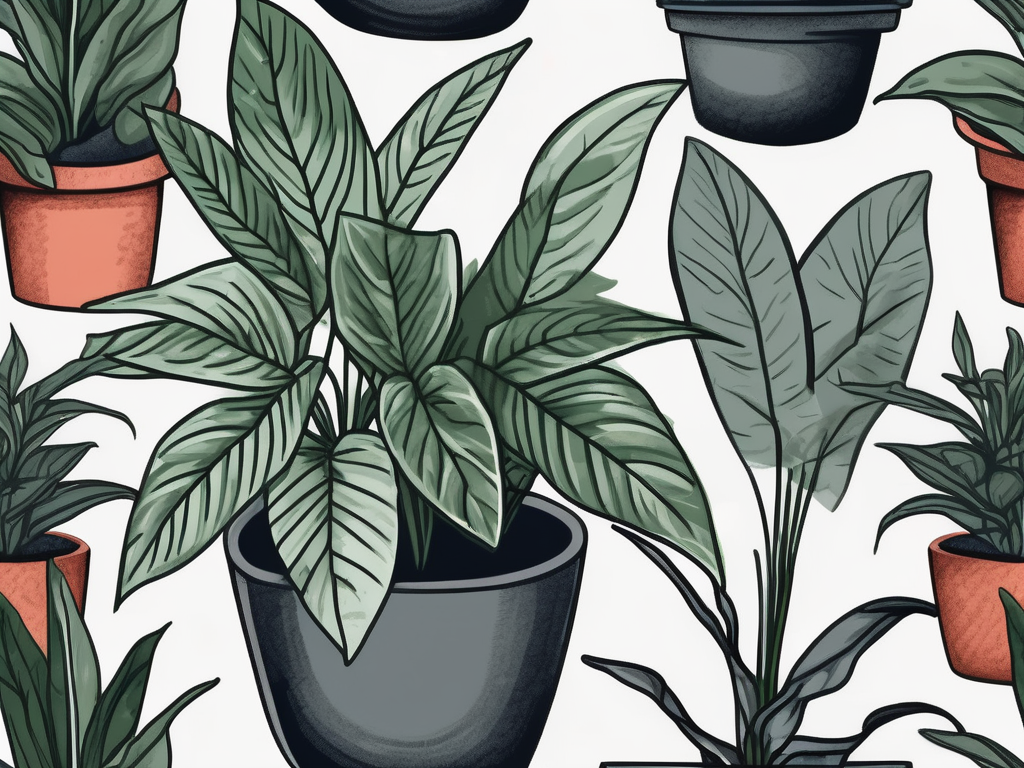
When it comes to indoor plants, Hoya leaves stand out for their distinct appearance. They come in various shapes, sizes, and colors, offering a delightful variety that can suit any decor style. Some leaves are heart-shaped, while others are more oval or lanceolate, and their surfaces can range from smooth to lightly textured.
One of the most striking features of Hoya leaves is their glossy finish, which gives them a waxy, almost artificial look. This sheen catches the light beautifully, adding a touch of elegance to your home. Many Hoya varieties also display intricate patterns or variegations, with splashes of white, cream, or pink that make each leaf unique.
Beyond their individual beauty, Hoya leaves also contribute to the overall aesthetic of the plant. Hoyas are vine-like, often cascading gracefully from hanging baskets or climbing trellises. This growth habit allows them to fill vertical spaces, making them a perfect choice for creating lush, green walls or adding height to plant displays.
Incorporating Hoya leaves into your home decor can be as simple as placing a single plant on a bookshelf or as elaborate as designing an entire indoor garden around them. Their versatility and visual appeal make them a valuable addition to any plant collection.
Benefits of Hoya Leaves for Air Quality
We all know that plants can improve indoor air quality, and Hoya leaves are no exception. Like many houseplants, they absorb carbon dioxide and release oxygen, helping to freshen the air in your home. But that's not all—they also have the ability to filter out certain pollutants.
Hoya leaves can help reduce levels of volatile organic compounds (VOCs), which are common indoor air pollutants found in products like paints, cleaning supplies, and furniture. By absorbing these harmful substances, Hoyas contribute to a healthier indoor environment.
Another benefit of Hoya leaves is their ability to increase humidity. As they transpire, they release moisture into the air, which can be especially helpful in dry climates or during the winter months when indoor air tends to be drier. This added humidity can improve respiratory health and keep your skin from becoming too dry.
While Hoya leaves might not completely purify the air on their own, they certainly play a role in creating a fresher, more pleasant indoor atmosphere. Combined with other air-purifying plants, they can help you breathe easier and enjoy a healthier home environment.
Low Maintenance Charm
If you're looking for a plant that's both beautiful and easy to care for, Hoya leaves are an excellent choice. Hoyas are known for being relatively low maintenance, making them perfect for busy plant parents or those new to houseplants.
One of the reasons Hoyas are so easy to care for is their tolerance for a range of light conditions. While they thrive in bright, indirect light, they can also survive in lower light situations. This flexibility means you can place them in various spots around your home without worrying too much about their light exposure.
When it comes to watering, Hoya leaves are quite forgiving. Their thick, waxy texture helps them retain moisture, so they don't need to be watered as frequently as some other plants. Allow the soil to dry out between waterings, and you'll find that Hoyas are quite adaptable to different watering schedules.
In terms of temperature and humidity, Hoyas prefer warm, humid conditions but can adapt to typical indoor environments. Just be sure to keep them away from drafts or sudden temperature changes, and they'll be happy.
Overall, the low maintenance nature of Hoya leaves makes them a delightful addition to any plant collection, allowing you to enjoy their beauty without the stress of constant care.
Decorating with Hoya Leaves
Decorating with Hoya leaves is a fun and creative way to bring a touch of nature into your home. Their versatile growth habits and striking appearance make them a great choice for a variety of design ideas.
One popular way to display Hoya leaves is by hanging them in baskets. Their trailing vines create a beautiful, cascading effect that's perfect for adding greenery to high spaces like ceilings or the tops of shelves. You can also train them to climb on trellises or walls, creating a living tapestry that adds texture and interest to your decor.
If you prefer a more minimalist look, consider placing a single Hoya plant in a stylish planter. The glossy leaves and unique shapes make for a stunning focal point, even when displayed on their own. Choose a pot that complements your existing decor, and let the plant's natural beauty shine.
Hoya leaves can also be used in combination with other plants to create a lush, layered effect. Mix them with other vine-like plants for a wild, jungle vibe, or pair them with succulents and cacti for a more modern, structured look. The possibilities are endless, and the only limit is your imagination.
Ultimately, incorporating Hoya leaves into your home decor allows you to express your personal style and create a space that's both beautiful and inviting. Whether you opt for a single plant or a full-blown indoor garden, Hoya leaves are sure to make a lasting impression.
Propagating Hoya Leaves
One of the joys of owning Hoyas is the ability to propagate them and share their beauty with friends and family. Propagating Hoya leaves is a rewarding process that's relatively simple and doesn't require much experience.
The most common way to propagate Hoyas is through stem cuttings. Start by selecting a healthy vine with a few leaves and nodes. Using clean, sharp scissors, cut a section of the vine, making sure to include at least two nodes, which are the points where the leaves attach to the stem.
Once you have your cutting, remove the lower leaves, leaving a few at the top. This helps the cutting focus its energy on developing roots. Next, dip the cut end in rooting hormone (optional but helpful) and plant it in a pot filled with a well-draining soil mix.
Water the cutting lightly and cover it with a plastic bag or a clear container to create a humid environment. Place it in a warm spot with indirect light, and be patient. In a few weeks, you should notice new growth, indicating that roots have developed.
Once the cutting has established roots, you can transplant it into a larger pot and care for it like a mature Hoya. Before you know it, you'll have a thriving new plant to enjoy or share with others.
Propagating Hoya leaves is a fun and engaging way to expand your plant collection, and the satisfaction of watching a new plant grow is truly rewarding.
Pest and Fungal Issues
While Hoyas are generally hardy plants, they can occasionally fall victim to pests and fungal issues. The good news is that these problems are often easy to manage with a bit of attention and care.
Common pests that affect Hoya leaves include mealybugs, spider mites, and aphids. These tiny insects can be a nuisance, but they can be controlled with regular inspection and treatment. If you spot any pests, start by gently wiping the leaves with a damp cloth to remove them. You can also use insecticidal soap or neem oil as a natural remedy to keep these critters at bay.
Fungal issues, such as root rot or leaf spots, can occur if Hoyas are overwatered or kept in overly humid conditions. To prevent these problems, ensure that your Hoya has proper drainage and avoid letting it sit in waterlogged soil. If you notice any signs of fungal infection, remove the affected parts and treat the plant with a fungicide if necessary.
By keeping an eye on your Hoya leaves and addressing any issues promptly, you can help your plant stay healthy and beautiful. Remember, prevention is key, so regular check-ups and good care practices are essential for keeping your Hoyas pest and fungus-free.
Choosing the Right Hoya for Your Space
With so many Hoya varieties to choose from, finding the right one for your space can be an exciting adventure. Each type offers its own unique charm, and selecting the perfect Hoya depends on your personal preferences and the conditions in your home.
For smaller spaces or those looking for a compact plant, the Hoya kerrii, also known as the "Sweetheart Plant," is a lovely choice. With its heart-shaped leaves, it's not only cute but also quite easy to care for. This variety is perfect for tabletops, windowsills, or as a charming gift for a loved one.
If you're looking for a dramatic, trailing plant, consider the Hoya carnosa. Its long vines and waxy leaves make it an excellent choice for hanging baskets or climbing structures. This variety is also known for its fragrant flowers, which can add an extra layer of interest to your indoor garden.
For those who love variegated plants, the Hoya compacta offers stunning foliage with twisted, rope-like leaves and cream or pink variegation. This variety is a real showstopper and can be a striking centerpiece in any collection.
When choosing a Hoya, consider the light and space available in your home, as well as your personal style and preferences. With so many options, you're sure to find a Hoya that fits perfectly into your decor and brings joy to your space.
Combining Hoyas with Other Plants
Hoyas are versatile plants that can complement a wide range of other houseplants, allowing you to create beautiful and diverse indoor gardens. By combining Hoyas with different types of plants, you can achieve a balanced and harmonious look that suits your style.
One way to combine Hoyas with other plants is by focusing on contrasting textures. Pair the glossy, waxy leaves of Hoyas with soft, fuzzy plants like African violets or ferns. This contrast creates visual interest and can make each plant stand out.
Another approach is to mix Hoyas with plants of varying heights and shapes. Use tall, upright plants like snake plants or dracaenas to provide structure, and let the trailing vines of Hoyas spill over the edges. This combination adds depth and dimension to your plant display.
Consider color as well when combining Hoyas with other plants. Select plants with complementary or contrasting colors to create a cohesive and eye-catching arrangement. For example, pair the dark green leaves of Hoyas with bright, colorful blooms from orchids or bromeliads.
Ultimately, the best combinations are those that reflect your personal taste and the unique conditions of your space. With a bit of creativity and experimentation, you can create stunning plant displays that highlight the beauty of Hoya leaves and bring life to your home.
Final Thoughts
Hoya leaves offer a wonderful blend of beauty and benefits, making them a fantastic choice for any plant lover. From their aesthetic appeal to their air-purifying qualities, these plants bring a touch of nature and elegance to any space. With proper care and attention, Hoyas can thrive and become a cherished part of your indoor garden.
At Cafe Planta, we're passionate about helping you find the perfect houseplants to suit your needs. Whether you're looking for popular favorites or unique, hard-to-find varieties, we've got you covered. If you have any questions about plant care, feel free to email us or reach out on Instagram. Let's connect and share our love of plants together!