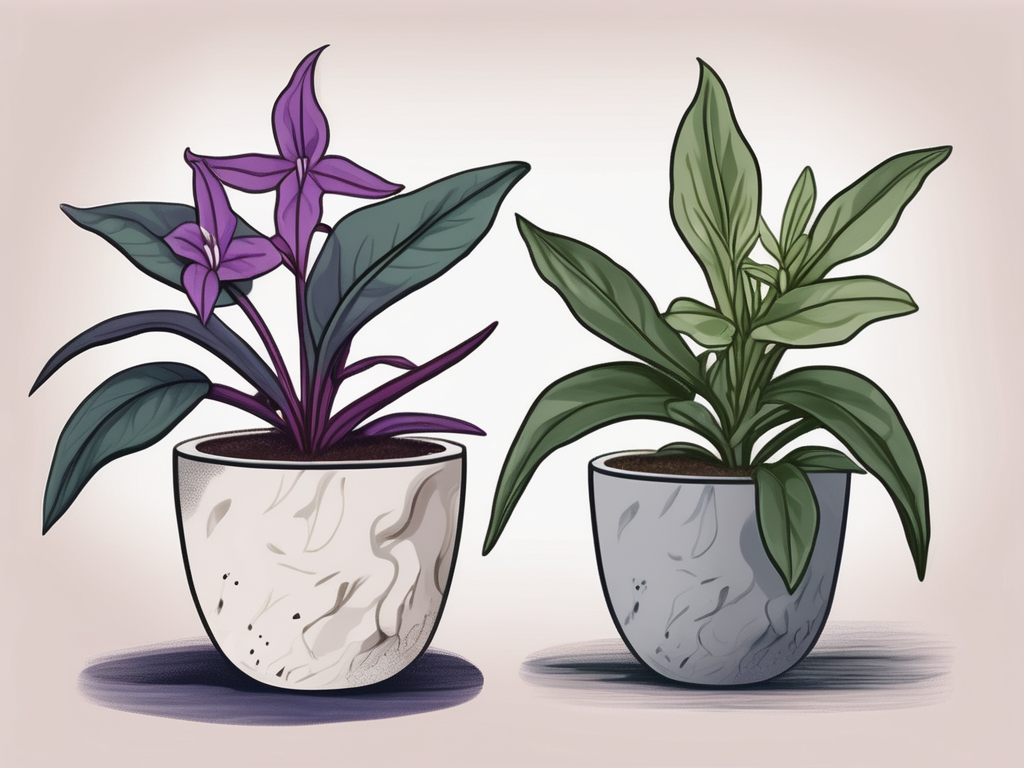
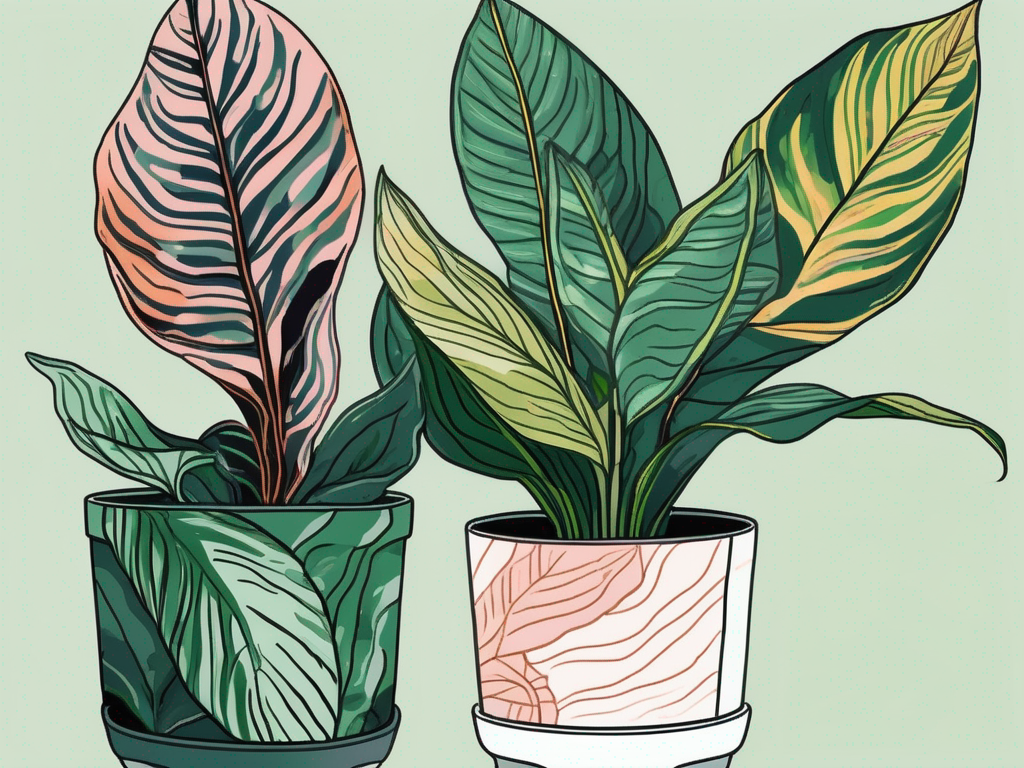
Hoya Bella, known for its charming foliage and delightful blooms, is a popular choice among plant lovers. If you're drawn to its star-shaped flowers, wait until you see the leaves! They're equally mesmerizing, adding a touch of elegance to any space. But what's the secret to keeping these beauties happy and thriving?
In this article, we'll take a closer look at the beauty of Hoya Bella leaves and share practical tips on how to care for and maintain this lovely plant. From lighting needs to pest management, we'll cover everything you need to know to keep your Hoya Bella looking its best.
The Allure of Hoya Bella Leaves
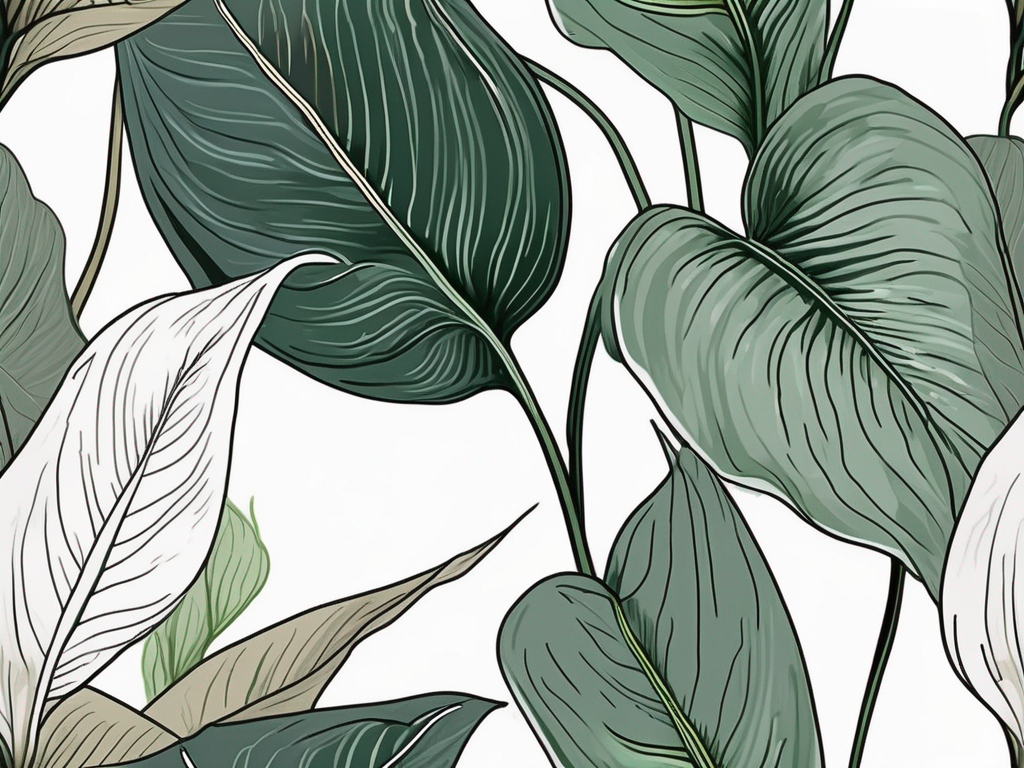
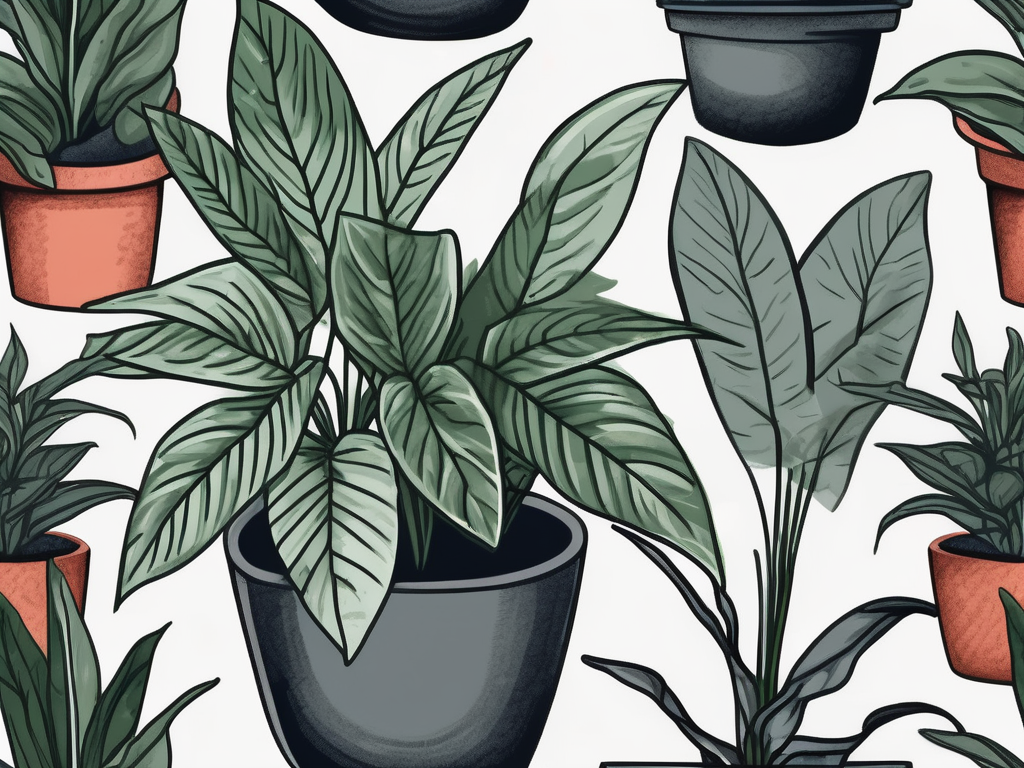
Before we get into the details of care and maintenance, let's talk a bit about what makes Hoya Bella leaves so special. Unlike the typical broad, flat leaves you might find on other houseplants, Hoya Bella's leaves are small, slightly curved, and have a glossy finish that almost looks like they've been polished. This unique look gives them an ornamental quality, making them a great addition to any home.
These leaves are not just pretty to look at; they're also quite resilient. Hoya Bella leaves are thick and waxy, characteristics that help them retain moisture. This means you don’t need to water them as frequently as other plants, which is a boon for those who might forget a watering schedule now and then. However, don’t let their toughness fool you into thinking they don't need any care. Like any plant, they have specific needs to thrive.
Interestingly enough, Hoya Bella is also known as the “wax plant,” a nod to its shiny leaves and waxy flowers. If you’ve ever seen one up close, you’ll know why it got this nickname. The leaves almost seem to shimmer under the right light, a feature that can really enhance the visual appeal of your indoor garden. So, what are the key things to keep in mind when caring for these stunning leaves?
Light Requirements for Hoya Bella
When it comes to lighting, Hoya Bella is like Goldilocks—it doesn't want too much, nor too little, but just the right amount. This plant thrives in bright, indirect light. Think of it as preferring a sunny spot with a sheer curtain in between. Direct sunlight can scorch the leaves, leading to unsightly brown patches that affect its overall beauty. On the other hand, too little light can make your Hoya Bella grow leggy and sparse, a look that doesn’t do justice to its potential.
If you're wondering where to place your Hoya Bella, consider a spot near an east-facing window. This location usually provides just the right amount of morning sunlight without the harsh afternoon rays. If your home’s lighting conditions are less than ideal, don’t worry! You can supplement natural light with grow lights to help your plant stay healthy. These artificial lights mimic the sun’s spectrum and can be a lifesaver during the darker winter months.
For those who love tech, there are even smart grow lights that adjust their intensity based on the amount of natural light available in the room. These can be particularly useful if you travel frequently and can’t always adjust lighting conditions manually. Just remember, whether you’re using natural or artificial light, consistency is key. Sudden changes in lighting conditions can stress your Hoya Bella, leading to leaf drop or stunted growth.
Watering Your Hoya Bella: The Right Way
Watering can feel like a guessing game with many houseplants, but Hoya Bella prefers a more straightforward approach. As a general rule, you should let the top inch of the soil dry out before watering again. This plant doesn’t like to sit in soggy soil, which can lead to root rot. So, when you water, make sure you do so thoroughly, allowing the water to drain out completely.
Avoid letting your Hoya Bella sit in standing water—this is a quick path to trouble. If you’re unsure whether it’s time to water, a moisture meter can be a handy tool. It takes the guesswork out of the equation, giving you a clear indication of when your plant is thirsty. Just insert it into the soil, and it’ll tell you whether the moisture level is too low or just right.
In terms of frequency, you’ll likely find yourself watering more in the summer when the plant is actively growing and less in the winter when growth slows down. But remember, every home environment is different. Factors like humidity, temperature, and light can all influence how quickly the soil dries out. Keep an eye on your plant and adjust your watering schedule as needed.
Humidity and Temperature Preferences
Hoya Bella loves humidity, which makes sense given its tropical origins. Ideally, you’ll want to aim for humidity levels around 40-60%. If your home tends to be on the dry side, especially in winter, consider using a humidifier. Alternatively, placing a pebble tray filled with water under the plant’s pot can also help increase humidity levels around the plant.
Temperature-wise, Hoya Bella is quite flexible. It prefers temperatures ranging from 60°F to 75°F (15°C to 24°C), which conveniently aligns with most indoor environments. However, it's worth noting that sudden temperature changes can stress the plant. So try to keep it away from drafty windows or heating vents, which could lead to leaf drop or other stress symptoms.
If you’re really committed to creating the perfect environment, you might even consider setting up a mini greenhouse or terrarium for your Hoya Bella. While not necessary, it can be a fun project for those who want to provide their plant with the very best. Plus, a glass terrarium can make for a beautiful display piece in its own right!
Soil and Potting Needs
When it comes to soil, Hoya Bella isn’t too fussy, but it does have some preferences. Ideally, you’ll want a well-draining mix. A combination of standard potting soil, orchid bark, and perlite can work wonders. This mix ensures that water drains efficiently, reducing the risk of root rot while still retaining enough moisture for the plant’s needs.
As for repotting, Hoya Bella doesn’t mind being a bit root-bound. In fact, it can thrive in smaller pots for quite some time. That said, if you notice roots growing out of the drainage holes or if the soil seems to dry out too quickly after watering, it might be time to repot. When doing so, choose a pot that is only one size larger than the current one. This will prevent the plant from becoming overwhelmed by too much new soil, which can hold more water than the roots can handle.
Remember to choose a pot with drainage holes. This simple feature ensures excess water can escape, preventing the dreaded root rot. If you’re concerned about aesthetics, double potting—placing a functional pot inside a decorative one—can give you the best of both worlds: functionality and beauty.
Feeding Your Hoya Bella
Fertilizing Hoya Bella is pretty straightforward. During the growing season, which runs from spring to early fall, a balanced, water-soluble fertilizer every four to six weeks should do the trick. This will provide the nutrients your plant needs to produce those lovely leaves and, hopefully, some blooms too!
When it comes to fertilizing, less is often more. Over-fertilizing can lead to salt build-up in the soil, which is harmful to your plant. Always follow the instructions on your fertilizer package, and if in doubt, dilute it to half strength. Your Hoya doesn't need much to thrive, and a little can go a long way.
In the winter months, when the plant is not actively growing, you can cut back on fertilizing. This resting period is natural and allows the plant to conserve energy. It’s also a great time to review your plant’s overall health. Check the leaves for any signs of nutrient deficiency, like yellowing or spots, and adjust your care routine accordingly.
Pruning: Keep Your Plant in Shape
Pruning might sound intimidating, but it’s a simple and beneficial process for your Hoya Bella. Regular pruning helps to maintain the plant’s shape and promote bushier growth. It can also be an opportunity to remove any dead or damaged leaves, which could otherwise become a breeding ground for pests or disease.
When pruning, always use clean, sharp scissors or pruning shears. This reduces the risk of introducing infections to your plant. You’ll want to trim just above a node, which is where new growth will emerge. If you’re looking to propagate, save those cuttings! Hoya Bella is relatively easy to propagate from stem cuttings, giving you the chance to expand your collection or share with friends.
Remember, pruning isn’t just about aesthetics. It’s also about promoting the overall health of your plant. By removing older, less productive parts, you’re allowing the plant to focus its energy on new, vibrant growth. Plus, a well-pruned plant looks tidy and can make a striking statement in your home.
Dealing with Pests and Diseases
Like any houseplant, Hoya Bella can be susceptible to pests and diseases. Common culprits include mealybugs, spider mites, and aphids. These pests can be pesky, but they’re not impossible to deal with. A good first step is to keep an eye on your plant. Regularly inspect the leaves, especially the undersides, for any signs of infestation.
If you do spot pests, a gentle spray with soapy water can often do the trick. For more stubborn infestations, neem oil is a popular and eco-friendly option. It works as both a pesticide and a preventative measure, keeping your plant safe without harming the environment.
As for diseases, root rot is probably the most common issue, often caused by overwatering. Ensuring your plant is in a well-draining potting mix and not sitting in water can help prevent this. If you do suspect root rot, you may need to repot the plant and trim away any affected roots.
Adding Hoya Bella to Your Home Decor
Beyond its care requirements, Hoya Bella can be a stunning addition to your home decor. Its trailing vines make it perfect for hanging baskets or placed on a high shelf where the leaves can cascade downwards. This creates a lovely waterfall effect that can soften the lines of a room and add a touch of nature to your space.
If you have an open-plan living area, consider placing your Hoya Bella where it can be seen from multiple angles. Its unique leaves and potential blooms can create a focal point that draws attention and sparks conversation. You might even pair it with other plants with contrasting leaf shapes and colors to create a diverse and dynamic indoor garden.
For those who love a bit of DIY, you might try making a macramé hanger for your Hoya Bella. This can add a personal touch and make the plant feel even more special. Plus, macramé hangers are a great way to display plants without taking up precious table or floor space.
Final Thoughts
Caring for Hoya Bella is a rewarding experience that allows you to enjoy its beautiful leaves and striking flowers. With the right light, water, and attention, you can help this plant thrive and transform your space into a lush, green oasis.
If you're looking to expand your plant collection or need some advice, Cafe Planta is here to help. We offer a variety of houseplants, care accessories, and even plant-themed apparel. If you have any questions, feel free to email us or send a message on our Instagram. We're excited to share our love of plants with you and help you create a thriving collection at home.