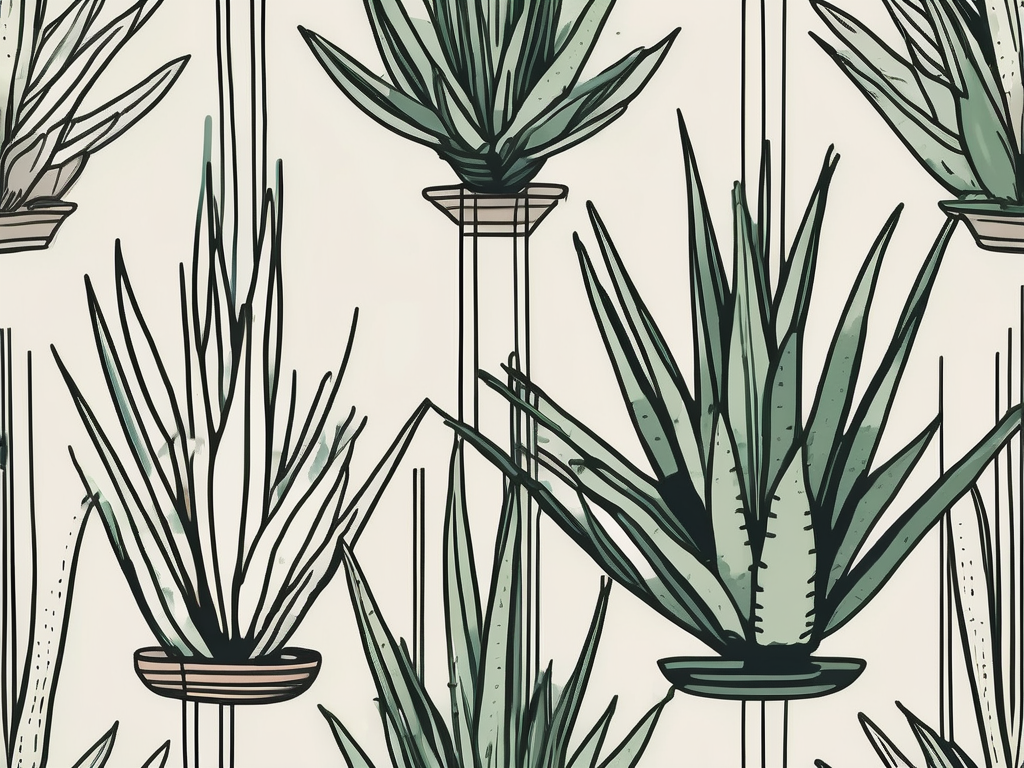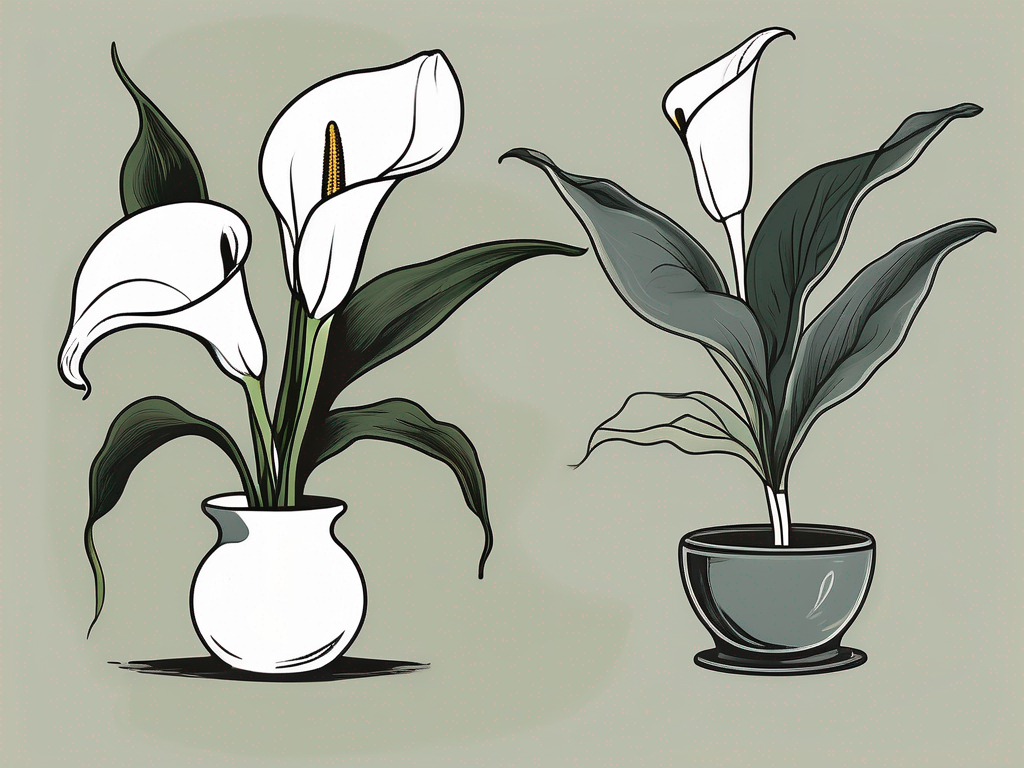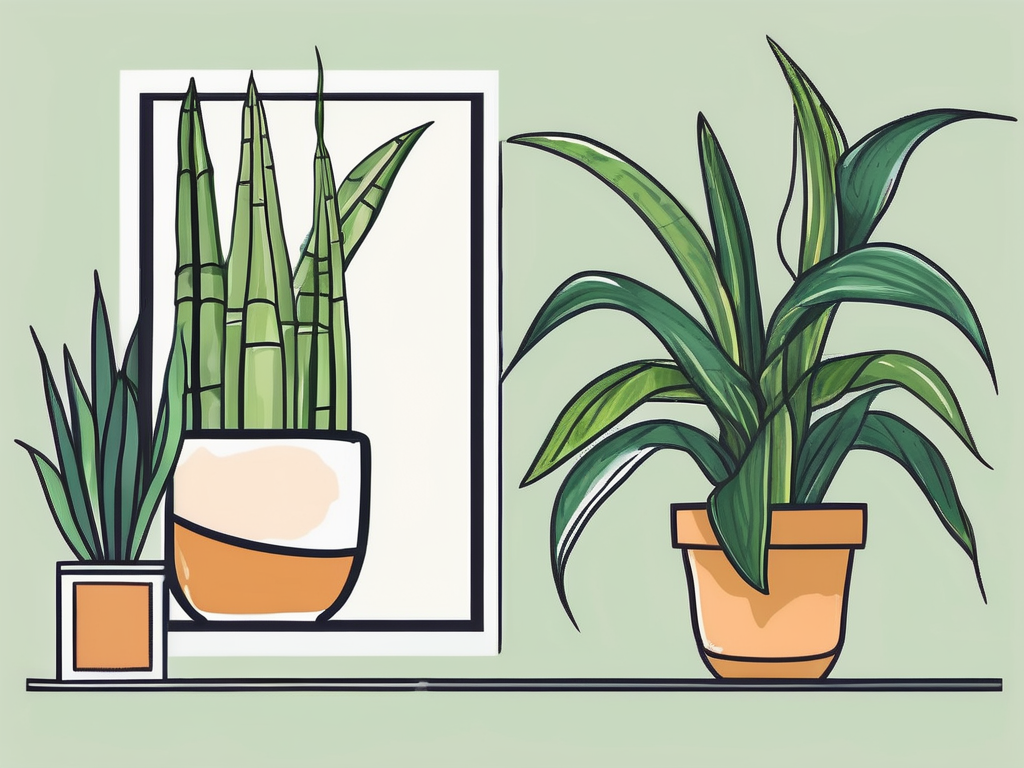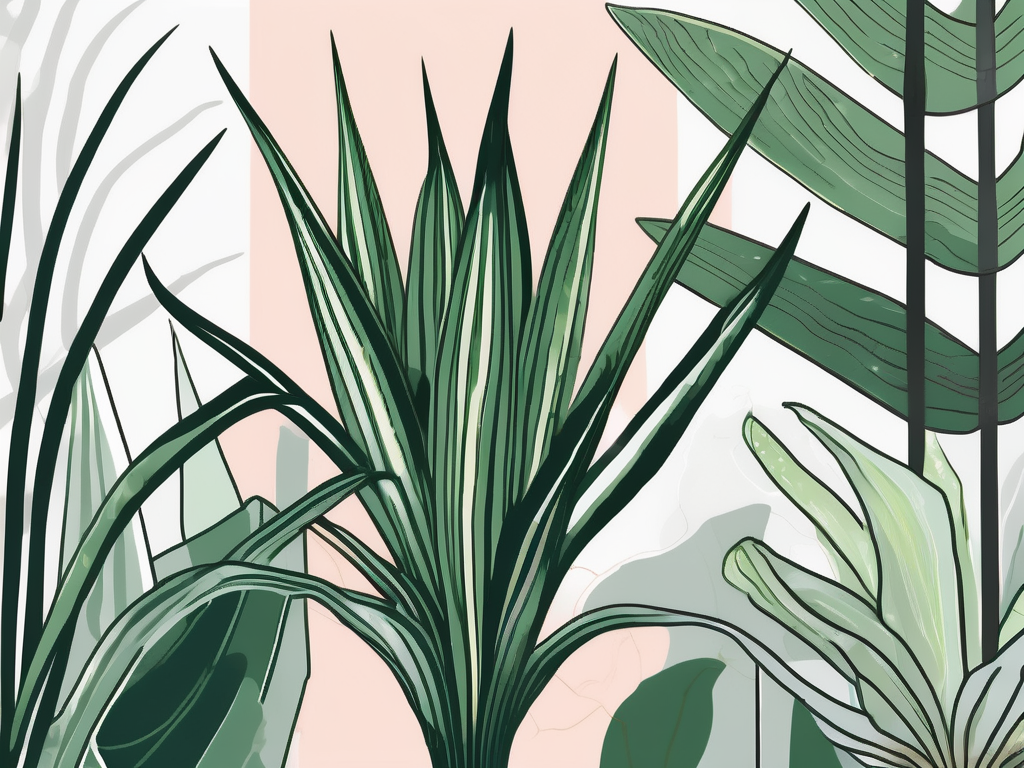
Sansevieria, often known by its more charming nickname, 'snake plant,' is a beloved choice for plant lovers everywhere. But did you know that this hardy, low-maintenance plant can also produce flowers? Yes, you heard it right! While it might not be the first thing that comes to mind when you think of Sansevieria, its blooms are a delightful surprise worth exploring.
In this article, we'll take a closer look at the beauty of the Sansevieria flower and offer a guide on how to grow and care for this stunning plant. Whether you're a seasoned plant parent or a curious newbie, there’s always something new to learn about these fascinating plants.
The Allure of Sansevieria Flowers
Sansevieria flowers are one of those pleasant surprises in the plant world. While these plants are primarily grown for their striking foliage, the appearance of flowers can be an unexpected treat. But what makes these blooms so special?
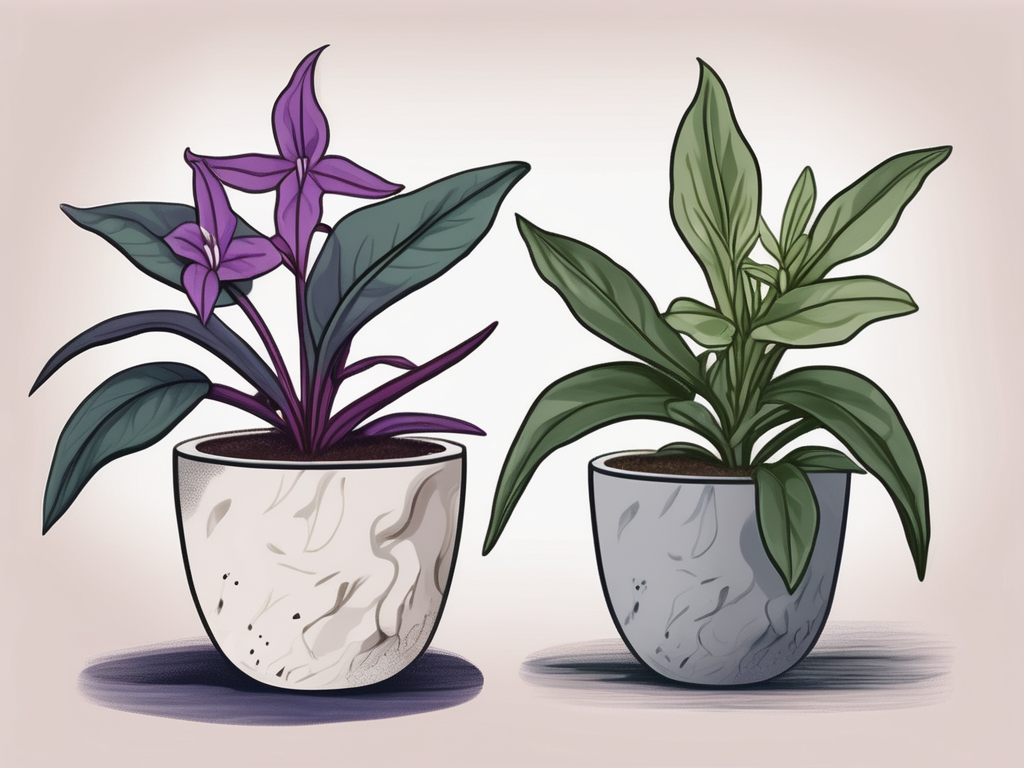
Firstly, Sansevieria flowers are not showy in the conventional sense. Their beauty lies in their delicate, understated charm. The flowers are typically small, tubular, and white or greenish-white in color. They grow along a tall, slender stalk that rises from the heart of the plant. A cluster of these tiny blooms can create a lovely, subtle display.
Interestingly enough, the fragrance of Sansevieria flowers surprises many people. When they bloom, often during the night, they emit a sweet, pleasant scent that can fill a room. This aroma is a delightful contrast to the plant's usual stoic presence.
While it's not common for Sansevieria to flower, when they do, it can be a sign that your plant is thriving under your care. However, don't worry if yours hasn't bloomed yet. Many factors contribute to flowering, and it's not necessarily an indication of poor health if your plant hasn't flowered.
Choosing the Right Sansevieria Varieties
Before diving into the care routine, it’s important to choose the right variety of Sansevieria for your home or office. There are several types, each with its own unique features. Here are a few popular ones:
- Sansevieria trifasciata (Mother-in-law's Tongue): Perhaps the most well-known, this variety has long, upright leaves with green and yellow bands.
- Sansevieria cylindrica: Known for its round, tubular leaves, this type offers a different texture and look compared to the more common flat-leaved varieties.
- Sansevieria 'Moonshine': This variety boasts light, silvery-green leaves that can add a touch of elegance to any space.
- Sansevieria 'Laurentii': Similar to the trifasciata but with more pronounced yellow edges, it is a favorite for those wanting a bit more color.
Each of these varieties can produce flowers under the right conditions, so choose based on your aesthetic preference and the plant's growing requirements.
Creating the Perfect Environment for Growth
Sansevieria is renowned for its hardiness, but like any plant, it thrives best under certain conditions. Here’s how to create an optimal environment:
Light
Sansevierias are versatile when it comes to lighting. They can tolerate low light conditions, making them ideal for offices or rooms without much natural light. However, if you want to encourage flowering, providing bright, indirect light can help. Too much direct sunlight might scorch the leaves, so balance is key.
Temperature
These plants prefer warmer temperatures, typically between 60-80°F (15-27°C). They do not handle cold well, so keep them away from drafts or cold windows. If you live in a temperate climate, your Sansevieria might even enjoy some time outdoors during the summer months.
Humidity
Sansevieria is quite forgiving when it comes to humidity. While they prefer moderate levels, they can tolerate dry air, making them perfect for indoor environments. If your home is particularly dry, consider misting the plant occasionally or placing it near a humidifier.
Watering Wisely
One of the most common mistakes with Sansevieria care is overwatering. These plants are succulents, meaning they store water in their leaves and don’t need frequent watering. Here's how to water your Sansevieria correctly:
- Frequency: During the growing season (spring and summer), water every 2-3 weeks. In the dormant period (fall and winter), reduce this to once a month.
- Method: Water thoroughly, allowing the water to drain completely from the bottom of the pot. Avoid letting the plant sit in water, as this can lead to root rot.
- Soil Check: Always check that the top inch of soil is dry before watering again. If it’s still damp, give it a few more days before checking again.
Remember, it's better to underwater than to overwater a Sansevieria. These plants are quite drought-tolerant and can recover more easily from lack of water than from too much.
Potting and Soil Considerations
The right pot and soil are crucial for keeping your Sansevieria happy and healthy. Here are some tips:
Choosing the Right Pot
Sansevierias like to be snug in their pots, so don't rush to repot them. When it’s time to repot, choose a pot that’s only slightly larger than the current one. Ensure the pot has drainage holes to prevent water from accumulating at the bottom.
Soil Requirements
These plants prefer a well-draining soil mix. A cactus or succulent mix is ideal. You can also make your own by mixing regular potting soil with sand or perlite to improve drainage. Proper drainage is key to preventing root rot, which is the most common issue with Sansevieria care.
When repotting, gently remove the plant from its old pot and shake off excess soil. Place it in the new pot, fill in with fresh soil, and water lightly to settle the soil.
Dealing with Common Pests and Problems
While Sansevierias are generally low-maintenance and pest-resistant, they’re not completely immune to issues. Here’s how to tackle some common problems:
Pests
The most common pests that affect Sansevieria are mealybugs and spider mites.
- Mealybugs: These small, white insects can be wiped away with a cotton swab dipped in alcohol.
- Spider Mites: If you notice fine webbing, these tiny pests are likely the cause. Increase humidity and wipe the leaves with a damp cloth to discourage them.
Root Rot
As mentioned earlier, overwatering is the main cause of root rot. If you notice yellowing leaves or a mushy base, it might be a sign of this issue. To address root rot:
- Remove the plant from its pot and examine the roots. Healthy roots should be firm and white.
- Trim away any rotten, mushy roots with clean scissors.
- Repot the plant in fresh, well-draining soil and reduce watering until the plant shows signs of recovery.
Leaf Damage
Browning or crispy leaf tips can occur due to underwatering or low humidity, while soft, mushy leaves often indicate overwatering. Adjust your watering schedule and environment accordingly to address these issues.
Encouraging Your Sansevieria to Bloom
So, how do you coax your Sansevieria into flowering? While there are no guaranteed methods, certain conditions can increase the likelihood of blooms:
- Consistent Care: Maintain a stable environment with proper light, temperature, and watering.
- Patience: Sansevierias flower infrequently and may take several years before they bloom.
- Stress: Interestingly, slight stress, such as being root-bound, can sometimes encourage flowering. Just be careful not to overdo it, as too much stress can harm the plant.
Remember, while blooms are a lovely bonus, they’re not the primary reason people grow Sansevierias. Enjoy the plant for its striking foliage and air-purifying qualities, and regard flowers as a delightful extra.
Incorporating Sansevieria into Your Home Decor
Sansevierias are not only easy to care for but also highly versatile in interior design. Here’s how you can incorporate them into your home decor:
Versatile Placement
Thanks to their tolerance for low light, Sansevierias can be placed in various spots throughout your home. Consider these ideas:
- Living Room: A tall Sansevieria in a decorative pot can serve as a statement piece.
- Bedroom: Place a smaller variety on your nightstand to enjoy its air-purifying benefits as you sleep.
- Office: A snake plant on your desk can add a touch of greenery without requiring much maintenance.
Combining with Other Plants
Sansevierias pair well with other plants due to their upright growth habit. Consider placing them alongside trailing plants like pothos or ivy for a dynamic contrast.
Creative Containers
Experiment with different containers to match your decor style. From sleek, modern planters to rustic, handmade pots, the right container can enhance the visual appeal of your Sansevieria.
Repotting and Propagation
Eventually, you might need to repot your Sansevieria or perhaps you’d like to expand your collection through propagation. Here’s how:
Repotting
As mentioned, Sansevierias prefer to be slightly root-bound, so only repot when necessary—typically every 2-3 years. Choose a pot that’s just one size larger, and ensure it has drainage holes.
Propagation
Sansevierias can be propagated through leaf cuttings or division:
- Leaf Cuttings: Cut a healthy leaf into 2-3 inch sections. Plant each section in soil with the correct orientation, as planting upside down will prevent rooting.
- Division: When repotting, divide the root ball into sections, ensuring each section has roots attached.
Propagation is a rewarding way to produce new plants and share them with friends and family.
Final Thoughts
Sansevieria is a fantastic choice for anyone looking to add greenery to their space without the hassle of a high-maintenance plant. With their striking appearance and potential for unexpected blooms, they offer both beauty and versatility.
At Cafe Planta, we love helping people discover the joys of plant care. Whether you're looking for new additions to your plant family or need advice on care, we’re here for you. Connect with us via email or reach out on Instagram. Let's grow together!