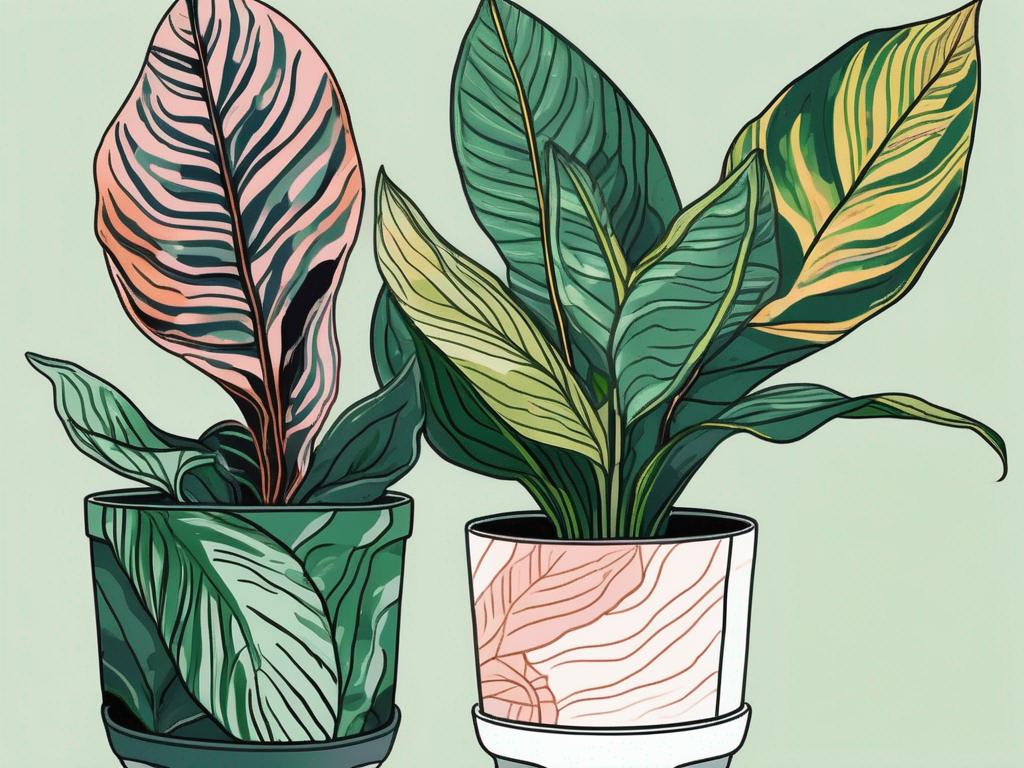
Velvet plants, with their striking purple foliage and delicate flowers, are a captivating addition to any home. Their unique texture and vibrant colors make them a favorite among plant lovers. But what makes velvet plant flowers so enchanting, and how can you ensure they thrive in your space?
In this article, we'll explore the world of velvet plants, offering practical tips for growing and caring for these beautiful blooms. From selecting the right soil to dealing with pests, we'll cover everything you need to help your velvet plant flourish. Let's dive into the details!
Understanding Velvet Plants
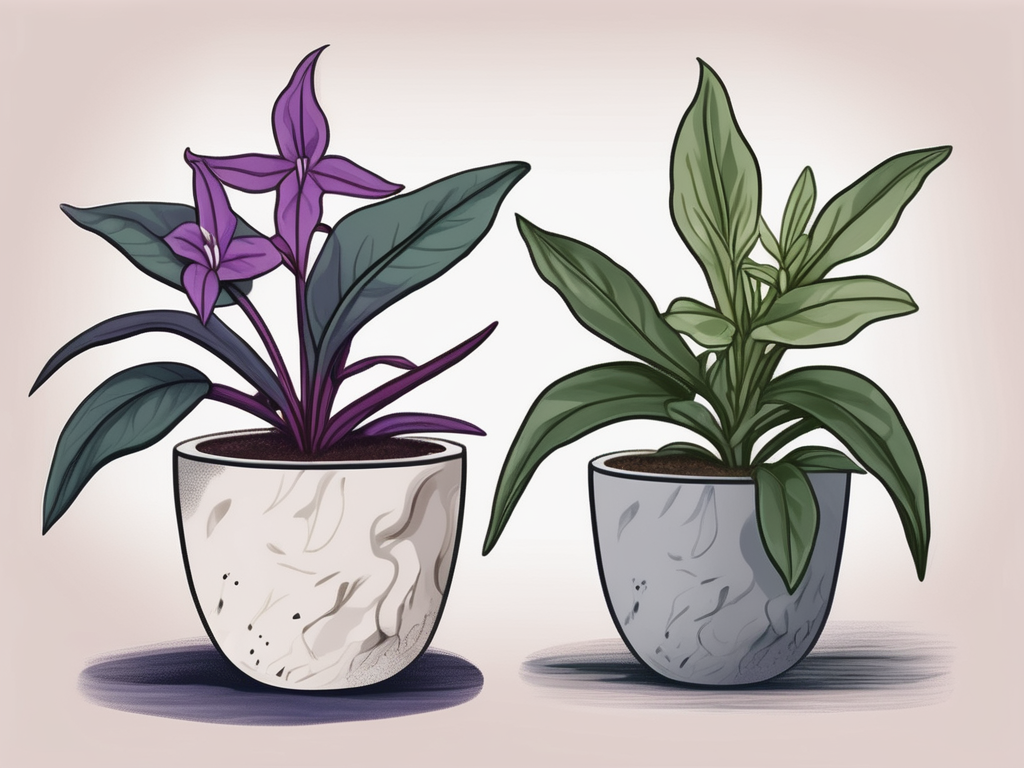
Velvet plants, known scientifically as Gynura aurantiaca, are native to Southeast Asia. Their leaves are covered in fine hairs that give them a velvety texture, hence the name. These plants are not just about their foliage, though; they also produce small orange or yellow flowers that add a pop of color to their already vibrant appearance.
Interestingly, velvet plants are often grown for their leaves rather than their blooms. The flowers, while charming, can sometimes emit an odor that's not to everyone's taste. But don't let that deter you! With proper care, the foliage alone can be a stunning focal point in any room.
When it comes to growing velvet plants, understanding their natural habitat can be incredibly helpful. These plants thrive in warm, humid environments with bright, indirect light. Mimicking these conditions in your home will set the stage for a happy and healthy plant.
Choosing the Right Spot for Your Velvet Plant
Finding the perfect spot for your velvet plant is crucial to its success. These plants love bright, indirect sunlight. Think of a location where the sun's rays are filtered, like through sheer curtains or in a room with plenty of natural light but not direct exposure.
Direct sunlight can cause the leaves to scorch, so it’s important to avoid placing your plant in a spot where it will be subjected to harsh rays. If you notice the leaves losing their vibrant purple hue, it might be a sign that your plant is getting too much light.
On the flip side, too little light can lead to leggy growth, where the plant stretches toward the light source, resulting in a less attractive appearance. If you’re limited on natural light, consider supplementing with a grow light to keep your velvet plant happy.
Soil and Potting Tips
Velvet plants prefer well-draining soil that retains some moisture without becoming waterlogged. A standard potting mix with added perlite or sand can help achieve this balance. You want the soil to hold moisture but also allow excess water to drain away easily.
When it comes to pots, choose one with drainage holes to prevent water from sitting at the bottom, which can lead to root rot. A pot made from a breathable material like terra cotta can also be beneficial, as it helps wick away excess moisture.
When repotting, which you'll likely need to do every couple of years, opt for a pot that's only slightly larger than the current one. Velvet plants don't mind being a bit root-bound, and a too-large pot can lead to overwatering issues.
Watering Your Velvet Plant
Proper watering is essential for velvet plants, as they are prone to root rot if overwatered. The key is to let the top inch of soil dry out between waterings. Stick your finger into the soil, and if it feels dry, it's time to water.
When you water, make sure to give it a thorough soak, allowing water to flow through the drainage holes. This ensures the roots get the moisture they need while preventing water from accumulating at the bottom.
During the growing season, typically spring and summer, you may need to water more frequently. In the cooler months, reduce watering as the plant's growth slows and it requires less moisture. Always adjust based on the plant's needs and the humidity levels in your home.
Fertilizing Velvet Plants
Velvet plants benefit from regular fertilizing during their active growth period. A balanced, water-soluble fertilizer applied every four to six weeks can help support healthy growth and vibrant foliage.
It's important not to over-fertilize, as this can lead to nutrient buildup in the soil, which can harm the plant. Always follow the instructions on your fertilizer's packaging, and consider diluting it to half strength if you're unsure.
During the dormant period in fall and winter, you can ease up on fertilizing, allowing the plant to rest until the growing season resumes.
Dealing with Pests and Diseases
Like many houseplants, velvet plants can fall victim to pests such as spider mites, aphids, and mealybugs. Regularly inspecting your plants and maintaining good hygiene can help prevent infestations. If you spot any unwelcome guests, treating them promptly with insecticidal soap or neem oil is usually effective.
Fungal diseases can also occur, particularly if the plant is kept too wet. Ensuring proper drainage and avoiding overhead watering can help prevent these issues. If you notice any signs of disease, such as discolored or wilting leaves, it may be necessary to trim affected areas and adjust your care routine.
Prevention is always better than cure, so maintaining a clean environment and monitoring your plant's health regularly can go a long way in keeping pests and diseases at bay.
Pruning and Maintenance
Pruning is an important part of velvet plant care, helping to maintain its shape and encourage bushier growth. Regularly trimming back any leggy or damaged stems will keep your plant looking its best.
When pruning, always use clean, sharp scissors or pruners to make clean cuts. This reduces the risk of disease and encourages healthy regrowth. You can also pinch back the tips of the plant to promote branching and a fuller appearance.
Additionally, it's a good idea to remove any faded flowers and dead leaves to keep the plant tidy and prevent potential problems from decaying plant matter.
Propagating Velvet Plants
Velvet plants are relatively easy to propagate, making them a great choice if you want to expand your collection or share with friends. The most common method is to take stem cuttings.
Here's a quick step-by-step guide to propagating velvet plants:
- Take a cutting: Choose a healthy stem and cut a section about 4-6 inches long. Make sure it has a few leaves and a couple of nodes.
- Remove lower leaves: Strip off the leaves from the bottom half of the cutting to prevent them from sitting in water or soil.
- Rooting medium: You can root cuttings in water or soil. If using water, place the cutting in a jar with enough water to cover the nodes. For soil, plant the cutting in a small pot filled with a well-draining mix.
- Wait for roots: Keep the cutting in a warm, bright spot and be patient. Roots should develop in a few weeks.
- Transplant: Once roots are established, you can transplant the cutting into a pot with fresh soil.
Propagation is not only rewarding but also a fun way to multiply your plants and share the joy with others.
Enhancing Your Interior Design with Velvet Plants
In addition to their beauty and easy care, velvet plants can be a stunning element in your interior design. Their lush, velvety leaves bring a touch of luxury and warmth to any room.
Here are a few ideas for incorporating velvet plants into your home decor:
- Accent pieces: Use velvet plants as a focal point on a shelf or side table. Their unique texture and color can add interest to a space.
- Grouping: Pair velvet plants with other houseplants for a dynamic display. Their purple hues contrast beautifully with green foliage.
- Hanging displays: Velvet plants can also look stunning in hanging planters, where their trailing stems can create a cascading effect.
Whether you’re a minimalist or love a more eclectic style, velvet plants can fit seamlessly into your design, adding both beauty and a sense of calm to your space.
Final Thoughts
Velvet plants are a delightful addition to any plant collection, with their vibrant foliage and charming flowers. By providing the right light, water, and care, you can enjoy the beauty of velvet plants in your home for years to come.
At Cafe Planta, we're passionate about helping you create a thriving plant collection. Whether you're looking for new additions or need advice on plant care, we're here to support you. Feel free to reach out via email or connect with us on Instagram. Let's grow together!