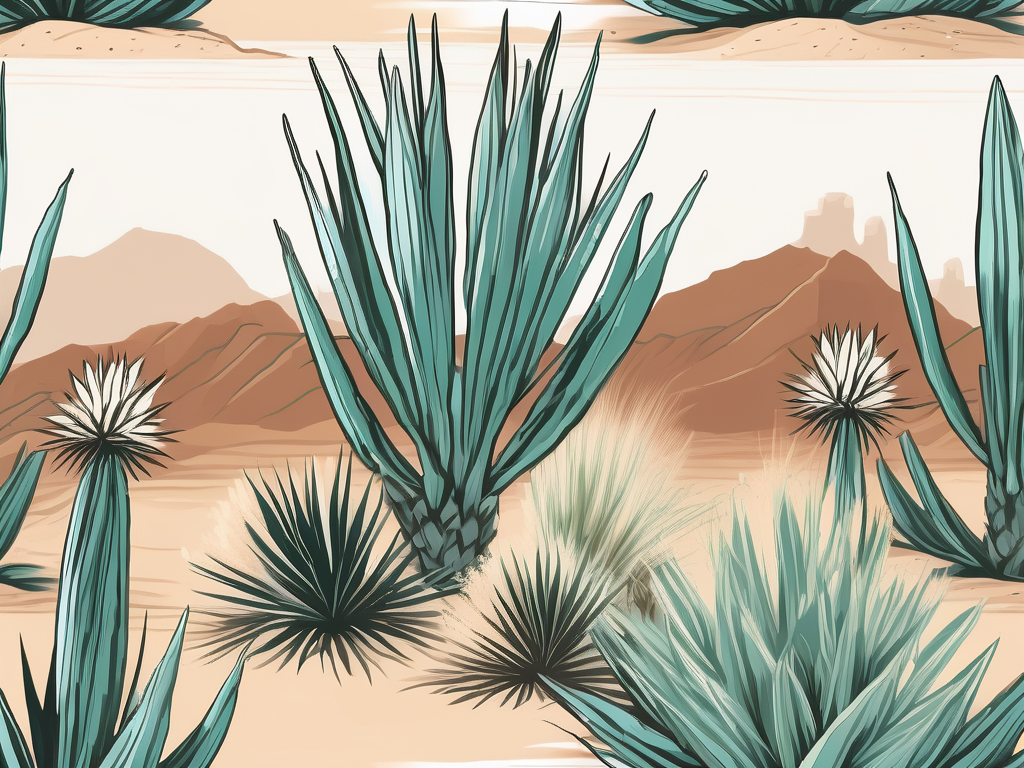
Yucca flowers are like nature’s little surprise party. You might be familiar with the hardy, spiky leaves of the yucca plant, but when it blooms, it’s a whole new level of beauty. These delightful flowers can transform a space, turning a simple corner of your garden into an eye-catching focal point.
In this article, we’re going to take a closer look at yucca flowers, from their stunning appearance to how you can enjoy them in your home. We’ll also cover some handy tips for caring for these plants, so you can encourage them to bloom and brighten up your space. Let’s get started!
Getting to Know Yucca Flowers
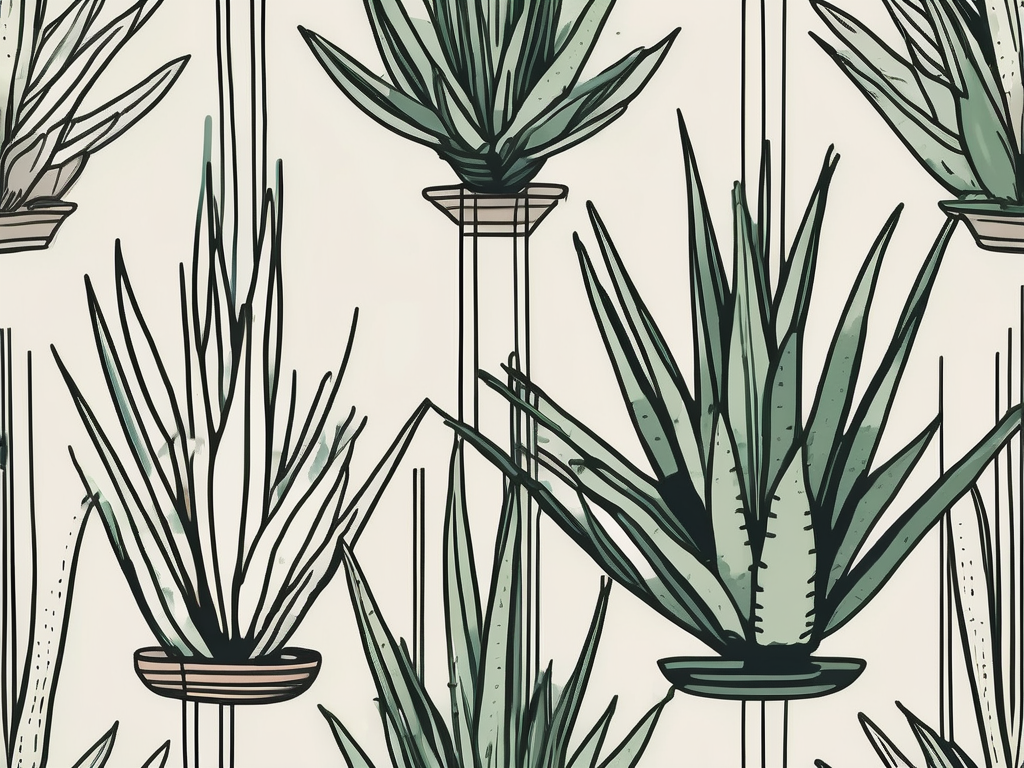
First things first, let’s talk about what makes yucca flowers so special. They’re not just any old blooms; they’re unique in both appearance and the way they grow. Typically, yucca flowers appear in clusters on a tall stalk that shoots up from the center of the plant. These stalks can reach impressive heights, sometimes up to 6 or 7 feet, depending on the species. The flowers themselves are usually white or cream-colored, though some species boast hues of pink or purple.
The real charm of yucca flowers lies in their bell-shaped blossoms. They have a delicate, almost ethereal quality that contrasts beautifully with the bold, spiky leaves of the plant. This contrast is one of the reasons yucca flowers are so admired by gardeners and plant lovers alike.
Interestingly, yucca plants rely on a specific kind of moth for pollination, known as the yucca moth. This mutualistic relationship means that without these moths, yucca plants wouldn’t be able to reproduce as effectively. It’s a beautiful example of nature’s interconnectedness.
The Different Types of Yucca Flowers
Yucca plants are quite versatile, and there are several species you might encounter. Each brings its own charm and can be a wonderful addition to your garden or indoor plant collection. Here are a few types you might come across:
- Adam’s Needle (Yucca filamentosa): This is one of the more common species and is often used in landscaping. It’s known for its sword-like leaves and tall flower stalks that can reach up to 8 feet.
- Spanish Dagger (Yucca gloriosa): With its striking appearance, this yucca features stiff, sharp leaves and creamy white flowers tinged with purple. It’s a great choice for coastal gardens.
- Red Yucca (Hesperaloe parviflora): Despite its name, this isn’t a true yucca, but it shares a similar look. It’s known for its red or coral flowers and is drought-tolerant, making it ideal for xeriscaping.
- Soaptree Yucca (Yucca elata): This species is native to the southwestern United States and northern Mexico. It’s often seen in desert landscapes and is known for its tall, narrow trunk and creamy white flowers.
Each type of yucca brings something unique to the table, whether it’s the color of the blooms, the height of the flower stalks, or the shape of the leaves. Choosing the right yucca for your space can depend on your climate and the look you’re going for.
Encouraging Your Yucca to Bloom
So, you’ve got a yucca plant, and you’re eager to see those beautiful flowers. But how do you coax them into blooming? It can take a bit of patience and the right conditions, but it’s definitely worth it.
Yucca plants typically bloom in late spring to early summer, but this can vary depending on the climate and the specific species of yucca. Here are a few tips to help encourage your yucca to produce flowers:
- Sunlight: Yuccas thrive in bright, direct sunlight. Make sure your plant gets plenty of it, as this is critical for flower production.
- Soil: Well-draining soil is a must. Yuccas don’t like to sit in water, so ensure your pot or garden soil allows excess water to escape.
- Watering: These plants are drought-tolerant, so they don’t need too much water. In fact, overwatering can lead to root rot, which will definitely hinder blooming.
- Feeding: While yuccas don’t need a lot of fertilizer, a light feeding in the spring can give them a boost. Use a balanced, slow-release fertilizer for best results.
- Pruning: After your yucca has flowered, you can remove the spent flower stalks. This won’t directly cause more flowers to grow, but it can help the plant focus its energy on new growth.
Remember, patience is key. Some yuccas may take a few years to bloom, especially if they’ve been recently planted or moved. But with the right care, your yucca should reward you with its stunning flowers.
Indoor Yucca Care Tips
While yuccas are often found outdoors, they can also make fantastic indoor plants. Their architectural shape and low-maintenance nature make them a popular choice for plant parents who want something a little different.
When growing a yucca indoors, you’ll want to mimic its natural environment as much as possible. Here are some tips to help your indoor yucca thrive:
- Light: Like their outdoor counterparts, indoor yuccas need lots of sunlight. Place them near a south-facing window where they can soak up the rays.
- Temperature: Yuccas prefer warmer temperatures, ideally between 65°F and 80°F. Keep them away from drafts and cold windows during the winter months.
- Humidity: Yuccas are not fussy about humidity, which makes them perfect for indoor environments. Just keep in mind that overly humid conditions can lead to fungal issues.
- Watering: Allow the soil to dry out between waterings. A good rule of thumb is to water once every two to three weeks, but this can vary depending on your home’s environment.
- Potting: Choose a pot with drainage holes to prevent water from collecting at the bottom. A well-draining cactus or succulent mix is also ideal for yuccas.
Caring for a yucca indoors is relatively straightforward, but it’s important to watch for signs of distress, like yellowing leaves or stunted growth. These can indicate issues like overwatering or a lack of light.
Designing with Yucca Flowers
Yucca flowers aren’t just for gardeners; they’re also a fantastic choice for anyone interested in interior design. Their bold structure and striking blooms can add a touch of drama to any room.
When using yucca flowers in your home, think about how you can highlight their unique features. Here are a few design tips:
- Focal Points: Use yucca flowers as a focal point in a room. Their height and shape make them perfect for drawing the eye, especially in minimalist or modern spaces.
- Texture Contrast: Pair yuccas with softer, more delicate plants. This can create a beautiful contrast that highlights the yucca’s boldness.
- Container Choice: Choose containers that complement the yucca’s aesthetic. Sleek, modern pots in neutral colors can enhance their architectural appeal.
- Grouping: Consider grouping yucca plants with other succulents or cacti for a cohesive look. This not only looks great but also makes care easier, as these plants have similar needs.
Designing with yuccas can be a fun way to experiment with different styles and arrangements. Whether you’re aiming for a desert-inspired vibe or a contemporary look, yucca flowers can bring a touch of nature into your home decor.
Yucca Flowers in Outdoor Landscaping
If you’re looking to add some drama to your outdoor space, yucca flowers might just be the plant you need. They’re not only beautiful but also hardy, making them ideal for a variety of landscapes.
When incorporating yucca flowers into your garden, consider the following:
- Height and Structure: Yuccas can add vertical interest to your garden, thanks to their tall flower stalks. Use them as a backdrop for shorter plants or as a centerpiece in a mixed border.
- Companion Planting: Pair yuccas with other drought-tolerant plants like lavender, agave, or ornamental grasses. This not only looks cohesive but also ensures all plants have similar care needs.
- Soil and Sun: Make sure the planting site has well-draining soil and full sun exposure. Yuccas are well-suited to dry, rocky landscapes, making them a good choice for xeriscaping.
- Maintenance: Once established, yuccas require minimal care. However, you may need to prune away dead leaves or remove spent flower stalks to keep them looking tidy.
By choosing the right location and companions, you can create a stunning outdoor display that showcases the beauty of yucca flowers while complementing the rest of your garden.
Pests and Problems: What to Watch For
Like any plant, yuccas can sometimes run into trouble. While they’re generally low-maintenance, it’s good to be aware of potential pests and problems that might affect your yucca’s health.
Common issues include:
- Scale Insects: These pests can appear as small, round bumps on the leaves and stems. They suck the sap from the plant, which can lead to yellowing or wilting leaves.
- Spider Mites: These tiny pests can cause stippling on the leaves and are often accompanied by fine webbing. They thrive in dry conditions, so increasing humidity can help deter them.
- Root Rot: This is often caused by overwatering or poorly draining soil. Symptoms include yellowing leaves and a mushy base. Ensure your plant’s pot has drainage holes, and be cautious not to overwater.
- Fungal Issues: Yuccas can be prone to fungal infections, especially in humid environments. Look out for black spots or powdery mildew on the leaves, and treat with a fungicide if necessary.
Keeping an eye on your yucca and addressing any issues early can help ensure it stays healthy and continues to produce those beautiful flowers. Regular inspections and proper care are key to preventing and managing any problems that arise.
How to Propagate Yucca Plants
If you’re a fan of your yucca and want more of them, you’re in luck! Propagating yucca plants is relatively straightforward, and there are a couple of methods you can try.
One common technique is using offsets, also known as “pups.” Here’s how you can propagate yuccas using this method:
- Identify Offsets: Look for small plants growing at the base of the main yucca. These are your offsets, and they can be used to grow new plants.
- Carefully Remove: Gently dig around the base of the offset to expose the roots. Use a clean, sharp knife to separate the offset from the main plant, ensuring you include some roots.
- Plant the Offset: Fill a pot with well-draining soil and plant the offset at the same depth it was growing. Water lightly.
- Provide Proper Care: Place the newly potted offset in a bright location and care for it as you would a mature yucca. It may take a few weeks for the plant to establish and start growing.
Alternatively, you can propagate yuccas through stem cuttings. This involves cutting a healthy stem from the plant and allowing it to root in soil or water. Both methods can be effective, so choose the one that best suits your needs and the plant you’re working with.
Why Yucca Flowers Are Worth the Wait
Patience is a virtue, especially when it comes to yucca flowers. These blooms don’t appear overnight, and it can sometimes take a few years before you see your first flower spike. But trust me, the wait is well worth it.
The anticipation of waiting for your yucca to bloom can make the experience even more rewarding. When those flowers finally appear, they bring a sense of accomplishment and joy. Plus, there’s something magical about seeing a plant you’ve nurtured transform into something so stunning.
It’s important to remember that every plant is different, and environmental factors can influence blooming. So if your yucca isn’t flowering as quickly as you’d hoped, don’t be discouraged. Keep providing the care it needs, and eventually, those beautiful blooms will come.
Final Thoughts
Yucca flowers are truly a sight to behold, bringing a touch of elegance and drama to gardens and homes alike. By understanding their needs and providing the right care, you can enjoy these stunning blooms for years to come.
At Cafe Planta, we’re passionate about helping you create a thriving plant collection. Whether you’re a seasoned plant parent or just starting out, we’re here to support you. If you have any questions, feel free to email us or connect with us on Instagram. Let’s grow together!