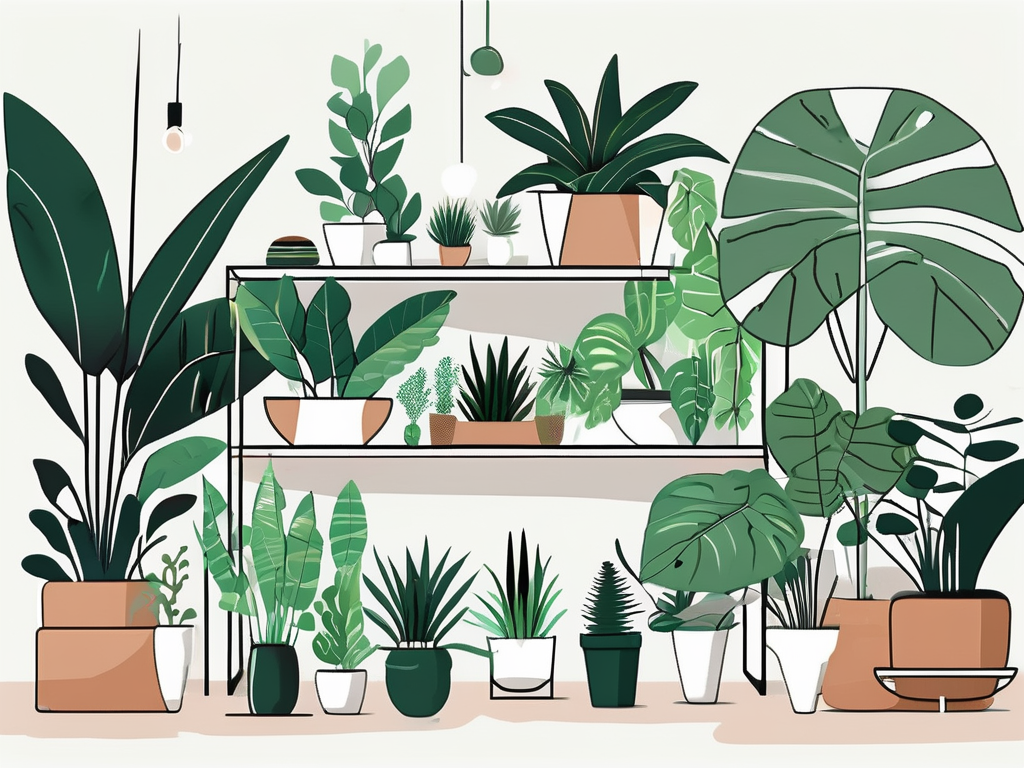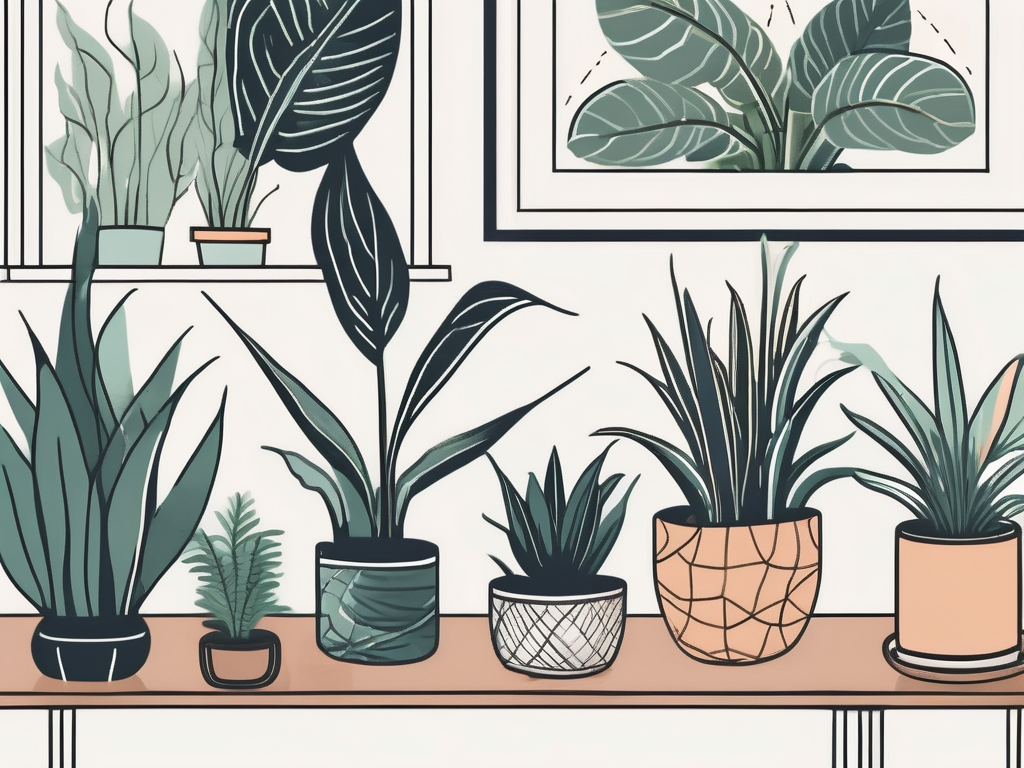
Houseplants do more than just decorate our homes; they improve air quality, making the indoor environment healthier for us. They act like natural air purifiers and can be a wonderful addition to any home. If you're curious about which plants do the best job at this, you're in for a treat.
In this article, we'll chat about some of the most effective air-purifying houseplants and give you tips on how to care for them. Whether you're a seasoned plant lover or someone just starting to explore the world of greenery, you'll find something valuable here.
Why Air-Purifying Plants Matter
You might be wondering, "Why should I care about air-purifying plants?" Well, they do more than just look pretty. These plants help remove toxins like formaldehyde, benzene, and trichloroethylene from the air. These are common chemicals found in household items such as paints, furniture, and cleaning products. Over time, exposure to these can cause health issues, so having plants that can help filter them out is a big deal.
Besides cleaning the air, plants can also boost your mood and productivity. Imagine working in a space filled with vibrant, fresh air and the calming presence of greenery. It's like bringing a piece of the outdoors inside. And let's be honest, they make any room look more lively and inviting.
So, not only are these plants good for your health, but they're also a great way to make your home feel more cozy and welcoming. Let's dig into some of the top air-purifying plants you can add to your space.
Snake Plant: The Hardy Survivor
The snake plant, or Sansevieria, is like the superhero of the plant world. It's incredibly tough and can survive in low light and drought conditions, making it perfect for beginners. This plant is known for its ability to convert CO2 into oxygen at night, which is rare for houseplants.
When it comes to air purification, snake plants are champs at filtering out toxins like formaldehyde and benzene. They're also quite forgiving; you can forget to water them for weeks, and they'll still thrive. Just make sure not to overwater them, as they prefer dry soil.
- Light: Low to bright indirect light
- Water: Allow the soil to dry out between waterings
- Care Tips: Wipe leaves with a damp cloth to remove dust
With its striking, upright leaves, the snake plant adds a modern touch to any room. Plus, it's a great choice for bedrooms due to its nighttime oxygen production. It's like having a green, leafy friend looking out for your well-being.
Peace Lily: Beauty and Function
Peace lilies are well-loved for their graceful appearance and easy-going nature. They have beautiful white blooms that contrast nicely with their deep green leaves. But don't let their delicate look fool you; they're quite effective at purifying the air.
These plants are particularly good at removing ammonia, benzene, and formaldehyde from the air. However, they do have one quirk: they prefer a bit more humidity than other houseplants. This makes them perfect for bathrooms or kitchens, where moisture levels are typically higher.
- Light: Moderate to low, indirect sunlight
- Water: Keep the soil moist, but not soggy
- Care Tips: Mist the leaves occasionally for added humidity
One thing to keep in mind is that peace lilies are mildly toxic to pets, so it's best to keep them out of reach of curious cats and dogs. With a little care, peace lilies can flourish and keep your space looking fresh and clean.
Bamboo Palm: The Tropical Cleanser
If you're dreaming of a tropical vibe, the bamboo palm is your go-to plant. It brings a touch of the tropics into your home while effectively filtering out benzene, formaldehyde, and trichloroethylene. Plus, it adds a lush, green element to your decor.
Bamboo palms prefer bright, indirect light and slightly moist soil. They're relatively easy to care for, making them a great choice for anyone, whether you're new to plants or have been growing them for years. They also help humidify the air, which can be beneficial in dry homes, especially during winter months.
- Light: Bright, indirect light
- Water: Keep the soil slightly moist, but not soggy
- Care Tips: Prune any yellow or brown fronds to encourage new growth
With its elegant, arching fronds, the bamboo palm can grow quite tall, adding height and drama to your space. It's like having a little piece of paradise in your living room.
Spider Plant: The Resilient Green Machine
The spider plant is a classic choice for anyone looking to improve indoor air quality. It's easy to grow and incredibly resilient, making it a favorite among plant people. Its ability to remove pollutants like formaldehyde and xylene is well-documented, and its cascading leaves add a lovely touch to any room.
Spider plants are great for hanging baskets or shelves, where their long, arching leaves can dangle freely. They're also known for producing "babies" or offshoots that can be easily propagated into new plants. This makes them a fun option for anyone who enjoys sharing plants with friends or expanding their collection.
- Light: Bright, indirect light
- Water: Allow the soil to dry out between waterings
- Care Tips: Trim dead leaves to keep the plant looking tidy
Spider plants are non-toxic to pets, which is a bonus for households with furry friends. With minimal effort, you'll have a thriving plant that not only looks good but also helps clean the air you breathe.
Boston Fern: The Humidity Lover
Boston ferns are another popular choice for air purification. They excel at removing pollutants like formaldehyde and xylene, but they do have a few specific needs. They thrive in humid environments, so they're perfect for bathrooms or kitchens where there's more moisture.
These ferns prefer indirect light and consistently moist soil. They can be a bit finicky if the air is too dry, so it's a good idea to mist them regularly or place them near a humidifier. Despite their fussiness, their feathery foliage makes them a stunning addition to any home.
- Light: Indirect light
- Water: Keep the soil consistently moist
- Care Tips: Mist regularly or place near a humidifier
Boston ferns bring a touch of elegance with their lush foliage, and when given the right conditions, they can be a long-lasting part of your plant family. They're perfect for creating a cozy, inviting atmosphere.
Aloe Vera: The Medicinal Marvel
Aloe vera is not just a plant; it's like having a little first-aid kit on your windowsill. Known for its soothing gel, which can be used for minor cuts and burns, aloe vera is also great at filtering out formaldehyde and benzene from the air.
These succulents thrive in bright, indirect sunlight and prefer drier conditions, so they're a fantastic option if you tend to forget to water your plants. Their thick, fleshy leaves store water, making them quite drought-resistant.
- Light: Bright, indirect light
- Water: Allow the soil to dry out completely between waterings
- Care Tips: Use well-draining soil to prevent root rot
With their easy maintenance and practical uses, aloe vera plants are perfect for both plant enthusiasts and those who appreciate a low-maintenance option. Plus, they add a lovely, structured element to your home decor.
Rubber Plant: The Elegant Air Cleaner
Rubber plants are not only striking with their glossy leaves, but they're also excellent at purifying the air. They can grow quite large, making them a bold statement piece for any room. Their ability to remove toxins like formaldehyde is impressive, and they add a touch of sophistication to your space.
These plants prefer bright, indirect light and require moderate watering. They do best in well-draining soil and benefit from occasional leaf cleaning to keep them looking their best.
- Light: Bright, indirect light
- Water: Water when the top inch of soil is dry
- Care Tips: Wipe leaves with a damp cloth to remove dust and keep them shiny
With their rich, deep green leaves, rubber plants can transform a room into a chic and inviting space. They're a stunning choice for anyone looking to add both beauty and functionality to their home.
Pothos: The Unfussy Favorite
Pothos, also known as devil's ivy, is a beloved houseplant for its ease of care and air-purifying abilities. It's incredibly forgiving, making it perfect for beginners or anyone with a busy lifestyle. Pothos is effective at removing toxins like formaldehyde, benzene, and toluene from the air, and its trailing vines add a lovely cascading effect to your decor.
This plant can thrive in a variety of lighting conditions, from low light to bright, indirect sunlight. It's also adaptable to different watering schedules, although it prefers its soil to dry out between waterings.
- Light: Low to bright, indirect light
- Water: Let the soil dry out between waterings
- Care Tips: Trim vines to encourage bushier growth
Whether you place it on a shelf, in a hanging basket, or allow it to climb a trellis, pothos brings a touch of greenery to any room with minimal fuss. It's a classic choice that never goes out of style.
Final Thoughts
Incorporating air-purifying plants into your home is a simple yet effective way to improve indoor air quality while also adding a touch of nature to your decor. From the hardiness of snake plants to the elegance of rubber plants, there's a green friend for everyone.
At Cafe Planta, we're passionate about plants and their ability to enhance our lives. Whether you're looking for new additions for your home or need advice on plant care, we're here to help. Feel free to email us or reach out on Instagram. We believe in the power of plants to bring people together and create beautiful, thriving spaces.