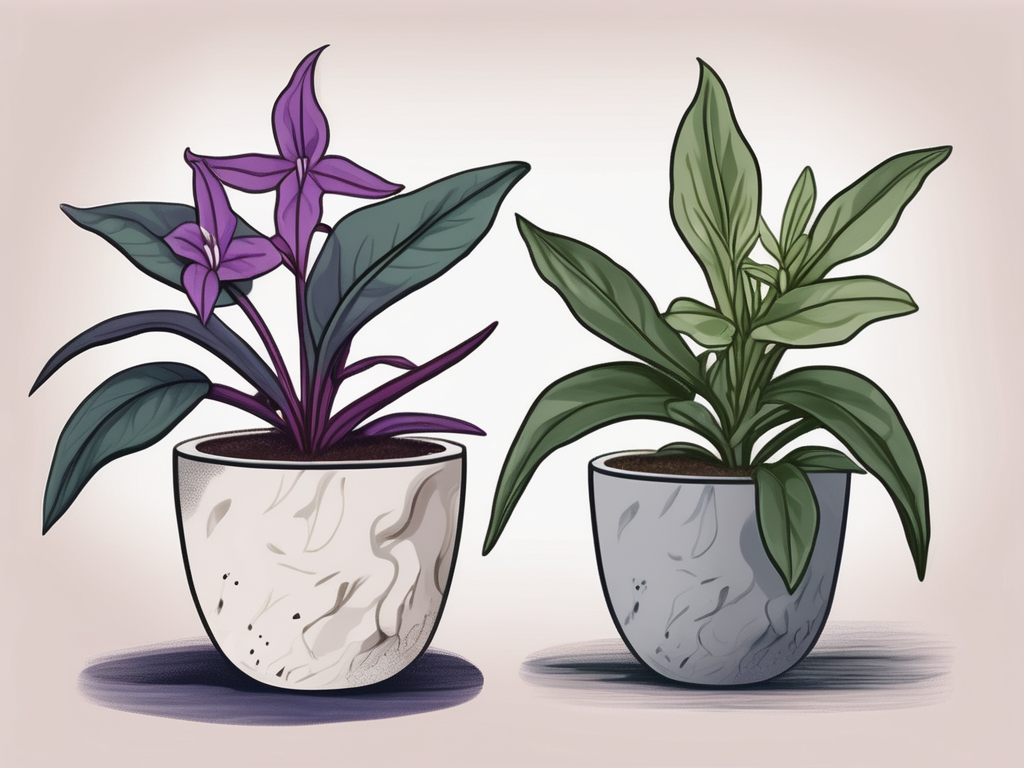
Dragon Wing Begonias are a favorite among plant lovers for their vibrant blooms and lush foliage. These hardy plants, with their cascading leaves and bright flowers, can transform any space into a mini oasis. But to keep them looking their best, you need to know a bit about their nutrition needs.
In this article, we'll go through everything you need to know about fertilizing Dragon Wing Begonias. From understanding what types of fertilizers work best to how often you should feed your plants, we've got you covered. By the end of this read, you'll feel confident in giving your begonias the care they deserve.
Understanding Dragon Wing Begonias
Before we jump into fertilizers, let's take a moment to appreciate what makes Dragon Wing Begonias so special. These plants are known for their adaptability and resilience, thriving both indoors and outdoors. Their wing-shaped leaves and clusters of blooms in shades of pink, red, and white make them a popular choice for gardeners and plant parents alike.
Dragon Wing Begonias are part of the Begoniaceae family, which includes over 1,800 species. They prefer warm, humid environments and can tolerate some shade, making them versatile enough for various settings. However, like all plants, they have specific nutritional needs that must be met to keep them healthy and flourishing.
So, what's the secret to keeping these beauties in top shape? It all comes down to understanding their growth patterns and providing the right nutrients at the right time. Let's break it down.
The Importance of Fertilizing
Fertilizing is a crucial part of plant care. It's like giving your plants a vitamin boost. While Dragon Wing Begonias can survive with minimal care, fertilizing them ensures they grow strong and produce vibrant blooms.
Without adequate nutrients, begonias can become leggy or fail to flower, which defeats the purpose of having them, right? Fertilizers supply the essential nutrients that might not be present in the soil or potting mix. These nutrients include nitrogen, phosphorus, and potassium—often referred to as N-P-K.
Think of N-P-K as the holy trinity of plant nutrition: Nitrogen helps with leaf growth, phosphorus aids in root and flower development, and potassium supports overall plant health. Getting the balance right is key to keeping your begonias looking their best.
Types of Fertilizers for Dragon Wing Begonias
There are several types of fertilizers to consider for your Dragon Wing Begonias, each with its pros and cons. Here's a closer look at some popular options:
- Liquid Fertilizers: These are easy to apply and quickly absorbed by the plants. They offer the flexibility of adjusting the concentration to suit your plant's needs. However, they require frequent application, typically every two weeks during the growing season.
- Granular Fertilizers: These are sprinkled on the soil and release nutrients slowly over time. They're convenient for those who prefer a less frequent fertilizing schedule, usually every 4-6 weeks.
- Slow-Release Fertilizers: As the name suggests, these release nutrients gradually, providing a steady supply over several months. They are ideal for busy plant parents who might forget to fertilize regularly.
- Organic Fertilizers: Made from natural materials, these are great for eco-conscious gardeners. They improve soil structure and microbial activity, though they might not offer an immediate nutrient boost like synthetic options.
Choosing the right type of fertilizer depends on your lifestyle, the time you can commit to plant care, and your personal preferences. It's worth experimenting with a couple of options to see what works best for you and your begonias.
When to Fertilize Your Begonias
Timing is everything when it comes to fertilizing Dragon Wing Begonias. These plants typically thrive during the spring and summer months, which is their active growing season. This is when they're producing new leaves and blooms, requiring more nutrients.
During this period, fertilize your begonias every 2-4 weeks, depending on the type of fertilizer you're using. Liquid fertilizers might need to be applied more frequently, while granular or slow-release options can be spread out over a longer period.
As the weather cools and your begonias enter a dormant phase in the fall and winter, you can reduce the frequency of fertilizing. Once every 6-8 weeks should suffice, or you can even stop altogether if the plant's growth slows significantly.
Remember, over-fertilizing can be just as harmful as neglecting to fertilize. Too much fertilizer can lead to salt buildup in the soil, which can damage the plant's roots. Always follow the instructions on the fertilizer package, and when in doubt, err on the side of caution.
How to Fertilize Dragon Wing Begonias
Fertilizing your Dragon Wing Begonias is a straightforward process, but there are a few tips to ensure you're doing it effectively:
- Read the Instructions: Start by carefully reading the instructions on your fertilizer package. This will give you the recommended dosage and application frequency.
- Water First: It's a good idea to water your begonias before applying fertilizer. This helps prevent root burn by diluting the fertilizer and ensuring even distribution.
- Apply Evenly: Whether you're using liquid or granular fertilizer, apply it evenly around the base of the plant. Avoid getting fertilizer on the leaves or flowers, as this can cause damage.
- Monitor Your Plants: Keep an eye on your begonias after fertilizing. Look for signs of nutrient deficiency or excess, such as yellowing leaves or wilting. Adjust your fertilizing schedule as needed.
With these steps in mind, you'll be well on your way to keeping your Dragon Wing Begonias happy and healthy.
Signs of Over-Fertilization
While fertilizing is important, it's equally important to avoid going overboard. Over-fertilization can lead to several issues, including:
- Leaf Burn: Brown or scorched leaf edges often indicate too much fertilizer.
- Salt Buildup: A white crust on the soil surface can signal excess fertilizer salts.
- Root Damage: Over time, too much fertilizer can harm the plant's roots, leading to stunted growth or wilting.
If you notice any of these signs, it's time to take action. Start by flushing the soil with water to remove excess salts. You may need to repot your plant in fresh soil if the issue persists.
Remember, it's always better to under-fertilize than to over-fertilize. Plants can recover from nutrient deficiencies more easily than from nutrient overload.
Choosing the Right Fertilizer Brand
With so many brands on the market, picking the right fertilizer can feel overwhelming. Here are a few tips to help you choose:
- Research: Look for brands that have good reviews and a reputation for producing quality products. A bit of research can save you a lot of trial and error.
- Consult Fellow Plant Lovers: Reach out to other plant people in forums or social media groups for recommendations. They might have insights on what works best for Dragon Wing Begonias.
- Try Different Options: Don't hesitate to experiment with a few different brands. Over time, you'll find what works best for your plants.
Ultimately, the best fertilizer is one that suits your plant's needs and your lifestyle. It might take some trial and error, but your begonias will thank you for the effort.
Common Fertilizing Mistakes to Avoid
Even the most seasoned plant parents can make mistakes when it comes to fertilizing. Here are some common pitfalls to watch out for:
- Ignoring Soil Type: Different soils have different nutrient levels. Test your soil to understand its composition and adjust your fertilizing routine accordingly.
- Neglecting to Water: Failing to water plants before fertilizing can lead to root burn. Always water first unless the fertilizer instructions say otherwise.
- Using the Wrong Fertilizer: Not all fertilizers are created equal. Choose a formula specifically designed for flowering plants to support your begonias' growth.
Avoiding these common mistakes will help you maintain healthy, vibrant Dragon Wing Begonias that thrive throughout the year.
Fertilizing and Plant Health
Fertilizing is just one part of the equation when it comes to maintaining plant health. To keep your Dragon Wing Begonias thriving, consider these additional factors:
- Light: Ensure your begonias get the right amount of light. They prefer bright, indirect sunlight, which helps them grow and bloom.
- Humidity: These plants love humidity. Consider placing a humidifier nearby or misting the leaves regularly, especially in dry environments.
- Pest Control: Watch out for pests like aphids or spider mites. Regularly inspect your plants and treat any infestations promptly.
By addressing these aspects of plant care, you'll create an environment where your Dragon Wing Begonias can truly thrive.
Final Thoughts
Fertilizing your Dragon Wing Begonias is essential for their growth and health, but it doesn't have to be complicated. With the right type of fertilizer and a consistent schedule, you can keep these stunning plants thriving in any setting. Remember to monitor your plants and adjust your routine as needed to ensure they're getting the nutrients they need.
At Cafe Planta, we're passionate about helping you succeed with your plant care journey. Whether you're looking for guidance on fertilizing or advice on other plant care topics, we're here to help. Feel free to email us or send us a message on Instagram. We believe plants bring joy and connection, and we're excited to support you in creating a lush, green space in your home.