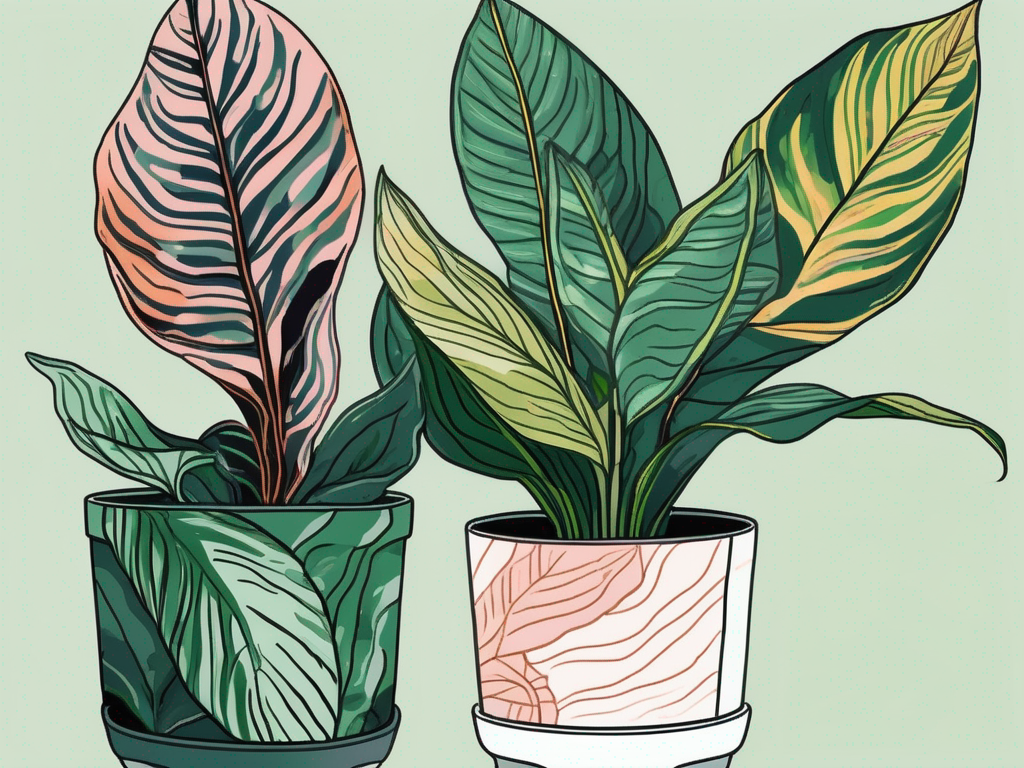
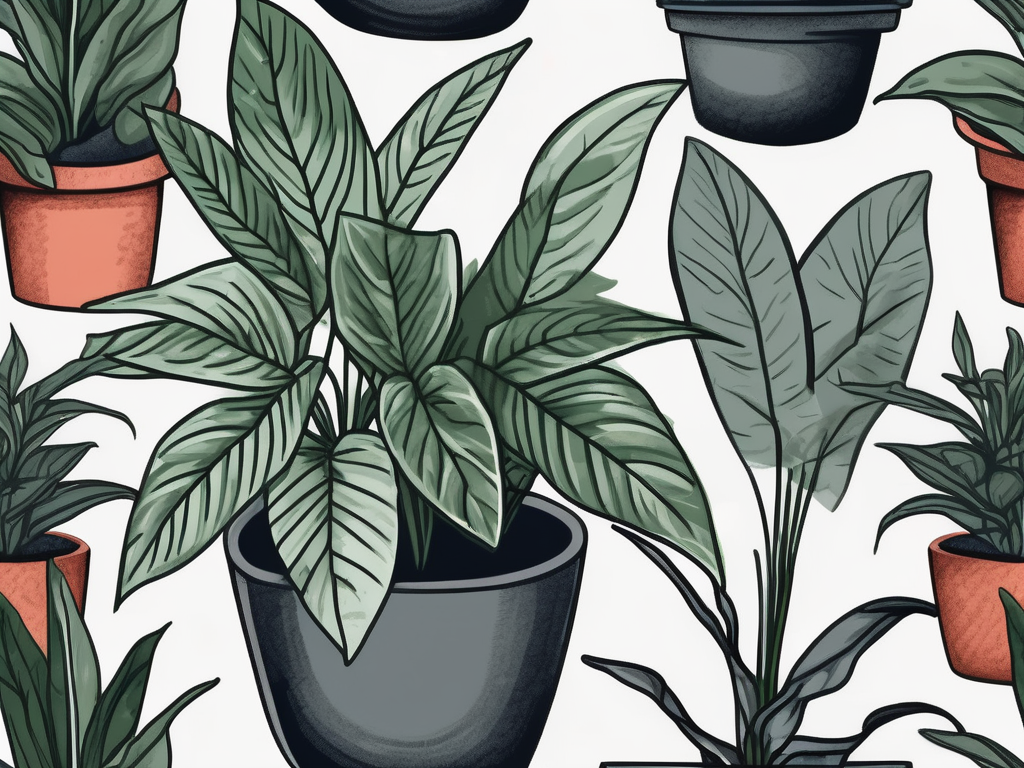
Philodendron Pink Princess is a plant that’s as popular as it is beautiful. With its dark green leaves streaked with vibrant pink, it's easy to see why plant lovers are drawn to it. But, like any cherished houseplant, it needs the right care to thrive, especially when it comes to feeding it properly.
This article is all about finding the perfect fertilizer for your Philodendron Pink Princess. We'll explore what makes a good fertilizer, how often to feed your plant, and some handy tips to keep your Pink Princess in top shape. So, if you've ever wondered about the best way to pamper your leafy friend, read on!
Understanding Your Philodendron Pink Princess
Before we jump into the nitty-gritty of fertilizers, let's talk a little about what makes the Philodendron Pink Princess so special. This tropical plant is known for its striking leaves that can range from a soft blush to a bold magenta. It's not just a pretty face though; it's also a relatively easy plant to care for, which makes it a favorite among both new and seasoned plant parents.
The Pink Princess hails from the rainforests of Colombia, where it enjoys warm temperatures and plenty of moisture. This means it thrives in bright, indirect light and appreciates a humid environment. The variegation of its leaves, however, requires a bit more light than your average green philodendron.
Understanding these basic needs is crucial because they play a big role in how you should fertilize your plant. Since it’s a slow grower, especially compared to other philodendrons, you have to be careful not to overdo it with the nutrients. Too much fertilizer can cause more harm than good!
What Makes a Good Fertilizer?
Now, let's get into the specifics of what kind of fertilizer works best for Philodendron Pink Princess. Fertilizers are like multivitamins for your plants; they provide essential nutrients that might not be available in the soil. But not all fertilizers are created equal.
For Pink Princess, you'll want a balanced, water-soluble fertilizer. A balanced fertilizer typically has equal parts of nitrogen (N), phosphorus (P), and potassium (K), which are the three primary nutrients plants need. Look for something like a 10-10-10 or 20-20-20 mix. This balance ensures that your plant gets a little bit of everything it needs to grow strong and beautiful.
It's also important to consider the form of the fertilizer. Liquid fertilizers are often preferred because they’re easy to mix with water and apply, ensuring even distribution. However, slow-release granules can also work if you prefer something less frequent. Just be cautious as they can sometimes release nutrients too quickly if the plant is overwatered.
When and How to Fertilize
Timing is everything when it comes to fertilizing your plants. For the Pink Princess, the growing season runs from spring through summer. During these months, you can fertilize every month or so. However, in the fall and winter, when the plant's growth naturally slows, you should cut back to every other month or even stop altogether.
When you do fertilize, always follow the instructions on the product label, but a good rule of thumb is to use half the recommended strength. This precaution helps prevent over-fertilization, which can lead to root burn and other problems.
To apply the fertilizer, simply mix it with water according to the instructions and water your plant as usual. Make sure the soil is already a little damp before you fertilize. Adding fertilizer to dry soil can sometimes shock the roots.
Signs Your Pink Princess Needs Fertilizer
So, how can you tell if your Philodendron Pink Princess needs a little nutritional boost? There are a few tell-tale signs to watch out for:
- Slow Growth: If your plant isn’t putting out new leaves during the growing season, it might need more nutrients.
- Pale Leaves: A lack of nutrients can cause the leaves to lose their vibrant color and look washed out.
- Yellowing Leaves: While this can also be a sign of overwatering, yellow leaves can indicate a nutrient deficiency.
- Brown Leaf Tips: This can sometimes signal that your plant is lacking in essential nutrients.
If you notice any of these signs, it might be time to tweak your feeding schedule or consider trying a different type of fertilizer. Remember, though, that changes in light and water can also affect your plant's health, so consider all factors before deciding on more fertilizer.
Avoiding Common Fertilizing Mistakes
Even the most well-intentioned plant parent can make mistakes when it comes to fertilizing. Here are a few common pitfalls to avoid:
- Over-Fertilizing: More isn’t always better. Too much fertilizer can burn the roots and lead to leaf browning. Always err on the side of caution with weaker solutions.
- Fertilizing in Winter: Remember, your Pink Princess goes into a rest period during the colder months. Fertilizing when the plant is not actively growing can lead to salt buildup in the soil.
- Ignoring Other Needs: Fertilizer isn't a cure-all. Make sure your plant is getting the right light, water, and humidity levels, too.
Keeping these tips in mind can help ensure that your Pink Princess not only survives but thrives.
Choosing Organic vs. Synthetic Fertilizers
Another consideration when selecting fertilizer is whether to go organic or synthetic. Both have their pros and cons, and the choice largely depends on your gardening philosophy.
Organic Fertilizers: These are derived from natural sources like plant or animal matter. They’re generally considered more environmentally friendly and can improve soil health over time. Compost, worm castings, and fish emulsion are popular organic options. However, they often release nutrients more slowly, which might not be ideal if your plant needs an immediate boost.
Synthetic Fertilizers: These are chemically manufactured and typically provide nutrients more quickly. They’re usually more concentrated, which means you have to be extra careful about not overdoing it. While they’re effective, some plant people prefer to avoid them due to potential environmental impacts.
Whichever you choose, the most important thing is to ensure it meets the needs of your Pink Princess and that you use it responsibly.
DIY Fertilizer Options
If you're the DIY type, you might be interested in making your own plant food. There are many simple recipes you can try at home using ingredients you probably already have.
One popular option is a banana peel fertilizer. Simply chop up some banana peels and soak them in water for a couple of days. The resulting liquid can be used as a potassium-rich fertilizer. Another easy DIY method is to use coffee grounds, which are high in nitrogen. Just be sure to compost them first to neutralize the acidity.
These homemade fertilizers can be a fun way to experiment with feeding your plants, but they should be used in moderation. It’s also wise to test them on a small portion of your plant first to ensure they don’t cause any adverse reactions.
Brands to Consider
If you're looking for store-bought options, there are plenty of reputable brands that offer quality fertilizers for your Pink Princess. Here are a few that are well-loved by plant lovers:
- Miracle-Gro: Their water-soluble all-purpose plant food is a popular choice for many houseplants, including Philodendron Pink Princess.
- Dyna-Gro: Known for their high-quality liquid fertilizers, Dyna-Gro’s formulas are well-balanced and easy to use.
- Jack’s Classic: Their 20-20-20 all-purpose fertilizer is another great option that provides a balanced nutrient boost.
- Espoma: If you prefer organic options, Espoma offers a range of natural fertilizers that are gentle on plants.
When choosing a brand, it’s always a good idea to read reviews and perhaps even ask for recommendations from fellow plant people.
Adjusting Fertilization Over Time
The needs of your Philodendron Pink Princess may change over time, especially as it grows. A young plant might need more frequent feeding as it establishes itself, while a mature plant may require less frequent nourishment.
Keep an eye on your plant's growth and adjust your fertilization routine as needed. If you notice new growth is slowing or the color of the leaves is fading, it might be time to reassess your approach. On the other hand, if everything is looking vibrant and healthy, keep doing what you’re doing!
Remember, plants are living creatures with their own unique needs. What works for one plant might not work for another, even within the same species. Paying attention to your plant's signals is key to keeping it healthy and happy.
Final Thoughts
In summary, finding the right fertilizer for your Philodendron Pink Princess is all about understanding its needs and striking a balance. A balanced, water-soluble fertilizer applied during the growing season can help your plant thrive, but always be mindful of the signs it gives you.
At Cafe Planta, we're passionate about helping plant lovers care for their green companions. Whether you're looking for unique plants, care accessories, or just want to chat about houseplants, we're here for you. Feel free to reach out via email or drop us a message on Instagram. We believe plants bring us closer to nature and each other, and we're thrilled to be a part of your plant journey!