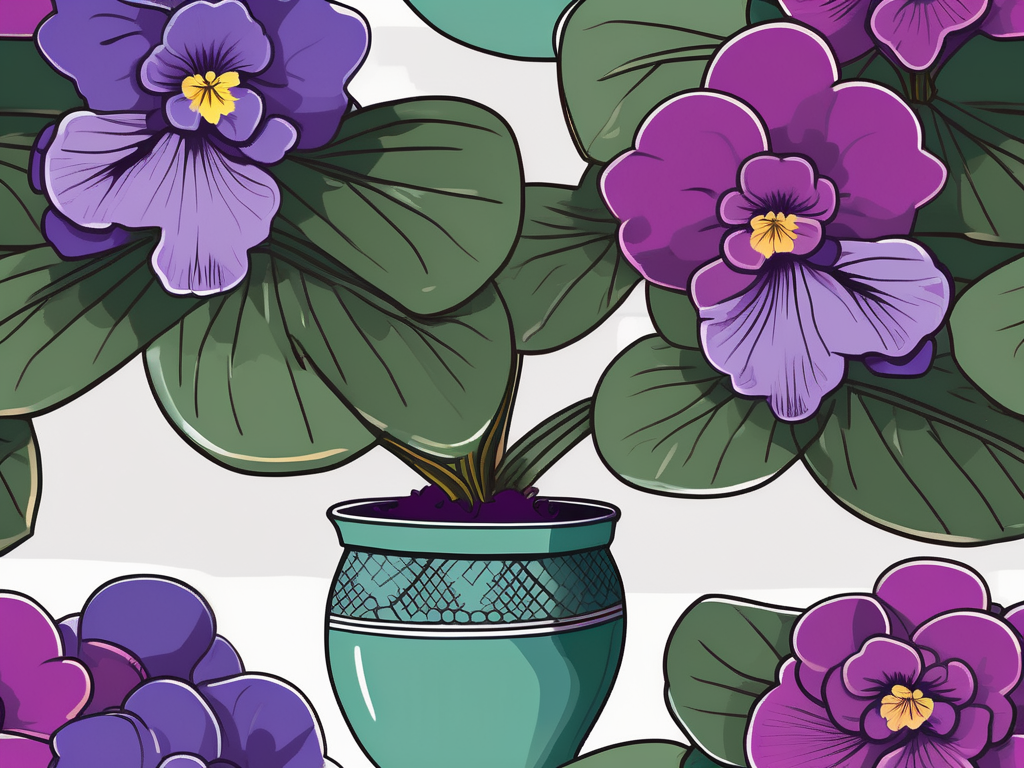
Oh, African violets! These charming little plants with their velvety leaves and vibrant blooms can brighten up any indoor space. But as delightful as they are, they require a bit of special attention to thrive, starting with the right pot. Choosing the best pot for your African violet can mean the difference between a flourishing plant and one that's struggling.
In this article, we'll chat about various pot options, the importance of drainage, and how pot material can affect your plant's health. We'll also cover pot size, self-watering pots, and decorative considerations. Whether you're a seasoned plant parent or a newcomer to the world of African violets, there's something here for everyone. Let's get started!
Why Pot Matters for African Violets
Choosing the correct pot is not just about aesthetics, although that's certainly part of it. The pot you choose can significantly impact your African violet's overall health and growth. Why? Well, it's all about the roots! Healthy roots make for a healthy plant, and the pot plays a crucial role in maintaining that health.
One of the most common problems African violet owners face is overwatering. These plants are sensitive to waterlogged soil, which can lead to root rot. A pot with good drainage is essential to prevent this. You might think that any pot with a hole at the bottom will do, but there's a bit more to it. We'll explore that in more detail later.
Additionally, the material of the pot can affect factors like soil moisture and temperature. Different materials have different properties, and understanding these can help you make an informed decision. So, let's break it down.
Understanding Drainage
Drainage is critical for keeping your African violet happy. Imagine you're wearing a pair of boots that are constantly soaked. Not fun, right? It's the same for your plant's roots. They need air just as much as they need water, and a pot with proper drainage ensures they get it.
Look for pots with drainage holes at the bottom. This allows excess water to escape, preventing the soil from becoming waterlogged. If you're using a decorative pot without a hole, consider placing a smaller pot with a hole inside it. This way, you get the best of both worlds: style and function.
Another option is to use a potting mix specifically designed for African violets. These mixes are formulated to provide the right balance of moisture retention and drainage. Pairing the right pot with the right soil can make all the difference.
Choosing the Right Pot Material
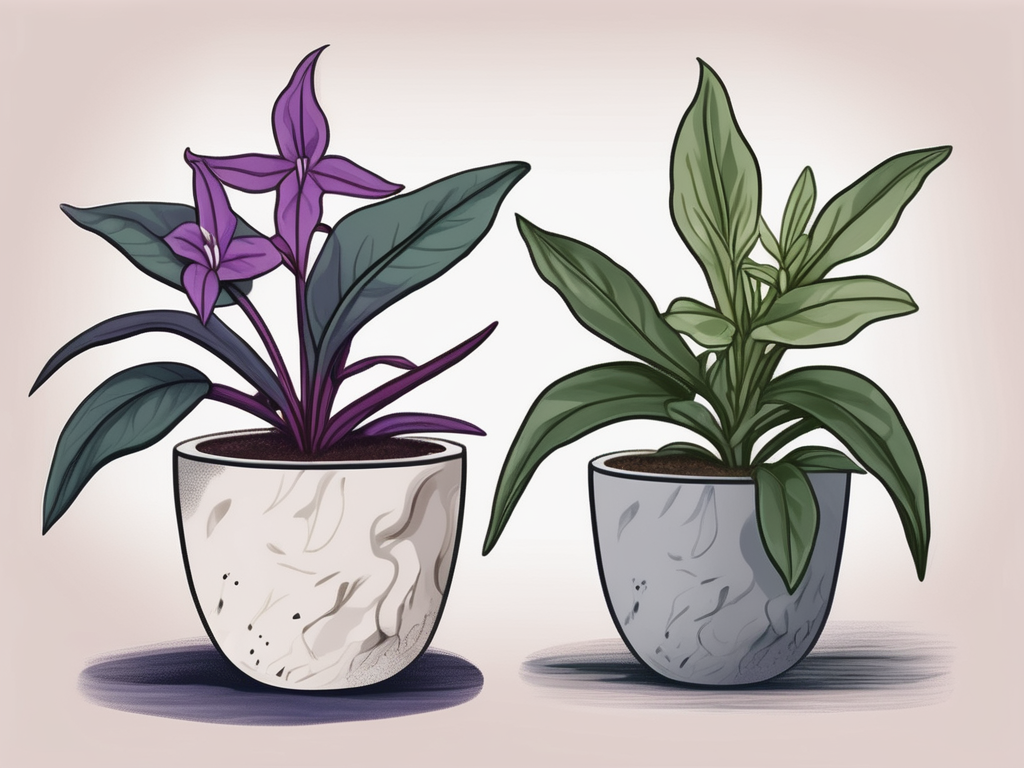
When it comes to pot material, you've got options: plastic, ceramic, terra cotta, and more. Each has its pros and cons, so let's take a closer look.
Plastic Pots: These are lightweight and often come with built-in saucers for drainage. They're affordable and practical, but they don't allow for much air exchange. This can be a drawback if your plant needs extra aeration.
Ceramic Pots: Ceramic pots are heavier and more stable, making them a great choice if you've got a particularly top-heavy plant. They often come in beautiful designs, adding an aesthetic touch to your home. However, they can be more expensive and may not always have drainage holes.
Terra Cotta Pots: These are porous and allow for better airflow and moisture evaporation. They're excellent for plants that need a bit more breathing room. The downside? They can dry out quickly, so you'll need to keep an eye on soil moisture levels.
Ultimately, the best material for your pot will depend on your specific needs and preferences. Consider your watering habits, the environment, and the look you're going for when making your choice.
Pot Size: Not Too Big, Not Too Small
African violets have a preference when it comes to pot size, and it's a bit like Goldilocks: not too big, not too small, but just right. These plants prefer to be slightly root-bound, meaning they do well in pots that aren't much larger than their root system.
If the pot is too large, the plant may put more energy into growing roots rather than blooms. Plus, excess soil can retain too much moisture, leading to root rot. On the other hand, a pot that's too small won't provide enough room for root growth, stunting the plant's development.
As a general rule, choose a pot that's about one-third the diameter of the plant's leaf spread. This allows for healthy growth without overwhelming the plant. And remember, you can always repot as your plant grows!
Self-Watering Pots: A Convenient Option
If you're someone who forgets to water your plants or tends to overwater, consider a self-watering pot. These pots have a reservoir at the bottom that provides a steady supply of water, reducing the risk of over- or under-watering.
Self-watering pots can be a lifesaver for busy plant parents. They take some of the guesswork out of watering, giving your African violet a consistent supply of moisture. However, they may not be suitable for everyone. If you tend to overwater, you might still find ways to overfill the reservoir, so caution is still needed.
While self-watering pots are convenient, they can also be more expensive than traditional pots. Weigh the pros and cons before deciding if this option is right for you and your plant.
Decorative Considerations
Let's be honest—looks matter too! The pot you choose should complement your home decor, reflecting your style and personality. After all, plants are not just about bringing nature indoors, but also about adding beauty and character to your space.
Consider color, texture, and shape when selecting a pot. A vibrant pot can add a pop of color to a neutral room, while a textured pot can add interest to a simple space. The shape of the pot can also make a statement, whether you prefer sleek and modern or rustic and traditional.
Remember, you can always use a decorative outer pot to dress up a plain, functional inner pot. This way, you can keep your plant happy and your interior looking fabulous.
Repotting Your African Violet
Repotting can seem daunting, but it's an important part of plant care. African violets usually need repotting once a year, or when you notice the plant is overcrowded or struggling to grow.
To repot, gently remove the plant from its current pot, being careful not to damage the roots. Shake off excess soil and inspect the roots for any signs of rot or disease. Trim any damaged roots and place the plant in a new pot with fresh soil. Water it lightly and give it a few days to adjust to its new home.
Repotting can be a bit messy, so lay down some newspaper or a tarp to catch any soil spills. And don't forget to take a moment to admire your handiwork once you're done!
Common Mistakes to Avoid
Even the most experienced plant parents make mistakes. Here are a few common pitfalls to watch out for when potting African violets:
- Overwatering: It's tempting to water your plant every day, but resist the urge! Stick to a regular watering schedule and let the soil dry out slightly between waterings.
- Poor Drainage: Always choose a pot with drainage holes or use a separate saucer to catch excess water.
- Using the Wrong Soil: Regular potting soil may not provide the right balance of drainage and moisture retention. Opt for a mix designed for African violets.
- Ignoring Pot Size: Don't pick a pot that's too large. Remember, African violets like to be snug in their pots.
Avoiding these mistakes can go a long way in keeping your African violet healthy and thriving.
Final Thoughts
Choosing the right pot for your African violet might take a bit of thought, but it's well worth the effort. By considering factors like drainage, material, size, and aesthetics, you can help ensure your plant stays happy and healthy.
At Cafe Planta, we're dedicated to helping you care for your plants. Whether you're looking for the perfect pot, plant care accessories, or just have questions about your plants, we're here to support you. Feel free to email us or DM us on Instagram. Let's bring the joy of plants into your home together!