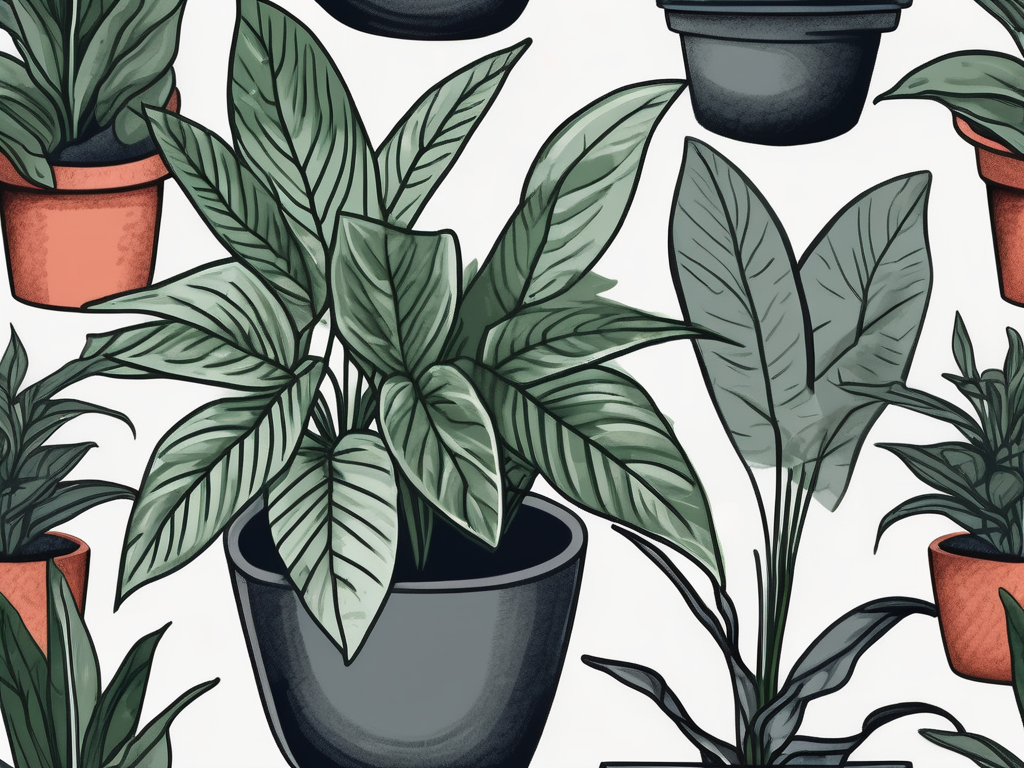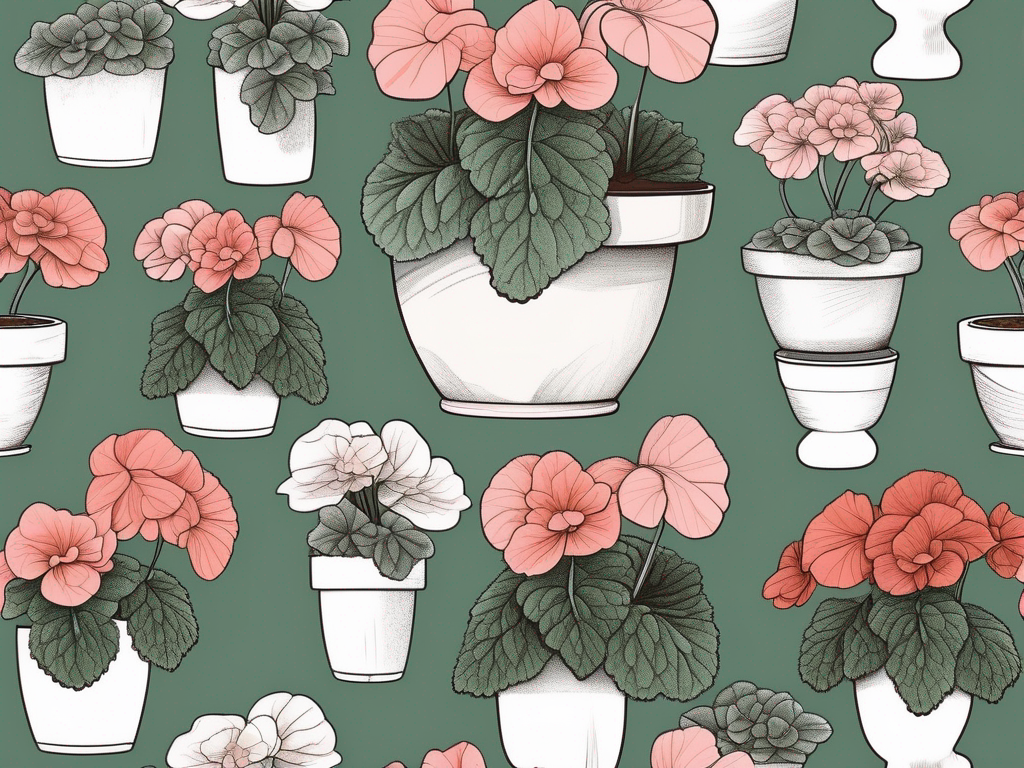
Choosing the right pot for your begonia can make all the difference between a thriving plant and a sad, droopy one. If you’ve ever found yourself staring at a shelf full of pots and wondering which one is best for your begonia, you’re not alone. With so many options available, it can be confusing.
We're here to help you navigate this decision with ease. In this guide, we'll explore everything you need to know about choosing the best pot for your begonia, from materials to size and even drainage. Let’s make your begonia the happiest plant in the house!
Understanding Your Begonia's Needs
Before you even think about picking out a pot, it’s important to understand what your begonia needs to thrive. Begonias are a diverse group, with some preferring more humidity and others needing drier conditions. But generally, they all share a love for well-draining soil and moderate watering.
Begonias have a reputation for being a bit finicky, but once you get to know them, they’re not so bad. They flourish in bright, indirect light and can suffer if overwatered, so drainage is key. They also appreciate a bit of humidity, which can influence the type of pot you choose.
Consider your begonia’s specific type. For example, Rex begonias enjoy more humidity and slightly acidic soil, while tuberous begonias might prefer a bit more dryness. Knowing these specifics will guide you in selecting the perfect pot.
Material Matters: Choosing the Right Pot Material
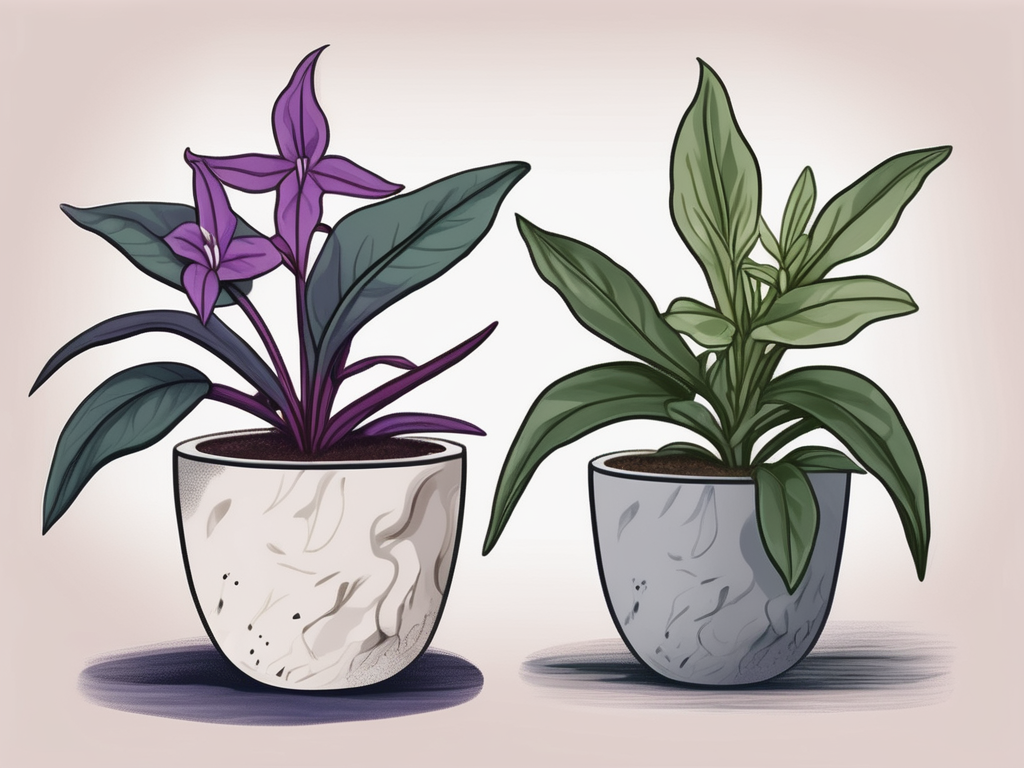
When it comes to pot materials, the most common choices are plastic, ceramic, terracotta, and metal. Each has its pros and cons, and the best choice often depends on your environment and care habits.
- Plastic Pots: These are lightweight and usually cheaper. They retain moisture well, which can be a plus if you tend to underwater. However, they might not provide the best aeration for roots.
- Ceramic Pots: These are often glazed and come in a variety of colors and styles. They’re great for indoor aesthetics and help maintain moisture levels, but they can be heavy and sometimes lack drainage holes.
- Terracotta Pots: A favorite among plant people, terracotta pots are porous, allowing air and moisture to pass through. This can prevent root rot but may require more frequent watering.
- Metal Pots: These can add a contemporary look to your space but beware: they can heat up quickly in direct sunlight, potentially harming your plant’s roots.
Think about your watering habits and the environment where your begonia will live. If you’re in a dry climate or tend to forget watering, a plastic or ceramic pot might be best. If you’re in a humid area or tend to overwater, terracotta could be your new best friend.
Size Up: Picking the Right Pot Size
Size matters more than you might think when it comes to potting your begonia. Too large a pot, and you risk overwatering since the soil will retain too much moisture. Too small, and your begonia might become root-bound, with not enough space for growth.
A good rule of thumb is to choose a pot that leaves about an inch or two of space around your begonia’s root ball. This gives the roots room to spread without overwhelming them with too much soil. If you’re repotting, aim for a pot that’s one size larger than the current one.
Also, consider the depth of the pot. Begonias typically don’t have very deep root systems, so a shallow pot can often work well, provided it’s wide enough to accommodate the plant’s spread.
Drainage: A Non-Negotiable Feature
If there’s one thing you take away from this, let it be the importance of drainage. Begonias are notorious for hating wet feet, and without proper drainage, you’re setting the stage for root rot.
Always opt for pots with drainage holes. If you fall in love with a pot that doesn’t have them, consider drilling holes yourself or using it as a decorative outer pot (with a functional one inside). This way, you can remove the inner pot for watering and drainage.
Another option is to layer the bottom of the pot with pebbles or broken pottery pieces to aid drainage. However, this is not a substitute for drainage holes, but rather a supplemental measure.
Style and Aesthetics: Blending with Your Decor
Let’s face it, the pot is as much a part of your decor as it is a home for your plant. The style you choose can say a lot about your personal taste and the vibe of your space.
Consider the color and finish of the pot. A sleek, modern ceramic pot might complement a minimalist home, while a rustic terracotta pot could enhance a cozy, earthy aesthetic. Don’t be afraid to mix and match styles for an eclectic look!
Also, think about the size of your space. A large, statement pot can be a focal point in a spacious room, while a smaller, simple pot might fit better in a cozier nook. Remember, the pot is an extension of your plant’s beauty and your unique style.
Repotting: Knowing When It’s Time
Even if you start with the perfect pot, there will come a time when your begonia needs a new home. Signs that it’s time to repot include roots growing out of the drainage holes, the plant wilting despite adequate watering, or the potting soil drying out too quickly.
When repotting, gently remove your begonia from its current pot, being careful not to damage the roots. Loosen any compacted roots, and trim away any that are dead or rotten. Transfer your begonia to its new pot, adding fresh potting mix around the root ball.
Water your plant thoroughly after repotting, and give it some time to adjust to its new environment. You might notice some leaf drop or wilting at first, but this is just your begonia acclimating to its new digs.
Common Mistakes and How to Avoid Them
We all make mistakes, but when it comes to potting begonias, a few common missteps can be easily avoided with a little knowledge.
- Overwatering: This is the most common issue. Ensure your pot has drainage holes and don’t water until the top inch of soil feels dry.
- Wrong Pot Size: Avoid pots that are too big or too small. Stick to the one-to-two inch rule around the root ball.
- Lack of Drainage: Never use a pot without drainage holes unless you’re using it as a cover pot.
- Ignoring Your Begonia’s Needs: Remember, different types of begonias have different needs. Research your specific variety.
By steering clear of these mistakes, you’ll help ensure your begonia stays healthy and happy.
DIY Potting Projects for Begonia Lovers
If you’re feeling crafty, why not try a DIY potting project? Not only can this be a fun weekend activity, but it can also result in a unique pot that perfectly suits your begonia and your style.
Consider painting plain terracotta pots with patterns or colors that match your decor. You could also try your hand at decoupage, using glue and paper cutouts to create a one-of-a-kind design.
For those who love a rustic look, wrapping your pot in jute or burlap can add texture and warmth to your space. Simply glue the material to the outside of the pot for a charming, farmhouse feel.
These projects are a great way to express your creativity and give your begonia a home that’s as special as it is.
Final Thoughts
Choosing the right pot for your begonia involves considering several factors, from material and size to style and drainage. By understanding your plant's needs and avoiding common pitfalls, you can create an environment where your begonia can truly thrive.
At Cafe Planta, we’re passionate about helping you care for your plants. Whether you’re looking for the perfect pot, need advice, or just want to chat about all things green, we’re here for you. Feel free to email us or send a DM on Instagram. Let’s grow together!