Choosing the right pot for your coffee plant might seem like a small detail, but it can actually make a big difference in how well your plant thrives. The perfect pot can enhance the plant's growth and even add a touch of style to your space. So, let's chat about what makes a pot just right for your coffee plant.
We'll cover everything from the ideal pot size and material to drainage needs and aesthetic considerations. By the end, you'll have all the info you need to choose a pot that not only supports your plant's health but also looks great in your home.
Understanding Coffee Plant Basics
Before diving into the specifics of pot selection, it's important to know a bit about coffee plants themselves. Coffee plants, or Coffea arabica, are tropical plants that thrive in warm, humid environments. They're known for their glossy green leaves and, of course, their ability to produce coffee beans.
These plants can grow quite tall, but when grown indoors, they generally stay around three to six feet. They love bright, indirect light and need well-draining soil to avoid root rot. Understanding these basics will help you make informed decisions about the potting process.
When choosing a pot, keep in mind that the goal is to mimic the plant's natural environment as closely as possible. This means providing room for growth, good drainage, and a stable environment for the roots. This foundational knowledge will guide you in selecting a pot that meets the needs of your coffee plant.
Size Matters: Picking the Right Size Pot
When it comes to pot size, bigger isn't always better. Coffee plants need a pot that's just the right size to support their growth without overwhelming their root system. A pot that's too large can hold too much water, potentially leading to root rot.
Generally, you should choose a pot that allows for about one to two inches of space around the plant's root ball. This gives the roots enough room to expand while still keeping them cozy. If you're repotting, move up to a pot that's one size larger than the current one.
If you're unsure about the right size, start with a smaller pot and gradually size up as your coffee plant grows. This approach helps you avoid over-potting and keeps the plant's roots healthy and happy.
Material Choices: What Works Best?
Pots come in a variety of materials, each with its own set of benefits and drawbacks. Let's look at some common options to help you decide which material is best for your coffee plant.
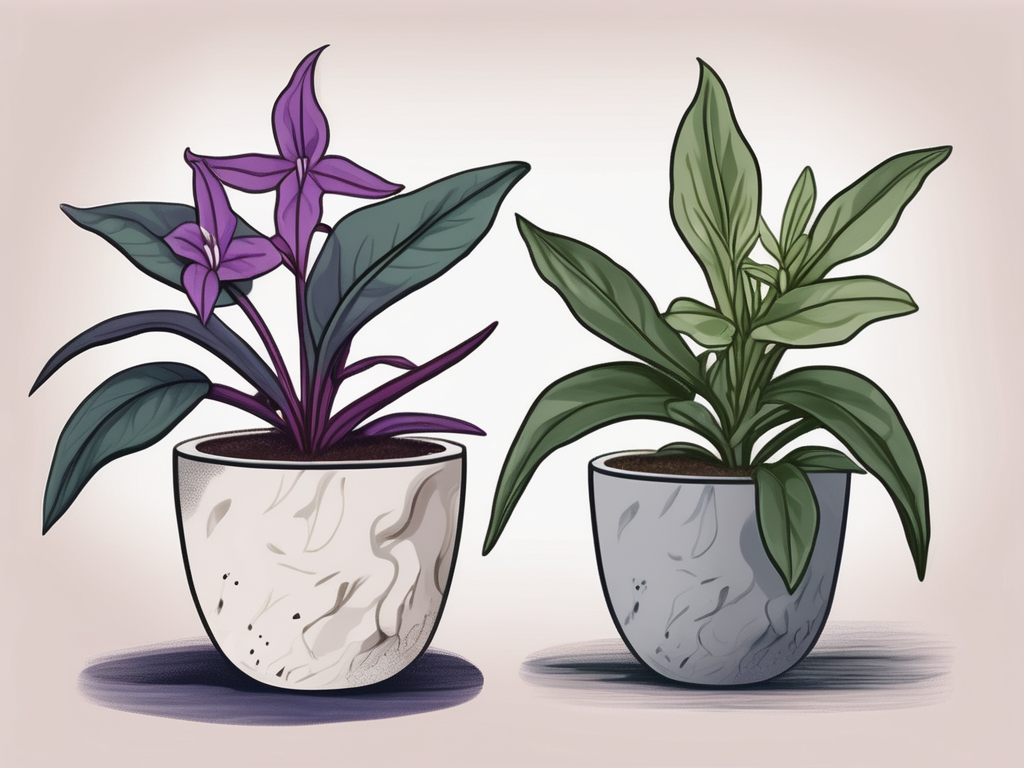
Terracotta: These classic clay pots are popular for a reason. They're porous, allowing excess water to evaporate and air to circulate around the roots. This can be particularly helpful if you're prone to overwatering.
Ceramic: Ceramic pots often come with a glaze, making them less porous than terracotta. They retain moisture longer, which can be beneficial if you live in a drier climate. Plus, they come in a variety of designs, adding a decorative touch to your space.
Plastic: Lightweight and affordable, plastic pots are a practical choice. They don't offer the same breathability as terracotta, but they're great for retaining moisture, making them suitable for environments where humidity is low.
- Terracotta: Porous, good for preventing overwatering.
- Ceramic: Retains moisture, available in many styles.
- Plastic: Lightweight, retains moisture well.
Drainage: A Non-Negotiable Feature
Good drainage is a must for coffee plants. Without it, water can accumulate at the bottom of the pot, leading to root rot—a common issue for many houseplants. So, how do you ensure your pot has the drainage it needs?
First, always choose a pot with at least one drainage hole at the bottom. This allows excess water to escape, preventing it from pooling around the roots. If you've found the perfect pot but it lacks drainage holes, you can often drill them yourself, depending on the material.
In addition to drainage holes, consider using a layer of gravel or small stones at the bottom of the pot. This can help facilitate drainage and keep the soil from clogging the holes.
Remember, even with good drainage, it's important to monitor your watering habits. Water your coffee plant when the top inch of soil feels dry to the touch, and avoid letting the plant sit in water.
Design and Aesthetics: Adding Style to Function
While functionality is important, the aesthetic appeal of your pot shouldn't be overlooked. A well-chosen pot can complement your interior design and make your coffee plant a standout feature in your home.
Consider the style of your space when selecting a pot. If your home has a modern vibe, you might opt for sleek, minimalist designs. For a more rustic feel, terracotta or hand-thrown ceramic pots can add warmth and texture.
Don't be afraid to play with color, either. A bold, colorful pot can act as an accent piece, drawing attention to your plant. Alternatively, neutral tones can create a calming effect and blend seamlessly with other décor elements.
- Modern: Sleek, minimalist designs.
- Rustic: Terracotta or textured ceramics.
- Colorful: Bold pots as accent pieces.
Repotting Your Coffee Plant: When and How
Repotting is an essential part of coffee plant care, but it can be a bit tricky if you're new to plant parenting. Luckily, I've got some tips to make the process smoother.
When to Repot: Typically, you should repot your coffee plant every 12 to 18 months. Signs that it's time to repot include roots growing out of the drainage holes or the plant becoming root-bound, where the roots circle around the inside of the pot.
How to Repot: Start by gently removing the plant from its current pot. If it's stubborn, you can tap the sides of the pot to loosen the soil. Once out, gently tease apart any circling roots and trim any that are damaged.
Place the plant in the new pot, adding fresh soil around the root ball. Ensure the plant is at the same depth as it was in the old pot. Water it well, allowing excess water to drain out.
- Repot every 12-18 months.
- Look for roots growing out of drainage holes.
- Gently tease apart circling roots when repotting.
Soil Selection: Getting it Just Right
The right soil mix is crucial to the health of your coffee plant. Coffee plants prefer well-draining soil with a slightly acidic pH. A good potting mix can help support both of these needs.
You can create your own mix by combining equal parts of peat moss, perlite, and regular potting soil. This mix provides aeration, drainage, and the right pH balance for your plant.
Alternatively, you can purchase a pre-made mix designed for acid-loving plants like azaleas or camellias. These are often readily available at garden centers and provide a convenient option for plant parents who prefer not to DIY.
Regardless of the mix you choose, it's important to regularly check the soil's condition. If it becomes compacted or loses its texture, it might be time to refresh it with new soil.
Watering and Drainage: A Balancing Act
Watering is one of the most crucial aspects of coffee plant care. The right pot can make this task easier, but it's still up to you to maintain a balance that keeps your plant happy.
Coffee plants prefer consistently moist soil, but not soggy. Overwatering is a common mistake, so it's important to let the top inch of soil dry out before watering again. A pot with good drainage will help prevent water from pooling at the bottom.
If you're unsure about your watering habits, consider using a moisture meter. These handy tools can give you a better idea of when your plant actually needs water, preventing both overwatering and underwatering.
- Water when the top inch of soil is dry.
- Avoid overwatering to prevent root rot.
- Use a moisture meter if needed.
Final Thoughts
Choosing the right pot for your coffee plant involves considering size, material, drainage, and aesthetics. Each of these factors plays a significant role in supporting the health and beauty of your plant.
At Cafe Planta, we're all about helping you care for your plants. Whether you're looking for a new pot, need some plant-themed apparel, or have a question, we're here to help. Feel free to reach out via email or Instagram. Let's nurture those green connections together!