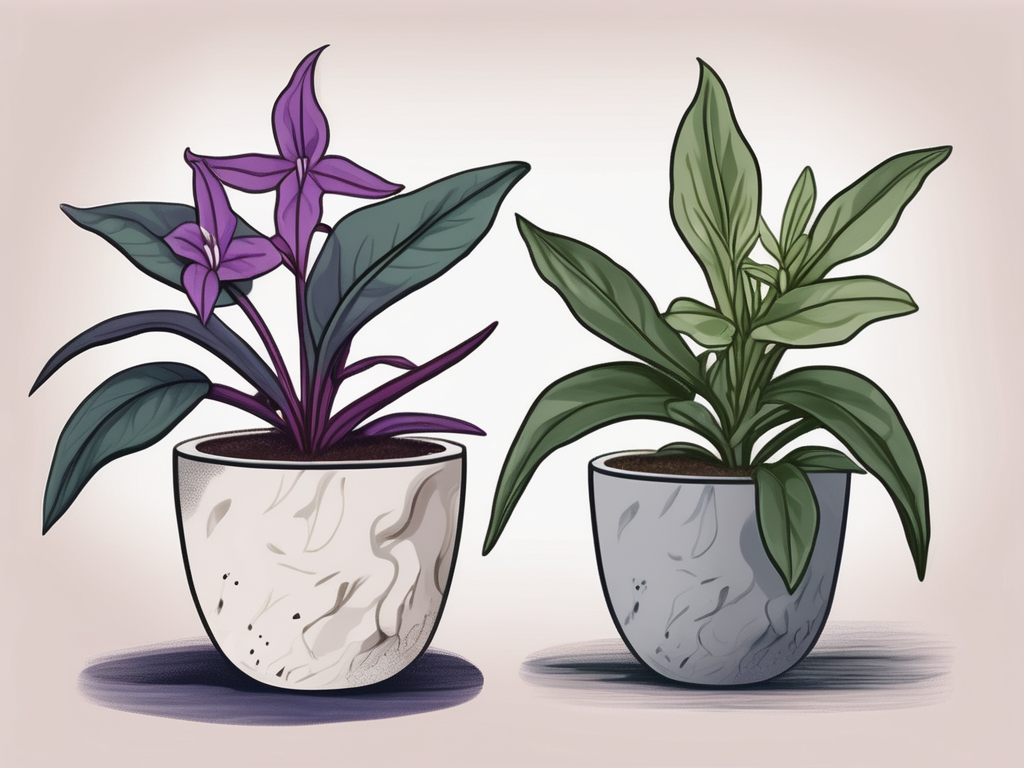
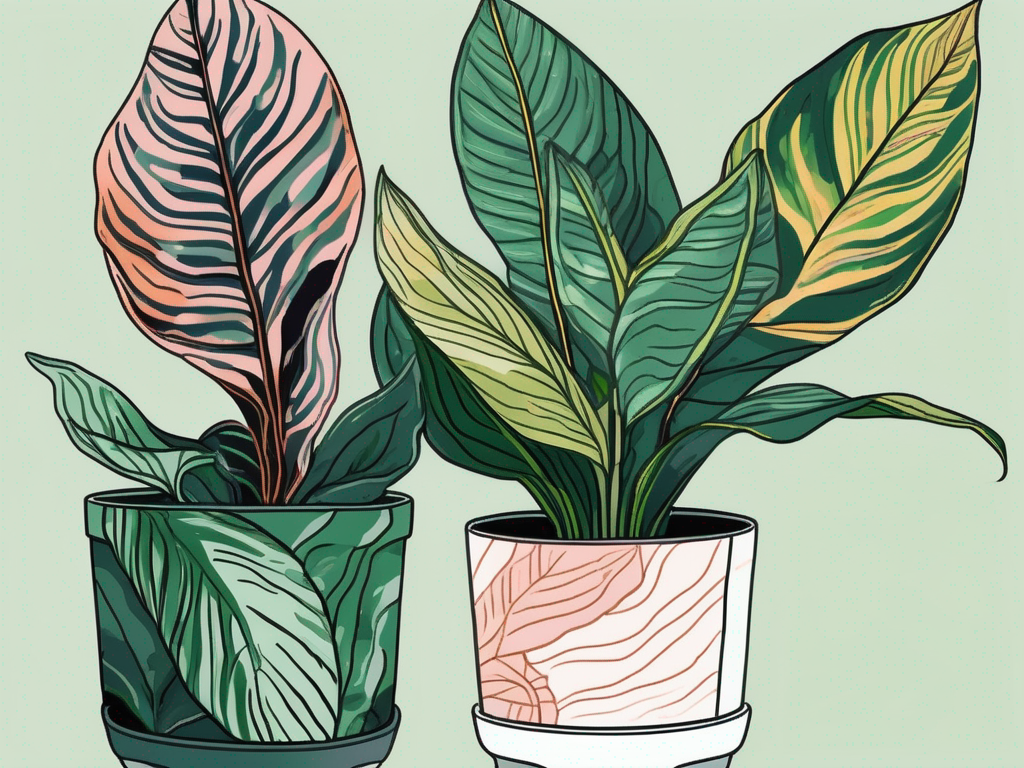
Choosing the right pot for your Geo plant can make all the difference between a thriving indoor jungle and a collection of struggling greenery. These plants, with their distinct beauty and easy care, have become a popular choice among plant lovers. But what kind of pot should you use to give your Geo plant the best chance to thrive?
In this article, we'll explore everything you need to know about selecting the perfect pot for your Geo plant. From considering material and drainage to size and aesthetic appeal, we'll cover all the bases to ensure your plant gets the home it deserves.
Understanding Geo Plants
Before we jump into pots, let's talk a bit about Geo plants themselves. Known for their striking foliage and unique growth patterns, these plants are a favorite among those who love indoor greenery. They typically thrive in low to medium light and are quite forgiving when it comes to watering, making them ideal for both beginners and seasoned plant parents.
Geo plants, like many houseplants, prefer well-draining soil and can suffer if left in soggy conditions. This trait makes the choice of pot incredibly important. An improperly chosen pot can lead to root rot, stunted growth, or even the untimely demise of your plant. Keeping these factors in mind as we choose pots will help ensure that your Geo plant stays healthy and vibrant.
Material Matters: Pot Types to Consider
The material of your pot can significantly influence your Geo plant's health. Let's dive into some common options and their pros and cons.
- Terracotta: These clay pots are popular for their natural look and feel. They’re porous, allowing air and moisture to move through, which can be a lifesaver for preventing overwatering. However, they can dry out quickly and are prone to cracking in colder climates.
- Ceramic: Glazed ceramic pots come in a variety of colors and designs, perfect for adding a touch of style. They retain moisture better than terracotta but can be heavy and lack the breathability some plants need.
- Plastic: Lightweight and versatile, plastic pots are a practical choice. They retain moisture well and are generally affordable, but they don't offer the same breathability as terracotta or even some ceramics.
- Metal: While sleek and modern, metal pots can be problematic as they tend to heat up quickly and can lead to overheating your plant’s roots. They're best used as decorative outer pots.
- Wood: These add a rustic charm but can rot if not treated properly. Ensure they’re lined or treated to extend their lifespan.
Consider what will work best for your environment and aesthetic when choosing a pot material. If you're someone who tends to overwater, a terracotta pot might be your best bet. Conversely, if you forget to water, a plastic or ceramic pot could help keep your Geo plant hydrated longer.
Drainage: The Lifeline of Your Plant
If there's one piece of advice every plant parent should heed, it's this: never underestimate the importance of drainage. A pot without proper drainage can create a soggy bottom, leading to root rot and other issues.
Look for pots with drainage holes at the bottom. These holes allow excess water to escape, preventing it from sitting around the roots. If you find a pot you love that lacks drainage holes, consider drilling some yourself or using it as a decorative cover for a more functional inner pot.
Additionally, you can enhance drainage by adding a layer of gravel or small stones to the bottom of your pot. This creates a space for water to collect away from the soil, giving your plant roots a little breathing room.
Size: Finding the Perfect Fit
The size of the pot is just as crucial as the material and drainage. A pot that's too small can restrict root growth, while one that's too large can lead to overwatering issues.
As a general rule, choose a pot that's about 1-2 inches larger in diameter than your current plant's root ball. This will give your Geo plant room to grow without overwhelming it with excess soil. If you're unsure, err on the side of slightly smaller. You can always repot later as your plant grows.
Remember, a well-chosen pot size helps maintain the right balance of moisture and nutrients. A pot that's too big might seem like a safe choice, but it can lead to stagnant water and unhealthy roots.
Aesthetic Considerations: Blending Function and Style
While function is vital, let's not forget about style. After all, your Geo plant is likely to become a part of your home decor, so why not choose a pot that complements your space?
Consider the color, texture, and shape of the pot. Do you want something that stands out as a statement piece or something that blends in seamlessly with your existing decor? Perhaps you prefer a minimalist look with neutral tones or a bold, colorful pot that adds a pop of color to your room.
It's also worth considering how the pot's style matches the plant's aesthetic. A sleek, modern pot might pair beautifully with a Geo plant's bold lines, while a rustic terracotta pot could complement its organic feel. The choice is yours, and there's no right or wrong answer—just whatever brings you joy.
Repotting Your Geo Plant
Once you've selected the perfect pot, it's time to move your Geo plant to its new home. Repotting might seem daunting, but with a few simple steps, you can make the process smooth and stress-free for both you and your plant.
- Prepare your workspace: Gather all necessary materials, including your new pot, fresh potting soil, and a small trowel or spoon. Cover your work area with newspaper or a tarp to catch any spills.
- Remove the plant from its old pot: Gently tilt the pot and slide your plant out, supporting the base of the plant as you do so. If it's stuck, tap the sides of the pot to loosen the soil.
- Loosen the roots: Once out, gently tease apart any tightly packed roots. This encourages new growth and helps the plant settle into its new pot.
- Place the plant in the new pot: Add a layer of fresh soil to the bottom of the new pot, then place your plant inside. Fill in around the roots with more soil, pressing gently to eliminate air pockets.
- Water thoroughly: After repotting, give your Geo plant a good drink. This helps settle the soil and ensures the roots make good contact with their new environment.
And there you have it! Your Geo plant should now be comfortably nestled in its new pot, ready to grow and thrive.
Environmental Considerations: Light and Humidity
While selecting the right pot is essential, don't forget about the environment your Geo plant will live in. These plants prefer bright, indirect light and moderate humidity levels.
Position your plant near a window with filtered light. If your home tends to be dry, especially in winter, consider placing a small humidifier nearby or grouping your plants together to increase humidity naturally.
Remember, the pot is just one part of the equation. The right environmental conditions will support your plant's overall health and help it flourish.
Watering: Striking the Right Balance
Geo plants are relatively forgiving when it comes to watering, but it's still important to find the right balance. Overwatering is a common mistake and can lead to root rot, while underwatering can cause wilting and browning.
Check the soil moisture regularly by sticking your finger about an inch into the soil. If it feels dry, it's time to water. If it's still damp, wait a few more days. During the growing season, you might need to water more frequently, while in the winter months, your Geo plant will likely require less.
Remember, it's always safer to err on the side of underwatering. You can always add more water, but it's much harder to remove excess moisture once it's there.
Common Mistakes and How to Avoid Them
Even with the best intentions, plant care can sometimes go awry. Here are a few common pitfalls to watch out for when caring for your Geo plant, and how to steer clear of them:
- Overpotting: Choosing a pot that's too large can lead to overwatering and root rot. Stick to the recommended pot size to avoid this issue.
- Ignoring drainage: Always ensure your pot has proper drainage holes. Without them, excess water can accumulate and cause problems.
- Inconsistent watering: Geo plants appreciate a regular watering schedule. Try to check on your plant weekly to maintain consistency.
- Neglecting light needs: While Geo plants are adaptable, they thrive in bright, indirect light. Avoid placing them in overly dark or bright spots.
By being mindful of these common mistakes, you'll be well on your way to a healthy and happy Geo plant.
Final Thoughts
Choosing the right pot for your Geo plant can greatly influence its overall health and happiness. From considering the material and drainage to selecting the perfect size and style, there are several factors to keep in mind. By paying attention to these details, you'll set your Geo plant up for success and enjoy its beauty for years to come.
At Cafe Planta, we're passionate about helping you care for your plants. Whether you're looking for new additions to your collection or need advice on plant care, we're here to help. Feel free to email us or reach out on Instagram. We believe plants have the power to connect us with nature and each other, and we're excited to support you on your plant journey.