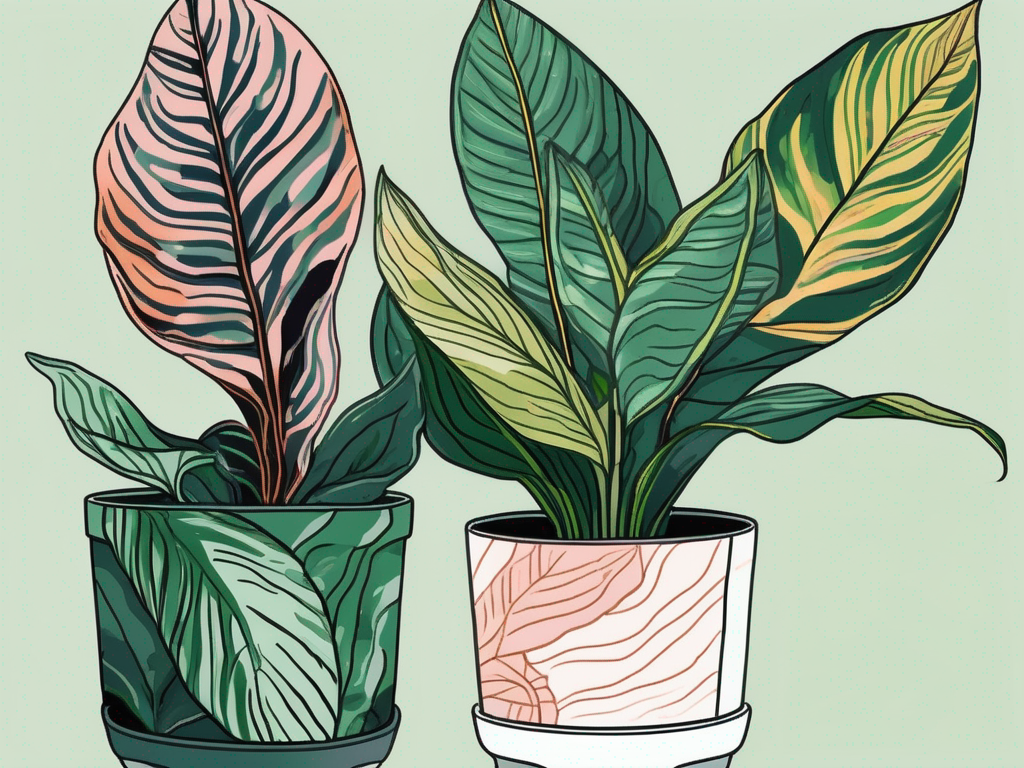
If you’re a plant lover, you’ve probably encountered the charming Satin Pothos. This plant, with its velvety silver-spotted leaves, is not only beautiful but also relatively easy to care for. But like all houseplants, it thrives best under certain conditions, and one of the most important factors is the pot you choose.
Choosing the right pot for your Satin Pothos can significantly influence its growth and health. From size and material to drainage and aesthetics, there’s more to consider than you might think. Let's dive into the details to help you select the perfect home for your leafy friend.
Understanding Satin Pothos Needs
Before picking out the perfect pot, it’s crucial to understand what makes the Satin Pothos tick. This plant is known for its adaptability, but like any living thing, it has its preferences. Originating from the rainforests, Satin Pothos enjoys a humid environment with well-drained soil.
These plants love to spread out. Their vines can grow several feet long, making them perfect for hanging baskets or trailing over shelves. The roots, however, don’t need a ton of space. A compact root system means you don’t need an overly large pot, which can lead to water retention and root rot.
Additionally, Satin Pothos prefers indirect sunlight. Harsh, direct sunlight can scorch its leaves, while too little light can stunt its growth. Keeping these needs in mind will guide you in selecting the right pot.
Pot Size: Why It Matters
Let’s talk size. It’s tempting to think that a bigger pot means more room for roots, but that’s not always beneficial. Too much space can lead to overwatering, as the soil retains more moisture than the plant can absorb. This is a common mistake among plant parents who want to give their plants room to grow.
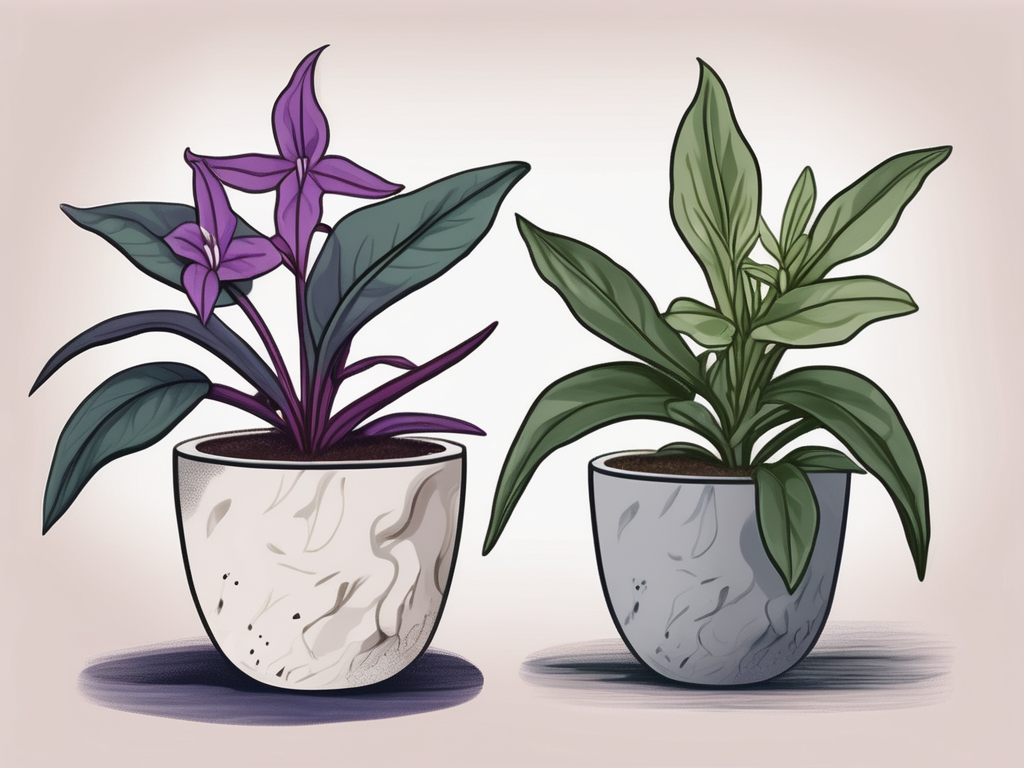
For a young Satin Pothos, start with a pot that’s about 1-2 inches larger in diameter than the root ball. This size allows for some growth but keeps the roots snug. As your plant matures, you can gradually move to a larger pot, but don’t rush it. Remember, these plants like to feel a bit cozy.
If your Satin Pothos is climbing or trailing, consider the visual balance between the pot and the plant. A small pot might look overwhelmed by a long vine, while a large pot could dwarf a small plant.
Material Choices: What’s Best?
The material of your pot isn't just an aesthetic choice; it affects how your plant grows. Here’s a quick rundown of common materials and their pros and cons:
- Ceramic: These pots are popular for their variety of colors and finishes. They’re excellent for indoor plants because they hold moisture well. However, they can be heavy and breakable.
- Terracotta: Known for their classic look, terracotta pots are porous, allowing air and moisture to pass through. This can be great for preventing overwatering but may require more frequent watering.
- Plastic: Lightweight and often inexpensive, plastic pots are practical and retain moisture. They’re also less prone to breaking, but they might not offer the same breathability as terracotta.
- Metal: While stylish, metal pots can heat up quickly and aren’t always the best at retaining moisture. Use them with caution, especially in direct sunlight.
Consider your living space and watering habits when choosing a pot material. If you tend to forget watering, a ceramic pot might be your best friend. If you’re worried about overwatering, terracotta could help balance things out.
Drainage: A Must-Have Feature
Drainage is crucial for any houseplant, and Satin Pothos is no exception. Without proper drainage, water can accumulate at the bottom of the pot, leading to root rot—a common problem for indoor plants.
Always choose a pot with at least one drainage hole. If you fall in love with a pot that doesn’t have any, consider drilling some yourself or using it as a decorative outer container with a draining pot inside. This way, you get the best of both worlds: aesthetics and functionality.
Some plant parents place stones or gravel at the bottom of pots to improve drainage. While this can help, it’s not a substitute for a good drainage hole. The goal is to allow water to escape easily, preventing the roots from sitting in waterlogged soil.
Matching Aesthetics and Functionality
We’ve all been there: you find a pot that’s so gorgeous you just have to have it. But does it work for your plant? Balancing aesthetics with functionality can be a challenge, but it’s definitely achievable.
Consider your home’s decor. Do you want your Satin Pothos to blend in or stand out? A brightly colored pot might be perfect for adding a pop of color, while a neutral tone could complement other elements in your room.
Think about the plant’s placement, too. A hanging pot can showcase trailing vines beautifully, while a sturdy ceramic planter could make a statement on a windowsill. Just ensure that whatever you choose meets your plant’s needs for growth and drainage.
Repotting: When and How to Do It
Repotting is an essential part of keeping your Satin Pothos healthy, but how do you know when it’s time? A few signs indicate it might be time for a change:
- Roots are growing out of the drainage holes.
- The plant seems top-heavy or tips over easily.
- Water rushes through the pot quickly, indicating compacted soil.
When repotting, choose a new pot that’s only slightly larger than the current one. Remove the plant gently, being careful not to damage the roots. Fill the new pot with fresh soil, place your Satin Pothos in it, and water thoroughly.
Repotting can be stressful for a plant, so try to do it during the growing season when it can recover more easily. After repotting, give your plant some TLC with the right light and water levels to help it adjust.
Soil Considerations
The right soil is just as important as the right pot. Satin Pothos prefers a well-draining potting mix. You can purchase a mix designed for tropical plants, or make your own by combining standard potting soil with perlite or orchid bark.
Good drainage is key, so avoid soils that are too dense or retain too much moisture. You might also consider adding charcoal to your mix, which can help absorb excess moisture and reduce the risk of root rot.
When filling your pot, don’t compact the soil too tightly. Loose soil allows roots to breathe and grow more easily. Once your plant is potted, water it thoroughly to help settle the soil.
Caring for Your Satin Pothos
Now that your Satin Pothos is happily potted, there are a few care tips to keep it thriving. Regular watering, indirect sunlight, and occasional feeding can keep your plant healthy and vibrant.
Water your Satin Pothos when the top inch of soil feels dry. Overwatering is a common mistake, so it’s better to err on the side of caution. During the growing season, a balanced liquid fertilizer once a month can give it a nutrient boost.
Keep an eye out for pests like spider mites or mealybugs. If you spot them, a gentle wipe with a damp cloth or a spray of insecticidal soap can help keep them at bay.
Final Thoughts
Choosing the right pot for your Satin Pothos involves a blend of function and style. By considering factors like size, material, and drainage, you’ll set your plant up for success.
At Cafe Planta, we love helping plant parents find the perfect match for their leafy companions. Whether you need advice or a new plant friend, feel free to reach out to us through email or on Instagram. We're here to share our passion and help you grow a beautiful, thriving plant collection at home.