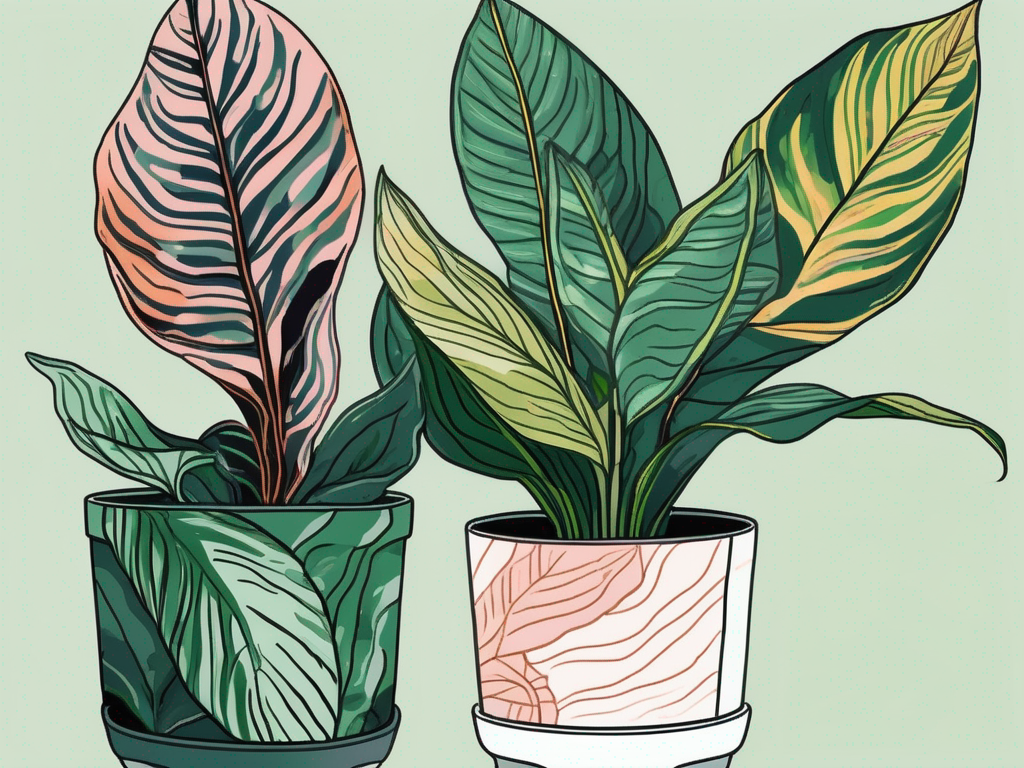
Arrowhead plants, with their vibrant leaves and easy-going nature, are a favorite among plant lovers. However, finding the right soil can be tricky. It’s not just about keeping them alive, but helping them thrive, showing off their colors and unique leaf shapes. Today, we'll dig into what makes the perfect soil for these beautiful plants.
In this article, we'll explore everything from the basic needs of arrowhead plants to mixing your own soil at home. Whether you're a seasoned plant parent or just starting your green journey, these tips will help your arrowhead plants look their best.
Understanding Arrowhead Plant Needs
Before we talk about soil specifics, let's chat about what arrowhead plants, scientifically known as Syngonium podophyllum, need in general. These plants are pretty low-maintenance, but they do have preferences.
Arrowhead plants hail from Central and South America, meaning they’re used to warm, humid environments with plenty of indirect light. They grow under the canopy of larger trees, which means they’re not fans of direct sunlight. They prefer soil that's slightly acidic to neutral, with good drainage.
Knowing these basics helps us understand why soil quality is so important. If the soil doesn’t drain well, your plant might end up with root rot. On the flip side, if the soil dries out too quickly, your plant could become stressed. This balance is crucial for keeping your arrowhead plant happy.
Components of the Perfect Soil Mix
Creating the ideal soil mix for arrowhead plants means understanding what makes up a good blend. You'll want a mix that supports drainage, retains some moisture, and provides nutrients. Here are some common components:
- Peat moss: This helps retain moisture without getting waterlogged. It also provides a slightly acidic pH, which arrowhead plants appreciate.
- Perlite: Light and airy, perlite improves drainage and aeration. It prevents soil from compacting too much, which can suffocate roots.
- Pine bark: Pine bark also aids in drainage and gives the soil structure. It breaks down slowly, providing long-term benefits.
- Compost: Adding compost introduces organic matter and nutrients, supporting healthy growth.
Mixing these elements in the right proportions can create a nurturing environment for your arrowhead plant. A typical mix might be equal parts peat moss, perlite, and pine bark with a handful of compost for extra nutrition.
Store-Bought vs. DIY Soil Mix
When it comes to choosing soil, you have two main options: buy a pre-made mix or create your own. Each choice has its pros and cons.
Store-Bought Mixes: These are convenient and formulated for specific plant types. Look for mixes labeled for aroids or houseplants, as these are generally suitable for arrowhead plants. The downside? They can be pricier, and you may still need to tweak them by adding extra perlite or bark.
DIY Soil Mixes: Making your own mix allows for customization. You control the ingredients and their proportions, ensuring your plant gets exactly what it needs. It's often more economical, especially if you’re caring for multiple plants. However, sourcing and mixing materials can be time-consuming.
Consider your time, budget, and how many plants you need to pot before deciding. Both methods can produce thriving arrowhead plants when done right.
Potting Your Arrowhead Plant
Once you have your soil ready, it’s time to pot your arrowhead plant. Here’s a simple step-by-step guide:
- Choose the right pot: Pick a pot with drainage holes to prevent water from sitting at the bottom, which could lead to root rot.
- Prep the soil: If you’re using a store-bought mix, consider adding extra perlite for improved drainage.
- Remove the plant from its current pot: Gently remove your arrowhead plant from its existing pot. Be careful not to damage the roots.
- Place the plant in the new pot: Add a layer of soil to the bottom of the new pot, position your plant, and fill around it with more soil.
- Water the plant: Give your plant a good watering to help settle the soil. Let excess water drain away.
Potting can seem daunting, but it’s surprisingly straightforward once you get started. Your plant will appreciate the fresh soil and room to grow.
Watering and Soil Moisture
Watering is just as important as the soil itself. Arrowhead plants like their soil to be consistently moist but not soggy. Here are some tips to get it right:
- Check the top of the soil: Stick a finger into the soil. Water when the top inch feels dry.
- Use room-temperature water: Cold water can shock your plant, while hot water can damage roots.
- Drain excess water: Ensure any excess water can drain out of the pot to prevent root rot.
- Adjust watering frequency: In winter, when growth slows, you might need to water less often than in the summer.
Every plant is different, so it might take some time to find the perfect balance. But once you do, your arrowhead plant will reward you with lush growth.
Signs of Soil Problems
Even with the best intentions, soil issues can arise. Here’s what to watch out for:
- Yellow leaves: This could indicate overwatering or poor drainage. Check that your pot has drainage holes and that water isn’t pooling in the soil.
- Wilting leaves: If the leaves are wilting and the soil is dry, your plant might be thirsty. If the soil is wet, there could be root rot.
- Slow growth: This can happen if the soil lacks nutrients. Consider adding a balanced fertilizer or repotting with fresh soil.
Regularly checking your plant and adjusting care as needed will help prevent these issues. Remember, plants are resilient and can often bounce back with a little TLC.
Adjusting Soil for Different Environments
Not all homes have the perfect environment for every plant. Here's how to tweak your soil mix based on your conditions:
- High humidity: If your home is naturally humid, make sure your soil drains well to prevent root rot. You might add extra perlite.
- Dry air: In drier conditions, incorporate more peat moss to help retain moisture.
- Cooler climates: In cooler homes, your plant will grow slower. Use a lighter soil mix to prevent it from staying too wet.
By adjusting your soil based on your environment, you can better support your arrowhead plant’s health and growth.
Using Fertilizers Wisely
While soil provides a foundation, sometimes arrowhead plants need a little extra boost. This is where fertilizers come in.
Arrowhead plants don't need much fertilizer, but a balanced liquid fertilizer once a month during the growing season can help. Dilute it to half-strength to avoid overwhelming the plant. In the fall and winter, you can cut back on feeding since the plant’s growth will slow down.
Too much fertilizer can be harmful, leading to salt buildup in the soil. If you notice white crusts on the soil or pot, it might be time to flush the soil with water or repot your plant.
Remember, when it comes to fertilizing, a little goes a long way. Keep an eye on your plant’s growth and adjust as needed.
Repotting: When and How
Repotting is an important part of plant care, ensuring your arrowhead has enough room to grow and fresh nutrients. But how do you know when it’s time?
Signs Your Plant Needs Repotting:
- Roots growing out of the drainage holes.
- The plant seems top-heavy or is leaning.
- Soil dries out very quickly after watering.
When repotting, choose a pot that's one size larger than the current one. Remove the plant, shake off old soil, and trim any dead or damaged roots. Repot with fresh soil, water thoroughly, and give your plant time to adjust.
Repotting might seem like a big step, but it’s a wonderful opportunity to refresh your plant’s environment and give it a new lease on life.
Final Thoughts
Crafting the right soil for your arrowhead plant involves understanding its needs, choosing the right components, and sometimes a bit of trial and error. With the right mix, your plant will thrive, bringing vibrant greenery into your home.
At Cafe Planta, we’re here to help you succeed with your plant care journey. Whether you’re looking for unique plants, accessories, or just some advice, feel free to reach out to us via email or Instagram. We believe plants have the power to connect us with nature and each other, and we’re excited to help you grow your collection.