Hoya Linearis is a plant that's as intriguing as it is beautiful. Known for its cascading strands of foliage, it's a favorite among plant lovers who are looking to add a little green drama to their home. But to truly make a Hoya Linearis thrive, you need to start from the ground up—literally—with the right soil.
In this article, we’ll discuss the best soil options for Hoya Linearis, including what makes a good soil mix, how to balance moisture and aeration, and tips for customizing your soil blend. Whether you're a seasoned plant parent or just getting started, you'll find plenty of useful information to keep your Hoya Linearis healthy and happy.
Understanding Hoya Linearis Needs
Before we dig into soil specifics, let's talk about what makes Hoya Linearis unique. This plant is native to the Himalayas, where it grows as an epiphyte. That means it naturally grows on other plants, relying on the air and rain for its nutrients, rather than rooting in soil like many other plants. This epiphytic nature gives us some clues about what kind of soil mix Hoya Linearis prefers.
Hoya Linearis thrives in conditions that mimic its natural habitat. It wants a well-draining mix that provides moisture without becoming waterlogged. This plant is used to a lot of airflow around its roots, so a compact, dense soil won’t do it any favors. Instead, think light, airy, and well-ventilated. That said, the plant still appreciates a bit of moisture—just not too much. Striking that balance is key.
Understanding these needs is crucial because it helps you choose or create a soil mix that supports healthy growth. The roots need to breathe, and the plant needs enough moisture to draw in nutrients without suffocating. So, how do you achieve this balance? Let’s look at some soil components that can help.
Components of a Great Soil Mix
Creating the perfect soil mix for Hoya Linearis involves blending several components, each serving a specific purpose. Here are the main ingredients you'll want to consider:
- Pine Bark: Adds structure and helps with aeration. It breaks down slowly, providing long-lasting benefits.
- Perlite: This volcanic glass improves drainage and prevents soil from compacting. It's lightweight and helps keep the soil mix airy.
- Coco Coir: A sustainable alternative to peat moss, coco coir retains moisture well while allowing excess water to drain away.
- Charcoal: Helps to absorb impurities and keeps the soil from becoming too sour.
By combining these components, you create a soil mix that supports Hoya Linearis’s epiphytic nature. Each ingredient has a role to play, whether it’s keeping the soil loose and airy or ensuring that moisture levels remain balanced. You might notice that none of these are traditional garden soil components, which speaks to the unique needs of this plant.
Balancing Moisture and Aeration
One of the trickiest parts of caring for Hoya Linearis is balancing moisture and aeration. Overwatering is a common pitfall that can lead to root rot, while underwatering can result in poor growth and leaf drop. So how do you find that sweet spot?
A well-draining soil mix is your first line of defense against overwatering. Ingredients like perlite and pine bark ensure that excess water drains quickly, while coco coir retains just enough moisture to keep the plant happy. It’s like having your cake and eating it too!
But soil isn’t the only factor. Your watering habits are equally important. Hoya Linearis prefers to dry out a bit between waterings. A good rule of thumb is to let the top inch or so of soil dry out before watering again. If you’re unsure, it’s better to err on the side of underwatering—remember, this plant is used to getting its moisture from the air.
Humidity is another factor to consider. While the right soil mix can help balance moisture, keeping the air around your plant humid can also make a big difference. You might consider misting your plant regularly or using a humidity tray filled with water and pebbles.
Customizing Your Soil Blend
While the basic components of a good soil mix are pretty standard, every plant parent has their own tweaks and preferences. Customizing your soil blend can lead to even better results, especially if you’re willing to experiment a little.
Some plant people like to add orchid bark for extra aeration. Others might mix in a bit of worm castings for a nutrient boost. The key is to observe how your plant responds and adjust accordingly. If you notice that your plant is retaining too much moisture, consider adding more perlite or orchid bark. If it’s drying out too quickly, a bit more coco coir could do the trick.
Remember, your environment plays a role too. If you live in a particularly humid area, you might need a mix that drains even faster. Conversely, in dry climates, you might need to focus more on moisture retention. The beauty of customizing your soil blend is that you can tailor it to suit both your plant’s needs and your home environment.
Signs of Soil Issues
Even with the perfect soil mix, things can sometimes go awry. Recognizing the signs of soil issues early can save your Hoya Linearis from unnecessary stress. Here are some red flags to watch out for:
- Yellowing Leaves: This can be a sign of overwatering or poor drainage. Check the soil's moisture level and drainage ability.
- Leaf Drop: Often a sign of underwatering, but can also indicate root problems if the soil is too compact.
- Root Rot: Mushy, black roots are a sure sign of this issue. If you suspect root rot, it’s time to repot with fresh soil.
Monitoring your plant regularly will help you catch these issues before they become severe. If you do notice any of these signs, a quick soil adjustment, along with proper watering, can often resolve the problem.
Repotting Your Hoya Linearis
Sometimes, repotting is necessary to refresh the soil and give your Hoya Linearis room to grow. But when is the right time to repot, and how should you go about it?
A good rule of thumb is to repot your Hoya Linearis every two to three years. You might also consider repotting if you notice that the plant has outgrown its pot, or if the soil isn’t draining as well as it used to.
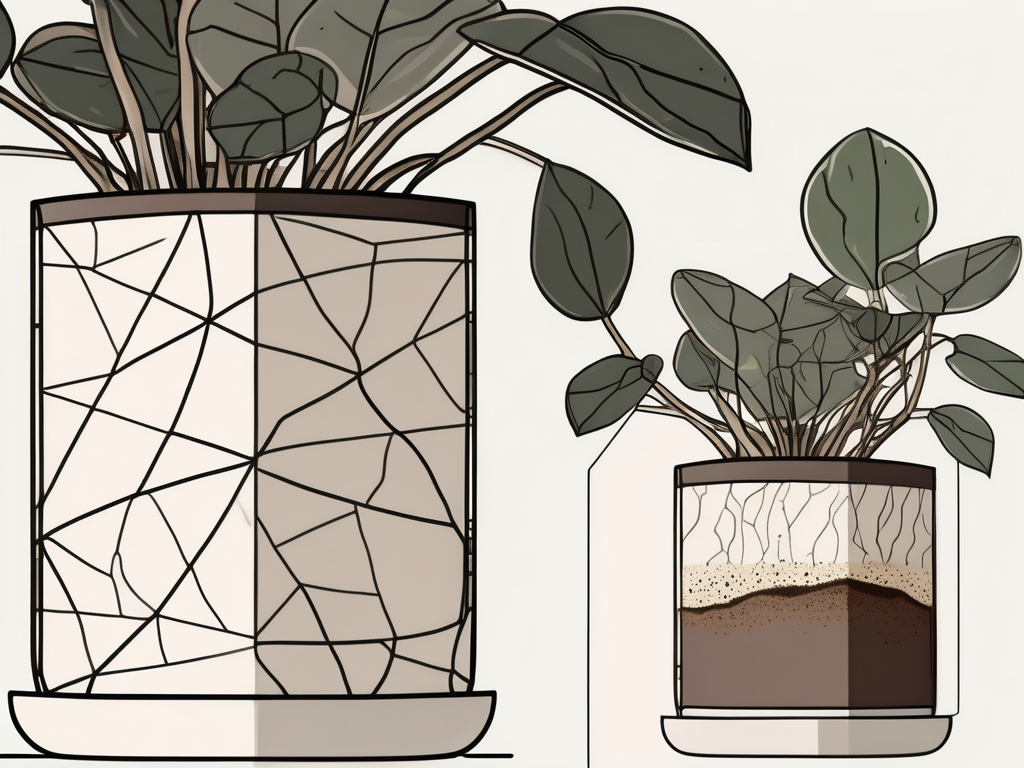
When repotting, choose a pot that's one size up from the current one. Make sure it has drainage holes to prevent water from pooling at the bottom. Gently remove the plant from its current pot, being careful not to damage the roots. Shake off any old soil and inspect the roots for any signs of rot.
Fill the new pot with your customized soil mix, and place your Hoya Linearis in its new home. Water it lightly to help settle the soil, and give it a few days to adjust before resuming your regular care routine.
Importance of Pot Choice
Your choice of pot can have a surprising impact on the health of your Hoya Linearis. While the soil mix does most of the heavy lifting, the right pot can complement your efforts by ensuring proper drainage and aeration.
Terracotta pots are a popular choice because they’re porous, allowing excess moisture to evaporate and helping to prevent root rot. However, they can dry out more quickly, so you’ll need to monitor your plant’s moisture needs closely.
Plastic pots, on the other hand, retain moisture longer, which can be beneficial in drier climates. They’re also lightweight and typically come in a variety of sizes and styles. Just make sure any pot you choose has adequate drainage holes.
Ultimately, the best pot is one that suits both your plant’s needs and your personal style. Just like your soil mix, your pot choice can be customized to create the perfect environment for your Hoya Linearis.
Fertilizing Your Hoya Linearis
While a great soil mix is the foundation of a healthy plant, don’t forget about feeding your Hoya Linearis. Like many houseplants, it benefits from regular fertilization, especially during the growing season.
A balanced, water-soluble fertilizer is generally a safe bet. You can apply it every four to six weeks during the spring and summer months. Just be sure to dilute it to half the recommended strength, as too much fertilizer can burn the plant’s roots.
In the fall and winter, you can reduce the frequency of fertilization or skip it altogether. The plant’s growth slows down during these months, so it doesn’t require as much supplemental nutrition.
By providing your Hoya Linearis with the right nutrients, you’ll encourage healthy growth and vibrant foliage. Paired with the right soil mix, regular fertilization can help your plant reach its full potential.
Final Thoughts
Choosing the best soil for your Hoya Linearis is all about understanding its natural needs and creating a mix that supports healthy growth. From balancing moisture and aeration to customizing your soil blend, each step you take brings you closer to a thriving plant.
At Cafe Planta, we’re passionate about helping you care for your plants. If you have any questions or need advice, feel free to email us or send a message on Instagram. We believe that plants have the power to bring people together and connect us with nature. Whether you’re an experienced plant parent or just starting your journey, we’re excited to share our love of plants with you.