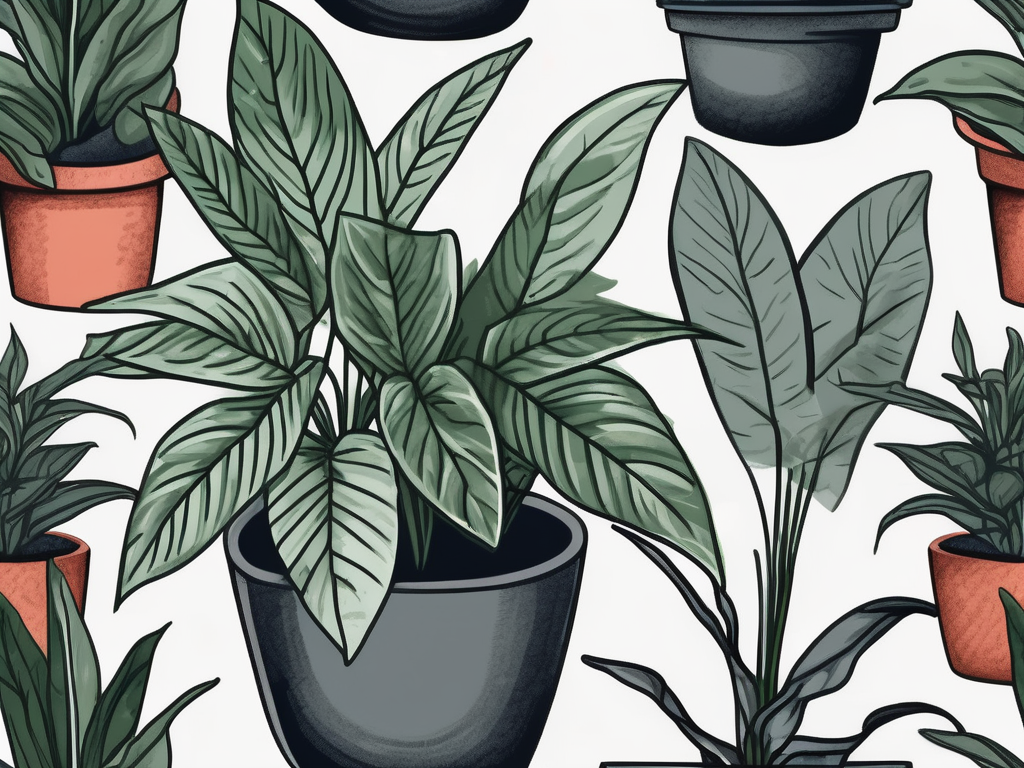
So, you've got yourself a Monstera Obliqua. Congratulations! It's one of the most elusive and captivating houseplants out there. Monstera lovers often find themselves captivated by its delicate, Swiss cheese-like leaves. But to keep it thriving, you need to know what kind of soil it loves best.
In this article, we're going to explore everything you need to know about the ideal soil for Monstera Obliqua. From what makes a great soil mix to the crucial do's and don'ts of potting, we've got you covered. Let's make sure your plant stays happy and healthy.
Understanding Monstera Obliqua's Natural Habitat
Before we dive into soil specifics, let’s take a little trip to the tropics, where Monstera Obliqua originates. Knowing where these beauties come from can really help us understand their needs.
Monstera Obliqua is native to the rainforests of Central and South America. Picture a lush, humid jungle where these plants grow tucked under the canopy of towering trees. They thrive in an environment that’s warm and moist, with a rich, well-aerated soil. The soil there is typically made up of decomposed leaves, bark, and other organic matter, ensuring plenty of nutrients and excellent drainage.
This natural setting gives us some clues about what kind of soil we should be aiming for in our homes. We want to replicate this environment as closely as possible to ensure our Monstera Obliqua feels right at home.
The Basics of a Good Soil Mix
So, what exactly makes a soil mix good for Monstera Obliqua? The key ingredients are drainage, aeration, and nutrient content. Let’s break these down a bit further.
Drainage
In the rainforest, water flows freely, and the soil never stays soggy. To mimic these conditions, your soil mix needs to drain well. Waterlogged roots are a quick path to rot, which is something we definitely want to avoid. A well-draining soil mix will allow excess water to escape, keeping the roots healthy and happy.
Aeration
Roots need air to breathe. That’s why aeration is so important. A soil mix that’s too dense can suffocate roots, leading to poor plant health. The right mix will have air pockets, allowing oxygen to reach the roots easily.
Nutrient Content
Finally, Monstera Obliqua needs a nutrient-rich environment to flourish. The soil should provide a steady supply of nutrients to support growth. Organic matter like compost or worm castings can be great additions to boost nutrient levels.
Creating the Perfect Soil Mix
Now that we understand what makes a good soil mix, let’s talk about how to create it. Here’s a simple recipe you can use to get started:
- 1 part potting soil: Choose a high-quality potting soil as your base. This will provide the organic matter and nutrients your plant needs.
- 1 part orchid bark: This adds structure and helps with aeration, mimicking the natural forest floor.
- 1 part perlite: Perlite is a lightweight, volcanic material that enhances drainage and keeps the soil from compacting.
- Optional: 1 part coconut coir or peat moss: These materials retain moisture without waterlogging the soil, offering a balanced environment.
Mix these components thoroughly, and you've got yourself a soil mix that should keep your Monstera Obliqua content.
Potting Your Monstera Obliqua
Now that you have the right soil mix, it’s time to pot your plant. Here are some steps to ensure a smooth transition:
Choose the Right Pot
Always opt for a pot with drainage holes. This prevents water from pooling at the bottom, which can lead to root rot. The pot size should match the plant’s root system—not too tight, but not overly spacious, either.
Repotting Steps
- Prepare the pot: Place a layer of your soil mix at the bottom.
- Remove the plant: Gently take your Monstera Obliqua out of its current pot. If it’s a bit stuck, tap the sides or use a tool to loosen it.
- Check the roots: Inspect the roots for any signs of rot or disease. Trim away any damaged sections with clean scissors.
- Position the plant: Place it in the new pot, ensuring it sits at the same depth as before.
- Fill with soil: Add more of your mix around the plant, pressing gently to eliminate air pockets.
- Water thoroughly: Give your plant a good drink, allowing excess water to drain out.
Common Mistakes to Avoid
Even the most seasoned plant parents can make mistakes. Here are some common pitfalls to watch out for:
Overwatering
Monstera Obliqua is susceptible to root rot if overwatered. Ensure the soil dries out slightly between waterings. Stick your finger an inch into the soil; if it feels dry, it’s time to water.
Using the Wrong Soil Mix
Avoid heavy, clay-based soils or garden soil, as these can retain too much moisture and lack proper aeration. Always aim for a well-draining mix.
Ignoring Signs of Stress
Keep an eye on your plant. Yellowing leaves or stunted growth can signal issues with watering or soil conditions. Address these signs promptly to keep your plant thriving.
Maintaining Your Monstera Obliqua
Once your Monstera Obliqua is potted and happy, it’s all about maintenance. Here are some tips to keep it looking its best:
Regular Watering
As mentioned, ensure that the soil dries out a bit between waterings. In general, you might water less in winter and more in summer when the plant is actively growing.
Feeding
During the growing season (spring and summer), you can feed your Monstera Obliqua with a balanced liquid fertilizer every month. This will support healthy growth and vibrant foliage.
Monitoring Humidity
Remember, these plants love humidity. If your home is dry, consider using a humidifier or placing the plant on a pebble tray with water to increase moisture levels.
Dealing with Pests and Diseases
Even with the best care, pests and diseases can sometimes sneak in. Here’s how to handle them:
Common Pests
Monstera Obliqua can attract pests like spider mites, aphids, and mealybugs. Regularly check the leaves and stems. If you notice pests, treat them with insecticidal soap or neem oil.
Fungal Issues
Fungal problems often arise from overwatering or poor air circulation. Ensure your plant has good airflow and that the soil isn’t kept too damp. Remove any affected leaves and treat with a fungicide if needed.
Designing with Monstera Obliqua
Beyond care, Monstera Obliqua can be a stunning addition to your home decor. Here are some ideas for showcasing this beautiful plant:
Centerpiece Display
With its unique leaves, Monstera Obliqua makes a striking centerpiece. Place it on a table or stand where its beauty can be appreciated from all angles.
Pairing with Other Plants
Consider grouping your Monstera with other tropical plants like ferns or philodendrons. This creates a lush, jungle-like vibe in your home.
Using Decorative Pots
Choose a pot that complements your decor style. Whether it’s a sleek modern design or a rustic terracotta pot, the right container can enhance your plant’s aesthetic appeal.
Final Thoughts
Creating the ideal environment for your Monstera Obliqua is all about understanding its natural habitat and replicating those conditions as closely as possible. With the right soil mix, potting technique, and care routine, your plant can thrive and add a touch of tropical beauty to your home.
At Cafe Planta, we're passionate about helping you succeed in your plant care journey. Whether you need advice or are hunting for new plant friends, we're here to assist. Feel free to email us, DM us on Instagram, or visit our shop. Let’s grow together!