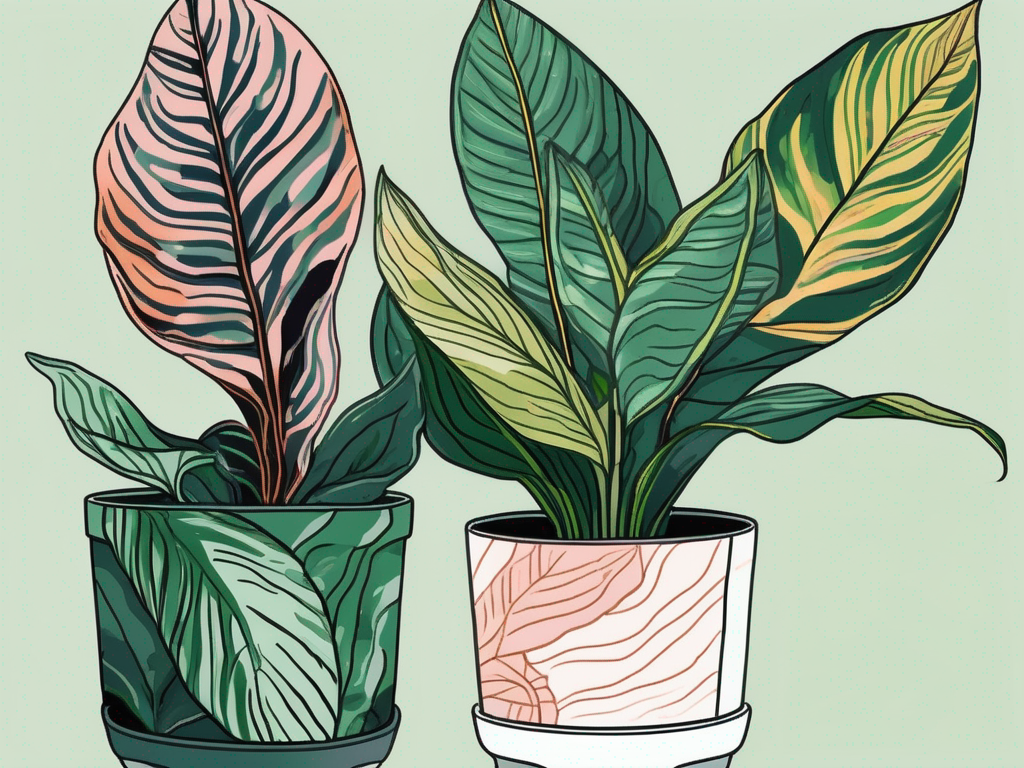
Philodendron Pink Princess is a showstopper in the plant world, catching the eye with its striking pink and green variegated leaves. If you've recently acquired one of these beauties or are planning to, the soil you choose can make all the difference. The right soil mix not only supports healthy growth but also helps maintain those vibrant colors.
In this post, we'll cover everything you need to know about selecting the best soil for your Philodendron Pink Princess. From understanding its natural habitat to mixing your own soil blend, we've got you covered. So, let's get started on nurturing your plant to its fullest potential!
Understanding the Natural Habitat of Philodendron Pink Princess
Before diving into soil specifics, it’s helpful to know where these plants originally come from. Philodendrons, including the Pink Princess, are native to the tropical rainforests of South America. In the wild, they thrive in humid conditions with indirect light and plenty of air circulation. They are epiphytes, meaning they often grow on other plants or trees, with roots that capture moisture and nutrients from the air and debris around them.
This background gives us clues about their preferences. They’re used to a well-draining environment where water doesn’t sit around their roots for too long. Instead, they enjoy a mix that maintains moisture but allows excess water to escape, preventing root rot.
Keeping these natural conditions in mind will help us create the perfect soil mix that mimics their native habitat, ensuring your Pink Princess stays healthy and vibrant.
Characteristics of Ideal Soil for Philodendron Pink Princess
Now that we know where our plant friend comes from, let's talk about what makes up the ideal soil for them. Here are some key characteristics to aim for:
- Well-Draining: This is crucial to prevent root rot. Your soil mix should allow water to pass through easily, leaving the roots moist but not waterlogged.
- Aeration: Good air circulation around the roots is vital. This means the soil should be loose enough to allow oxygen to reach the roots.
- Moisture Retention: While drainage is important, you also want the soil to retain some moisture to keep the plant hydrated between waterings.
- Nutrient-Rich: Since Philodendron Pink Princess thrives on organic matter in its natural habitat, a nutrient-rich soil will support its growth and vibrant foliage.
With these characteristics in mind, you’re setting the stage for a thriving plant. Up next, we'll explore the types of ingredients that can help achieve this perfect balance.
Ingredients for a Perfect Soil Mix
Creating a soil mix that meets all these criteria might sound complicated, but it doesn’t have to be. Here are some common ingredients you can use to whip up the perfect blend:
- Potting Soil: A high-quality potting soil can serve as the base of your mix. It provides structure and nutrients but may need amendments for better drainage and aeration.
- Perlite: These lightweight, white rocks improve drainage and aeration. They’re perfect for preventing soil compaction.
- Bark Chips: Often used in orchid mixes, bark chips help mimic the natural forest floor, providing excellent drainage and organic matter.
- Coco Coir: This sustainable option retains moisture well without becoming waterlogged. It’s an excellent alternative to peat moss.
- Compost: Adding compost enriches the soil with nutrients, giving your plant the food it needs to thrive.
By combining these ingredients, you can create a mix that perfectly suits the needs of your Philodendron Pink Princess. In the next section, we’ll go over how to bring these elements together.
DIY Soil Mix Recipe for Philodendron Pink Princess
Ready to get your hands a little dirty? Here’s a simple recipe you can use to create your own perfect soil mix at home:
- Start with a Base: Use about 50% high-quality potting soil. This gives your mix a solid foundation with essential nutrients.
- Add Perlite: Mix in 20% perlite to boost drainage and aeration. This helps prevent root compaction and improves airflow.
- Include Bark Chips: Add 20% bark chips. These mimic the natural conditions of a rainforest floor and enhance drainage.
- Mix in Coco Coir: Use 10% coco coir to help with moisture retention. It ensures your plant stays hydrated without being waterlogged.
- Optional: Add Compost: A handful of compost can be added for a nutrient boost, supporting strong, healthy growth.
Blend these ingredients thoroughly to ensure an even distribution, and you’re ready to pot your Philodendron Pink Princess. This mix provides a balance of moisture, drainage, and nutrients, all tailored to your plant’s preferences.
Adjusting Your Soil Mix for Different Conditions
Every home environment is different, and sometimes you might need to tweak your soil mix to better suit your specific conditions. Here are some tips for adjusting your mix based on various factors:
- High Humidity: If your home is naturally humid, consider adding more perlite or bark chips to enhance drainage. This prevents excess moisture buildup that could lead to root rot.
- Dry Environments: On the flip side, if you live in a dry area, you might want to increase the amount of coco coir to help retain moisture.
- Low Light: In low-light conditions, your plant’s water needs might decrease. Make sure the soil drains well to avoid overwatering.
- Bright Light: If your plant is in a brighter spot, it may use water more quickly. Again, ensuring proper moisture retention can help keep your plant happy.
By being attentive to your home’s environment and adjusting your soil mix accordingly, you can help your Pink Princess flourish.
Potting Your Philodendron Pink Princess
Once you’ve got your soil mix ready, it’s time to pot your Philodendron. Here’s how to do it:
- Select a Pot: Choose a pot with drainage holes to prevent water from pooling at the bottom.
- Prepare the Pot: Place a small layer of gravel or stones at the bottom of the pot to improve drainage.
- Add Soil: Fill the pot halfway with your soil mix.
- Place the Plant: Gently remove your Philodendron from its current pot and loosen any tightly bound roots. Position it in the new pot.
- Fill and Firm: Add more soil around the plant, pressing lightly to secure it in place.
- Water Thoroughly: Give your newly potted plant a good watering to settle the soil and remove any air pockets.
Potting your Philodendron properly will help ensure it has the right environment to grow and thrive. Remember, the right pot and soil combination is key to a happy plant.
Common Mistakes to Avoid in Soil Preparation
Even with the best intentions, it’s easy to make a few mistakes when preparing soil for your Philodendron Pink Princess. Here are some common pitfalls to watch out for:
- Overwatering: This is probably the most common issue. It's important to let the soil dry out slightly between waterings to prevent root rot.
- Poor Drainage: Using a soil mix that doesn't drain well can lead to stagnant water around the roots. Make sure your mix includes components like perlite or bark chips.
- Ignoring Environmental Factors: As mentioned earlier, adjusting your soil mix based on your home’s conditions can greatly affect your plant’s health.
- Using Garden Soil: Garden soil is often too heavy and compact for houseplants. Always opt for a potting mix designed for indoor use.
By keeping these common mistakes in mind, you can avoid potential issues and keep your plant healthy and thriving.
Repotting Your Philodendron Pink Princess
Eventually, your plant will outgrow its pot and need a new home. Here’s how to repot your Philodendron:
- Choose a New Pot: Select a pot that’s one size larger than the current one, with good drainage.
- Prepare the New Pot: Add a layer of fresh soil mix at the bottom.
- Remove the Plant: Gently take the plant out of its current pot. If the roots are tightly bound, loosen them carefully.
- Inspect the Roots: Check for any dead or rotting roots and trim them with clean scissors.
- Repot: Place the plant in the new pot, fill in with fresh soil, and firm gently.
- Water Well: Water the plant thoroughly after repotting to help it settle into its new home.
Following these steps will help your Philodendron Pink Princess continue to grow healthily in its new pot.
Signs Your Philodendron Needs a Soil Change
Sometimes, your plant will tell you it’s time for a soil change. Here are some signs to watch for:
- Slow Growth: If your plant seems to be growing slowly or is stagnant, it might be lacking nutrients.
- Yellowing Leaves: This can indicate overwatering or poor drainage, suggesting a need for a soil change.
- Root Bound: If roots are growing out of the drainage holes, it’s a sign your plant needs more space and fresh soil.
- Soil Smell: A sour or musty smell can indicate root rot or poor soil conditions.
Being attentive to these signs will help you decide when it’s time to refresh your plant’s soil, keeping it healthy and happy.
Final Thoughts
Creating the right soil mix for your Philodendron Pink Princess is essential for its health and beauty. By understanding its natural habitat and adjusting your soil mix accordingly, you can support robust growth and stunning foliage.
At Cafe Planta, we're passionate about helping you care for your plants. We offer a range of houseplants, care accessories, and plant-themed apparel. If you have any questions, feel free to email us or reach out on Instagram. We're excited to share our love of plants with you and help you create a thriving plant collection in your home.