Polka dot plants, with their strikingly speckled leaves, bring a splash of color and personality to any indoor garden. But to keep those vibrant colors popping, the right kind of soil is essential. If you've been wondering how to give your polka dot plants the best possible start, you're in the right place.
In this article, we'll explore everything you need to know about choosing the best soil for your polka dot plants. From understanding the components that make up healthy soil, to mixing your own blend at home, you'll find practical tips and insights to help your plants thrive.
Understanding Polka Dot Plants
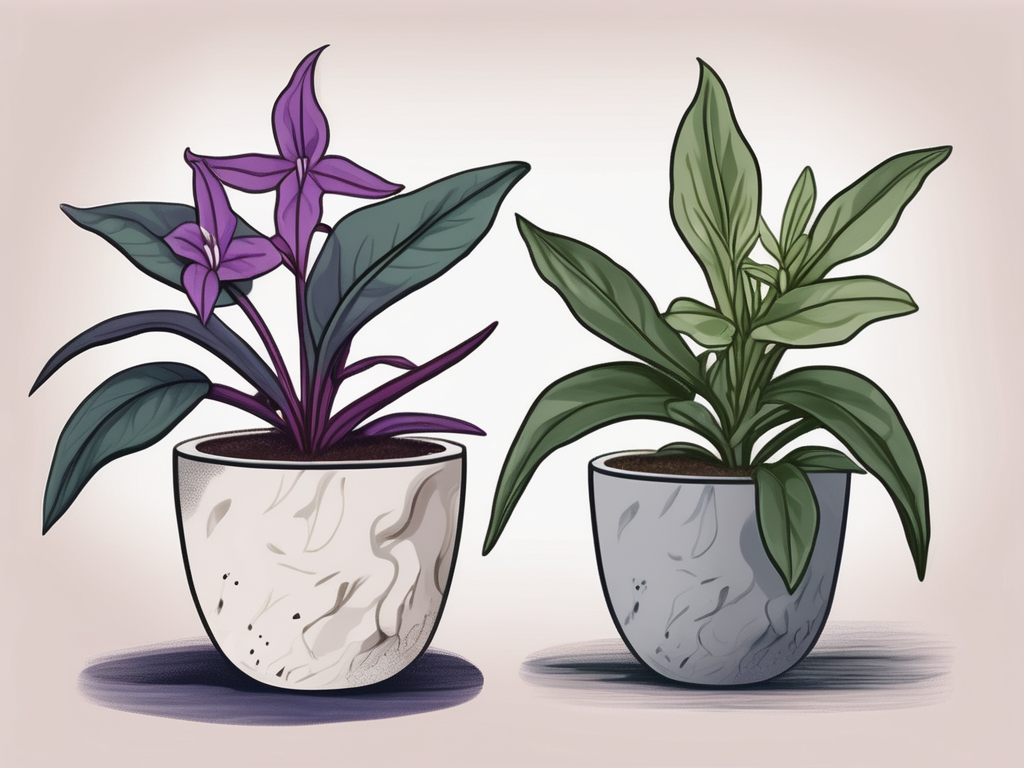
Before we dig into the soil specifics, it's helpful to get to know our leafy friends a bit better. Polka dot plants, scientifically known as Hypoestes phyllostachya, are native to Madagascar. They're adored for their unique foliage, which comes in shades of pink, red, and white dotted against a green backdrop.
These plants thrive in warm, humid environments, making them perfect for indoor settings where temperatures are consistent year-round. While they're relatively low-maintenance, getting the soil right is crucial because it affects everything from water retention to nutrient availability. So, understanding their natural habitat can guide us in recreating similar conditions at home.
Interestingly enough, polka dot plants can be a bit dramatic when it comes to watering. They prefer soil that stays moist but not soggy. This tendency to be a little finicky about water makes the choice of soil even more critical. A well-balanced soil mix can help maintain the right moisture level and keep your plants happy.
The Components of an Ideal Soil Mix
When it comes to soil, one size definitely doesn't fit all. Polka dot plants require a special blend to meet their unique needs. At its core, the perfect soil mix for these plants should offer good drainage, retain some moisture, and provide essential nutrients. But what exactly goes into such a mix?
Let's break it down:
- Peat Moss: This component is excellent for retaining moisture without making the soil waterlogged. It's light and fluffy, helping to create an airy structure.
- Perlite or Sand: Both of these materials improve drainage. While perlite is a volcanic glass, sand is just, well, sand. Either can be mixed into the soil to ensure excess water drains away quickly.
- Pine Bark or Coco Coir: These are great for adding organic matter to the soil. Pine bark breaks down slowly, providing a steady supply of nutrients, while coco coir is a renewable resource that retains moisture.
- Compost: This nutrient-rich addition helps feed your plants over time. Think of it as the multivitamin for your soil mix.
By combining these elements, you create a well-rounded environment where your polka dot plants can thrive. Each component plays a role in achieving the balance between water retention and drainage, which is key for healthy growth.
Mixing Your Own Soil at Home
If you're up for a little DIY project, mixing your own soil can be both rewarding and cost-effective. Plus, it allows you to tailor the blend to exactly what your polka dot plants need. Here's a simple recipe that you can try at home:
- 2 parts peat moss
- 1 part perlite or sand
- 1 part pine bark or coco coir
- 1 part compost
Mix these ingredients thoroughly to ensure even distribution. You want to avoid any clumps or pockets of a single material, as this can create inconsistent conditions for your plants. Once mixed, the soil should feel light and crumbly, with a good balance of moisture retention and aeration.
One of the perks of mixing your own soil is the ability to tweak the recipe. If your plants seem too dry, try adding a bit more peat moss or coco coir next time. If they're too wet, consider increasing the perlite or sand. It's all about finding the right balance for your specific environment.
Choosing Pre-Mixed Potting Soils
Not everyone has the time or inclination to mix their own soil, and that's perfectly fine! There are plenty of excellent pre-mixed potting soils available that are well-suited for polka dot plants. When shopping for soil, look for labels that mention good drainage and moisture retention, as these are the critical factors for success.
Here are a few popular options:
- All-Purpose Potting Mix: These blends are widely available and work well for a variety of houseplants. Look for ones that include peat moss and perlite.
- Cactus or Succulent Mix: Although these might seem counterintuitive, they can be a good base if you add extra peat moss for moisture retention.
- Custom Blends: Some garden centers offer custom blends specifically for tropical plants, which often include coco coir and compost.
When using a pre-mixed option, it's still a good idea to keep an eye on your plant and adjust as needed. Every home environment is different, and small tweaks can make a big difference in plant health.
Repotting Your Polka Dot Plant
Knowing when and how to repot your polka dot plant is another important aspect of soil care. These plants don't mind being a bit root-bound, but once you notice roots poking out of drainage holes or curling around the pot's edge, it's time for a new home.
Here's a step-by-step guide to repotting your plant:
- Choose a Pot: Pick a pot that's about one size larger than the current one. Make sure it has drainage holes to prevent water from sitting at the bottom.
- Prepare the Soil: Whether you're using a DIY mix or a pre-made blend, get it ready before starting the repotting process.
- Remove the Plant: Gently tap the pot to loosen the soil and carefully remove the plant. If it's stubborn, try using a small tool to coax it out.
- Inspect the Roots: Take a moment to look at the roots. If they're tightly bound, gently tease them apart. Trim any that are dead or damaged.
- Place in New Pot: Add a layer of soil to the new pot, position the plant, and fill in around it with more soil. Lightly press down to eliminate air pockets.
- Water Thoroughly: Give your plant a good drink to help settle the new soil around the roots.
Repotting can be a bit stressful for plants, so it's best to avoid fertilizing right away. Give your polka dot plant a few weeks to adjust to its new digs before adding any extra nutrients.
Watering and Soil Moisture
We've touched on the importance of watering a few times, but it's such a crucial aspect of soil care that it deserves its own spotlight. Polka dot plants are quite particular about moisture levels, and getting this right can make all the difference.
Here are some tips for watering polka dot plants:
- Check the Soil: Before reaching for the watering can, check if the top inch of soil feels dry. If it does, it's time to water.
- Water Evenly: Pour water evenly across the soil surface until it starts to drain out of the bottom. This ensures even moisture distribution.
- Avoid Overwatering: Too much water can lead to root rot, a common issue with polka dot plants. Make sure excess water can drain away freely.
- Adjust for Seasons: Your plant's water needs might change with the seasons. In winter, you might find yourself watering less often as growth slows down.
It's all about finding that sweet spot where the soil stays consistently moist but not waterlogged. If you're using the right soil mix, this balance becomes a lot easier to achieve.
Fertilizing Polka Dot Plants
While soil provides the basic structure for your plant's roots, fertilizers can give it an extra boost when it comes to nutrients. Polka dot plants aren't heavy feeders, but a little nutrition can go a long way in keeping those colors vibrant.
Here's how to fertilize your polka dot plants effectively:
- Choose the Right Fertilizer: A balanced, water-soluble fertilizer works well. Look for something with equal parts nitrogen, phosphorus, and potassium.
- Frequency: During the growing season (spring and summer), fertilize once a month. In the dormant months (fall and winter), you can cut back or skip it altogether.
- Application: Dilute the fertilizer to half strength and apply it when watering. This prevents over-fertilization, which can harm your plants.
Remember, over-fertilizing can lead to more problems than under-fertilizing, so when in doubt, err on the side of caution. Healthy soil combined with occasional feeding should keep your polka dot plants looking their best.
Dealing with Common Soil Issues
Even with the best intentions, soil issues can occasionally crop up. Whether it's pests, diseases, or nutrient deficiencies, knowing how to tackle these problems is part of being a successful plant parent.
Here are some common issues and how to address them:
- Fungus Gnats: These pesky insects are often a sign of overwatering. Reduce watering frequency and consider adding a layer of sand or gravel on top of the soil to deter them.
- Yellowing Leaves: This can indicate a nutrient deficiency. Check your fertilizing routine and adjust as needed, ensuring your plant is getting balanced nutrients.
- Root Rot: If your plant is wilting and the soil smells bad, root rot might be the culprit. Remove affected roots, repot in fresh soil, and adjust watering practices.
Being proactive and observant can help prevent these issues from escalating. Regularly checking your plants and their soil will keep them in top shape.
Creating a Beautiful Plant Display
Of course, the joy of growing polka dot plants isn't just about the soil and care; it's also about how they enhance your space. With their bright, speckled leaves, these plants can be a striking visual element in any room.
Here are some ideas to incorporate them into your home decor:
- Mix and Match: Pair polka dot plants with other foliage plants like ferns or trailing vines for a lush, layered look.
- Color Contrast: Use pots in complementary colors to make the leaf patterns really stand out. Think about using bold blues or deep greens.
- Creative Arrangements: Try grouping several polka dot plants in various sizes for a dynamic display. You could even place them on different levels using shelves or plant stands.
Whether you're looking to brighten up a dull corner or create a focal point in a room, polka dot plants offer plenty of options for creativity.
Final Thoughts
Choosing the right soil for your polka dot plants sets the stage for vibrant, healthy growth. By understanding their needs and creating an environment that mimics their natural habitat, you can enjoy these colorful companions year-round.
At Cafe Planta, we're passionate about helping you succeed in your plant journey. From answering your care questions via email or Instagram, to offering a wide selection of beautiful plants, we're here to support you. Whether you're new to plant parenting or a seasoned pro, let's connect and grow together!