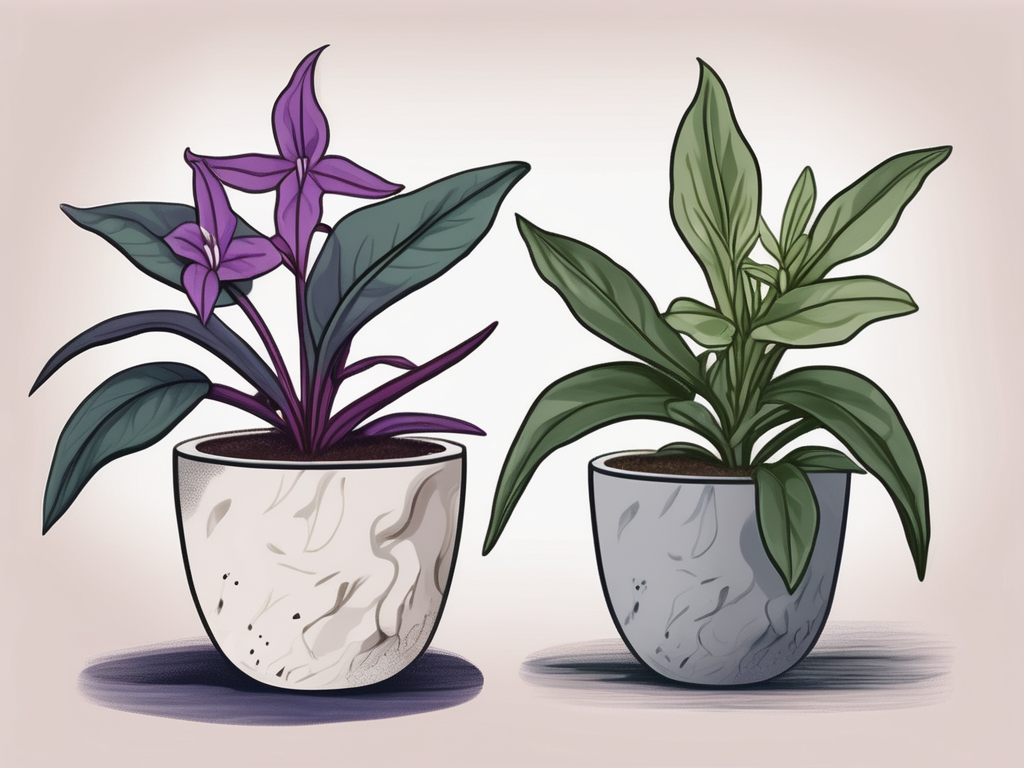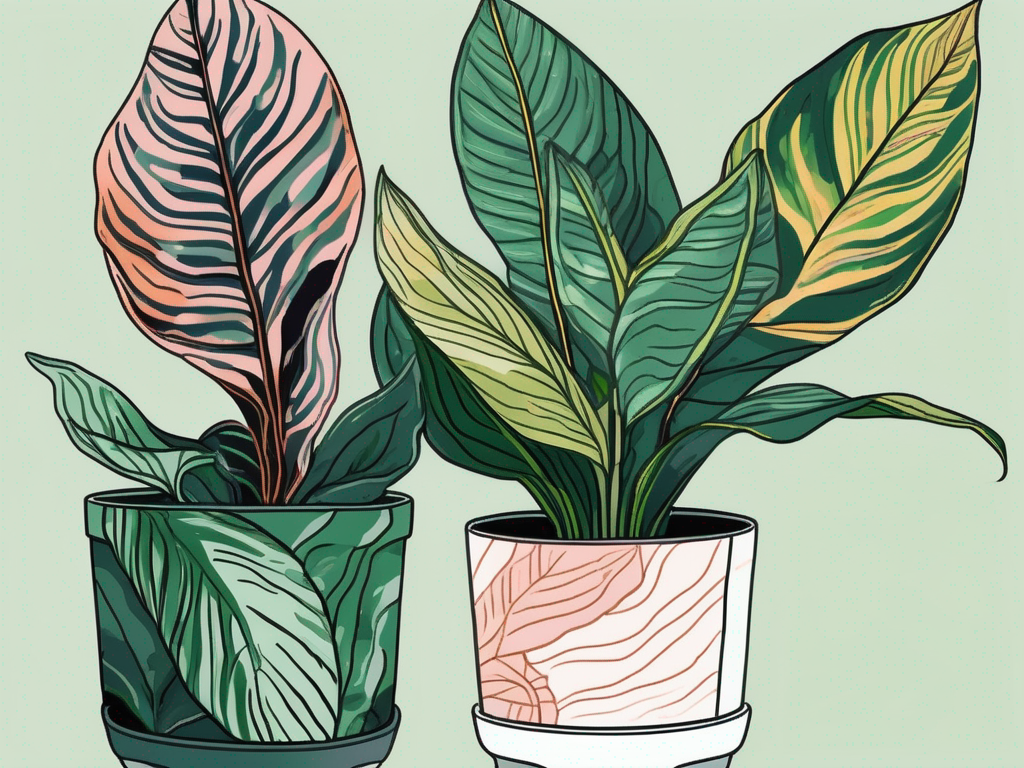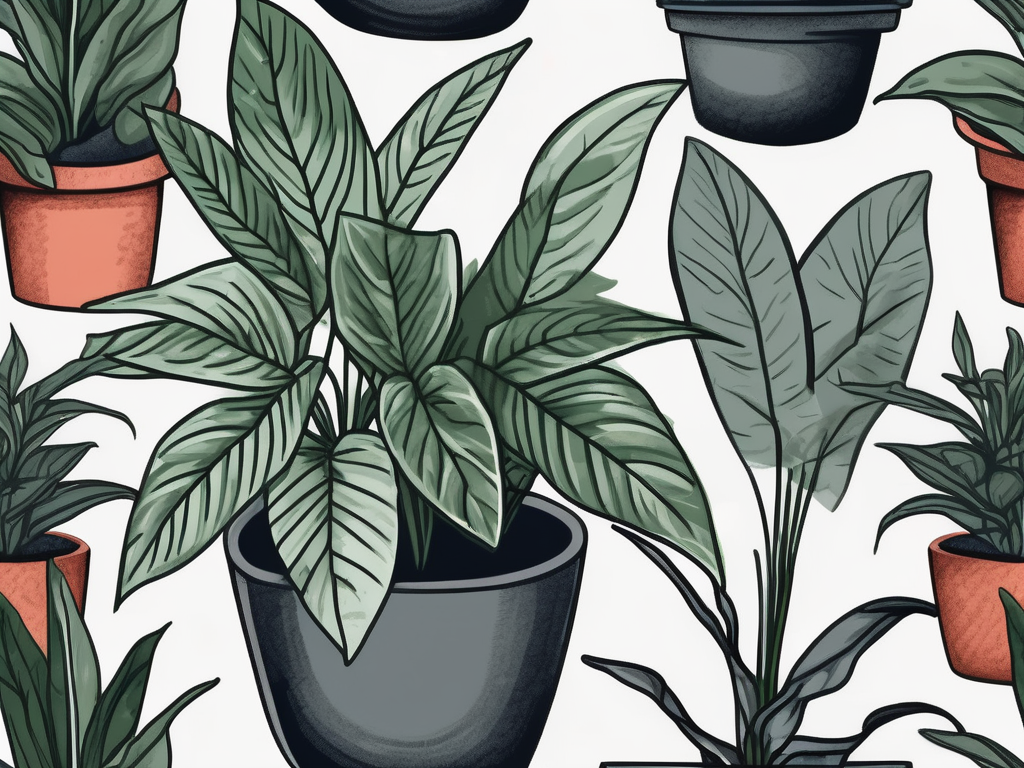
Tradescantia, commonly known as spiderwort or wandering Jew, is a popular houseplant cherished for its vibrant foliage and easy-going nature. If you've recently added this plant to your home collection or are considering it, you might wonder what soil is best to keep it thriving. Luckily, tradescantia isn't overly fussy, but giving it the right soil mix can significantly boost its growth and health.
In this article, we'll dig into the specifics of what makes the best soil for tradescantia. We'll cover everything from understanding the plant's natural habitat to creating the ideal potting mix, and even touch on common pitfalls to avoid. Whether you're a seasoned plant parent or just getting started, these insights will help you cultivate a flourishing tradescantia.
Understanding Tradescantia's Natural Habitat
To know what kind of soil tradescantia prefers, it’s helpful to consider its natural environment. Tradescantia species originate from the Americas, where they grow in a variety of conditions, from dense forests to open fields. This adaptability is part of why they’re so easy to care for indoors.
In the wild, tradescantia thrives in moist, well-draining soil. It’s often found in areas with rich, organic matter that allows for good air circulation around the roots. This means that while tradescantia can tolerate a range of conditions, it does best when the soil mimics its natural habitat.
So what does this mean for your potted tradescantia? It indicates you should aim for a soil mix that retains some moisture but doesn't become waterlogged. A balance of aeration and drainage is crucial. This might sound like a tall order, but don't worry—it's easier than it seems!
Components of an Ideal Soil Mix
Creating the perfect soil mix for tradescantia involves combining a few key components. Each plays a part in ensuring your plant gets the right balance of nutrients, moisture, and aeration. Let’s break down these components:
- Potting Soil: This forms the base of your mix. Look for a quality potting soil that’s light and fluffy. It should have some organic matter to retain moisture but also be free-draining.
- Perlite or Pumice: These materials improve drainage and aeration. They’re lightweight and help prevent the soil from becoming compacted, which is essential for healthy root growth.
- Coco Coir or Peat Moss: These are great for water retention and provide a bit of acidity, which tradescantia appreciates. Coco coir is more sustainable than peat moss and provides similar benefits.
- Compost: Adding compost enriches the soil with nutrients that promote vigorous growth. It also improves soil structure and moisture retention capabilities.
By mixing these components, you create a blend that caters to tradescantia's needs. The soil will hold onto enough water to keep the plant hydrated while still allowing excess moisture to escape, preventing root rot.
Step-by-Step Guide to Mixing Soil
Now that we know what goes into the soil mix, let’s go over how to put it all together. This step-by-step guide will ensure your tradescantia gets the best possible start in its new home.
- Gather Your Materials: You’ll need potting soil, perlite or pumice, coco coir or peat moss, and compost. You can find these at most garden centers or online.
- Mix the Base: Start with a base of potting soil. A good rule of thumb is to use about 60% potting soil for your mix.
- Add Perlite or Pumice: Mix in 20% perlite or pumice. This will ensure your soil is well-draining and airy.
- Incorporate Coco Coir or Peat Moss: Add 10-15% coco coir or peat moss. This helps the soil retain moisture without becoming soggy.
- Enrich with Compost: Finally, mix in 5-10% compost to provide essential nutrients and improve soil structure.
Once your soil is mixed, it should feel light and crumbly with no large clumps. It should also drain well when water is added. Your tradescantia will thank you for the extra effort!
Choosing the Right Container
Even with the best soil, your tradescantia won't thrive if it's in the wrong pot. The container you choose plays a vital role in the overall health of your plant. Here's what you need to consider:
- Drainage Holes: Ensure your pot has adequate drainage holes at the bottom. This prevents water from pooling at the base and causing root rot.
- Size: Pick a pot that’s slightly larger than your plant’s root ball. Tradescantia grows quickly, so it appreciates a bit of room to stretch out.
- Material: The material of the pot can impact moisture retention. Terra cotta pots are breathable and help excess moisture evaporate, which is fantastic for preventing overwatering. Plastic pots retain moisture longer, which can be beneficial in drier climates.
By choosing a container that complements your soil mix, you create an ideal environment for your tradescantia to flourish. Remember, the goal is to balance moisture retention with drainage to keep those roots happy.
Watering Techniques for Optimal Growth
Watering might seem straightforward, but getting it just right can make a world of difference for your tradescantia. These plants like their soil to be consistently moist but not soggy. Here are some tips to master your watering routine:
- Check the Soil: Before watering, check the top inch of soil. If it feels dry to the touch, it’s time to water. If it's still moist, give it a little more time.
- Water Evenly: Water your plant evenly until you see water draining from the bottom of the pot. This ensures the entire root system is hydrated.
- Avoid Standing Water: Never let your plant sit in a saucer of water for extended periods. This can lead to root rot, which is a common issue with overwatering.
- Adjust for Seasons: Tradescantia may need more frequent watering in the growing season (spring and summer) and less in the dormant months (fall and winter).
By being attentive to your tradescantia’s watering needs, you can prevent both under-watering and over-watering, creating the perfect conditions for robust growth.
Fertilizing for Healthier Foliage
While tradescantia doesn’t require heavy feeding, a little fertilizer now and then can encourage more vibrant foliage and faster growth. Here's how to fertilize your plant effectively:
- Choose the Right Fertilizer: A balanced, water-soluble fertilizer works well for tradescantia. Look for a 10-10-10 or 20-20-20 formula.
- Fertilize Sparingly: During the growing season, feed your plant once a month. In the fall and winter, you can reduce this to once every two months or stop altogether.
- Follow Instructions: Always follow the instructions on the fertilizer package. Over-fertilizing can damage the roots and lead to poor plant health.
By incorporating a gentle feeding routine, you can enhance your tradescantia’s natural beauty and promote lush growth. Just be mindful not to overdo it!
Common Soil Problems and How to Fix Them
Even with the best care, sometimes things can go awry. Here are some common soil-related issues you might encounter with tradescantia and how to solve them:
- Root Rot: If your plant’s leaves are yellowing and the soil smells musty, you might have root rot. This usually occurs from overwatering or poor drainage. To fix it, remove the plant from the pot, trim away any rotten roots, and repot in fresh, well-draining soil.
- Soil Compaction: Over time, soil can become compacted, restricting root growth. If your soil feels dense, try aerating it by gently poking holes with a chopstick or repotting with fresh soil.
- Nutrient Deficiency: If your tradescantia’s leaves are pale or have discolored edges, it might be lacking nutrients. Incorporate a balanced fertilizer or add fresh compost to the soil.
By staying vigilant and addressing issues promptly, you can keep your tradescantia healthy and thriving. Remember, plants are resilient, and a little TLC can go a long way in turning things around.
Troubleshooting: When Tradescantia Isn’t Thriving
Sometimes, even when you’ve done everything right, your tradescantia might not look as vibrant as it should. Let’s troubleshoot some scenarios and explore solutions:
- Leggy Growth: If your plant is reaching out with long, sparse stems, it might not be getting enough light. Move it to a brighter spot, but avoid direct sunlight, which can scorch the leaves.
- Dull Leaves: Leaves that have lost their color could indicate a lack of nutrients or insufficient light. Consider adjusting the light exposure and adding a bit of fertilizer.
- Wilting Leaves: Wilting can be caused by either overwatering or underwatering. Check the soil moisture to determine which is the cause and adjust your watering habits accordingly.
By paying attention to these signs and adjusting your care routine, you can often revive a struggling tradescantia. Remember, plants are living things and occasionally need a little extra attention to bounce back.
Final Thoughts
Caring for tradescantia involves understanding its natural preferences and creating a home environment that supports its growth. By focusing on the right soil mix, container, watering, and fertilizing routines, you can help your plant thrive.
At Cafe Planta, we’re passionate about helping you with your plant journey. We offer a variety of houseplants and accessories to help you create a beautiful, thriving plant collection in your home. If you have questions or need advice, reach out to us via email or connect with us on Instagram. We're here to share our love of plants and support your green endeavors!