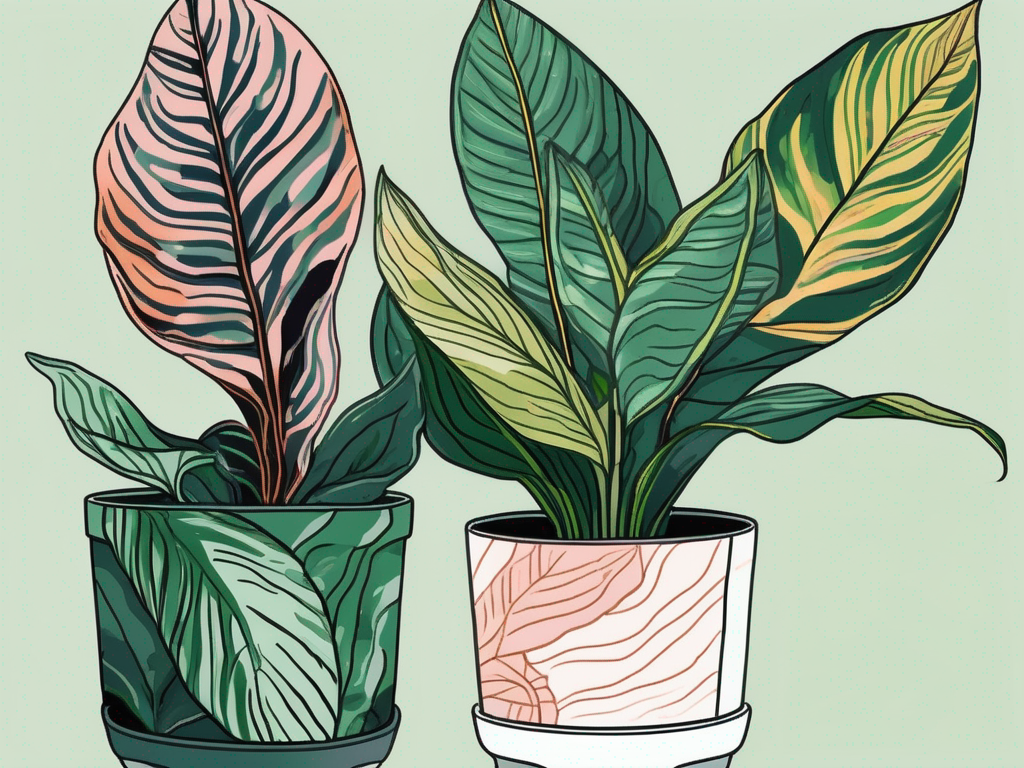
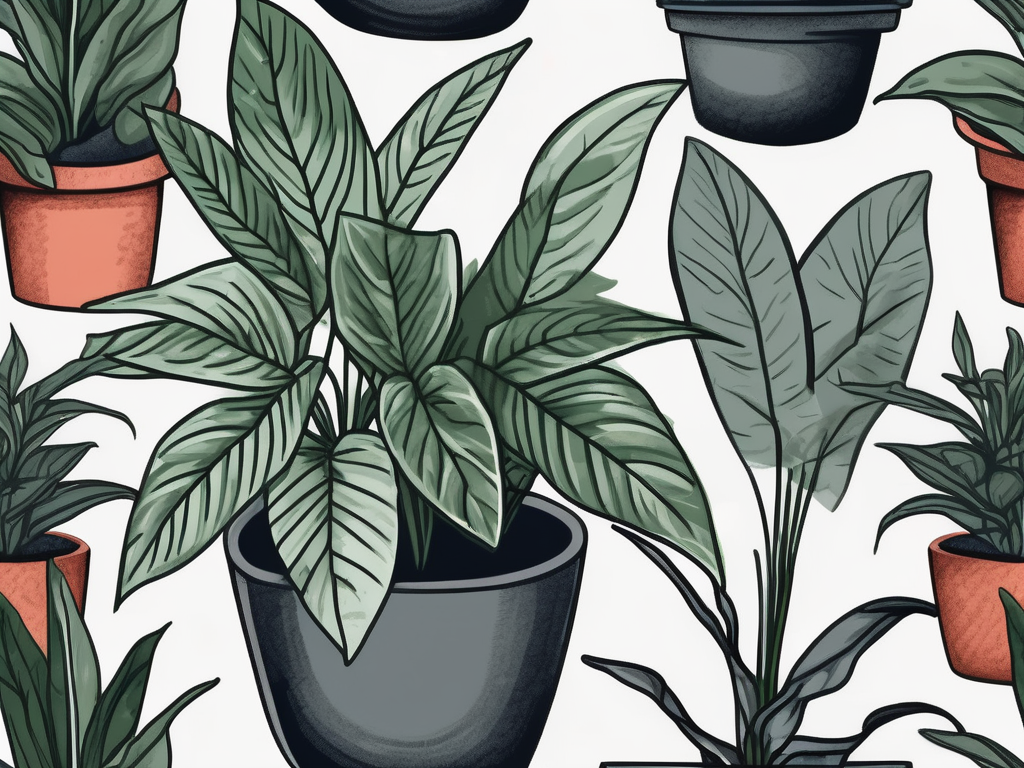
If you've ever tried your hand at growing begonias, you might have discovered that they’re a bit like Goldilocks when it comes to water—things need to be just right. Too much water and you could be dealing with a soggy mess, too little and they’ll pout with droopy leaves. Overwatering is one of the most common pitfalls for begonia lovers and can lead to a cascade of problems. But don’t worry, understanding how to properly care for your begonias isn’t as tricky as it sounds.
In this article, we'll walk you through the nuances of watering begonias, signs of overwatering, and how to get it right. We’ll also cover some practical tips on soil selection, potting techniques, and creating the perfect indoor environment for your begonias to thrive. So, let’s embark on this plant-care journey together!
The Importance of Watering Begonias Correctly
Watering your begonias correctly is crucial for their health and vibrancy. These charming plants, with their stunning foliage and sometimes vibrant flowers, have specific needs that, if not met, can lead to a host of problems. Overwatering is a common issue that can cause root rot, yellowing leaves, and even plant death.
Begonias are native to tropical and subtropical climates, which means they’re used to a certain level of moisture—but not too much. Their roots need to breathe, and sitting in waterlogged soil can suffocate them. Think of their roots like our lungs; they need air to function properly. When you overwater, you essentially drown them, leading to root rot, which is often irreversible.
The secret is to let the top inch of soil dry out between waterings. This allows the roots to get the air they need while still having access to moisture further down. It might take a little while to get used to this, but once you do, your begonias will thank you by thriving.
Signs Your Begonia May Be Overwatered
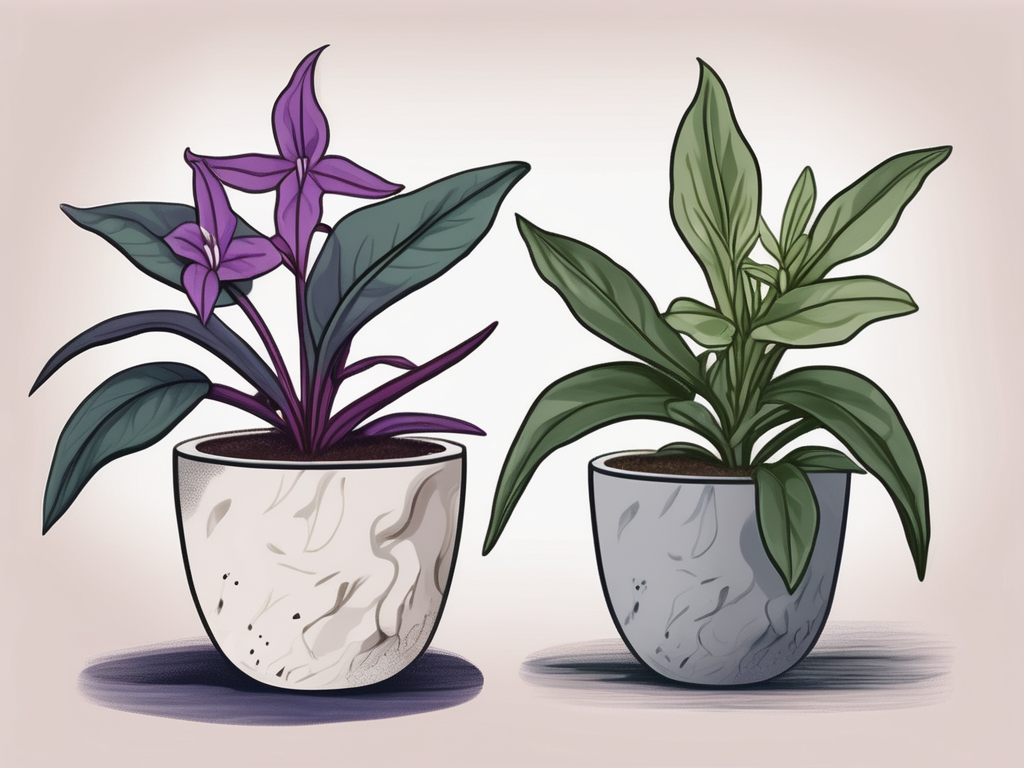
Spotting an overwatered begonia isn’t always straightforward, especially if you’re new to plant care. However, there are some telltale signs. Recognizing these early can save your plant from a downward spiral. Here’s what to look out for:
- Yellowing Leaves: This is often the first sign. While yellow leaves can also mean other things, overwatering is a common cause.
- Wilting Despite Moist Soil: It seems counterintuitive, but a plant can wilt even when there’s too much water. It’s a sign that the roots are struggling.
- Soft, Mushy Stems: If your begonia’s stems are soft to the touch, it’s a red flag for overwatering.
- Root Rot: If you gently remove the plant from its pot and the roots appear brown and mushy rather than white and firm, you’re likely dealing with root rot.
These signs are your begonia’s way of waving a little white flag. If you catch them early, you can often save your plant with some quick action.
How to Rescue an Overwatered Begonia
If you suspect that your begonia has been overwatered, don’t panic—there are steps you can take to help it recover. Here’s what you can do:
- Stop Watering: Give your plant a break from watering to let the soil dry out. This might take a few days to a week, depending on your environment.
- Check the Roots: Gently remove the plant from its pot and inspect the roots. Cut away any that are brown or mushy. Healthy roots should be white and firm.
- Repot if Necessary: If a significant portion of the roots is damaged, consider repotting your begonia into fresh, well-draining soil.
- Improve Drainage: Make sure your pot has drainage holes and consider adding perlite or sand to the soil mix to improve drainage.
With some patience and tender care, your begonia can bounce back from an overwatering episode. Remember, it’s all part of the learning process.
Choosing the Right Soil for Begonias
One of the best ways to prevent overwatering is by choosing the right soil. Begonias prefer a well-draining soil mix that allows excess water to escape while retaining just enough moisture.
A good mixture could be:
- One part potting soil
- One part perlite
- One part peat moss or coconut coir
This combination provides a balance of drainage and moisture retention. The perlite helps aerate the soil, preventing compaction, while peat moss or coconut coir holds moisture without becoming waterlogged. It’s like giving your begonias the best of both worlds.
Remember, the goal is to mimic their natural environment as closely as possible. When you get the soil mix right, it’s much easier to keep your begonias healthy and happy.
Potting Techniques for Happy Begonias
Choosing the right pot and potting technique is another key aspect of proper begonia care. Here’s what you need to know:
- Pot Size: Select a pot that’s slightly larger than the root ball. Too much extra space can lead to water pooling, increasing the risk of overwatering.
- Drainage Holes: Always use a pot with drainage holes. This allows excess water to escape and prevents waterlogging.
- Pot Material: Consider using a porous material like terracotta, which allows moisture to evaporate through the sides of the pot.
When potting your begonia, place a layer of broken pottery or stones at the bottom to improve drainage. Fill the pot with your pre-mixed soil, and plant your begonia at the same depth it was growing in its previous pot. Water it lightly after potting, and then follow your regular watering schedule.
These small steps can make a big difference in maintaining the right moisture levels for your begonias.
Creating the Perfect Indoor Environment
Besides watering and potting, the indoor environment plays a significant role in your begonia’s health. Here’s how you can set up a begonia-friendly space:
- Light: Begonias prefer bright, indirect light. Too much direct sunlight can scorch their leaves, while too little can hinder their growth.
- Temperature: Keep them in a room that’s consistently warm. They thrive in temperatures between 65°F and 75°F.
- Humidity: These plants love humidity. If your home is dry, consider using a pebble tray or a humidifier to increase moisture in the air.
Arranging a few plants together can also create a microclimate that boosts humidity naturally. It’s like forming a little plant community, where they all help each other thrive.
Understanding Seasonal Watering Needs
Begonias, like many houseplants, have different watering needs depending on the season. During the growing season (spring and summer), they’re more active and will need more frequent watering. However, in the fall and winter, their growth slows down, and so should the watering.
In colder months, let the soil dry out a little more between waterings. This rest period is important for the plant’s overall health and longevity. It’s similar to how we slow down and rest more during the winter months.
Adjusting your watering schedule with the seasons is a small change that can have a big impact on your begonia’s health.
Using Technology to Monitor Watering
In today’s world, technology can be a plant parent’s best friend. Using moisture meters or smart plant sensors can take some of the guesswork out of watering your begonias.
- Moisture Meters: These handy tools can tell you the moisture level at different soil depths, helping you to know exactly when it’s time to water.
- Smart Sensors: These devices can connect to your smartphone, giving you real-time data on your plant’s environment, including soil moisture, light levels, and temperature.
While these tools can be helpful, they’re not a substitute for getting to know your plants’ needs. Use them as an aid, not a crutch, and you’ll be a more confident plant parent in no time.
Building Confidence as a Begonia Caretaker
Caring for begonias doesn’t have to be intimidating. With a little practice and patience, you’ll get the hang of it. Remember, it’s okay to make mistakes—every plant parent has been there. The more you observe and adjust, the better you’ll become at understanding your begonias’ needs.
Enjoy the process and watch your plants grow. There’s something incredibly rewarding about seeing a begonia flourish under your care. So, embrace the journey, and don’t hesitate to reach out to other plant lovers for tips and support.
Final Thoughts
Overwatering is a common challenge for begonia owners, but with attention to detail and a bit of practice, you can keep your plants healthy and vibrant. Remember to let the soil dry between waterings, choose the right pot and soil mix, and create a supportive environment for your begonias to thrive.
At Cafe Planta, we're passionate about helping you grow your plant collection with confidence. Whether you're looking for new houseplants, care accessories, or plant-themed apparel, we've got you covered. If you have any questions, feel free to email us or send a DM on Instagram. We're here to inspire you and connect with nature, one plant at a time.