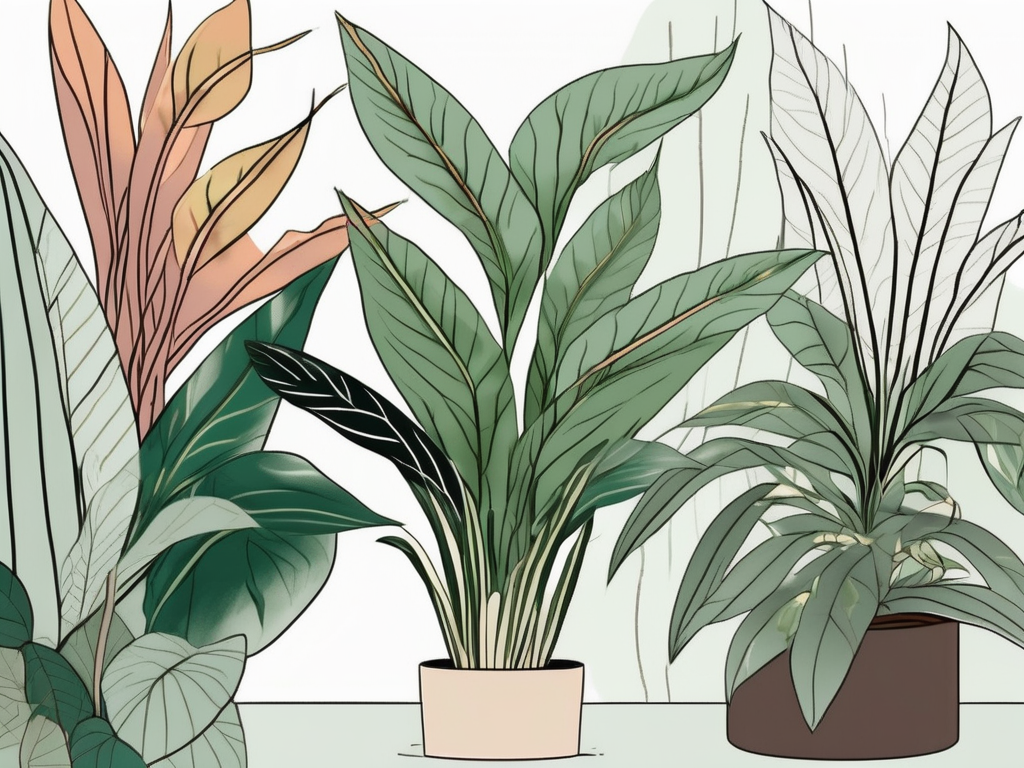
Have you ever found yourself entranced by the vibrant patterns and lively colors of a houseplant? If so, you might have been admiring a Ctenanthe. These plants, often referred to as "never-never plants," are known for their striking leaves and dynamic growth habits. But did you know there are several types of Ctenanthe, each with its unique charm?
In this article, we'll journey through the diverse world of Ctenanthe plants. From the popular Ctenanthe burle-marxii to the more elusive varieties, we'll explore what makes each type special and how you can care for them in your own home. So, if you're ready to become a Ctenanthe expert, let's dig in!
Ctenanthe: A Family Portrait
The Ctenanthe family is like a big, colorful tapestry, with each plant contributing its own piece to the overall beauty. Originating from Central and South America, primarily Brazil, these plants are part of the Marantaceae family, which also includes Calatheas and Marantas. They share some characteristics with their botanical cousins, such as their prayer plant-like movements, where leaves fold up at night and open during the day.
What sets Ctenanthe apart is their unique leaf patterns and relatively easy care requirements. They're perfect for plant lovers who want something a bit more exotic without the fuss of high-maintenance care. So, let's take a closer look at some of the most popular varieties.
Ctenanthe burle-marxii: The Classic Choice
Named after the famous Brazilian landscape architect Roberto Burle Marx, Ctenanthe burle-marxii is perhaps the most well-known of the bunch. This plant boasts elongated, lance-shaped leaves with a striking pattern of dark green and silver stripes. If you're looking to add an eye-catching element to your home, this might just be the plant for you.
To keep your Ctenanthe burle-marxii happy, follow these tips:
- Light: Bright, indirect light is ideal. Avoid direct sunlight, as it can scorch the leaves.
- Water: Keep the soil consistently moist but not soggy. Overwatering can lead to root rot.
- Humidity: High humidity is key. Consider using a pebble tray or humidifier to maintain moisture in the air.
- Temperature: These plants prefer temperatures between 65-80°F (18-27°C).
By providing the right conditions, your Ctenanthe burle-marxii will thrive, showcasing its beautiful foliage for all to admire.
Ctenanthe lubbersiana: The Painted Beauty
Next up is the Ctenanthe lubbersiana, a plant that's sure to turn heads with its painterly leaves. The foliage is a mix of light and dark green, with splashes of yellow that look like they've been brushed on by an artist. This variety grows a bit taller than Ctenanthe burle-marxii, making it a great choice for adding vertical interest to your plant collection.
Here’s how to keep your Ctenanthe lubbersiana in tip-top shape:
- Light: It thrives in bright, indirect light but can tolerate lower light conditions.
- Water: Water when the top inch of soil feels dry. Be careful not to let it dry out completely.
- Humidity: Like other Ctenanthes, it loves humidity. Mist the leaves occasionally or use a humidifier.
- Temperature: Keep it in a warm environment, ideally between 60-75°F (16-24°C).
With a little attention, your Ctenanthe lubbersiana will reward you with its lush, artistic display.
Ctenanthe oppenheimiana: The Giant of the Group
If you're looking for a plant that makes a bold statement, Ctenanthe oppenheimiana, also known as the "Never-Never Plant," is your go-to. This variety can grow quite tall, with leaves that can reach up to 12 inches in length. The leaves are a captivating mix of green, silver, and red-purple undersides, adding a pop of color to any room.
To nurture this giant, consider these care tips:
- Light: Prefers bright, indirect light but can adapt to lower light levels.
- Water: Keep the soil evenly moist but never waterlogged. Check the soil regularly to avoid drying out.
- Humidity: High humidity is a must. Use a humidity tray or mist the plant regularly.
- Temperature: Maintain a warm environment, around 65-80°F (18-27°C).
When given proper care, Ctenanthe oppenheimiana will grow into a stunning centerpiece in your home.
Ctenanthe setosa: The Silver Star
Ctenanthe setosa is another striking member of this plant family, often referred to as the "Grey Star." Its leaves are a beautiful silvery-grey with dark green veins, creating a striking contrast. This plant is particularly admired for its unique color palette, which can brighten up any space.
To keep your Ctenanthe setosa shining, follow these guidelines:
- Light: Prefers bright, indirect light. Avoid direct sunlight to prevent leaf burn.
- Water: Keep the soil consistently moist but not drenched. Allow the topsoil to dry slightly between waterings.
- Humidity: High humidity is preferred. Consider placing it near a humidifier or misting the leaves.
- Temperature: Best grown in temperatures between 60-75°F (16-24°C).
With its care needs met, Ctenanthe setosa will be a silver star in your plant collection.
Ctenanthe amabilis: The Prayer Plant Cousin
Ctenanthe amabilis, often called the "Prayer Plant" because of its leaf movements, is a close cousin to the more famous Maranta. Its leaves are a delicate mix of light green with dark green stripes and a purple underside, giving it a soft and enchanting appearance.
Caring for this plant is quite similar to other Ctenanthes:
- Light: Enjoys bright, indirect light but can handle some shade.
- Water: Water when the top inch of soil is dry, ensuring the soil remains slightly moist.
- Humidity: High humidity is beneficial. Mist regularly or use a humidity tray.
- Temperature: Prefers a range of 65-75°F (18-24°C).
By providing the right environment, your Ctenanthe amabilis will reward you with its graceful, prayer-like movements.
Ctenanthe compressa: The Compact Wonder
If you’re short on space but long on plant love, Ctenanthe compressa might just be your perfect match. This compact variety features glossy green leaves with deep maroon undersides, making it a stunning addition to any small space.
Here's how to keep this plant compact and happy:
- Light: Thrives in bright, indirect light but can tolerate lower light conditions.
- Water: Water when the top inch of soil is dry. Keep the soil lightly moist but not waterlogged.
- Humidity: Loves high humidity. Mist regularly or place near a humidifier.
- Temperature: Ideally kept in temperatures between 65-80°F (18-27°C).
With the right care, Ctenanthe compressa will bring beauty and elegance to your cozy corner.
Ctenanthe pilosa: The Furry Friend
Ctenanthe pilosa, also known as the "Furry Ctenanthe," is a plant with a bit of attitude. Its leaves are covered with tiny hairs, giving them a soft, velvety feel. The foliage is a delightful mix of light and dark green, with a hint of purple on the undersides.
To care for this fuzzy favorite, consider these tips:
- Light: Prefers bright, indirect light but can adapt to lower light levels.
- Water: Keep the soil consistently moist but not soggy. Allow the topsoil to dry slightly between waterings.
- Humidity: High humidity is essential. Use a humidity tray or mist regularly.
- Temperature: Best suited for temperatures between 65-80°F (18-27°C).
With its unique texture and color, Ctenanthe pilosa will add a touch of whimsy to your plant collection.
Common Challenges and Solutions for Ctenanthe
Like any plant family, Ctenanthe comes with its own set of challenges. But don't worry! With a little know-how, you can tackle these issues and keep your plants thriving.
- Browning Leaves: Often a sign of low humidity or too much direct sunlight. Increase humidity levels and move your plant to a shadier spot.
- Yellowing Leaves: Could be due to overwatering. Check the soil moisture and adjust your watering schedule as needed.
- Pests: Ctenanthe can be prone to spider mites and aphids. Use a gentle insecticidal soap or neem oil to treat infestations.
- Leaf Curling: Usually indicates underwatering or low humidity. Increase watering frequency and ensure the plant has enough humidity.
By keeping an eye out for these common issues and addressing them promptly, you'll help your Ctenanthe flourish.
Final Thoughts
We've journeyed through the vibrant world of Ctenanthe plants, exploring their unique characteristics and care needs. From the classic beauty of Ctenanthe burle-marxii to the artistic flair of Ctenanthe lubbersiana, each variety brings its own charm to your home. By understanding their preferences and addressing any challenges, you can enjoy the beauty of these plants for years to come.
At Cafe Planta, we're passionate about helping you care for your plants. Whether you're looking to add a new Ctenanthe to your collection or need advice on plant care, we're here to support you. Feel free to email us or reach out on Instagram. We believe that plants have the power to connect us with nature and each other, and we're excited to share this journey with you.