Houseplants have a special way of transforming a house into a home, and few do it with as much pizzazz as the Fittonia. Known for their vibrant, mosaic-like foliage, these plants, also affectionately called "Nerve Plants," are perfect for adding a splash of color and texture to any room. But there's more to Fittonia than meets the eye.
In this post, we'll explore the various types of Fittonia available and provide practical tips on how to care for them. From their unique appearance to the best ways to keep them happy and healthy, you'll soon be a Fittonia aficionado. So, let's get started!
The Appeal of Fittonia
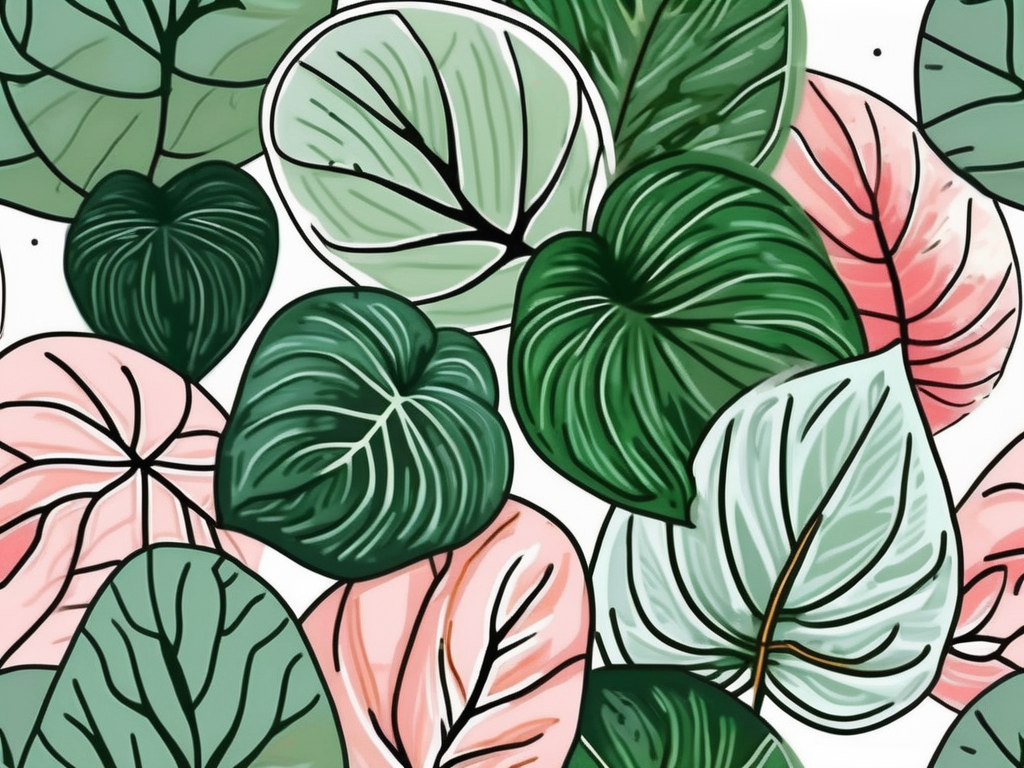
Fittonia are a sight to behold, with their striking, veined leaves that come in a range of colors, including red, pink, white, and green. These plants are native to the rainforests of South America, where they thrive in warm, humid environments. Fittonia can be grown in various forms, such as in small pots, as ground cover, or even as part of a terrarium.
What makes them so popular among plant lovers is their ability to adapt to low-light conditions, making them ideal for indoor settings. They're perfect for brightening up a dim corner of your home or office. Plus, their compact size makes them an excellent choice for small spaces.
Despite their tropical origins, Fittonia are relatively easy to care for, especially once you understand their preferences. Keep them happy, and you'll be rewarded with lush, colorful foliage all year round.
Types of Fittonia
There are several types of Fittonia, each with its unique charm. Here are some of the most popular varieties:
- Fittonia albivenis: Also known as the White Nerve Plant, this variety features stunning white veins against a green backdrop.
- Fittonia argyroneura: Known for its silvery-white veins, this type is often used in terrariums due to its compact growth habit.
- Fittonia verschaffeltii: This variety boasts vibrant red or pink veins, making it a standout in any collection.
- Fittonia 'Mini White': A smaller version of the White Nerve Plant, perfect for tiny pots or terrariums.
- Fittonia 'Pink Angel': With its pink veins and green leaves, this variety adds a soft, romantic touch to any space.
Each type has its unique appeal, but they all share the same basic care requirements. Once you get the hang of it, you might find yourself wanting one of each!
Light and Placement
Understanding where to place your Fittonia is crucial for its health and well-being. These plants prefer bright, indirect light. Direct sunlight can scorch their delicate leaves, so it's best to avoid placing them on sunny windowsills. If your space only offers low light, don't worry—Fittonia can adapt to those conditions as well, although their growth might slow down a bit.
Consider placing your Fittonia in a spot where it can receive filtered light, such as near a north or east-facing window. If you notice the colors fading or the plant becoming leggy, it might be a sign that it needs more light. On the flip side, if the leaves start to curl or brown, it might be getting too much sun.
If natural light is a challenge, you might want to try using a grow light. These can provide the perfect amount of light for your Fittonia, ensuring it stays vibrant and healthy.
Watering Wisely
One of the most common challenges with Fittonia is getting the watering just right. These plants like their soil to be consistently moist but not soggy. Overwatering can lead to root rot, while underwatering can cause the leaves to wilt dramatically. But don't fret—Fittonia are resilient and often bounce back quickly if you catch the watering issue in time.
A good rule of thumb is to water your Fittonia when the top inch of soil feels dry to the touch. During the growing season (spring and summer), you might find yourself watering more frequently. In the winter, you can reduce the watering schedule as the plant's growth slows down.
When watering, aim for the base of the plant and try to avoid getting water on the leaves, as this can lead to fungal issues. Using room temperature water is also a good practice, as it prevents shocking the plant.
Humidity and Temperature Needs
Fittonia thrive in high humidity environments, mimicking their natural rainforest habitat. If your home is particularly dry, especially during the winter months, you might need to boost the humidity around your plant. There are several ways to do this:
- Misting: Lightly mist your Fittonia with water every few days to increase humidity.
- Humidifier: Using a humidifier in the room can help maintain a consistent humidity level.
- Humidity trays: Place a tray filled with water and pebbles under your plant's pot. As the water evaporates, it increases the humidity around the plant.
As for temperature, Fittonia prefer a warm environment. Try to keep them in a spot where temperatures range from 65°F to 80°F (18°C to 27°C). Avoid placing them near drafts, heaters, or air conditioners, as sudden temperature changes can stress the plant.
Soil and Potting
Choosing the right soil and pot is essential for keeping your Fittonia healthy. These plants prefer a well-draining potting mix that retains some moisture. A standard houseplant potting mix with added perlite or orchid bark works well, providing both drainage and aeration.
When it comes to potting, make sure your container has drainage holes to prevent water from sitting at the bottom. Fittonia don't like their roots to sit in water, as this can lead to root rot. A pot that's slightly larger than the root ball is ideal, as it gives the plant room to grow without overwhelming it with too much soil.
Repotting your Fittonia every couple of years or when it becomes root-bound will keep it thriving. This is also a great opportunity to refresh the soil and give the plant a nutrient boost.
Dealing with Pests
While Fittonia are generally low-maintenance, they can sometimes fall victim to common houseplant pests like aphids, spider mites, and mealybugs. The good news is that these pests are usually easy to manage if caught early.
Regularly inspect your plant for signs of pests, such as sticky residue, webbing, or tiny insects on the leaves. If you spot any unwanted visitors, you can try these methods to get rid of them:
- Manual removal: Gently wipe the leaves with a damp cloth or use a cotton swab dipped in rubbing alcohol to remove pests.
- Neem oil: This natural pesticide is effective against a variety of pests and can be sprayed on the plant as needed.
- Insecticidal soap: A gentle option for treating pests, insecticidal soap can be sprayed directly onto the affected areas.
Remember to treat the plant a few times, even if you think you've gotten rid of the pests, to ensure all life stages are eliminated.
Pruning and Propagation
Pruning your Fittonia helps maintain its shape and encourages bushier growth. Simply trim back any leggy or unruly stems with clean scissors or pruning shears. This is also an excellent opportunity to remove any dead or damaged leaves.
If you're interested in expanding your Fittonia collection, propagation is a rewarding process. The most common method is stem cuttings. Here's a simple step-by-step guide:
- Using clean scissors, cut a healthy stem with at least two leaves and a node (the part where leaves attach to the stem).
- Remove the lower leaves, leaving just a couple at the top.
- Place the cutting in a glass of water, ensuring the node is submerged.
- Change the water every few days to keep it fresh.
- Once roots have developed, plant the cutting in a small pot with well-draining soil.
With a little patience, you'll have a new Fittonia plant to enjoy or share with friends!
Using Fittonia in Interior Design
Fittonia aren't just easy on the eyes—they're also versatile when it comes to interior design. Their vibrant colors and compact size make them a perfect choice for adding interest to various spaces throughout your home.
Consider these ideas for incorporating Fittonia into your decor:
- Terrariums: Fittonia thrive in the humid environment of a closed terrarium, making them an ideal choice for this kind of display.
- Table centerpieces: A small pot of Fittonia can add a pop of color to your dining or coffee table.
- Bookshelves: Use Fittonia to fill in gaps on your shelves, adding both color and texture to your book collection.
The key is to place your Fittonia where its colors and textures can be appreciated. Whether you're a minimalist or a maximalist, these plants can fit into any design style.
Final Thoughts
Fittonia are a delightful addition to any plant collection, offering beauty and interest with their unique, colorful foliage. By understanding their needs and preferences, you can enjoy the vibrancy they bring to your home. From choosing the right spot to mastering the art of watering, each step contributes to a thriving plant.
At Cafe Planta, we're passionate about helping you succeed in your plant journey. Whether you're looking for new additions to your collection or need advice on plant care, we're here to support you. Feel free to reach out via email or follow us on Instagram for more tips and inspiration. Let's grow together!