If you’ve ever strolled through a garden center or taken a leisurely walk through a lush park, chances are you’ve encountered the vibrant and cheerful blooms of impatiens. These delightful flowers are not only a sight for sore eyes, but they’re also a favorite among plant lovers for their versatility and ease of care.
In this article, we’ll dive into the colorful world of impatiens and explore the different types you can grow. Whether you’re a seasoned plant parent or just starting your gardening journey, we’ll guide you through everything you need to know about these charming plants. Let's get started!
What Are Impatiens?
Impatiens are a genus of flowering plants commonly known as touch-me-not or busy lizzie. They belong to the Balsaminaceae family, which includes over 1,000 species. Native to both tropical and temperate regions, impatiens are particularly well-loved for their vibrant blooms and ability to thrive in shaded areas where other flowers might struggle.
The name "impatiens" comes from the Latin word for "impatient," referring to the plant's seed pods, which burst open at the slightest touch. This makes them not only interesting but also a bit playful to grow. If you’ve ever brushed past an impatiens plant and been surprised by a sudden puff of seeds, you know exactly what we’re talking about!
These plants are typically grown as annuals in most climates, although they can be perennials in more tropical areas. They’re perfect for adding pops of color to shady corners, hanging baskets, and even as borders in your garden.
Common Impatiens Varieties
When it comes to impatiens, variety is truly the spice of life! With so many types to choose from, you can easily find one (or several) that suit your style and space. Here’s a closer look at some of the most popular impatiens varieties you might consider adding to your collection:
Impatiens Walleriana
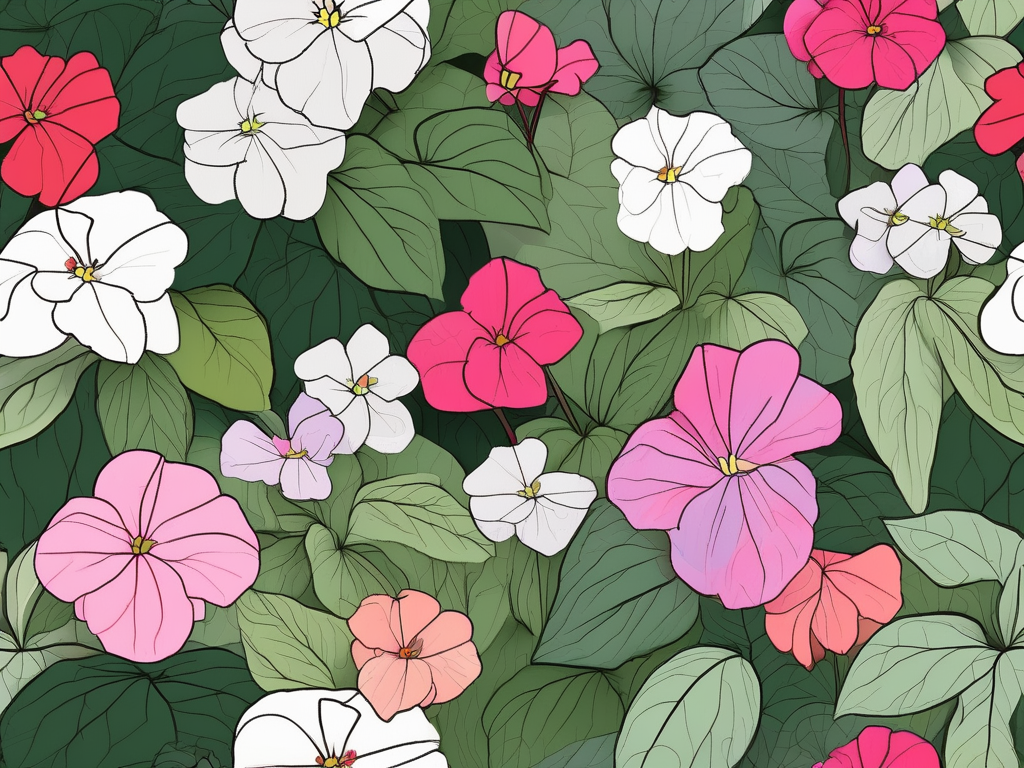
This is perhaps the most well-known type of impatiens. Often referred to as "busy lizzie," this variety is celebrated for its bright, showy flowers that bloom in a spectrum of colors, including red, pink, white, purple, and orange. It’s perfect for those who want a low-maintenance plant that delivers high rewards.
Impatiens walleriana thrives in shaded areas, making it an excellent choice for gardens with limited sunlight. They’re also great for window boxes and hanging baskets. Just be cautious of downy mildew, a common fungal issue that can affect these plants. Regularly check for any signs of mildew and address them promptly to keep your plants healthy.
New Guinea Impatiens
If you’re looking for a more robust option, New Guinea impatiens are the way to go. These plants boast larger flowers and darker, glossier leaves compared to their walleriana cousins. They also tolerate more sun, which makes them a versatile choice for different garden settings.
New Guinea impatiens come in a wide range of colors, often with striking two-tone patterns, which can add a dramatic flair to your garden. They’re also a bit more resistant to downy mildew, so they’re a safer bet if you’ve had issues with this in the past. Keep them well-watered, as they prefer consistently moist soil.
Double Impatiens
For those who love the look of roses but prefer something a bit easier to maintain, double impatiens are a delightful choice. These flowers feature multiple layers of petals, giving them a lush, full appearance that resembles miniature roses.
Double impatiens thrive in similar conditions to Impatiens walleriana, preferring shade and well-drained soil. They’re perfect for adding a touch of elegance to your outdoor space or even as a houseplant. Just ensure they have adequate humidity if grown indoors, as they can be sensitive to dry air.
Growing Impatiens: A Step-by-Step Guide
Now that you’re familiar with the various types of impatiens, let’s talk about how to grow them successfully. Whether you’re planting them in the ground or in containers, these tips will help you get the most out of your impatiens:
Choosing the Right Spot
Most impatiens thrive in shaded areas, making them ideal for gardens with limited sunlight. However, New Guinea impatiens are more sun-tolerant, so you can experiment with different spots in your garden to see what works best. Just remember that too much direct sunlight can lead to wilting and sunburned leaves.
Preparing the Soil
Impatiens prefer well-draining soil rich in organic matter. If you’re planting in garden beds, amend the soil with compost or well-rotted manure to improve drainage and nutrient content. For container planting, use a high-quality potting mix designed for flowering plants.
Planting and Watering
Once you’ve chosen your spot and prepared the soil, it’s time to plant your impatiens. Space them about 8 to 12 inches apart to allow for proper air circulation and growth. After planting, water them thoroughly to help settle the soil and remove any air pockets.
- Water impatiens regularly, especially during dry spells, to keep the soil consistently moist.
- Avoid overhead watering, as wet foliage can encourage fungal diseases.
- Consider using a soaker hose or drip irrigation system for efficient watering.
Impatiens Care Tips
While impatiens are relatively easy to care for, a little attention can go a long way in keeping them vibrant and blooming all season long. Here are some care tips to keep in mind:
Feeding Your Impatiens
Feed your impatiens every few weeks with a balanced, water-soluble fertilizer. This will provide the nutrients they need to produce beautiful blooms. Be careful not to over-fertilize, as this can lead to excessive foliage growth at the expense of flowers.
Deadheading and Pruning
Impatiens generally don’t require much deadheading, as they naturally drop spent blooms. However, occasional pruning can help encourage bushier growth and more blooms. Simply pinch back leggy stems to promote branching and fuller plants.
Pest and Disease Management
While impatiens are typically resistant to pests, they can occasionally fall victim to aphids, spider mites, and whiteflies. Keep an eye out for any signs of infestation and treat promptly with insecticidal soap or neem oil.
As mentioned earlier, downy mildew can be an issue, particularly for Impatiens walleriana. Ensure good air circulation around your plants and avoid wetting the foliage to reduce the risk of fungal diseases.
Using Impatiens in Interior Design
Impatiens aren’t just for the garden—they can also be a charming addition to your indoor spaces. Whether you’re looking to add a pop of color to your living room or create a lush environment in your office, these plants can fit the bill beautifully.
Choosing the Right Containers
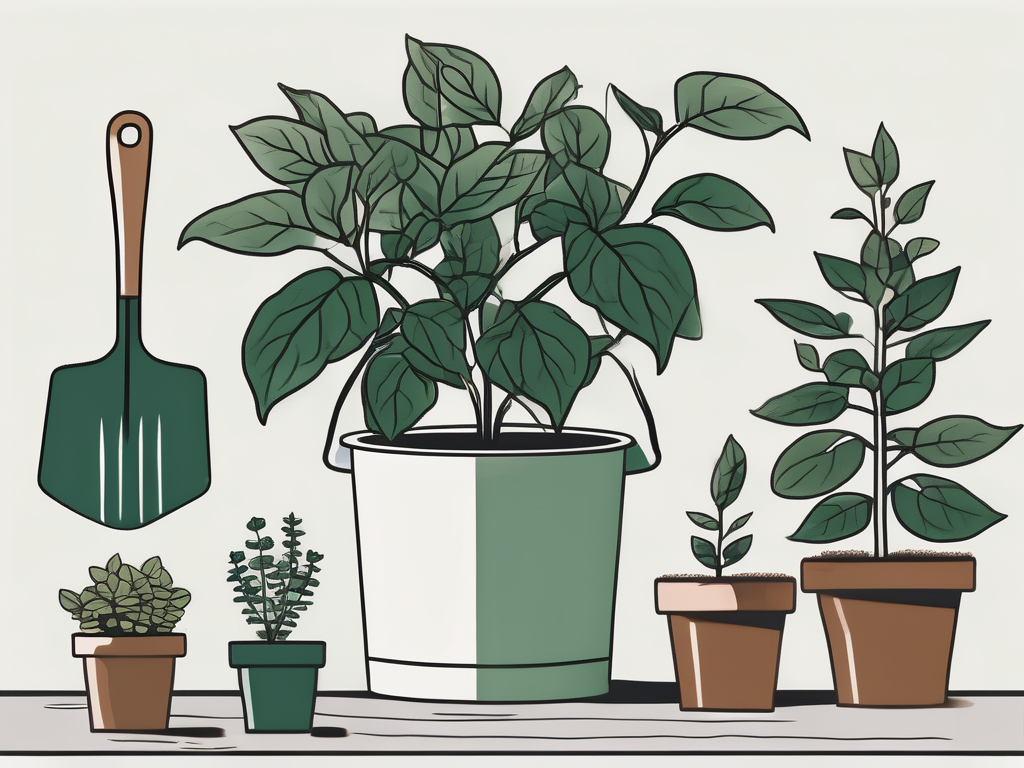
When growing impatiens indoors, select containers that complement your decor. Consider using ceramic pots or decorative planters that match your style. Ensure the containers have drainage holes to prevent waterlogging, which can lead to root rot.
Creating a Focal Point
Use impatiens to create a focal point in your room. Arrange several plants in a grouping to draw the eye and add visual interest. You can also place them on a plant stand or hang them in baskets for a unique display.
Maintaining Indoor Impatiens
Indoor impatiens require similar care to their outdoor counterparts. Ensure they receive adequate light, preferably indirect sunlight, and maintain consistent humidity levels. Use a pebble tray or a humidifier to increase humidity if necessary, especially during winter months when indoor air can be dry.
Troubleshooting Common Impatiens Issues
Even with the best care, impatiens can sometimes face challenges. Here are some common issues and how to address them:
Yellowing Leaves
Yellow leaves can be a sign of overwatering, poor drainage, or nutrient deficiency. Check the soil moisture and ensure proper drainage. If the problem persists, consider feeding the plants with a balanced fertilizer.
Wilting
Wilting can occur due to underwatering, overwatering, or excessive heat. Check the soil moisture and adjust your watering schedule as needed. If plants are exposed to too much sun, consider relocating them to a shadier spot.
Poor Flowering
If your impatiens aren’t blooming as expected, they may need more light or nutrients. Ensure they’re getting adequate light and consider feeding them with a phosphorus-rich fertilizer to encourage flowering.
Propagating Impatiens
If you’re interested in expanding your impatiens collection or simply want to try your hand at propagation, you’re in luck! Impatiens are relatively easy to propagate from cuttings, allowing you to grow new plants from existing ones.
Taking Cuttings
- Select healthy stems with no signs of disease.
- Use a clean, sharp pair of scissors or pruning shears to cut a 4 to 6-inch section of stem.
- Remove the lower leaves, leaving just a few at the top.
Rooting the Cuttings
Place the cuttings in a glass of water, ensuring the nodes are submerged. You can also plant them directly in moist potting soil if you prefer. Keep the cuttings in a warm, bright location but out of direct sunlight.
Change the water every few days if using the water method, and within a couple of weeks, you should see roots forming. Once the roots are a couple of inches long, you can transplant the cuttings into soil.
Seasonal Care for Impatiens
Caring for impatiens may require tweaking your routine depending on the season. Here’s how to adjust your care practices to keep your plants thriving year-round:
Spring and Summer
During the growing season, impatiens will benefit from regular watering and feeding. Monitor for pests and diseases, and provide any necessary treatments promptly. Deadhead and prune as needed to encourage continuous blooms.
Fall and Winter
As the weather cools, reduce watering to prevent root rot. If you’re growing impatiens as annuals, you can remove them once they’ve finished blooming. For perennials in warmer climates, provide a layer of mulch to protect the roots from cold temperatures.
If you’re bringing impatiens indoors for the winter, ensure they have enough light and maintain humidity levels to keep them healthy until spring arrives.
Final Thoughts
Impatiens are a fantastic addition to any garden or home, offering vibrant colors and easy care. With various types to choose from, there’s sure to be an impatiens variety that fits your gardening style and space.
At Cafe Planta, we’re passionate about helping you find the perfect plants for your home. Our selection includes both popular favorites and unique varieties, along with all the accessories you need to keep your plants thriving. If you have any questions or need advice, feel free to email us or drop us a DM on Instagram. We’re here to help you connect with nature and grow your plant collection. Happy planting!