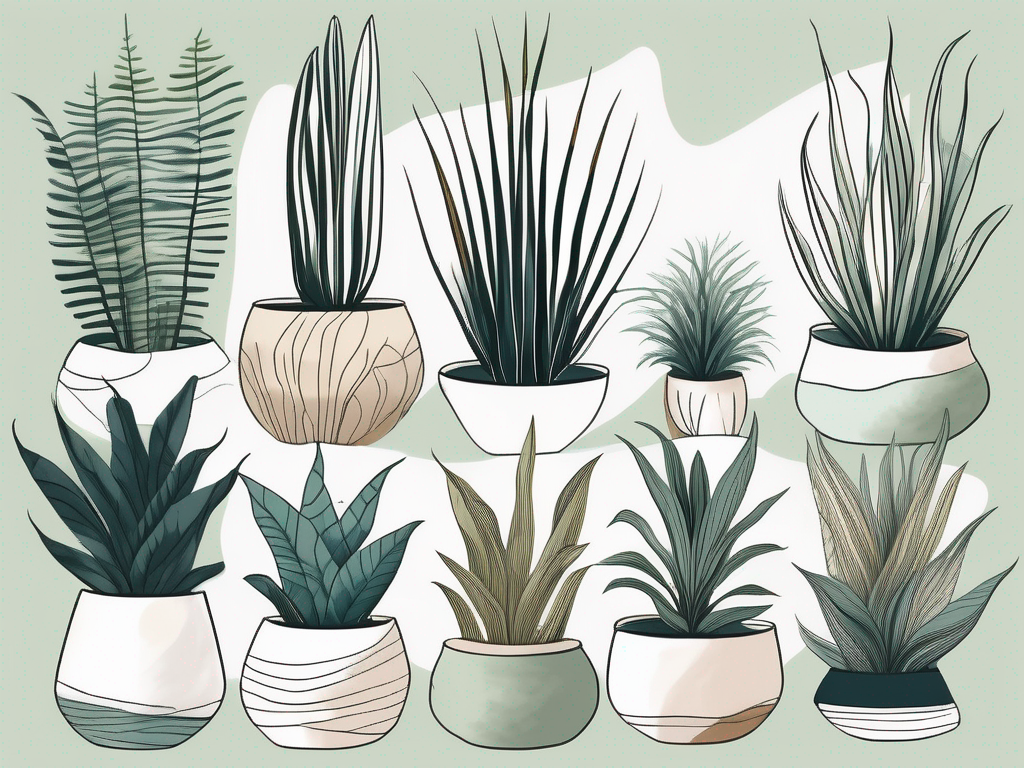
Have you ever found yourself mesmerized by the striking, architectural beauty of the Whale Fin Snake Plant? This plant, with its unique, paddle-shaped leaves, can be the showstopper in any indoor plant collection. Whether you're a seasoned plant parent or just starting to cultivate your green thumb, understanding the different types of this stunning plant can be both fascinating and rewarding.
In this article, we’ll walk through the various types of Whale Fin Snake Plants, offering insights into their care, maintenance, and how to incorporate them into your home decor. We’ll also provide practical tips to ensure your plants thrive, making your space not only greener but more vibrant and inviting.
Getting to Know the Whale Fin Snake Plant
The Whale Fin Snake Plant, scientifically known as Sansevieria masoniana, has become a popular choice among plant lovers for its unique look and easy-care nature. Originating from Central Africa, this plant is named for its broad, whale fin-like leaves that can grow impressively tall, sometimes reaching up to three feet in length.
What sets the Whale Fin apart from other snake plants is its singular leaf growth, which makes it a perfect statement piece for minimalist plant displays. Its thick, fleshy leaves are not just for show—they store water, making the plant drought-tolerant and forgiving to those who might occasionally forget to water.
One of the reasons people are drawn to this plant is its resilience. It's tough enough to withstand varying light conditions, from bright, indirect light to low-light areas, making it versatile for different spots in your home. Plus, it's known for its air-purifying qualities, filtering toxins like formaldehyde and benzene from the air.
Types of Whale Fin Snake Plant
Sansevieria Masoniana 'Whale Fin'
The classic Whale Fin is the most recognized variety, characterized by its large, singular leaf. It's a fantastic choice if you're looking to add a dramatic, sculptural element to your home. The leaf's deep green color is often adorned with subtle patterns of lighter green, adding texture and interest.
Caring for the classic Whale Fin is straightforward. Ensure it receives bright, indirect sunlight for the best growth, though it's adaptable to lower light levels. Water it sparingly—overwatering is a common mistake that can lead to root rot. Allow the soil to dry out completely between waterings, especially during the cooler months.
Plant it in a well-draining potting mix, ideally one designed for succulents or cacti. This helps prevent the roots from sitting in water, which is a big no-no for these plants. As a slow grower, it won't need frequent repotting, which is a plus if you're looking for a low-maintenance addition to your plant family.
Sansevieria Masoniana 'Variegata'
For those who appreciate a little flair, the Variegated Whale Fin offers a twist on the classic. This variety showcases striking variegation with bands of cream or yellow along the edges of the leaves, providing a beautiful contrast to the deep green center.
Like its all-green cousin, the Variegated Whale Fin thrives in bright, indirect light. However, the variegation means it can be slightly more sensitive to low light conditions, so placing it in a well-lit area can help maintain the vibrant colors.
Variegated plants often require a bit more attention to their watering needs, so be extra cautious not to overwater. Remember, these beauties prefer to dry out completely between drinks. If you're worried about overwatering, consider using a moisture meter to assess when it's time to water.
Incorporating the Variegated Whale Fin into your home can add a splash of color and sophistication. It works well as a focal point in a room with neutral tones or alongside other plants with solid green foliage for a dynamic display.
Care Tips for Whale Fin Snake Plants
Light and Placement
One of the Whale Fin's greatest strengths is its adaptability to different lighting conditions. While it thrives in bright, indirect light, it can tolerate low light levels, making it a versatile choice for various spots in your home. However, if you want to see faster growth and maintain the vibrancy of any variegated varieties, aim to provide it with as much indirect sunlight as possible.
When choosing a spot for your Whale Fin, consider the following:
- Bright, indirect light: Ideal for optimal growth and maintaining vibrant leaf colors.
- Low light: The plant will survive, but growth may slow, and variegation may fade.
- Avoid direct sunlight: Too much direct sunlight can scorch the leaves, leading to unsightly brown spots.
Consider placing your Whale Fin near an east or west-facing window, where it can enjoy a few hours of gentle morning or late afternoon sun.
Watering and Humidity
Whale Fin Snake Plants are succulents at heart, meaning they store water in their thick leaves and prefer their soil to dry out between waterings. Overwatering is the most common pitfall for new plant parents, so it's important to get the watering routine right.
Here’s a simple guideline to follow:
- Check the soil: Allow the top 2-3 inches of soil to dry out completely before watering again.
- Water sparingly: In the cooler months, reduce watering frequency, as the plant's growth slows down.
- Humidity levels: These plants are not fussy about humidity and can thrive in average indoor conditions.
Remember, it's always better to underwater than overwater when it comes to succulents. If you're uncertain, wait a few more days before watering.
Potting and Soil
Choosing the right pot and soil mix is crucial for the health of your Whale Fin. These plants despise sitting in waterlogged soil, so ensuring proper drainage is essential.
Here are some tips to consider:
- Pot choice: Use a pot with drainage holes to prevent water from collecting at the bottom. Terracotta pots are an excellent choice as they allow for better air circulation and evaporation.
- Soil mix: Opt for a well-draining cactus or succulent mix, or make your own by mixing regular potting soil with sand or perlite.
If your plant has outgrown its pot, repot it during the growing season (spring or summer) to minimize stress. Gently remove the plant from its current pot, shake off excess soil, and place it in a new pot with fresh soil. Water it lightly and allow it a few days to adjust to its new home.
Dealing with Pests and Diseases
While Whale Fin Snake Plants are generally hardy and resistant to pests, they can occasionally fall victim to common houseplant pests like spider mites and mealybugs. Keeping an eye out for these little intruders is part of good plant care.
Here’s how to manage pests if they appear:
- Spider mites: These tiny pests thrive in dry conditions. Increase humidity by misting the plant and wipe the leaves with a damp cloth to remove mites.
- Mealybugs: Look for white, cotton-like masses. Use a cotton swab dipped in rubbing alcohol to dab and remove them.
For fungal issues, ensure your plant isn't sitting in overly wet conditions and has plenty of airflow. In cases of root rot, remove the affected parts, let the plant dry out, and repot it in fresh soil.
Incorporating Whale Fin Snake Plants into Your Home Decor
Making a Statement
The Whale Fin's bold and unique form makes it an ideal choice for creating focal points in your interior decor. Its vertical growth habit can draw the eye upward, adding height and interest to your space.
Consider these ideas for incorporating Whale Fin Snake Plants into your home:
- Standalone statement: Place a single Whale Fin in a decorative pot on a side table or shelf for a minimalist look.
- Grouped arrangements: Pair it with other snake plant varieties, like the classic Sansevieria trifasciata, for a cohesive but varied display.
- Complementary decor: Use pots that contrast with the plant's colors, such as white or metallic finishes, to highlight its unique features.
Whether you're going for a sleek modern look or a cozy bohemian vibe, the Whale Fin can fit seamlessly into various design styles.
Creating Visual Interest
Whale Fin Snake Plants can also be used to add texture and contrast to your interior design. Their bold leaves can break up spaces dominated by softer, more delicate plants or furnishings.
Here are some creative ways to use them for visual interest:
- Texture play: Pair the smooth leaves of the Whale Fin with plants that have feathery or glossy foliage for a dynamic contrast.
- Height variation: Use them alongside shorter plants to create layers and depth in your plant arrangements.
- Color accents: The dark green leaves can serve as a backdrop for plants with colorful blooms or foliage.
By experimenting with placement and combinations, you can explore endless possibilities for enhancing your home's aesthetic with these striking plants.
Propagating Whale Fin Snake Plants
Like most succulents, Whale Fin Snake Plants can be propagated, allowing you to expand your collection or share with friends. While they can be slow to produce new growth, patience and care will eventually reward you with new plantlets.
Here’s a simple guide to propagating your Whale Fin:
- Leaf cuttings: Cut a healthy leaf into sections, each about 3-4 inches long. Let the cuttings dry for a few days to callous over.
- Planting: Insert the cuttings upright into a pot with well-draining soil. Keep the soil lightly moist but not soggy.
- Patience is key: It can take several weeks to months for roots to develop and new growth to appear.
Propagation is a fun way to nurture your plant parenting skills and share the joy of Whale Fin Snake Plants with others.
Final Thoughts
The Whale Fin Snake Plant, with its distinctive form and easy-going nature, is a fantastic addition to any home. By understanding the different types and their specific care needs, you can ensure these plants thrive, adding beauty and personality to your space.
At Cafe Planta, we're passionate about helping you care for your plants and create a thriving indoor garden. Whether you're looking for plant care advice or want to explore our collection of houseplants and accessories, we're here for you. Feel free to reach out via email or connect with us on Instagram. Let's grow together!