The Effects of Begonia Root Bound: A Comprehensive Guide
Begonias are like the divas of the plant world. They’re beautiful, a little dramatic, and they definitely let you know when they’re not happy. One situation that can cause them to throw a fit is being root bound. But what does being root bound mean, and why is it such a big deal for your begonia?
In this article, we'll explore what happens when a begonia becomes root bound, how to recognize the signs, and what you can do about it. Whether you’re a seasoned plant parent or just starting out, understanding these concepts can help you keep your begonias thriving.
Understanding Root Bound Plants
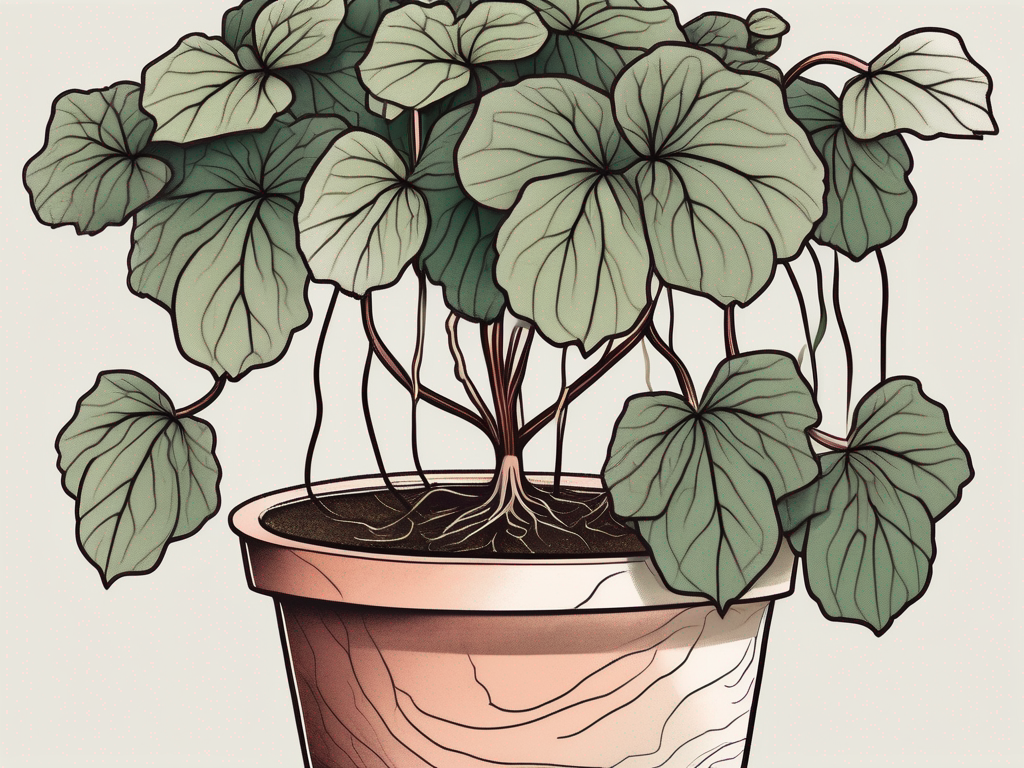
Let’s start with the basics. When a plant is root bound, it means that its roots have grown to fill the entire pot, leaving little room for soil. This can happen over time as the plant grows, especially if it’s in a pot that’s too small for its needs.
Being root bound isn’t always a bad thing. Some plants, like succulents, can actually thrive when their roots are a bit cramped. But for others, like our friend the begonia, it can lead to a host of problems.
When a begonia becomes root bound, it can struggle to absorb the water and nutrients it needs to stay healthy. Imagine trying to sip a milkshake through a straw that’s too narrow—it’s kind of like that for your plant. This can lead to issues like yellowing leaves, stunted growth, and even wilting.
Signs Your Begonia Is Root Bound
So how can you tell if your begonia is root bound? There are a few telltale signs to watch for:
- Roots growing out of the drainage holes: This is one of the most obvious signs. If you see roots poking out the bottom of the pot, it’s time to take action.
- Wilting despite regular watering: If your begonia is wilting even though you’re watering it regularly, it could be because the roots can’t absorb enough water.
- Stunted growth: A root bound begonia may stop growing or become slow to produce new leaves.
- Yellowing leaves: This can be a sign that your plant isn’t getting enough nutrients.
If you notice one or more of these symptoms, it’s worth checking the roots to see if your begonia is cramped for space.
Checking the Roots
To check if your begonia is root bound, you’ll need to take a peek at its roots. Here’s how to do it:
- Gently tip the plant out of its pot. You might need to give the pot a little squeeze to loosen things up.
- Inspect the root ball. If the roots are circling around the outside of the soil in a tight mass, your begonia is definitely root bound.
- If the roots are just starting to circle or aren’t too dense, you might have a bit more time before repotting is absolutely necessary.
Checking the roots can give you a clearer picture of what’s going on with your begonia and help you decide on your next steps.
Repotting Your Begonia
If your begonia is root bound, the best solution is usually to repot it into a larger container. Here’s how you can do that:
- Choose the right pot: Look for a pot that’s about 1-2 inches larger in diameter than the current one. Make sure it has drainage holes to prevent waterlogging.
- Prepare the new pot: Add a layer of fresh potting mix at the bottom of the new pot. Begonias prefer a well-draining soil mix, so you might want to add some perlite or sand.
- Loosen the roots: Gently tease apart the roots to encourage them to spread out into the new soil. Be careful not to damage them too much.
- Replant: Place your begonia in the new pot and fill in around it with fresh soil. Press it down gently to remove any air pockets.
- Water thoroughly: Give your begonia a good drink to help it settle into its new home.
Repotting can be a bit of a shock for your plant, so keep an eye on it for the next few weeks to make sure it’s adjusting well.
Preventing Root Bound Problems
While repotting is a great solution when your begonia becomes root bound, it’s even better to prevent it from happening in the first place. Here are a few tips to help you do just that:
- Choose the right pot size from the start: When you first bring your begonia home, make sure it’s in a pot that gives it room to grow.
- Repot regularly: Depending on how fast your begonia grows, you might need to repot it every year or two to give the roots more space.
- Monitor growth: Keep an eye on your begonia’s growth and look out for any signs that it’s becoming root bound.
- Prune roots during repotting: If your begonia’s roots are particularly dense, you can trim them back a bit when you repot to encourage healthier growth.
By taking these steps, you can help ensure that your begonia has the space it needs to thrive.
The Benefits of Repotting
Repotting isn’t just about solving problems. It can actually bring a host of benefits to your begonia:
- Improved growth: With more room to spread out, your begonia’s roots can absorb water and nutrients more effectively, leading to healthier growth.
- Better aeration: Fresh soil allows for better aeration, which is essential for root health.
- Fresh nutrients: Over time, the nutrients in potting soil can become depleted. Repotting gives your begonia access to fresh, nutrient-rich soil.
- Reduced pest problems: Old soil can harbor pests and diseases. Repotting with fresh soil can help reduce these risks.
So even if your begonia isn’t root bound, it’s worth considering a repot every so often to keep it in tip-top shape.
Common Mistakes to Avoid
Repotting can seem like a daunting task, especially if you’re new to plant care. But by avoiding some common mistakes, you can make the process much smoother:
- Choosing a pot that’s too big: While it’s important to give your begonia more space, a pot that’s too large can lead to waterlogging and root rot.
- Forgetting drainage: Make sure your new pot has drainage holes to prevent excess water from sitting in the bottom.
- Not loosening the roots: If you don’t loosen the roots before repotting, they may continue to grow in the same circular pattern, which can cause problems down the line.
- Ignoring aftercare: Once you’ve repotted your begonia, keep an eye on it to make sure it’s adapting well and not showing signs of stress.
By steering clear of these pitfalls, you can help ensure a successful repotting experience for both you and your begonia.
Final Thoughts
Root bound begonias can signal to you when they're not feeling their best. Recognizing and addressing the issue promptly can make a significant difference in their health and appearance. Repotting is more than just a fix; it's a chance to revitalize your plant and encourage vibrant growth.
At Cafe Planta, we’re all about helping you create a lush, green sanctuary at home. Whether you’re looking for new plant friends or need some plant care advice, feel free to email us or send a DM on Instagram. We're here to support your plant journey every step of the way.