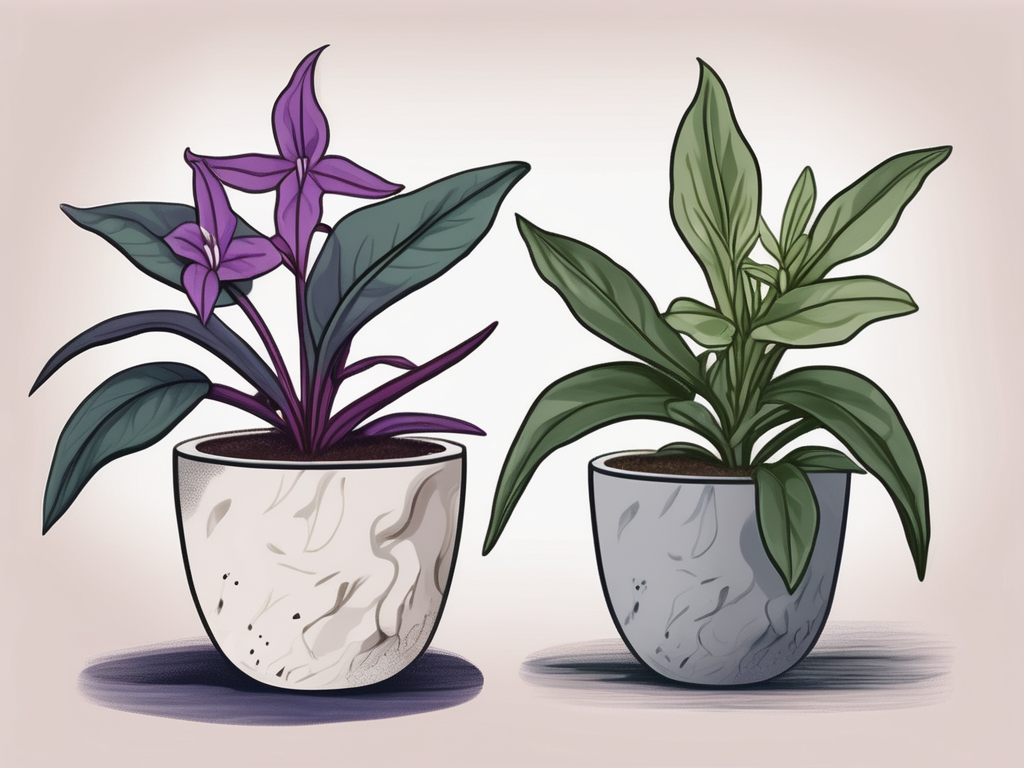
Tradescantia, often dubbed the "inch plant" or "wandering Jew," is a favorite among plant lovers for its vibrant foliage and easy-going nature. However, like any plant, it can face challenges—and being root-bound is a common one. This can affect your plant's overall health and growth, which might leave you wondering how to recognize and address it.
In this article, we'll explore the causes of tradescantia becoming root-bound, identify the tell-tale symptoms, and provide practical steps to remedy the situation. Whether you're a seasoned plant parent or new to the tradescantia club, you'll find helpful insights to keep your plant thriving.
What Does It Mean to Be Root-Bound?
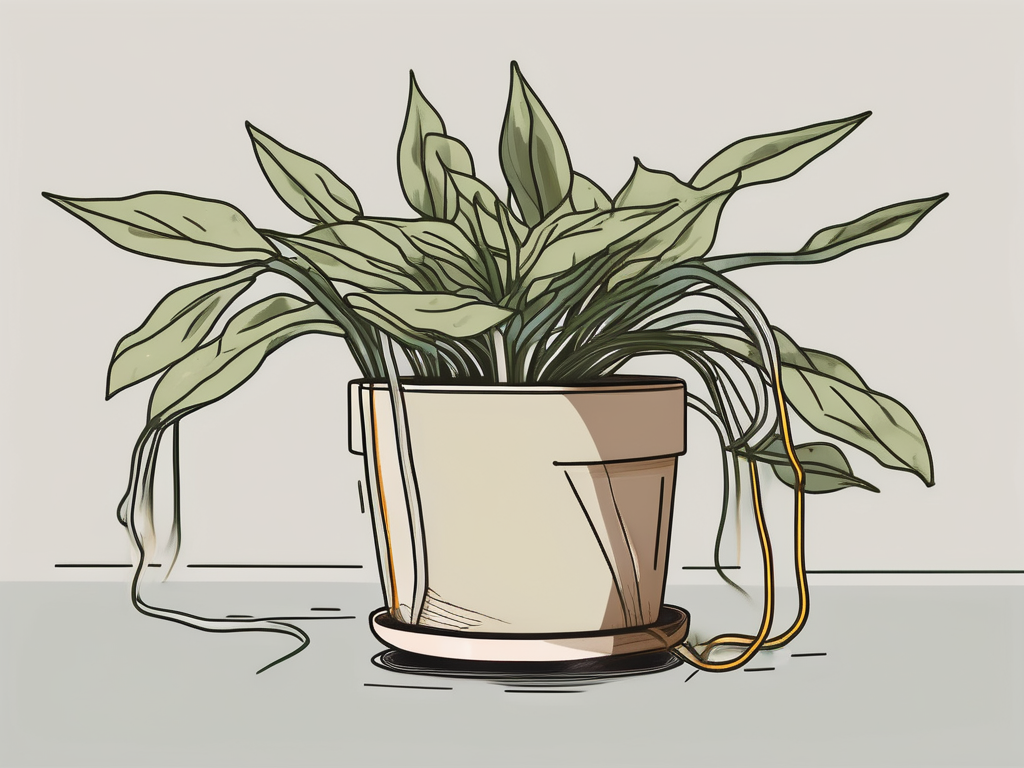
Let's start with the basics: what exactly does "root-bound" mean? When a plant is root-bound, it means its roots have grown so extensively that they've filled the pot, leaving little room for soil. This condition often leads to roots circling around the pot's interior or even poking out through the drainage holes.
On the surface, this might not sound too bad—after all, strong roots are a good thing, right? However, when roots become too crowded, they can no longer absorb water and nutrients effectively. This can stunt plant growth and lead to other health issues.
Root-binding is a common issue for many houseplants, not just tradescantia. It often occurs when a plant has outgrown its pot but hasn't been repotted or divided. It's like trying to fit into a pair of shoes that are way too tight—uncomfortable and unsustainable!
Causes of Tradescantia Becoming Root-Bound
So, what leads a tradescantia to become root-bound? There are several factors at play. Understanding these can help you prevent the issue before it starts.
- Pot Size: One of the most straightforward reasons is simply the pot's size. If your tradescantia has outgrown its current pot, it doesn't have the space it needs to spread its roots.
- Growth Rate: Tradescantia is known for its rapid growth. A small pot might have been perfect for your plant a few months ago, but its speedy development can quickly turn that pot into a cramped space.
- Neglecting Repotting: Regular repotting is crucial for healthy plant growth. If you haven't repotted your tradescantia in a while, it's likely the roots have run out of space.
- Soil Compaction: Over time, soil can become compacted, reducing the space available for roots to expand. This can contribute to your plant becoming root-bound.
While these factors can lead to tradescantia becoming root-bound, they're all preventable with a little attention and care. Recognizing the signs early can save you a lot of trouble down the road.
Recognizing the Symptoms
Identifying a root-bound tradescantia isn't as tricky as it might seem. There are several tell-tale signs to look out for that can indicate your plant is in need of some TLC.
1. Watering Issues: One of the first signs of a root-bound plant is difficulty with watering. You may notice that water runs straight through the pot or that the soil dries out much faster than usual. This happens because the roots have taken up most of the space, leaving little room for soil to retain moisture.
2. Stunted Growth: If your tradescantia isn't growing as vigorously as it once did, it might be root-bound. Without enough space to spread out, roots can't support new growth.
3. Yellowing Leaves: Yellow leaves can be a sign of many issues, but when paired with the other symptoms, it might point to a root-bound problem. Lack of nutrients due to overcrowded roots can cause this discoloration.
4. Root Visibility: Check the drainage holes of your pot. If you see roots poking out, that's a clear sign your plant is crying out for more room.
5. Wilting: Even with regular watering, a root-bound tradescantia might wilt since it's struggling to get enough water and nutrients from its cramped root system.
Recognizing these symptoms early on can help you take swift action to remedy the situation and get your tradescantia back on track.
How to Confirm Root-Bound Status
If you're seeing some of the symptoms above, you might be wondering how to confirm if your tradescantia is indeed root-bound. Here's a simple way to check:
- Gently Remove the Plant: Carefully turn the pot on its side and slide the plant out. You might need to squeeze the sides of the pot to loosen the soil.
- Inspect the Roots: Take a close look at the root system. If you notice dense, circling roots and very little soil, your plant is root-bound.
- Check for Compaction: If the soil seems rock-hard and the roots are tightly bound, it's time for a change.
Confirming a root-bound status doesn't have to be a daunting task. A little gentle investigation can go a long way in ensuring you're on the right track with your plant care.
Repotting Your Tradescantia
Once you've confirmed your tradescantia is root-bound, it's time to repot it. This process can seem intimidating, but with a few simple steps, you'll have your plant settled into its new home in no time.
- Choose a New Pot: Pick a pot that's one to two inches larger in diameter than the current one. Make sure it has good drainage holes to prevent waterlogging.
- Prepare Fresh Soil: Use a well-draining potting mix, preferably one suited for houseplants. You can also mix in some perlite for added drainage.
- Remove the Plant: Carefully take your plant out of its current pot by turning it on its side and gently sliding it out.
- Loosen the Roots: Gently tease apart the roots, especially if they're tightly wound. This will encourage them to spread out in the new pot.
- Repot: Place a layer of soil in the new pot, position your tradescantia, and fill around it with more soil. Press down gently to secure it in place.
- Water Thoroughly: Give your plant a good watering to help it settle into its new environment.
Repotting might seem like a big task, but it's a great opportunity to refresh your plant's environment and set it up for future growth. Plus, it's always satisfying to see your tradescantia bounce back with new vigor!
When to Consider Dividing Your Tradescantia
In some cases, your tradescantia might be large enough to consider dividing it into multiple plants. This is a great way to manage root-bound issues, especially if you don't want to upsize the pot significantly.
Benefits of Dividing:
- Encourages new growth and vitality.
- Allows you to spread your plant collection to new areas of your home.
- Can be a thoughtful gift to share with fellow plant lovers.
Steps for Dividing:
- Remove the Plant: As with repotting, start by gently removing the plant from its pot.
- Identify Natural Divisions: Look for natural breaks in the plant where you can separate it into smaller sections.
- Separate the Plant: Use your fingers or a clean knife to divide the plant. Be gentle to avoid damaging the roots.
- Repot Each Section: Follow the same repotting steps for each new section, ensuring they have ample space to grow.
Dividing your tradescantia can feel like you're creating a mini plant family, which is both exciting and rewarding. Plus, it's a practical way to keep your plant healthy and thriving.
Preventing Root-Bound Issues
Now that we've covered how to remedy a root-bound tradescantia, let's talk about prevention. Keeping your plant from becoming root-bound in the first place can save you a lot of time and effort.
Regular Checks: Make it a habit to check your plant's root health every few months. This allows you to intervene early if you notice any signs of crowding.
Appropriate Pot Size: Choose a pot size that accommodates growth but isn't too large. A pot that's too big can lead to overwatering issues.
Routine Repotting: Plan to repot your tradescantia every couple of years. This refreshes the soil and gives roots more room to grow.
Healthy Pruning: Regularly prune your plant to maintain its shape and prevent excessive growth that could lead to root-binding.
Preventing root-bound issues is all about being proactive. With some regular care and attention, your tradescantia can thrive without the constraints of a cramped root system.
Additional Tips for Healthy Tradescantia
As we wrap up, let's look at some additional tips to keep your tradescantia healthy and happy. These suggestions go beyond root care and help maintain overall plant well-being.
Light Requirements: Tradescantia enjoys bright, indirect light. Too much direct sunlight can scorch the leaves, while too little light can dull their vibrant colors.
Watering Needs: Keep the soil moderately moist but not soggy. Allow the top inch of soil to dry out before watering again to prevent root rot.
Humidity Levels: Tradescantia thrives in higher humidity. Misting the leaves occasionally or placing the pot near a humidifier can help.
Fertilizing: Feed your plant with a balanced, water-soluble fertilizer every month during the growing season. This promotes lush growth and vibrant foliage.
These general care tips, combined with proper root management, will ensure your tradescantia stays healthy and beautiful. Remember, every plant is unique, so adjust your care routine based on your specific plant's needs and environment.
Final Thoughts
In summary, while tradescantia is a resilient and easy-going plant, it can become root-bound if not given enough room to grow. Recognizing the signs, confirming the root-bound status, and taking action through repotting or dividing are essential steps in ensuring a healthy plant life.
At Cafe Planta, we're passionate about helping you connect with your love of plants. Whether you're looking for unique plant varieties or need advice on care techniques, we're here for you. Feel free to reach out through our email or connect with us on Instagram. We believe that plants are more than just decor—they're a way to bring nature into your home and create meaningful connections.