Rex Begonia, with its striking foliage and enchanting color palette, is a true gem in the world of houseplants. These beauties are known for their bold, intricate patterns and vibrant colors, making them a favorite among plant lovers. Their unique appearance isn't just eye-catching; it's a delightful way to bring a splash of nature's artistry into your home.
This article will guide you through everything you need to know about caring for Rex Begonias, from understanding their needs to incorporating them into your home decor. We'll cover selection tips, soil care, pest management, and even a few design ideas to inspire you. So grab a cup of tea, settle in, and let's get started!
The Allure of Rex Begonia: A Closer Look
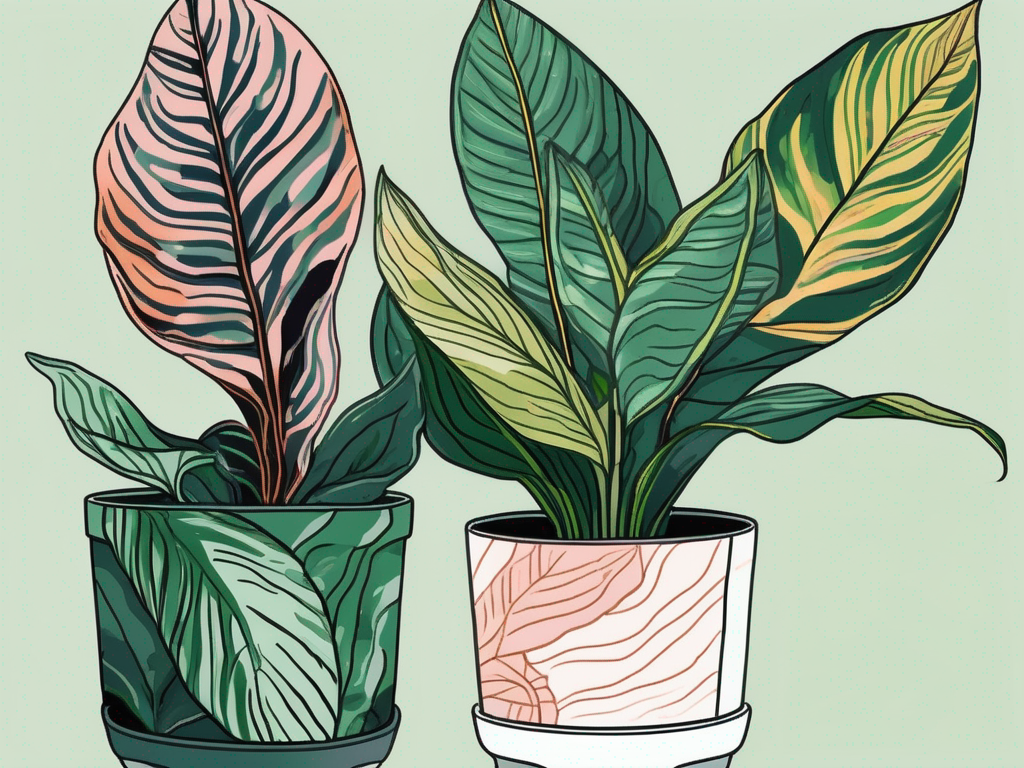
Rex Begonias are not your average houseplant. These plants are admired for their dazzling foliage, which can range from deep reds and purples to silvery greens and even pinks. The leaves often have a metallic sheen, adding to their allure. Each leaf is a masterpiece, with swirls, spots, and various textures that make them stand out in any plant collection.
Interestingly enough, Rex Begonias are primarily grown for their leaves rather than their flowers. While they do bloom, the flowers are relatively small and understated compared to the foliage. This doesn't detract from their charm, though, as the leaves are more than enough to keep your eyes entertained.
These plants originate from the tropical regions of Asia and are part of the Begoniaceae family. They thrive in humid environments, which can sometimes pose a challenge for indoor growers. However, with the right care, they can flourish and become a stunning centerpiece in your home.
Choosing the Perfect Rex Begonia
When selecting a Rex Begonia, there are a few factors to consider to ensure you're choosing a healthy plant. First, take a close look at the leaves. They should be vibrant and free of any spots or discoloration. A healthy leaf will have a firm texture, without any signs of wilting or browning at the edges.
Next, check the soil. It should be slightly moist but not soggy. If the soil seems too dry or too wet, it might indicate improper watering practices. Also, inspect the roots if possible. Healthy roots are typically white and firm, while brown or mushy roots could suggest root rot or other issues.
Additionally, consider the environment where you'll be placing your Rex Begonia. These plants prefer bright, indirect light. If you have a spot near a window with filtered sunlight, that's ideal. Avoid direct sunlight, as it can scorch the leaves and cause damage.
Potting and Soil Requirements
Rex Begonias thrive in a well-draining soil mix. You can create a suitable mix by combining equal parts peat moss, perlite, and potting soil. This combination ensures that the soil retains enough moisture without becoming waterlogged, which is crucial for preventing root rot.
When it comes to potting, choose a container with drainage holes to allow excess water to escape. Rex Begonias prefer to be slightly root-bound, so you don't need an overly large pot. A snug fit will actually encourage better growth.
Repotting should be done every couple of years or when you notice the plant becoming root-bound. Spring is the best time for repotting, as the plant will be entering its active growth phase. Gently remove the plant from its current pot, shake off excess soil, and place it in the new container with fresh soil mix.
Watering Wisely
One of the most common mistakes with Rex Begonias is improper watering. These plants like their soil to be consistently moist but not soggy. Overwatering can lead to root rot, while underwatering can cause the leaves to droop and lose their vibrant color.
A good rule of thumb is to water when the top inch of soil feels dry to the touch. During the growing season, which is typically spring and summer, Rex Begonias will require more frequent watering. In the fall and winter, you can reduce the frequency as the plant's growth slows down.
To water, use room-temperature water and pour until it starts to drain from the bottom of the pot. This ensures that the roots are getting adequate moisture without sitting in excess water. If you're unsure about the moisture level, consider using a moisture meter to help guide your watering schedule.
Humidity Needs and Solutions
Rex Begonias hail from tropical zones, which means they love humidity. Ideally, you should aim for a humidity level of around 50-60% to keep your plant happy. In many homes, especially during winter, the air can become quite dry, so it's important to find ways to increase humidity.
Here are a few easy solutions:
- Group Plants Together: Placing plants close to each other creates a microenvironment with higher humidity.
- Use a Humidifier: This is one of the most effective ways to raise humidity in a room.
- Mist the Leaves: Lightly misting the leaves with water can provide temporary humidity boosts.
- Place on a Pebble Tray: Fill a tray with pebbles and water, then set the pot on top. As the water evaporates, it adds humidity to the air around the plant.
By maintaining the right humidity levels, you'll help your Rex Begonia thrive and prevent common issues like leaf browning or curling.
Keeping Pests at Bay
Like many houseplants, Rex Begonias can be susceptible to pests such as spider mites, aphids, and mealybugs. These tiny invaders can cause significant damage if not addressed promptly. The first step in combating pests is regular inspection. Check the undersides of leaves and stems for any signs of insects.
If you do spot pests, don't panic. There are several natural methods to address the issue:
- Neem Oil: This natural pesticide is effective against many common pests. Mix it with water and apply it to affected areas.
- Insecticidal Soap: Another safe option for treating pest infestations without harming the plant.
- Manual Removal: For larger pests like mealybugs, gently dab them with a cotton swab soaked in rubbing alcohol to remove them.
By staying vigilant and treating pests early, you can keep your Rex Begonia healthy and looking its best.
Feeding Your Rex Begonia
Feeding your Rex Begonia is an important part of its care routine, especially during the growing season. These plants appreciate a regular feeding schedule to support their vibrant foliage growth. A balanced liquid fertilizer diluted to half strength is a good choice.
Apply the fertilizer every 2-4 weeks from spring through early fall. Be careful not to over-fertilize, as this can lead to salt buildup in the soil, which can harm the plant. If you notice white crusts on the soil surface, it might be a sign to cut back on feeding.
During the winter months, when the plant is in a dormant phase, you can pause the fertilizing routine. This rest period allows the plant to conserve energy for the upcoming growing season.
Incorporating Rex Begonia into Your Home Decor
Rex Begonias are not just plants; they're living art pieces. Their vibrant and varied foliage makes them a fantastic addition to any home decor. They work well as standalone pieces or as part of a larger plant collection.
Here are a few design ideas to showcase your Rex Begonia:
- Accent Plant: Place it on a side table or shelf where its bold leaves can be the focal point.
- Terrariums: Use Rex Begonia in a glass terrarium for a stunning display that also helps maintain humidity.
- Mixed Arrangements: Combine with other shade-loving plants for a lush, jungle-like feel.
- Wall Planters: Install a series of small wall planters to create a green wall featuring Rex Begonias.
By incorporating Rex Begonias into your home, you're not just adding a plant; you're introducing a piece of nature's artwork that can enhance your living space.
Common Issues and Troubleshooting
Even with the best care, you might encounter some issues with your Rex Begonia. Understanding these common problems can help you address them quickly and effectively.
Leaf Browning: This can result from low humidity or inconsistent watering. Ensure your plant is getting enough moisture and consider increasing humidity levels.
Wilting Leaves: Often a sign of over or underwatering. Check the soil moisture and adjust your watering routine accordingly.
Pale Leaves: If the leaves lose their vibrant color, it might be due to insufficient light. Move your plant to a brighter location with indirect sunlight.
By staying attentive to your plant's needs and making adjustments as necessary, you can keep your Rex Begonia looking its best.
Final Thoughts
Rex Begonias are truly captivating plants that can bring a touch of elegance and color to any home. With the right care and environment, these plants can thrive and become a beautiful part of your indoor garden.
At Cafe Planta, we love sharing our passion for plants with you. Whether you're looking for a new addition to your collection or need plant care advice, we're here to help. Feel free to email us or reach out on Instagram. We believe plants have the power to connect us to nature and each other, and we're excited to help you create a thriving plant haven in your home.