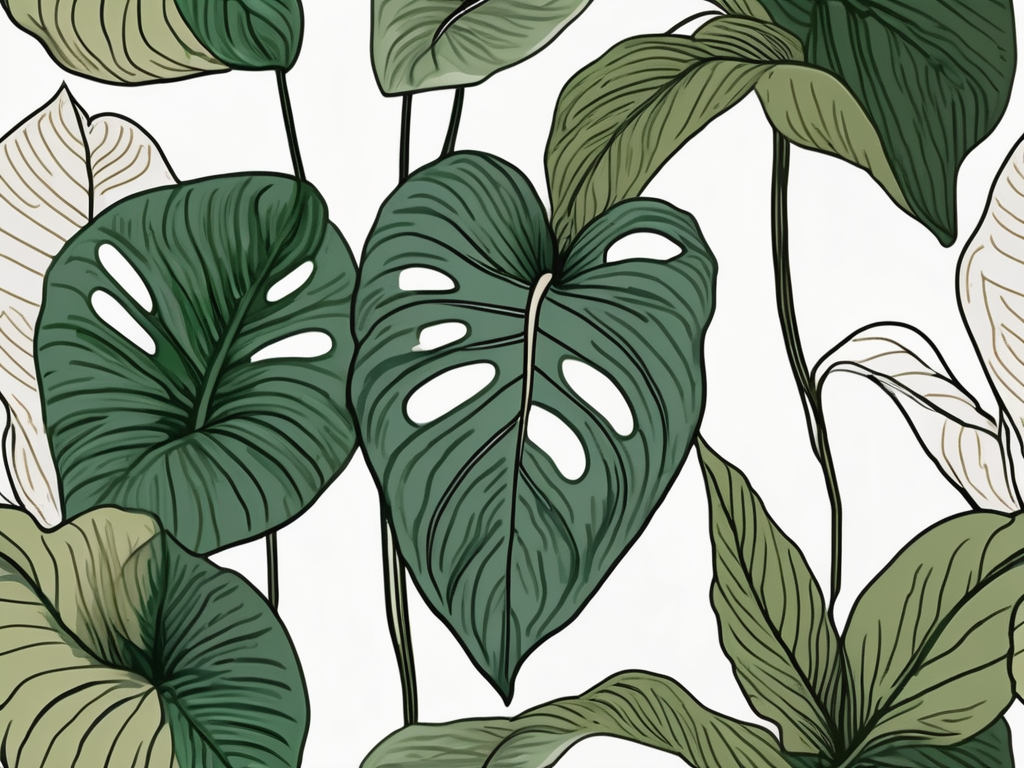
Picture this: a lush, tropical plant sitting in your living room, its broad, fenestrated leaves drawing attention from every angle. But what if I told you there’s more to this plant than just its striking foliage? Enter the Monstera deliciosa, a plant that not only captivates with its leaves but also surprises with its rare and enchanting flower.
In this article, we'll uncover the hidden gem that is the Monstera deliciosa flower. From understanding its unique characteristics and blooming conditions to exploring its role in interior design, you’ll learn how to appreciate and care for this delightful surprise. Whether you're a seasoned plant parent or new to the world of green companions, there's something here for everyone.
The Hidden Beauty: What Makes the Monstera Deliciosa Flower Special?
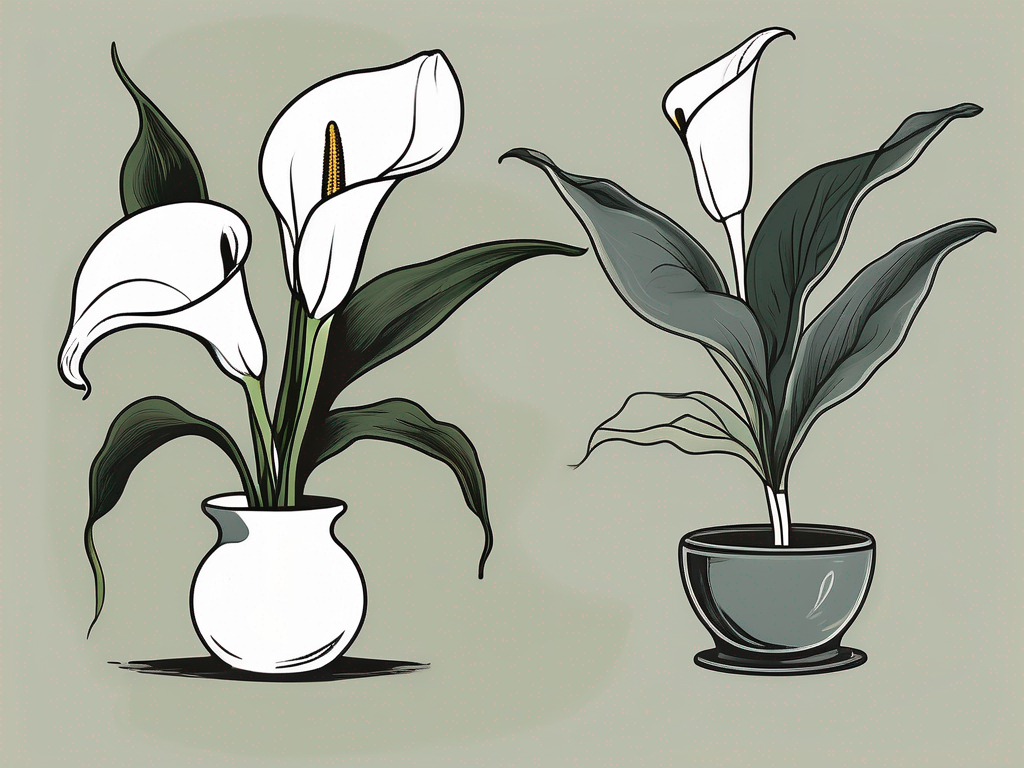
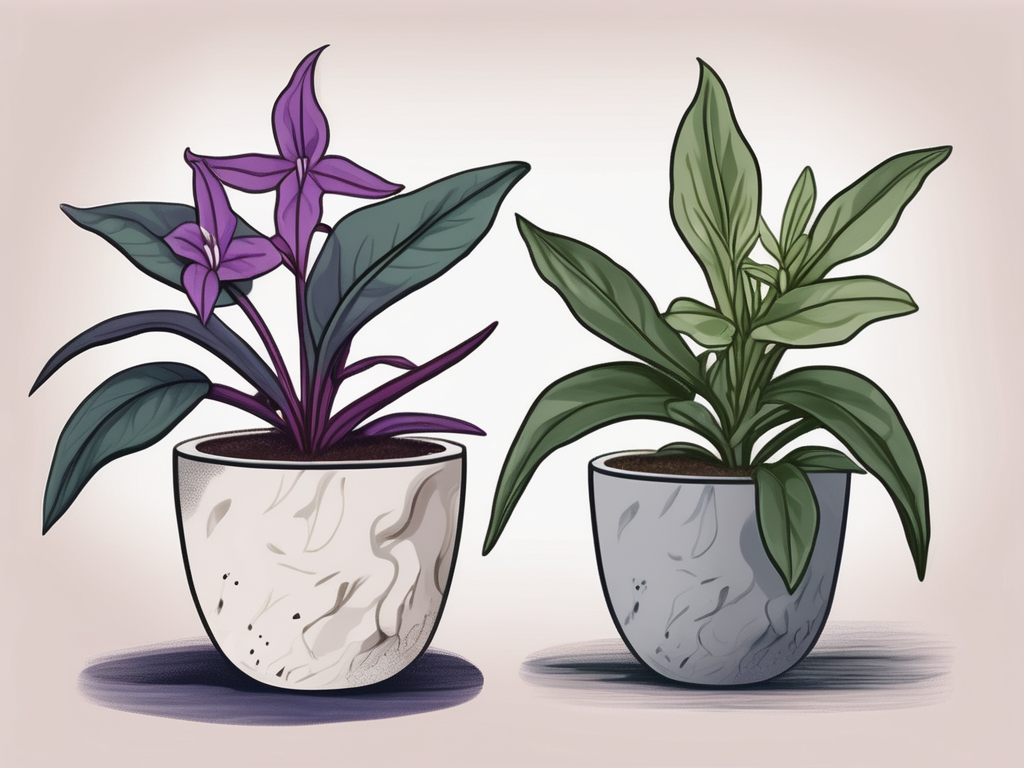
When we think of Monstera deliciosa, it's usually the iconic leaves that steal the show. But did you know that this plant also produces a flower? It's a bit of a secret, often hidden beneath the massive foliage, and many plant lovers may never see it bloom. The flower is a spathe and spadix structure, similar to that of a peace lily, with a creamy white spathe enveloping a central spadix. This unique flower adds an element of surprise to an already captivating plant.
So, what makes this flower so special? For starters, its rarity. In indoor settings, Monstera flowers are infrequent guests, often requiring the plant to reach a significant level of maturity before blooming. Unlike the prolific blooms of more common houseplants, the Monstera’s flower is a rare treat, often seen only by those who have the patience and dedication to care for a mature specimen.
Interestingly enough, the Monstera deliciosa flower isn’t just about looks. It also has a fragrance that some describe as a mix between a banana and a pineapple, adding another sensory dimension to its presence. And let’s not forget the fruit! When pollinated, the spadix can develop into a fruit that is edible and, as the name suggests, delicious. However, caution is advised, as the fruit must be fully ripe to be safe for consumption.
Encouraging Your Monstera to Bloom: Tips and Tricks
Now that you’re intrigued by the prospect of seeing your Monstera flower, you might be wondering how to coax this elusive blossom out of hiding. While there’s no guaranteed method, providing optimal conditions can certainly help. Here are some tips to increase your chances:
- Light: Monsteras thrive in bright, indirect light. While they can tolerate lower light levels, blooming is more likely when the plant receives ample light.
- Humidity: As tropical plants, Monsteras love humidity. Aim for a humidity level of around 60% or higher. Consider using a humidifier or regularly misting the leaves.
- Temperature: Keep your Monstera in a warm environment, ideally between 65°F and 85°F. Avoid sudden temperature changes, which can stress the plant.
- Feeding: Provide a balanced liquid fertilizer every month during the growing season (spring and summer) to support healthy growth and potential flowering.
- Repotting: Ensure your Monstera is not root-bound, as this can prevent flowering. Repot as needed, typically every couple of years.
Remember, patience is key. A Monstera may take several years to mature enough to flower, so continue providing consistent care and enjoy the journey with your leafy friend.
The Science Behind the Bloom: Understanding Monstera's Flowering Process
While flowers are often straightforward in their purpose and process, the Monstera deliciosa’s flowering journey is quite fascinating. The plant belongs to the Araceae family, making its flower structure similar to other members like the peace lily and the calla lily. The flower comprises a spathe (the outer leaf-like bract) and a spadix (the fleshy spike). The spathe acts as a protective shield around the spadix, which houses the actual flowers.
The flowering process begins when the plant reaches a mature age, often several years old. Factors such as light, temperature, and humidity play a significant role in triggering the bloom. In their natural habitat, these plants climb trees, reaching greater heights and receiving more light, which encourages flowering. Indoors, simulating these conditions as best as possible can help promote blooming.
Pollination is another interesting aspect. In the wild, pollinators like beetles are attracted to the spadix by its fragrance. For indoor plants, manual pollination might be necessary if you’re hoping to see fruit develop. This involves transferring pollen from one flower to another using a soft brush, though this is a task not often pursued by most plant people.
Interior Design with Monstera: Incorporating the Flower into Your Space
Beyond its botanical intrigue, the Monstera deliciosa flower can also play a role in your interior design. While the leaves are the star feature for most decor, the flower adds an unexpected touch that can enhance your space’s aesthetic. If you’re fortunate enough to have a flowering Monstera, here are some ideas to make it a focal point:
- Highlight the Flower: Position your Monstera in a prominent spot where the flower is visible. A well-lit corner or an area where natural light highlights the plant works wonders.
- Complementary Decor: Use decor elements that complement the Monstera’s tropical vibe. Think woven baskets, natural wood furniture, and earthy tones.
- Mix and Match: Pair your Monstera with other tropical plants like ferns or philodendrons to create a lush, jungle-like atmosphere.
- Seasonal Accents: Incorporate seasonal decor around your Monstera to keep the space dynamic and interesting.
Remember, the Monstera’s flower is a rare and special addition to your home. Treat it like a work of art, and let it shine in your living space.
Caring for Your Monstera: Beyond the Basics
While encouraging your Monstera to flower is a wonderful goal, overall care is equally important to keep your plant happy and healthy. Here’s a quick refresher on Monstera care that ensures robust growth:
- Watering: Water when the top inch of soil feels dry. Monsteras prefer consistent moisture but don’t like being waterlogged.
- Soil: Use a well-draining potting mix. A mixture of peat, perlite, and orchid bark works well.
- Pruning: Trim any yellow or damaged leaves to maintain the plant’s appearance and health.
- Support: As climbing plants, Monsteras may need support. Consider using a moss pole or trellis to encourage upward growth.
These fundamental care practices contribute to a thriving plant, whether or not it decides to flower. A healthy Monstera will reward you with its stunning leaves and perhaps even surprise you with a bloom.
Dealing with Pests and Problems
No plant journey is without its hiccups, and Monsteras are no exception. While generally hardy, they can encounter a few common issues. Here’s how to tackle them:
- Common Pests: Spider mites, mealybugs, and scale insects can be troublesome. Regularly inspect your plant and treat infestations with insecticidal soap or neem oil.
- Yellowing Leaves: This could indicate overwatering, underwatering, or nutrient deficiencies. Adjust your watering routine and ensure the plant is getting adequate nutrients.
- Brown Leaf Tips: Often a sign of low humidity or over-fertilization. Increase humidity levels or adjust your feeding schedule.
By staying vigilant and addressing problems promptly, you can keep your Monstera in tip-top shape, ready to impress with its beauty.
Monstera's Place in Plant History and Culture
The Monstera deliciosa isn’t just a modern plant trend; it has a rich history and cultural significance. Native to tropical rainforests from southern Mexico to Panama, it’s been appreciated for centuries for its ornamental value. The plant’s name, “Monstera,” refers to its monstrous leaves, while “deliciosa” hints at the delicious fruit it produces.
In many cultures, Monsteras symbolize long life and respect, making them popular gifts for housewarmings and celebrations. In art, the distinctive leaves are frequently featured in tropical-themed designs, from wallpapers to textiles, embodying a sense of exotic beauty and tranquility.
Understanding the cultural backdrop of the Monstera can deepen your appreciation for this plant, whether you’re enjoying its foliage or anticipating its rare bloom.
The Future of Monstera Deliciosa in Houseplant Trends
As houseplants continue to gain popularity, the Monstera deliciosa remains a top choice for plant lovers. Its distinctive appearance and relative ease of care make it a staple in many homes. But what does the future hold for this iconic plant?
Trends point towards an increased interest in rare Monstera varieties, such as the Monstera adansonii or the variegated Monstera, which feature unique leaf patterns and colors. These rarer forms of Monstera are often coveted by collectors and can add even more visual interest to a plant collection.
With growing interest in sustainable living, Monsteras are also appreciated for their air-purifying qualities. As people seek to create healthier indoor environments, the Monstera’s ability to enhance air quality makes it a valuable addition to any space.
Whether you’re a fan of the classic Monstera deliciosa or exploring its rarer cousins, this plant’s future in the world of houseplants looks bright, with plenty of potential for new discoveries and appreciation.
Final Thoughts
The Monstera deliciosa flower is a hidden treasure that adds an extra layer of wonder to this already beloved plant. From its rare bloom and enticing fragrance to its role in interior design and culture, there’s much to admire and enjoy about this green companion.
Here at Cafe Planta, we’re passionate about helping you nurture your plant collection. Whether you’re searching for your next plant or need advice on care, we’re here to support you. Don’t hesitate to email us your questions, or connect with us on Instagram. We believe in the power of plants to bring joy and connection, and we’re excited to share this journey with you.