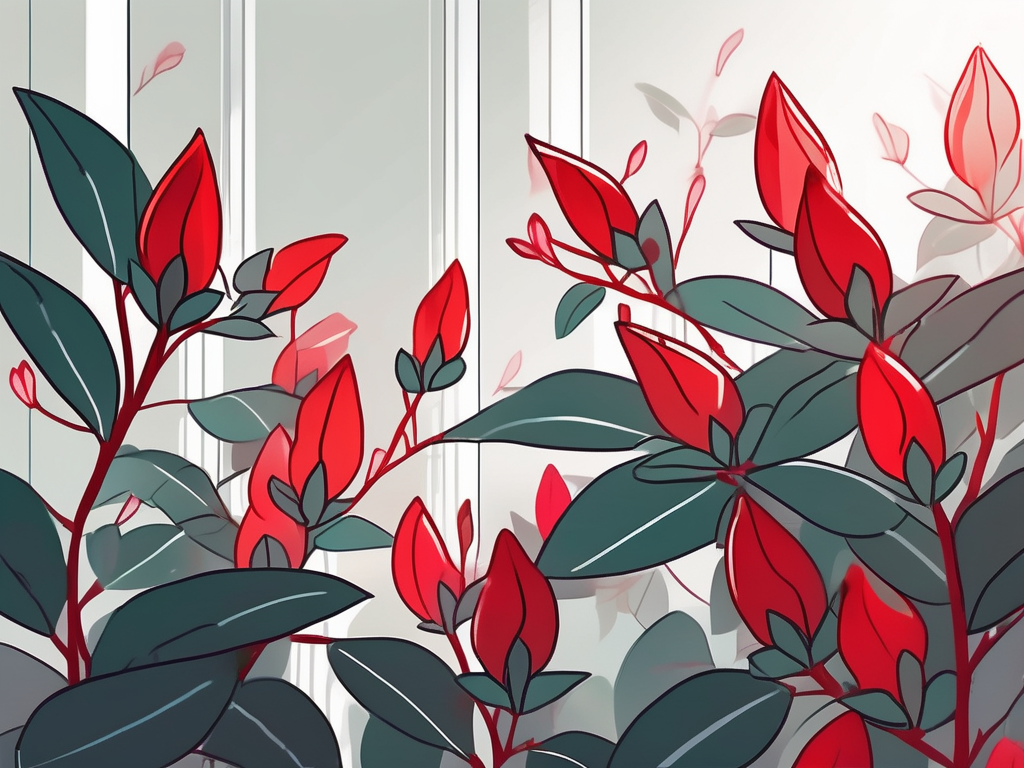
Have you ever wondered why your lipstick plant is not blooming as vibrantly as you'd like? It's possible that its light needs aren't being met. Lipstick plants, with their bright, tubular flowers, can be the star of your indoor garden, but they require the right lighting to flourish.
In this article, we'll explore the lighting requirements that can help your lipstick plant thrive. From understanding the natural habitat of these beauties to practical tips on positioning them in your home, we'll cover everything you need to know. By the end, you'll be well-equipped to create a perfect environment for your lipstick plant to grow.
Understanding Lipstick Plants and Their Natural Habitat
Originating from the tropical regions of Southeast Asia, lipstick plants, or Aeschynanthus radicans, are accustomed to dappled sunlight beneath the rainforest canopy. This natural setting provides them with filtered light, which is ideal for their growth. Understanding this background can help replicate these conditions in your home.
Why is this important? Well, knowing where your plant naturally thrives gives insight into how to mimic these conditions indoors. Lipstick plants are epiphytic, meaning they often grow on other plants, relying on indirect light. This characteristic shapes their preference for bright, indirect light rather than harsh direct sunlight, which can scorch their leaves.
When setting up your lipstick plant's new home, think of a rainforest: bright but not directly exposed to the sun. This understanding will guide you in selecting the perfect spot within your living space.
Bright, Indirect Light: The Goldilocks Zone
So, what exactly is bright, indirect light? Imagine sitting in a room filled with sunlight, but you're protected by a sheer curtain that softens the rays. That's the kind of light lipstick plants love—bright enough to sustain them but gentle enough to prevent damage.
A great spot for your lipstick plant is near an east or west-facing window. These locations provide the right balance of light intensity. Morning sun from an east window is gentle and beneficial, while afternoon light from a west window can be more intense but still suitable if filtered with a sheer curtain.
It's important to avoid placing your lipstick plant in direct sunlight, such as a south-facing window without any protection. The strong rays can lead to leaf burn, causing brown spots and crispy edges. If you notice these signs, it's a cue to move your plant to a more suitable location.
Signs of Inadequate Lighting
How can you tell if your lipstick plant is receiving too little or too much light? Observing your plant is crucial. Here are some signs to look out for:
- Leggy Growth: If the stems are growing long and sparse, your plant may be stretching to find more light.
- Fewer Blooms: Without adequate light, lipstick plants struggle to produce their signature flowers.
- Leaf Drop: Although this could be attributed to other stress factors, insufficient light is a common culprit.
- Yellowing Leaves: This can indicate both overexposure and underexposure, so consider other factors too.
By paying attention to these signs, you can adjust your plant's placement and ensure it's getting the right amount of light.
Utilizing Artificial Lighting
Not everyone has the luxury of abundant natural light, especially in apartments or homes with fewer windows. Fortunately, artificial lighting can be a lifesaver for your lipstick plant.
Full-spectrum LED grow lights are an excellent option. They mimic natural sunlight and can be adjusted to provide the right intensity. Position your grow light about 12-18 inches above the plant and keep it on for about 12-14 hours a day. This setup can replicate the day-night cycle, promoting healthy growth.
Remember, while grow lights are effective, they shouldn't be a direct substitute for natural light if you have access to it. Use them to supplement rather than replace natural lighting, especially during darker months or in spaces where natural light is scarce.
Seasonal Adjustments
Just like us, plants experience seasonal changes that affect their growth. As the seasons shift, so do light levels in your home. During winter, for example, the sun sits lower in the sky, and days are shorter, resulting in less natural light.
In response, you might need to move your lipstick plant closer to a light source or increase the duration of artificial lighting. Conversely, in summer, ensure that the increased sunlight doesn't lead to overexposure. Consider using sheer curtains or repositioning the plant to avoid harsh midday sun.
These adjustments might require a bit of trial and error, but your plant will thank you with vibrant blooms and lush foliage.
Finding the Perfect Spot in Your Home
Now that you understand the light needs of your lipstick plant, it's time to find the perfect spot in your home. Consider areas that receive bright, indirect light for most of the day. Here are some ideas:
- Living Room: Placing your plant near a window ensures it gets ample light while adding a touch of greenery to your living space.
- Kitchen: If your kitchen has a bright window, it's an excellent location for your plant, and it adds a fresh look to your cooking area.
- Office Space: A well-lit office provides the dual benefit of a calming atmosphere and a productive environment.
Experiment with different spots to see where your lipstick plant seems happiest, and don't be afraid to move it if necessary.
Creating a Plant-Friendly Environment
Beyond lighting, other factors contribute to the well-being of your lipstick plant. While light is a critical aspect, temperature and humidity also play roles in its overall health.
These plants thrive in warm temperatures, ideally between 65°F and 75°F. Avoid placing them near drafts or air conditioning vents, which can cause stress. In terms of humidity, aim for a level of around 50-60%. If your home is dry, especially during winter, consider using a humidifier or placing a tray of water near the plant to boost humidity levels.
By creating a balanced environment, you can ensure that your lipstick plant not only survives but thrives.
Common Mistakes and How to Avoid Them
Even the most experienced plant parents make mistakes. Here are some common pitfalls and how to avoid them with your lipstick plant:
- Overwatering: It's tempting to water frequently, but overwatering can lead to root rot. Ensure that the top inch of soil is dry before watering.
- Ignoring Signs of Stress: Yellowing leaves or lack of blooms are indicators that something's off. Don't ignore these signs; investigate and adjust your care routine.
- Too Much Direct Sunlight: Remember, direct sunlight can be harmful. Always opt for indirect light to prevent leaf burn.
By staying attentive and responsive to your plant's needs, you can enjoy a thriving lipstick plant that adds beauty and life to your home.
Final Thoughts
Understanding the light needs of your lipstick plant is key to ensuring it grows healthily and blooms beautifully. By providing the right amount of bright, indirect light, and supplementing with artificial lighting when necessary, you set your plant up for success.
At Cafe Planta, we believe that plants have the power to bring people together and inspire us to connect with nature and each other. Whether you're an experienced plant parent or just starting out, we're here to help you create a beautiful, thriving plant collection in your home. If you have any questions about how to take care of your plants, we'd love to hear from you. Please feel free to email us or DM us on Instagram.