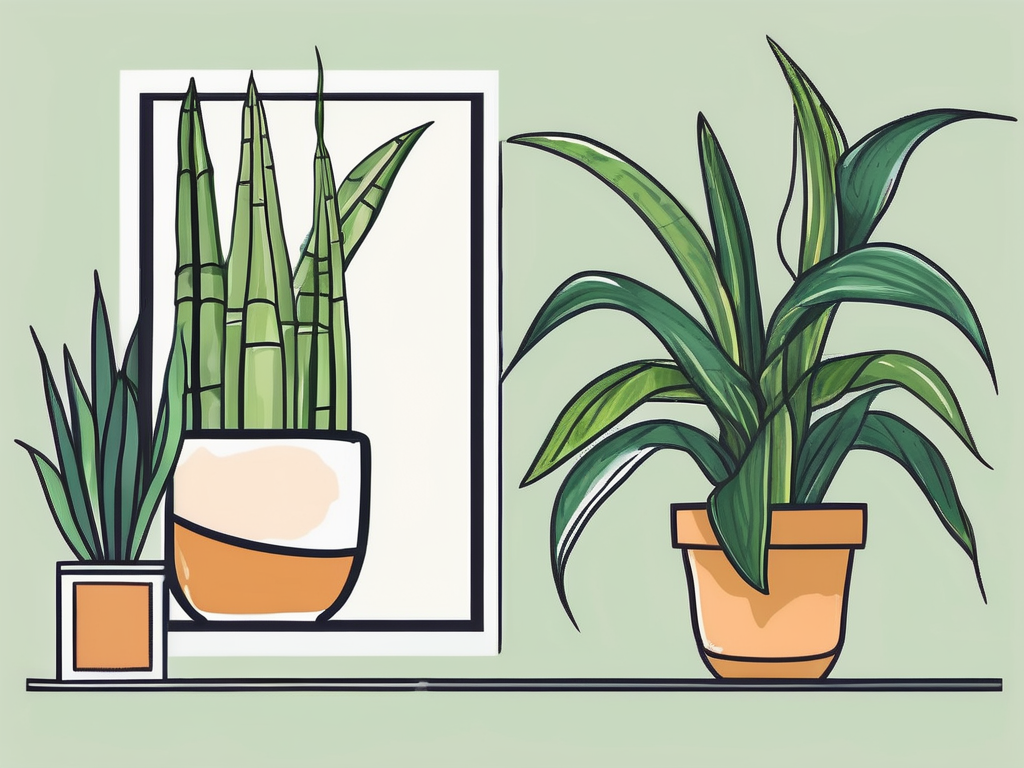
Lucky bamboo, known for its elegance and charm, is a favorite among many plant lovers. While it's often admired for its beautifully spiraled stems and lush green leaves, there's a lesser-known aspect that can surprise even seasoned plant parents—the fascinating blooms of lucky bamboo. Unveiling these rare flowers can be a delightful experience, adding an unexpected twist to your indoor garden.
This article will explore the intriguing world of lucky bamboo blooms. We'll discuss why these flowers are so rare, what they look like, how to encourage them, and the best care practices to keep your lucky bamboo thriving. Whether you're a curious beginner or an avid plant collector, you'll find insights and tips to nurture your plants and maybe, just maybe, witness the enchanting blooms yourself.
What Is Lucky Bamboo?
The first thing to understand is that lucky bamboo isn't actually bamboo at all. It's a species of Dracaena called Dracaena sanderiana. This plant hails from the tropical rainforests of Africa and has gained popularity worldwide due to its low-maintenance nature and aesthetic appeal. Lucky bamboo is known for its long, green stalks and minimalistic look, often used in feng shui to attract positive energy.
Despite its name, lucky bamboo is more closely related to succulents and thrives in similar conditions. It's a tough plant that can survive in a variety of environments, making it ideal for beginners or those without a green thumb. However, like most plants, it has its quirks—one of which is its rare flowering behavior.
Typically, you'll see lucky bamboo sold in a vase with water, but it can also be grown in soil. Whether you're placing it on your office desk or in your bedroom, it's sure to add a touch of tranquility and charm to your space.
Understanding the Rare Blooms
Lucky bamboo blooms are a rare treat. In fact, many people who own the plant for years never see it flower. The blooms are more likely to appear in their natural habitat rather than indoors, which adds to their mystique. When they do occur, the flowers are small and white, and they cluster together to form a panicle—a branched cluster of flowers.
These blooms are not just rare; they're also short-lived. Once the plant flowers, it can continue to do so for several weeks, but the individual flowers themselves don't last long. The appearance of flowers often signals that the plant is nearing the end of its lifecycle, which can be bittersweet for plant parents. However, it's also a moment of celebration, marking a phase that not many get to witness.
Interestingly, the presence of flowers doesn't necessarily indicate a problem. It’s simply a natural part of the plant’s life, although it occurs under specific conditions that mimic its natural environment.
Encouraging Lucky Bamboo to Bloom
While it's challenging to make lucky bamboo bloom indoors, there are a few factors you can adjust to increase the chances. Mimicking the plant’s natural environment is key. This involves getting the right balance of light, temperature, and humidity.
Here's a checklist to help you encourage blooms:
- Light: Lucky bamboo thrives in bright, indirect light. Direct sunlight can scorch the leaves, while too little light can stunt growth. Placing it near a window with filtered light can be beneficial.
- Temperature: Keep the plant in a warm environment, ideally between 65-95°F (18-35°C). Avoid sudden temperature changes, as they can stress the plant.
- Humidity: While lucky bamboo can tolerate low humidity, higher humidity levels mimic its natural habitat. You can increase humidity by placing a tray of water near the plant or using a humidifier.
- Water: This plant can grow in water or soil. If in water, change it every two weeks to prevent any bacterial growth. Use distilled or rainwater, as tap water can contain chemicals that harm the plant.
- Fertilizer: Use a liquid fertilizer diluted to half strength every couple of months. Over-fertilization can lead to leaf burn, so moderation is crucial.
While these adjustments may increase the likelihood of blooms, remember that flowering is not guaranteed. The rarity of the blooms is what makes them so special.
Signs Your Lucky Bamboo Might Bloom
Noticing signs that your lucky bamboo is about to bloom can be exciting. While these signs are subtle, paying close attention to your plant can give you a hint of upcoming flowers.
Look for these indicators:
- Unusual Growth Patterns: If you spot new growth that seems different from the usual leaves, it might be a precursor to flowering. These growths might look like small buds or stems.
- Changes in Leaf Color: Sometimes, a change in the color of the leaves can signal the plant's readiness to flower. This could be a slight yellowing or a more vibrant green.
- Environmental Changes: If you've recently altered the plant's environment—such as moving it to a brighter spot or adjusting the humidity—it might trigger a blooming response.
These signs do not guarantee flowering, but they can be exciting signs of potential blooms. Keep nurturing your plant with care and patience, and who knows? You might just witness those elusive flowers.
Best Practices for Lucky Bamboo Care
Whether your lucky bamboo blooms or not, proper care is crucial for its overall health and longevity. Here are some best practices to consider:
- Water Quality: If your lucky bamboo is in water, ensure it’s clean and free from chemicals. Use distilled or bottled water, as tap water often contains chlorine and fluoride, which can harm the plant.
- Pruning: Trim any yellow or brown leaves to maintain the plant’s health and appearance. You can also prune stems to encourage new growth or to shape the plant as desired.
- Repotting: If your plant is in soil, consider repotting every couple of years to refresh the soil and give the roots more room to grow. Use well-draining potting soil for best results.
- Pest Control: Lucky bamboo is generally pest-resistant, but it can sometimes attract mealybugs or spider mites. A gentle wash with a mixture of water and dish soap can help control these pests.
By following these care tips, you can ensure your lucky bamboo thrives, regardless of whether it blooms. A healthy plant is always a joy to have around, bringing beauty and calm to your living space.
Integrating Lucky Bamboo into Your Interior Design
Lucky bamboo is not just a plant; it can be a stunning element of interior design. Its sleek, minimalist look complements a variety of decor styles, from modern to traditional.
Here are some ideas for incorporating lucky bamboo into your home:
- Zen Spaces: Create a calming corner with a lucky bamboo plant, a small water feature, and smooth stones. This setup can be perfect for meditation or relaxation.
- Office Desk: A small vase of lucky bamboo can add a touch of nature to your workspace, promoting focus and reducing stress.
- Dining Table Centerpiece: Arrange several stalks of lucky bamboo in a decorative vase as a unique centerpiece that’s sure to catch the eye.
- Bathroom Oasis: Place a lucky bamboo plant in your bathroom to add a spa-like atmosphere. The humidity from showers will be an added bonus for the plant.
With a bit of creativity, you can use lucky bamboo to enhance your home's aesthetic while enjoying the benefits of having living plants in your environment.
Common Misconceptions About Lucky Bamboo
Despite its popularity, lucky bamboo is surrounded by several myths and misconceptions. Here are a few to clear up:
- It's Real Bamboo: As mentioned earlier, lucky bamboo is not bamboo at all. It's a member of the Dracaena family, which is quite different from the bamboo family.
- It Needs Direct Sunlight: Lucky bamboo prefers indirect light. Placing it in direct sunlight can cause the leaves to burn.
- It's Indestructible: While hardy, lucky bamboo can suffer from neglect. It needs proper water, light, and occasional feeding to thrive.
Understanding these misconceptions can help you provide better care, ensuring your lucky bamboo remains healthy and vibrant.
Final Thoughts
Lucky bamboo is a beloved plant, not just for its beauty but also for its resilient nature. While the elusive blooms can be a delightful surprise, even without flowering, this plant offers elegance and a touch of nature to any space.
At Cafe Planta, we are passionate about helping you nurture your plants and create inviting green spaces in your home. If you have questions about plant care, feel free to email us or reach out on Instagram. We believe in the power of plants to bring joy and connection, and we're here to support you on your plant journey.