Jade plants, with their thick, glossy leaves and sturdy appearance, are beloved by many plant lovers. But did you know that these hardy succulents can produce beautiful blooms? The jade plant flower is a captivating sight, and understanding its blooming process can make caring for your jade plant even more rewarding.
In this article, we'll explore the fascinating blooms of the jade plant, covering what makes them special, how to encourage your jade plant to flower, and why they might not bloom as expected. We'll also share practical tips on plant care and how to incorporate jade plants into your home decor for a touch of greenery and elegance.
The Unique Charm of Jade Plant Flowers
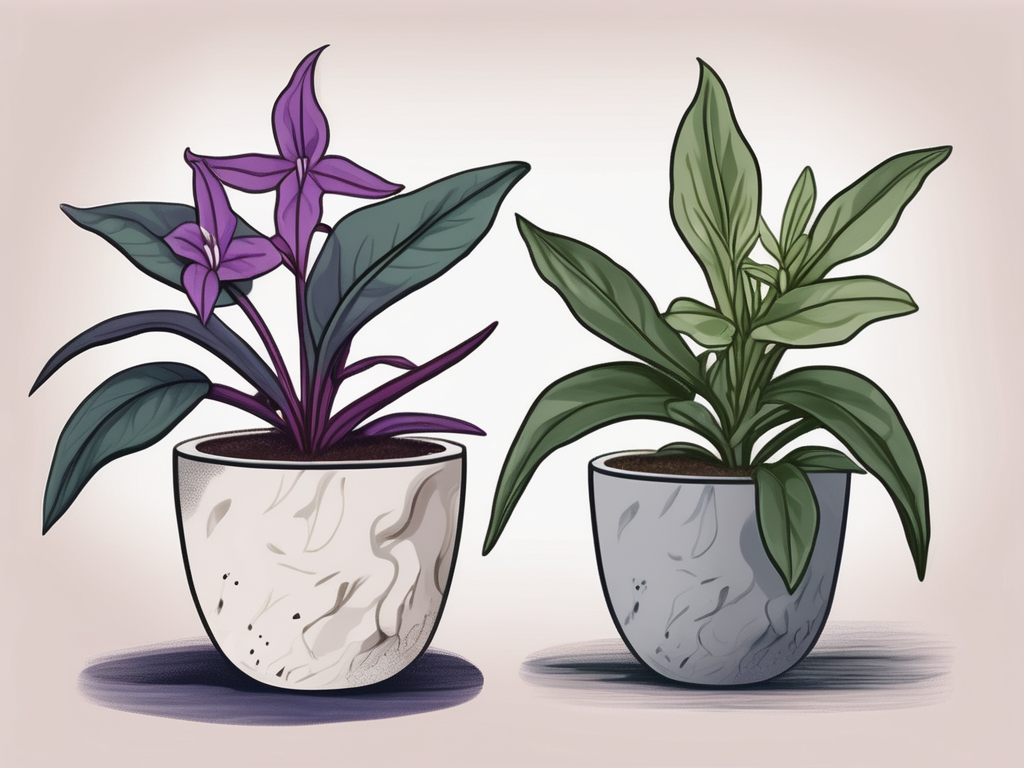
Jade plant flowers are not your everyday blooms. They’re tiny, star-shaped, and typically white or pale pink. These delicate flowers form in clusters, creating a beautiful contrast against the jade plant's rich green leaves. What's intriguing is their subtlety—they don't shout for attention but rather invite you to take a closer look.
The flowering of a jade plant is often considered a sign of good care and the plant's maturity. It's like a little reward for all the love and attention you've given your plant over the years. The blooms usually appear in late winter or early spring, adding a touch of freshness to your home just as the days start getting longer.
But why do jade plants flower? These blooms are a natural part of the plant's life cycle, meant to attract pollinators in their native environment. However, in a home setting, the right conditions need to be met for them to appear. It's a delightful surprise when they do, and understanding how to create those conditions can make all the difference.
Creating the Perfect Environment for Blooms
Getting your jade plant to bloom can feel like a quest, but it's definitely achievable with some patience and know-how. Here are a few factors to consider:
- Age and Size: Jade plants typically need to be at least a few years old before they can flower. If your plant is still young, give it some time to mature.
- Light: These plants love bright, indirect sunlight. A south-facing window is ideal, but make sure it's not too harsh, as this can scorch the leaves.
- Temperature: Jade plants prefer cooler temperatures at night, especially in winter. This drop in temperature can trigger the blooming process.
- Watering: Let the soil dry out completely between waterings. Overwatering is a common issue that can prevent blooming, as it leads to root rot and other stress factors.
By focusing on these aspects, you'll be setting the stage for those lovely flowers to make an appearance. Remember, patience is key, and sometimes it takes a few tries to get the conditions just right.
Why Your Jade Plant Might Not Bloom
So, you've been caring for your jade plant, and yet, no flowers. What gives? Several reasons might be at play, and understanding them can help you adjust your care routine.
Firstly, consider the plant's age. As mentioned earlier, young jade plants might not be ready to bloom. If your plant is over three years old and still not flowering, look at its environment. Is it getting enough light? Are you watering it correctly? Sometimes, small tweaks in care can make a big difference.
Another factor could be nutrient deficiencies. While jade plants don't need much fertilizer, a lack of essential nutrients might hinder blooming. Using a balanced, water-soluble fertilizer during the growing season can provide the necessary boost.
Stress can also prevent flowering. If your jade plant has been moved recently or exposed to drafts or temperature extremes, it might focus its energy on recovery rather than blooming. Ensure stable conditions and give your plant time to adjust.
How to Encourage Flowering Through Seasonal Changes
The natural changes in daylight and temperature throughout the year can be your ally in coaxing your jade plant to bloom. Mimicking these seasonal shifts in your home environment can give your plant the nudge it needs.
In the fall and winter, reduce watering and allow the soil to dry out more than usual. This mimics the dry season in their native habitat. At the same time, provide cooler nighttime temperatures, ideally around 50-55°F (10-13°C). You can achieve this by moving the plant away from heating vents or closer to a drafty window, just be cautious of freezing temperatures.
When spring arrives, increase watering gradually and move your jade plant to a brighter spot to simulate the growing season. It's this cycle of stress and then relief that often triggers blooming.
If you've ever wondered why jade plants in some homes bloom while others don't, it's often these subtle environmental cues that make the difference. It's all about syncing your plant care with nature's rhythms!
Incorporating Jade Plants into Your Home Decor
Beyond their flowers, jade plants are a fantastic choice for home decor due to their unique structure and vibrant color. They work well in minimalist settings, adding a touch of nature without overwhelming the space.
- Grouping: Place them in groups with other succulents for a lush, textural display.
- Containers: Choose a pot that complements your decor—ceramic, terracotta, or even metallic finishes can add a stylish touch.
- Arrangement: Use them as centerpieces on tables or shelves where their sculptural form can be appreciated.
Jade plants also make excellent gifts. Their reputation as symbols of prosperity and good luck makes them a thoughtful present for housewarmings or new ventures. Plus, they're low-maintenance, so even those new to plant care can enjoy them.
Potting and Soil Tips for Healthy Growth
A healthy jade plant starts with the right pot and soil. These succulents need good drainage to thrive, so choosing the right potting mix and container is essential.
- Soil: Use a cactus or succulent potting mix, which is designed to drain quickly and prevent root rot.
- Pot: Opt for a pot with drainage holes. If you love decorative pots without holes, consider using them as outer pots with a simple plastic pot inside.
- Repotting: Jade plants don't need frequent repotting. Every two to three years is usually sufficient, or when the plant becomes top-heavy.
When repotting, be gentle with the roots and avoid damaging them. If your plant is large, consider pruning some of the top growth to balance the root loss. This care ensures your jade plant remains healthy and vigorous, ready to bloom when conditions are right.
Dealing with Pests and Fungal Issues
Like any plant, jade plants can sometimes face challenges from pests and diseases. Fortunately, with a few proactive steps, you can keep these problems at bay.
Common pests include spider mites, mealybugs, and aphids. Regularly inspect your plant, especially under the leaves, and remove any pests you spot. A gentle spray with water can dislodge many insects, or you can use a cotton swab dipped in rubbing alcohol for more stubborn infestations.
Fungal issues often arise from overwatering. If you notice black spots or a powdery substance on the leaves, it might be a sign of a fungal infection. Allow the soil to dry out, and improve air circulation around the plant. In severe cases, consider using a fungicide as a last resort.
By staying vigilant and addressing issues early, you can maintain a healthy jade plant that’s ready to flower.
Practical Tips for Long-Term Success
To enjoy your jade plant for years to come, some long-term strategies can keep it thriving.
- Consistency: Stick to a regular care routine, adjusting for seasonal changes as needed.
- Observation: Pay attention to your plant's signals. Drooping leaves or discoloration can indicate a need for changes in care.
- Patience: Remember that jade plants grow slowly. Don't rush the process, and enjoy watching your plant evolve over time.
These simple tips can ensure your jade plant remains a vibrant part of your home for many years, potentially rewarding you with beautiful blooms each season.
Final Thoughts
In summary, jade plant flowers are a delightful surprise that adds charm to an already beautiful plant. By understanding the factors that influence blooming and providing the right care, you can encourage your jade plant to showcase its lovely blooms.
At Cafe Planta, we're passionate about helping plant people nurture their green companions. Whether you're looking for new plants or need advice on plant care, we're here to support you. Feel free to email us or reach out on Instagram. Let's grow together and create beautiful, thriving homes filled with the joy of plants.