Prayer plants, with their vibrant foliage and unique leaf movements, have long captured the hearts of plant lovers. But did you know these beauties can also produce charming flowers? While they’re not the main attraction, the blooms of a prayer plant are a delightful surprise for many plant parents.
This post will take you through everything you need to know about the fascinating blooms of the prayer plant. From understanding why they bloom to nurturing them in your home, we'll explore this often-overlooked aspect of prayer plant care.
Understanding the Prayer Plant
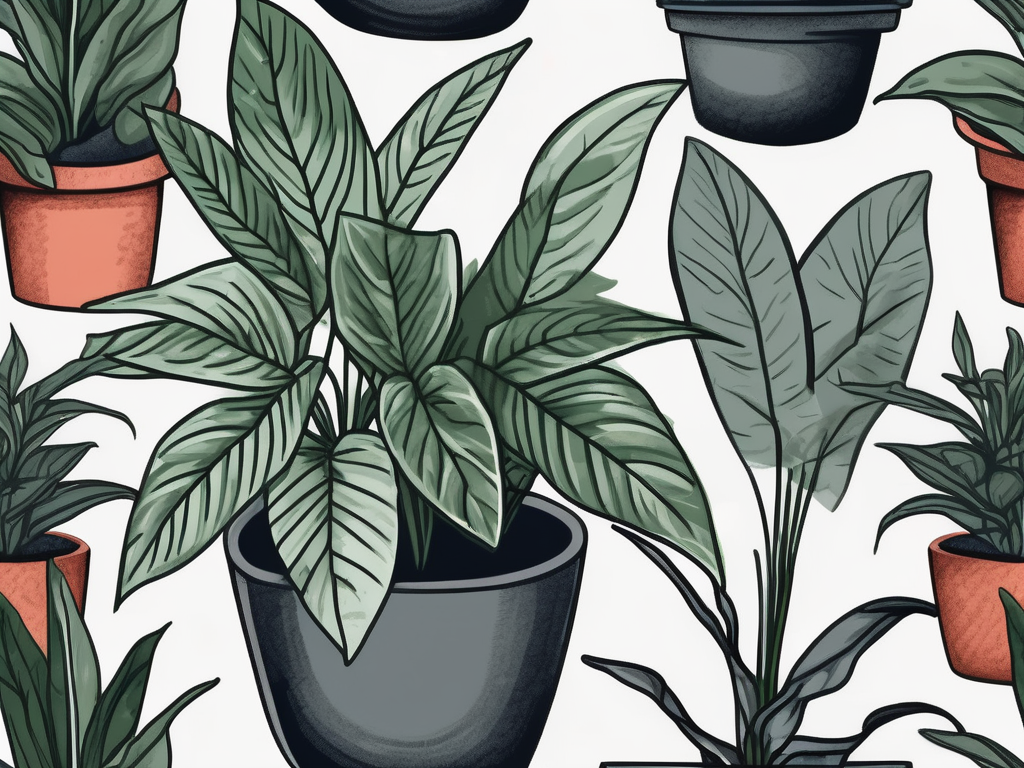
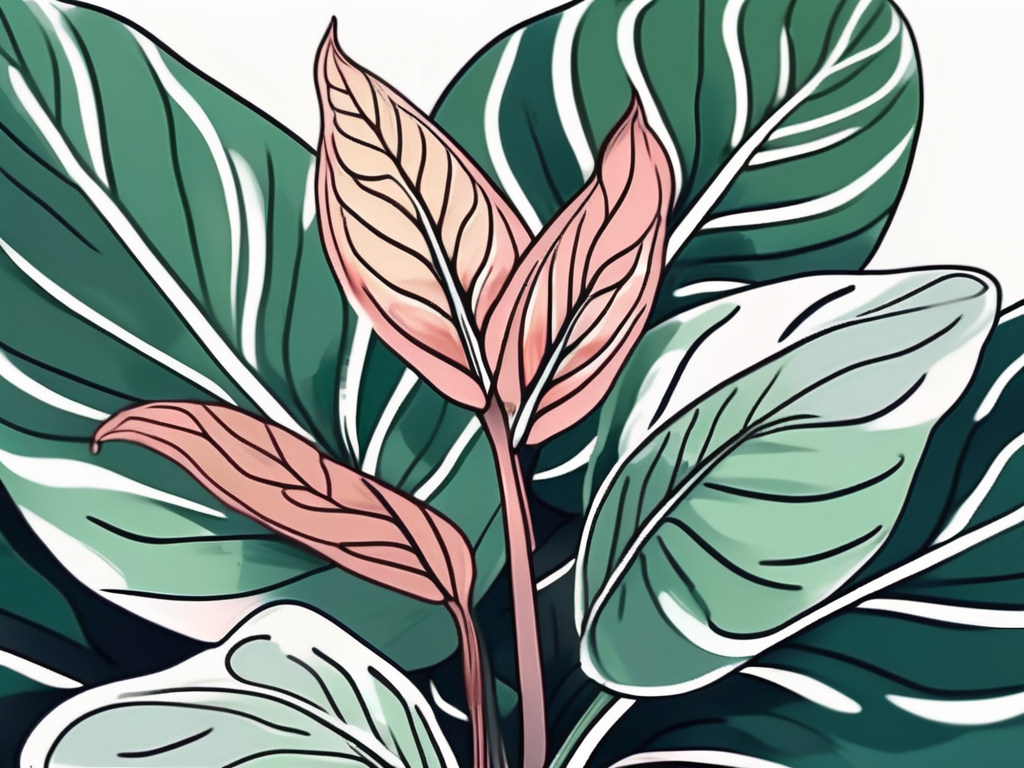
The prayer plant, or Maranta leuconeura, gets its name from the way its leaves fold up at night, resembling hands in prayer. This plant is a popular choice for indoor gardeners due to its striking leaf patterns and relatively easy care requirements. Native to the tropical forests of Brazil, the prayer plant thrives in warm, humid environments.
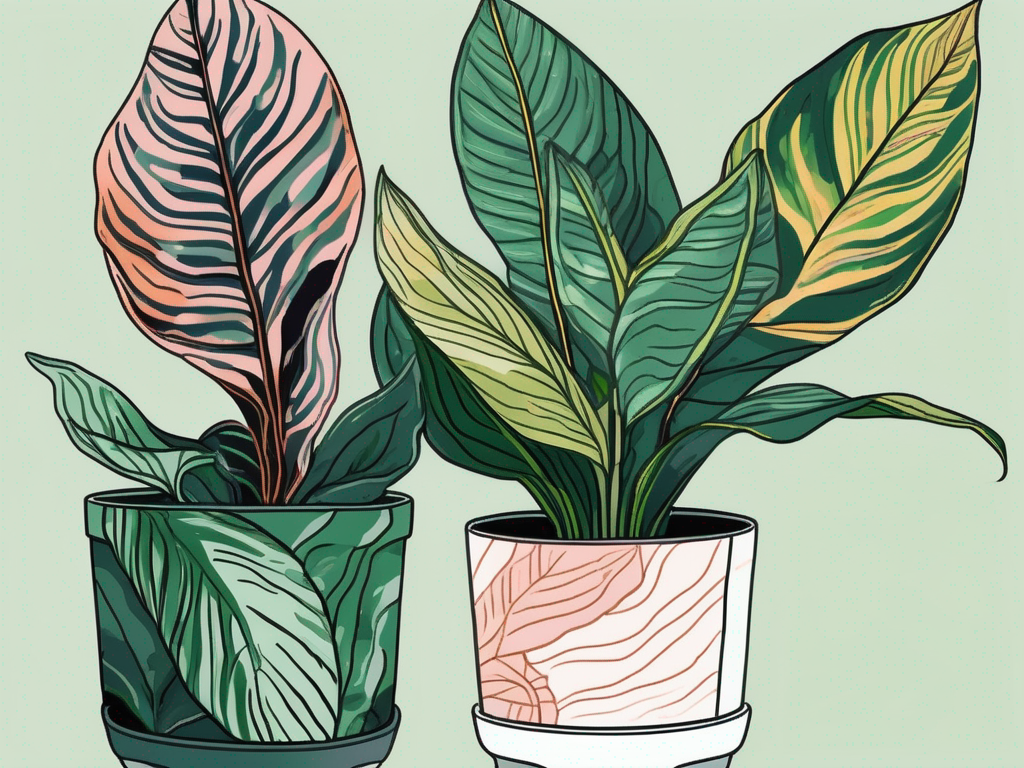
Most people are drawn to the prayer plant for its colorful, patterned leaves, which can feature hues of green, red, and even purple. But those who’ve had their plants for a while may notice small, delicate blooms appearing. While not as showy as the foliage, these flowers add an extra layer of charm to your plant collection.
Why Do Prayer Plants Bloom?
Prayer plants don’t always bloom indoors, and when they do, it often sparks curiosity. The flowers are typically small and tubular, ranging from white to purple. But why do they bloom in the first place?
Just like their tropical relatives, prayer plants bloom as part of their natural growth cycle. In their native habitat, these blooms attract pollinators. While most indoor prayer plants won’t rely on pollinators to survive, blooming is a sign of good health and optimal growing conditions. It suggests your plant is content with its environment, much like a cat purring in its favorite sunny spot.
Encouraging Your Prayer Plant to Bloom
If you’re hoping to see your prayer plant bloom, creating the right environment is key. Here are some tips to encourage flowering:
- Light: While prayer plants prefer indirect light, they do need enough of it to trigger blooming. Aim for bright, filtered light but avoid direct sunlight, which can scorch the leaves.
- Humidity: These plants love humidity. Consider using a humidifier or placing a pebble tray with water nearby to increase moisture around your plant.
- Temperature: Keep your prayer plant in a warm spot, ideally between 65-75°F (18-24°C). Avoid cold drafts and sudden temperature changes.
- Feeding: Use a balanced, water-soluble fertilizer every 4-6 weeks during the growing season (spring and summer) to promote healthy growth and potential flowering.
Remember, not all prayer plants will bloom, and that's perfectly normal. Enjoy the journey and focus on providing the best care possible.
The Lifecycle of a Prayer Plant Flower
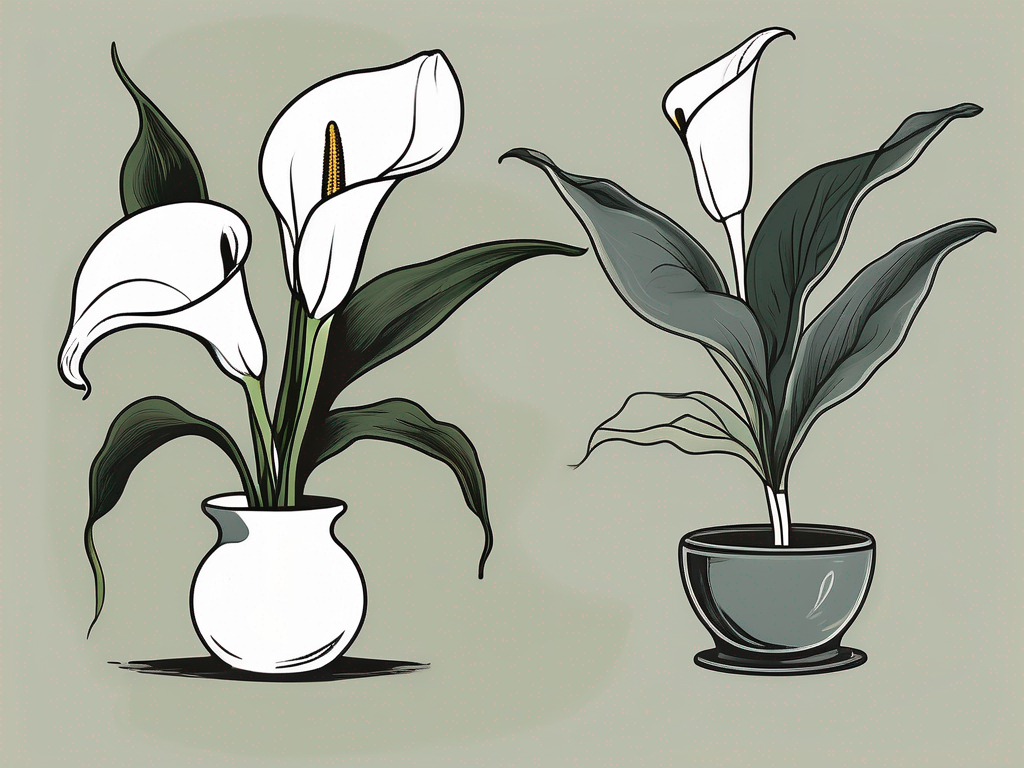
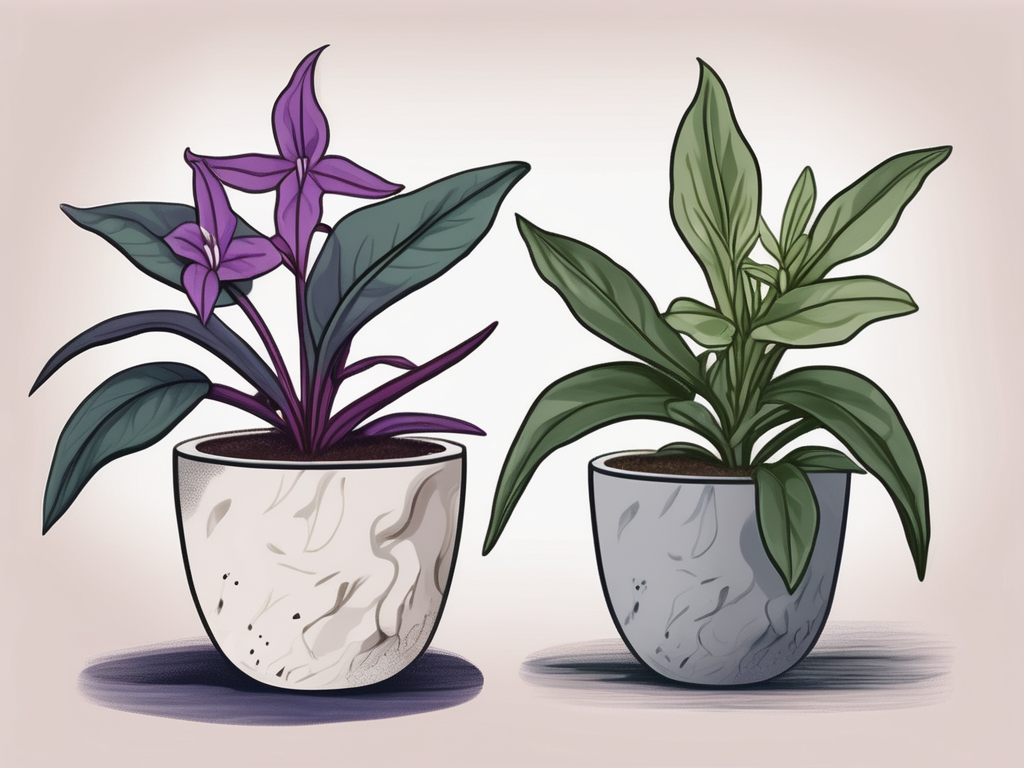
Once your prayer plant decides to flower, you'll notice a few changes. The blooms usually appear on long, slender stalks that emerge from the leaf nodes. The flowers themselves are small, often white or purple, and have a tubular shape.
The blooming period can last several weeks, with each individual flower only lasting a day or two. This fleeting nature makes the blooms even more special. After the flowers fade, the stalks can be trimmed back to maintain the plant's appearance.
While the flowers may not be the main reason you keep a prayer plant, their presence is a delightful bonus. It’s like finding a surprise chocolate in a box of your favorite treats—a little unexpected joy.
Common Challenges with Prayer Plant Blooms
While it’s exciting to see your prayer plant bloom, there can be challenges along the way. Here are some common issues and how to address them:
- Bud Drop: Sometimes, flower buds may drop before they bloom. This can be due to a sudden change in environment or inadequate care. Ensure your plant's needs for light, humidity, and temperature are consistently met.
- Pests: Like many houseplants, prayer plants can fall victim to pests like spider mites or mealybugs. Regularly inspect your plant and treat any infestations promptly with insecticidal soap or neem oil.
- Overwatering or Underwatering: Both can stress your plant and affect blooming. Maintain a consistent watering schedule, allowing the top inch of soil to dry out between waterings.
It’s important to remember that plants are living organisms with their own rhythms. Patience and attentive care are your best tools in helping your prayer plant thrive.
Integrating Prayer Plants into Your Home Decor
Prayer plants are not just about their flowers or foliage; they’re a fantastic addition to any interior design scheme. Their lush leaves can add a pop of color and texture to any room. Here are some styling tips to make the most of your prayer plant:
- Hanging Baskets: Use hanging baskets to showcase the trailing nature of your prayer plant. This allows the leaves to cascade down, creating a stunning visual.
- Terrariums: If you have a smaller prayer plant, consider placing it in a terrarium. This not only looks beautiful but also helps maintain humidity levels.
- Group Planting: Group your prayer plant with other humidity-loving plants like ferns or calatheas. This creates a mini jungle effect that's visually appealing and beneficial for the plants.
Remember, the goal is to create a space that feels inviting and personal. Experiment with placements and combinations until you find what works best for your home and style.
Choosing the Right Container
When it comes to container choice, prayer plants aren’t too picky, but there are a few things to consider. The right pot can make a big difference in plant health and aesthetics:
- Drainage: Ensure your pot has drainage holes to prevent waterlogging, which can lead to root rot.
- Size: Choose a pot that's slightly larger than the root ball to give your plant space to grow, but not so large that the soil stays wet for too long.
- Material: Consider the material of your pot. Terracotta is breathable and absorbs moisture, which can help prevent overwatering. Plastic pots retain moisture better, which might be useful in drier environments.
Aesthetically, pick a pot that complements your decor style. Whether you prefer a modern minimalist look or a bohemian vibe, there's a pot out there that's perfect for your prayer plant.
Maintaining Your Prayer Plant’s Health
Keeping your prayer plant healthy involves regular care and attention. While these plants are generally low-maintenance, a few consistent practices will keep them looking their best:
- Regular Cleaning: Dust can accumulate on leaves, blocking light absorption. Wipe leaves gently with a damp cloth to keep them clean and shiny.
- Pruning: Remove any dead or yellowing leaves to encourage new growth and maintain a tidy appearance.
- Repotting: Repot your prayer plant every couple of years or when roots start to outgrow the pot. This refreshes the soil and gives roots more room to expand.
Consistent care not only keeps your plant healthy but also increases the chances of seeing those lovely blooms. It's a rewarding process that strengthens the bond between you and your plant.
Sharing Your Prayer Plant’s Journey
One of the joys of being a plant parent is sharing your plant’s journey with friends, family, or online plant communities. Document the stages of growth and blooming by taking photos or keeping a journal.
Sharing your experiences can inspire others to start their own plant journey. Plus, connecting with fellow plant lovers can provide additional tips and support, making the whole experience even more enriching.
Final Thoughts
The prayer plant is a wonderful addition to any plant collection, offering unique foliage and the occasional surprise bloom. Their flowers, although subtle, are a testament to the plant's health and the care you provide.
At Cafe Planta, we love helping plant parents at all stages of their journey. Whether you’re looking for advice or new plants to add to your collection, we’re here to help. Feel free to reach out via email or connect with us on Instagram. Let's continue to grow and connect through our shared love of plants.