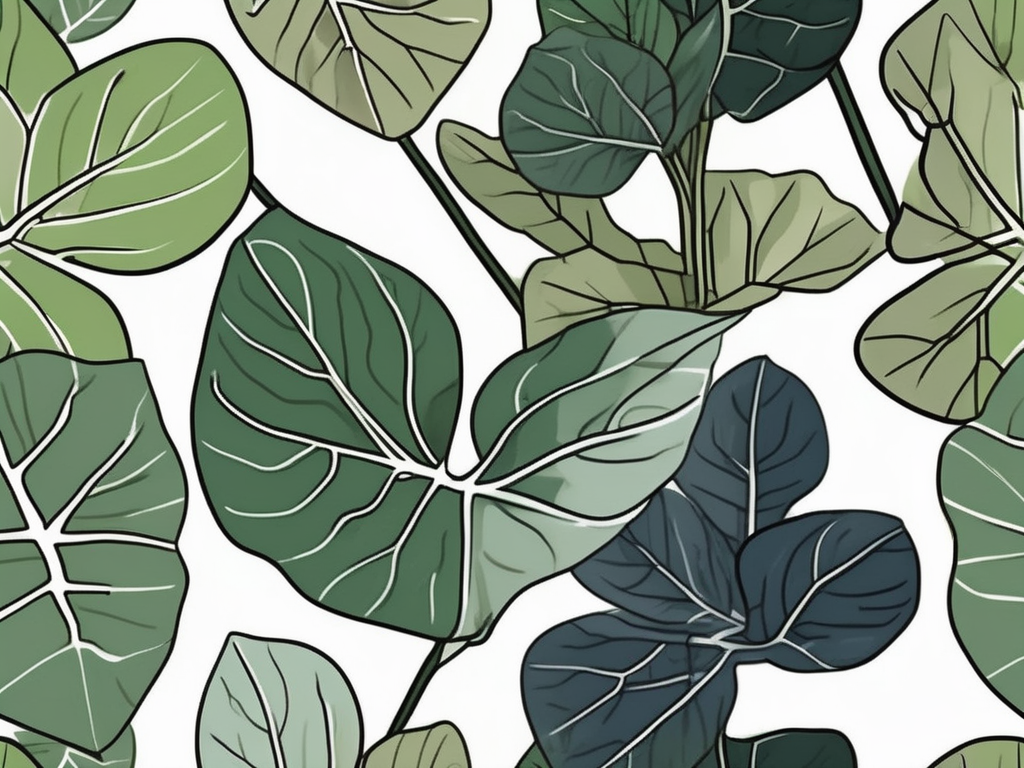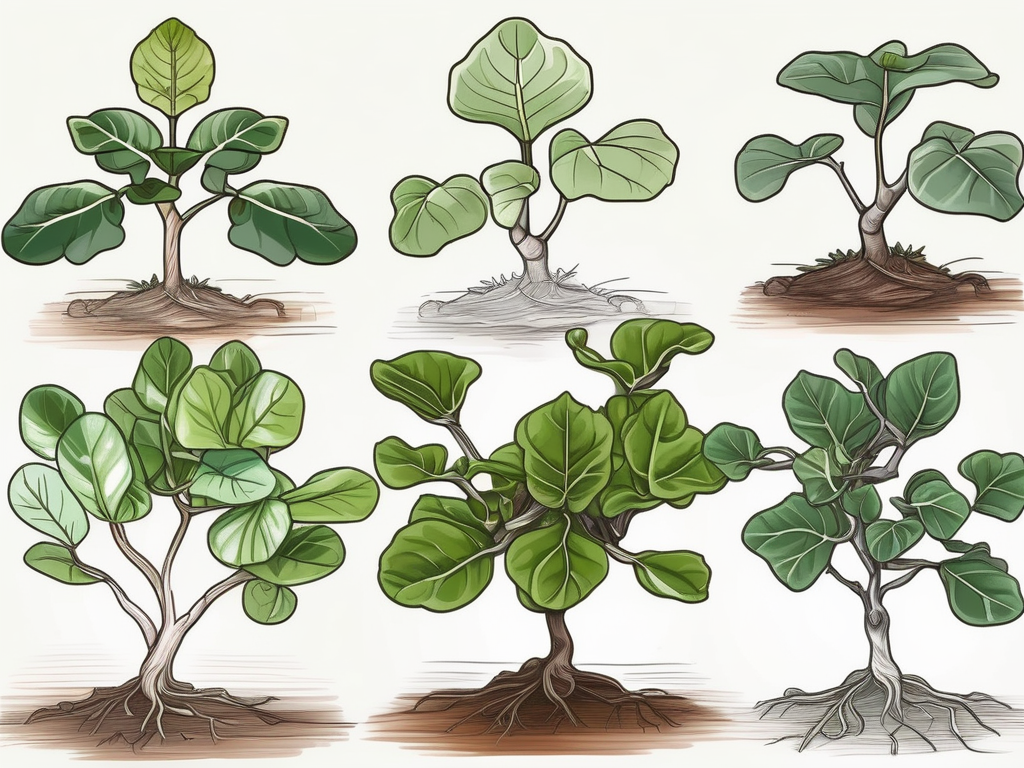
Ah, the fiddle leaf fig—it's one of those plants that seem to have a personality of its own. With its large, glossy leaves and striking appearance, it’s no wonder this plant has become a favorite in many homes. But have you ever wondered about the growth journey of this captivating houseplant over time?
In this article, we’ll take a closer look at the fascinating growth journey of the fiddle leaf fig, explore how it transforms from a small potted plant to a statement piece in your living room, and offer tips on how to encourage its healthy development along the way. Let's get started!
The Birth of a Fiddle Leaf Fig
Every fiddle leaf fig begins its journey as a tiny seedling, which might seem hard to believe given the size they can grow to. These seedlings first sprout in their natural habitat, which is the tropical rainforests of West Africa. It's in these dense forests that they develop their iconic broad leaves, designed to capture as much sunlight as possible in their shaded environment.
When you bring a fiddle leaf fig into your home, it’s usually already a few months old and has gone through some initial growth stages. At this point, it’s typically a small plant with a few leaves. It’s important to start by placing your new plant in the right spot—somewhere with bright, indirect light, which mimics the conditions of its natural environment. This will set the stage for a healthy growth journey.
Consider the soil and potting mix, too. These plants prefer well-draining soil, so look for a mix specifically formulated for indoor plants. A pot with a drainage hole is essential to prevent waterlogging, which can lead to root rot. Think of it as setting up a cozy home for your plant where it can thrive and grow.
Nurturing Growth: The First Year
The first year is crucial for establishing a strong foundation for your fiddle leaf fig's growth. During this time, you’ll notice the plant gradually sprouting new leaves. Each new leaf is a small victory, a sign that your plant is happy and healthy.
Watering is a key factor in this stage. It’s all about finding the right balance. Overwatering can lead to yellowing leaves and root issues, while underwatering can cause leaves to droop and brown at the edges. A good rule of thumb is to water when the top inch of soil feels dry to the touch.
Feeding your fiddle leaf fig is also important. During the growing season, which is spring and summer, you can use a balanced liquid fertilizer every few weeks. This helps provide the essential nutrients your plant needs to put out new growth. Just be careful not to over-fertilize, as this can do more harm than good.
Signs of a Happy Fiddle Leaf Fig
How do you know if your fiddle leaf fig is thriving? There are a few telltale signs to look for:
- New Leaf Growth: Seeing new leaves unfurl is a clear indicator that your plant is content.
- Vibrant Green Color: Healthy fiddle leaf figs have a rich green hue without any yellowing or browning.
- Sturdy Trunk: A strong, upright trunk suggests the plant is well-supported and growing properly.
- Shiny Leaves: The leaves should have a natural sheen, indicating they aren’t suffering from pests or disease.
If you notice any of these signs, give yourself a pat on the back! You’re doing a great job taking care of your plant. If not, don't worry—plants can be unpredictable, and sometimes they just need a little adjustment in care.
Common Challenges and How to Overcome Them
Like all plants, fiddle leaf figs can encounter a few hiccups along their growth journey. Here are some common issues you might face and how to tackle them:
Brown Spots on Leaves
Brown spots can be caused by a variety of factors, including overwatering, underwatering, or even pests. Check the soil moisture and adjust your watering schedule accordingly. If pests are suspected, a gentle insecticidal soap can help.
Dropping Leaves
Leaf drop is often a sign of stress, which could be due to changes in environment, light, or watering habits. Ensure your plant is in a stable spot with consistent light and temperature, and avoid moving it too frequently.
Slow Growth
If your fiddle leaf fig seems to be growing at a snail’s pace, it might need more light or nutrients. Try moving it to a brighter location and consider adding a bit more fertilizer during the growing season.
Remember, every plant is unique, and what works for one might not work for another. It’s all about observing your plant and making small tweaks to its care routine.
Training Your Fig: Pruning and Shaping
As your fiddle leaf fig grows, you might want to shape it to fit your space. Pruning is an excellent way to encourage bushier growth and remove any dead or damaged leaves.
When pruning, use clean, sharp scissors to make cuts just above a leaf node, where new growth will emerge. This encourages the plant to branch out and develop a fuller shape. You can also pinch off the tips of new growth to promote bushiness.
Training your fig to grow in a certain direction or shape is a bit like sculpting. You can use stakes or plant ties to gently guide the branches where you want them to go. Just be patient and adjust as needed—plants have their own timeline, and they’ll grow at their own pace.
The Role of Repotting
As your fiddle leaf fig matures, it may outgrow its pot. Repotting is an opportunity to refresh the soil and give your plant more room to grow. Generally, you’ll want to repot every 1-2 years, or when you notice roots growing out of the drainage holes.
When choosing a new pot, go for one that’s about 2 inches larger in diameter than the current one. This gives the roots space to expand without overwhelming the plant. Be sure to use fresh, well-draining potting mix to support healthy root development.
After repotting, give your plant some time to adjust. It might take a few weeks for it to settle in and start growing again, but with proper care, it should bounce back beautifully.
Integrating Fiddle Leaf Figs into Your Home Decor
Beyond their growth journey, fiddle leaf figs make stunning additions to home decor. Their large, lush leaves add a touch of greenery that complements various interior styles, from minimalist to bohemian.
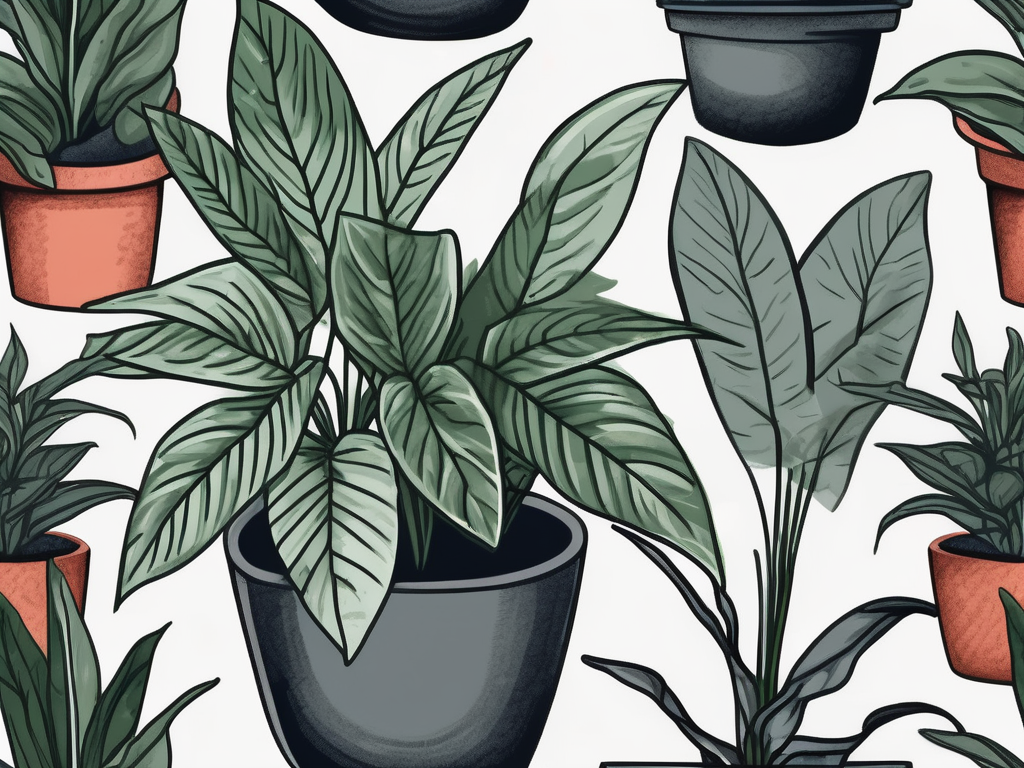
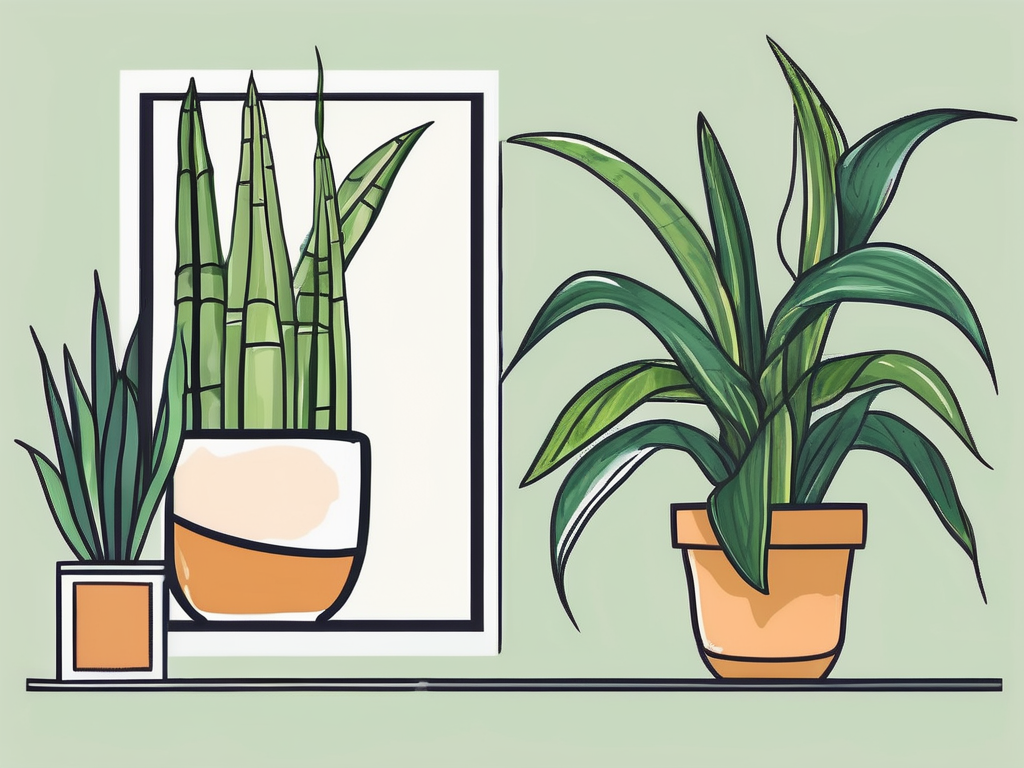
Consider placing your fiddle leaf fig in a decorative pot that complements your home’s color palette. You can create a cozy corner by pairing it with other plants, like snake plants or peace lilies, for a layered look.
These plants also make excellent statement pieces. A tall fiddle leaf fig in a bright, sunlit room can become a focal point, drawing the eye and adding a sense of life to the space. Just remember to rotate your plant every few weeks to ensure even growth and prevent it from leaning toward the light.
The Magic of Time-Lapse Photography
If you’re looking to capture the growth journey of your fiddle leaf fig, consider setting up a time-lapse camera. This technique allows you to see the subtle changes and progress that might go unnoticed in real time.
To create a time-lapse, position a camera or smartphone in a stable spot with a clear view of your plant. Use an app or software to capture images at regular intervals, such as once a day. Over time, you’ll compile these images into a video that shows your plant’s transformation.
Watching your fiddle leaf fig grow and change through time-lapse is not only gratifying but also educational. It gives you insight into its growth patterns and responses to different care techniques, helping you become a more attentive and skilled plant parent.
Celebrating Milestones
Caring for a fiddle leaf fig is a journey filled with milestones. From the first new leaf to the first time you need to repot, each step is a testament to your dedication and patience as a plant parent.
Take time to celebrate these moments. Perhaps snap a photo each time a new leaf unfurls or when you successfully prune your plant for the first time. These memories will remind you of the progress you’ve made and the joy that comes with nurturing a living thing.
Remember, plant care is a learning process. Mistakes are part of the journey, and each one is an opportunity to improve your skills and deepen your understanding of your plant’s needs.
Final Thoughts
We’ve covered the fascinating growth journey of the fiddle leaf fig from its early days to becoming a star in your home. By understanding its needs and adapting your care routine, you can enjoy the beauty and personality this plant brings to your space.
At Cafe Planta, we’re passionate about helping you care for your plants. Whether you’re looking for new additions to your collection or advice on plant care, we're here to assist. If you have any questions, feel free to email us or reach out via Instagram. We believe in the power of plants to connect us with nature and each other, and we’re excited to share this journey with you!