Monstera plants have a special place in the hearts of many plant lovers. Known for their striking leaves and easygoing nature, these plants bring a touch of the tropics into our homes. But there's an often-overlooked aspect of Monstera plants that deserves more attention—their flowers.
This article will take you on a journey through the beauty and care of Monstera flowers. We'll cover everything from understanding what makes these blooms unique to practical tips for encouraging them to thrive in your home. Let's dig in!
The Unique Beauty of Monstera Flowers
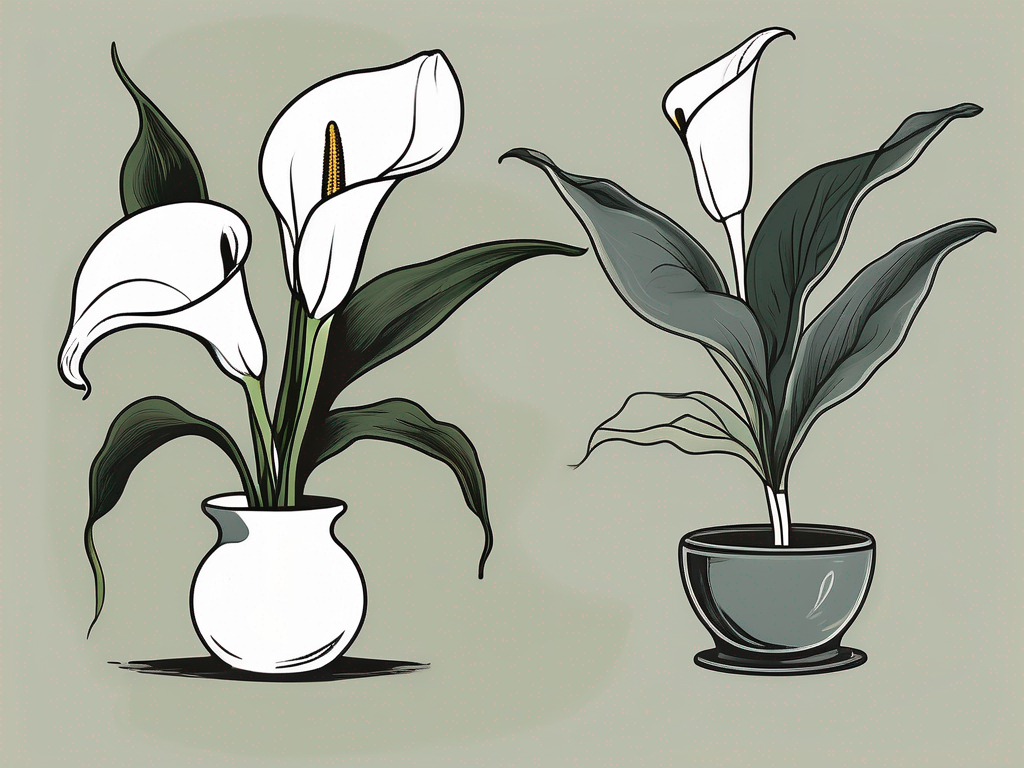
When most people think of Monstera, they picture those iconic split leaves rather than flowers. However, the flowers themselves are a sight to behold. They resemble a white, waxy hood surrounding a central column, similar to the blooms of peace lilies. This structure is known as a spathe and spadix, and it's quite striking.
Monstera flowers aren't just beautiful; they're also a testament to the plant's natural habitat. In the wild, these flowers attract pollinators, but in our homes, they serve as a reminder of the exotic origins of our leafy friends. While not all Monstera plants will flower indoors, when they do, it's a delightful surprise that adds a new dimension to their charm.
What's fascinating about Monstera flowers is their subtlety. They don't scream for attention like some other blooms, but their elegance lies in their simplicity. Their presence can subtly elevate your indoor jungle, adding a layer of intrigue and beauty.
Understanding Monstera's Natural Habitat
To better appreciate Monstera flowers, it helps to understand where these plants come from. Native to the tropical rainforests of Central and South America, Monstera plants thrive in warm, humid environments. This natural setting provides ample light and moisture, which are crucial for their growth and flowering.
In the wild, Monstera plants grow as climbers, using their aerial roots to anchor themselves to trees. This climbing habit allows them to reach sunlight filtering through the dense canopy. The humidity and warmth of the rainforest create an ideal environment for them to produce flowers and fruit.
Knowing this background helps us replicate similar conditions in our homes. While we can't recreate a rainforest, we can certainly take cues from nature to help our Monstera plants feel at home. By understanding their origins, we're better equipped to provide the right care that encourages flowering.
Creating an Ideal Environment for Flowering
Now that we know where Monstera plants come from, let's talk about how to create an environment that encourages them to flower. While it's not guaranteed that your Monstera will bloom indoors, giving it the right conditions can increase the likelihood.
First, consider the light. Monstera plants need bright, indirect light to thrive, which is similar to the dappled sunlight they receive in the rainforest. A spot near a window with filtered light is perfect. If your plant isn't getting enough light, you might notice slower growth or lack of flowering.
Next, think about humidity. Since Monstera plants are from a humid climate, they appreciate a bit of extra moisture in the air. You can increase humidity by misting the leaves regularly or using a humidifier, especially during dry winter months.
Temperature is another factor to consider. These tropical plants prefer warm conditions, ideally between 65-85°F (18-29°C). Avoid placing your Monstera near cold drafts or extreme heat, as this can stress the plant and hinder flowering.
The Role of Proper Watering
Watering plays a crucial role in the health and flowering of your Monstera. Overwatering can lead to root rot, while underwatering can cause stress, preventing blooms. Finding the right balance is key.
To water your Monstera properly, allow the top inch or so of soil to dry out before watering again. This ensures the roots have access to moisture without becoming waterlogged. During the growing season (spring and summer), your Monstera may need more frequent watering, while in the dormant months (fall and winter), you can scale back.
One handy tip is to use a moisture meter to check the soil's moisture level. This tool can be especially helpful if you're unsure of when to water. Remember, consistency is more important than frequency. Keeping a regular watering schedule will keep your Monstera happy and potentially encourage those elusive blooms.
Feeding Your Monstera for Growth and Blooms
Like most plants, Monsteras benefit from regular feeding to support their growth and potential flowering. A balanced, water-soluble fertilizer is a good choice, providing essential nutrients that help the plant thrive.
During the growing season, feed your Monstera every 4-6 weeks. This regular feeding schedule gives the plant the nutrients it needs without overwhelming it. Be careful not to over-fertilize, as this can cause salt build-up in the soil and harm the roots.
For those particularly interested in encouraging blooms, a fertilizer higher in phosphorus can sometimes help. This nutrient supports flower development, so look for a formula with a higher middle number in the N-P-K ratio.
Replicating the Right Soil Conditions
Soil is another important aspect of Monstera care. These plants prefer a well-draining potting mix that retains some moisture but doesn't become waterlogged. A mix of peat-based potting soil with added perlite or orchid bark is a great option.
Good drainage is crucial, so make sure your pot has drainage holes. This allows excess water to escape, preventing root rot. If your Monstera isn't flowering, consider repotting it with a fresh potting mix. This refresh can sometimes stimulate new growth and encourage blooms.
Also, consider the size of the pot. A slightly snug fit encourages roots to fill the space, which can promote flowering. However, if the pot is too small, it may restrict growth, so finding the right balance is important.
Pruning and Training Your Monstera
Pruning is an essential part of Monstera care, helping the plant maintain its shape and focus energy on growth and blooms. Regularly remove any yellowing or damaged leaves to keep the plant healthy.
If your Monstera is getting a bit unruly, don't hesitate to trim it back. This can encourage new growth and, sometimes, flowering. Additionally, training your Monstera to climb a support, like a moss pole or trellis, mimics its natural growth habit and can make it more likely to flower.
When pruning, use clean, sharp scissors to make clean cuts, reducing the risk of disease. Always cut just above a node, where new growth will emerge. With a bit of patience and care, you can shape your Monstera into a stunning focal point in your home.
Dealing with Pests and Diseases
Even the healthiest Monstera can fall prey to pests and diseases, which can affect flowering. Common pests include spider mites, mealybugs, and scale. Regularly inspect your plant for signs of infestation, such as webbing or sticky residue.
If you notice pests, act quickly. You can remove them with a gentle stream of water or a soft cloth. For more stubborn infestations, consider using insecticidal soap or neem oil. These treatments are effective yet gentle on the plant.
Disease can also be an issue, particularly root rot caused by overwatering. Ensure your Monstera has proper drainage and avoid letting it sit in soggy soil. If you suspect root rot, repot the plant with fresh soil and trim away any affected roots.
Patience and Enjoyment in Monstera Care
Caring for a Monstera and encouraging it to flower requires patience, but that's part of the joy of plant parenting. Watching your Monstera grow and thrive is rewarding, and any blooms are a delightful bonus.
Remember that not every Monstera will flower, and that's okay. These plants are stunning with or without blooms, and the process of caring for them is where the real enjoyment lies. Embrace the journey and cherish the beauty your Monstera brings to your home.
Final Thoughts
Caring for Monstera flowers involves understanding their unique beauty and providing the right conditions to encourage blooming. From light and humidity to proper watering and feeding, each aspect of care plays a role in nurturing these plants.
At Cafe Planta, we love sharing our passion for plants with you. Whether you're looking for plant care tips or unique additions to your collection, we're here to help. Feel free to email us or connect with us on Instagram. Together, let's make our homes greener and more beautiful!