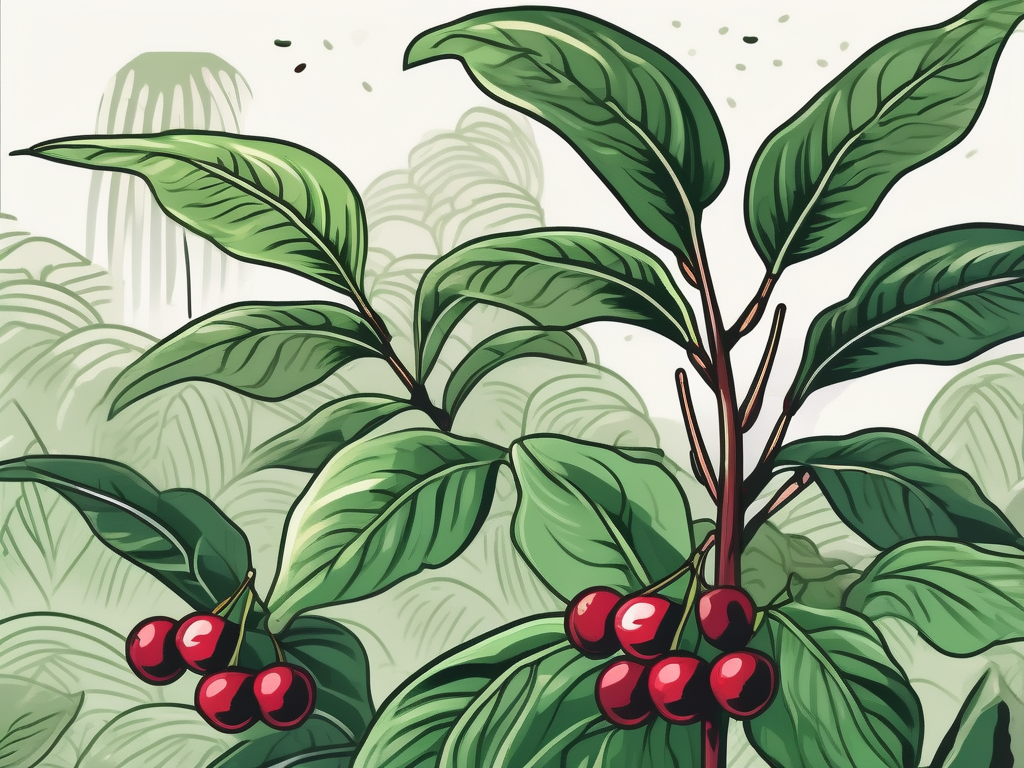
When we think of coffee, the mind usually drifts to that aromatic cup of warmth that kick-starts our day. But let's rewind a bit and focus on the unsung heroes of coffee production—the leaves of the coffee plant. While the beans tend to steal the spotlight, those glossy green leaves play a crucial role in the journey from plant to cup.
In this article, we'll explore the multifaceted role of coffee plant leaves in coffee production. From photosynthesis to pest defense, these leaves are more than just a pretty backdrop. We'll also touch on how understanding these roles can enhance your appreciation of coffee and even help you care for your own coffee plant at home.
The Basics of Coffee Plant Leaves
First things first, let's get to know these leaves a little better. Coffee plant leaves are typically large and oval-shaped, with a glossy finish that makes them quite attractive. They range in color from vibrant green to a more muted shade as they age. These leaves aren't just for show, though—they're packed with chlorophyll, which is essential for photosynthesis.
Photosynthesis, as you might remember from school, is the process by which plants convert sunlight into energy. In the case of coffee plants, this energy is vital for producing the sugars and other compounds that will eventually end up in your coffee cup. The health of these leaves directly affects the quality of the beans they produce. So, next time you sip on your latte, consider giving a nod to the leaf that made it possible.
Photosynthesis: The Powerhouse Process
Let's delve a bit deeper into photosynthesis. Coffee leaves are like little power plants, gathering sunlight and converting it into energy. This process not only fuels the plant's growth but also influences the flavor profile of the coffee beans. How, you ask?
Well, the sugars produced during photosynthesis are stored in the beans. These sugars, along with other compounds, get transformed during the roasting process, contributing to the coffee's taste and aroma. In essence, healthier leaves mean better photosynthesis, which leads to higher-quality beans.
But that's not all. Photosynthesis also plays a role in the plant's stress response. A well-nourished leaf can better withstand environmental stresses, from temperature fluctuations to pests. So, if you're growing a coffee plant at home, ensuring it has ample sunlight can make a world of difference.
Leaves and Water Regulation
Besides sunlight, coffee leaves are also involved in water regulation through a process known as transpiration. This is where water absorbed by the roots travels through the plant and evaporates from the leaves. It's a bit like how we sweat to cool down.
Transpiration not only helps regulate temperature but also aids in nutrient transport. As water exits the leaves, it creates a suction force that draws nutrients up from the soil. These nutrients are crucial for growth and bean production. So, in a way, those leaves are multitasking—managing both energy and nutrient needs.
If you’re nurturing a coffee plant at home, keep an eye on the humidity and watering schedule. Too much or too little water can disrupt this delicate balance, affecting the plant's ability to thrive.
Leaves as a Defense Mechanism
Now, let's talk about defense. Coffee leaves are not just passive participants in the plant's life. They actively defend against pests and diseases. How do they do this? Through a combination of physical barriers and chemical warfare.
The waxy coating on coffee leaves acts as a physical shield, making it harder for pests to latch on. But if invaders do manage to breach this barrier, the plant has another trick up its sleeve—chemical compounds. These compounds can deter pests and inhibit the growth of fungi and bacteria.
For plant lovers, this means keeping your coffee plant healthy can reduce the need for chemical pesticides. Regularly checking for signs of pests and maintaining good leaf hygiene can go a long way in keeping your plant happy.
Leaf Pruning: When and Why to Do It
Pruning might seem like a daunting task, but it's an essential part of coffee plant care. Removing old or damaged leaves can redirect the plant's energy toward producing new growth and, ultimately, better beans.
So, when should you prune? Ideally, you want to prune during the plant's dormant period, when growth has slowed. This usually happens in the cooler months. Be sure to use clean, sharp tools to avoid causing unnecessary stress to the plant.
Pruning isn't just about aesthetics. It can improve air circulation, reducing the risk of fungal infections. Plus, it allows more light to reach the inner leaves, promoting more robust photosynthesis.
Coffee Leaves in Sustainable Practices
Interestingly enough, coffee leaves are finding a place in sustainable practices. In some regions, they are used as organic mulch, helping to retain soil moisture and suppress weeds. This not only benefits the coffee plants but also supports the broader ecosystem.
Additionally, researchers are exploring ways to use coffee leaves in their entirety, minimizing waste in coffee production. Some studies suggest that coffee leaves contain antioxidants, opening doors for potential health supplements. While this is still an emerging field, it highlights the versatility of coffee leaves beyond their traditional roles.
For the environmentally conscious plant parent, embracing these practices at home can reduce waste and support a more sustainable lifestyle. Consider composting your coffee leaves or using them as mulch in your garden.
Growing Your Coffee Plant at Home
If you're inspired to grow your own coffee plant, you're in for a treat. Not only do these plants add a touch of greenery to your space, but they also offer a unique learning experience. Here are some tips to get you started:
- Light: Coffee plants thrive in bright, indirect light. Too much direct sunlight can scorch the leaves.
- Water: Keep the soil consistently moist but not waterlogged. Overwatering can lead to root rot.
- Humidity: These plants love humidity. Consider placing a humidifier nearby or misting the leaves regularly.
- Soil: A well-draining potting mix is essential. You can add perlite or sand to improve drainage.
- Fertilizer: During the growing season, feed your plant with a balanced, water-soluble fertilizer every few weeks.
Growing a coffee plant can be a rewarding journey, offering insights into the plant's life cycle and deepening your appreciation for that morning cup.
Leaf Health and Bean Quality
As we've seen, the health of coffee leaves directly influences bean quality. But what should you look for to ensure your plant is thriving? Healthy leaves are vibrant and firm, with no signs of yellowing or browning. Any deviation from this might indicate a problem.
Common issues include nutrient deficiencies, which often manifest as discoloration. If you notice yellowing leaves, it might be a sign of nitrogen deficiency. On the other hand, brown tips can indicate over-fertilization or inconsistent watering.
Addressing these issues promptly can prevent further damage and ensure your plant remains productive. Regularly inspect your plant, and don't hesitate to adjust care routines as needed. After all, a little attention goes a long way in maintaining leaf health and, by extension, bean quality.
Final Thoughts
Coffee plant leaves are truly fascinating, playing a vital role in everything from photosynthesis to pest defense. Their health directly impacts the quality of the beans, making them an integral part of coffee production. Understanding these roles not only deepens our appreciation for coffee but also equips us with the knowledge to care for coffee plants effectively.
At Cafe Planta, we believe in the power of plants to bring people together. Whether you have questions about your plants or are looking to add to your collection, we're here to help. Feel free to email us or reach out on Instagram. Let's nurture our love for plants together!