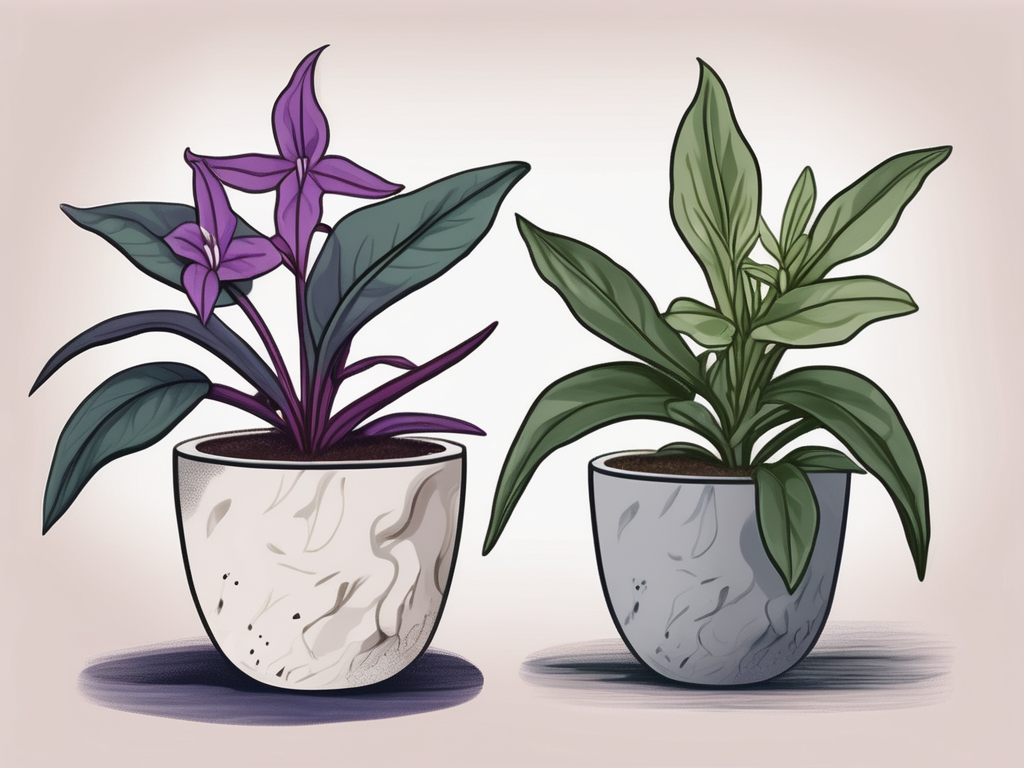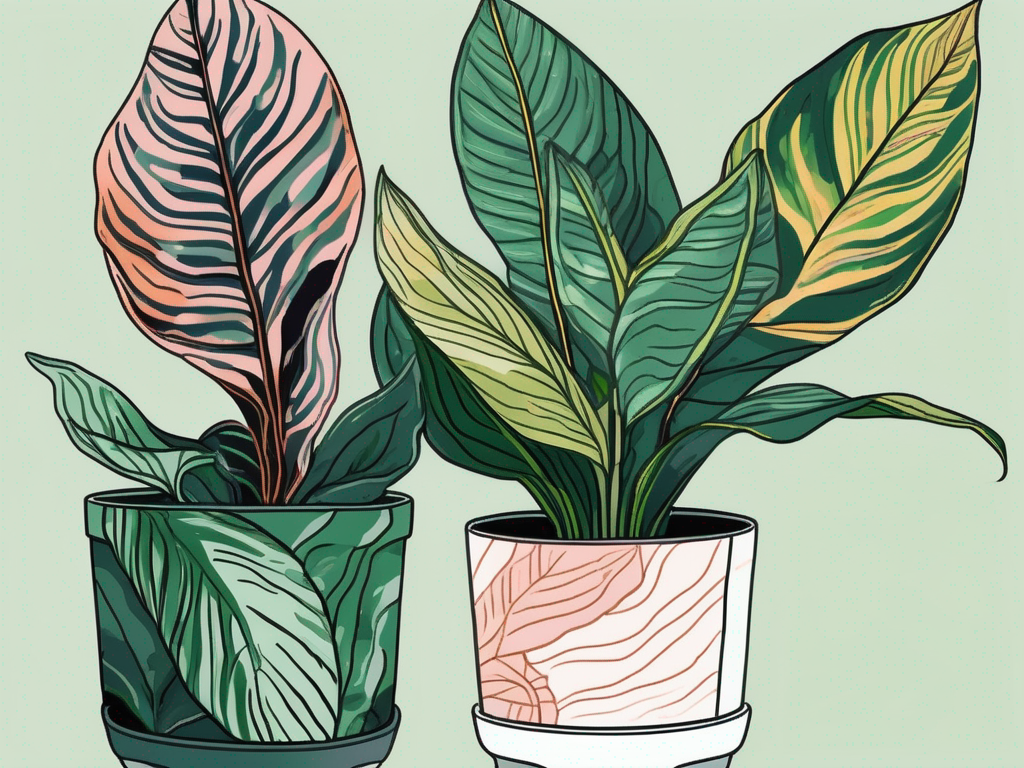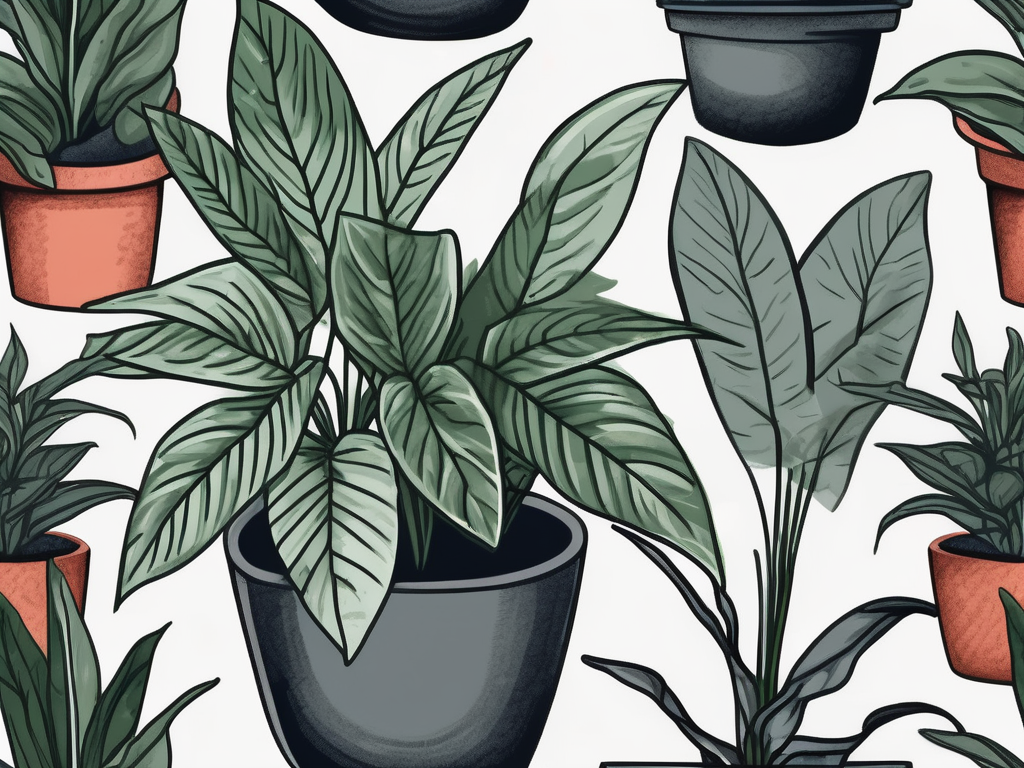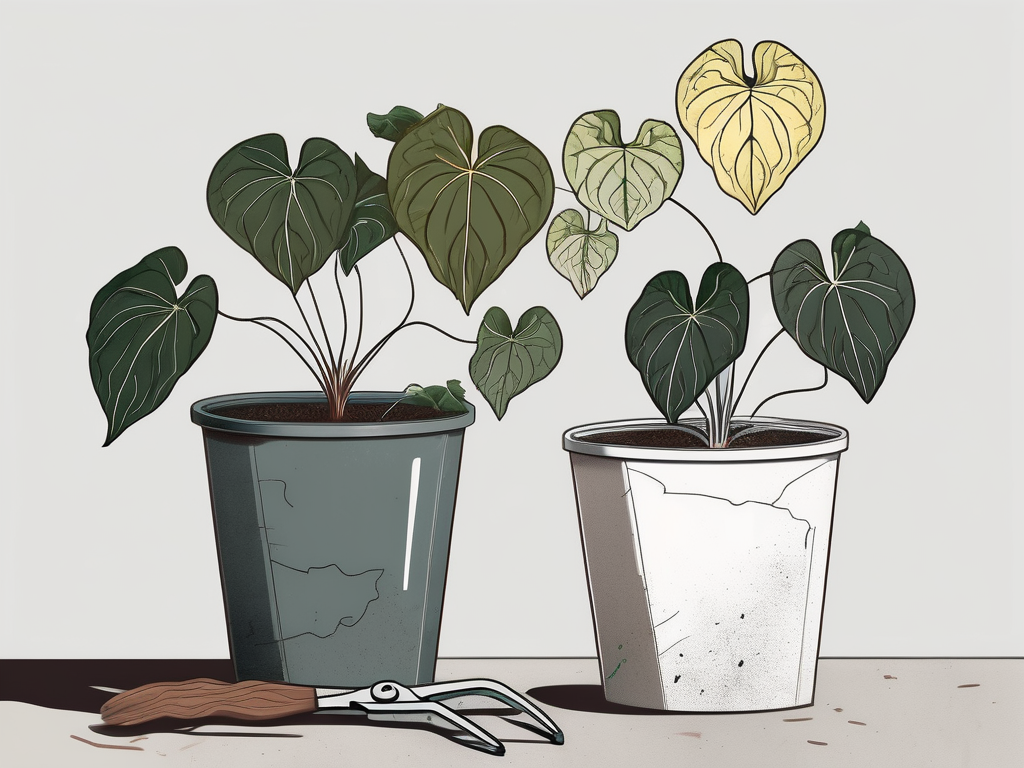
Caladiums are those vibrant wonders that seem to light up any space with their colorful foliage. But like any living thing, they have their quirks and needs. One of the more common issues you might face with these beauties is them becoming root-bound. This can affect their overall health and appearance, leaving you wondering what went wrong.
In this article, we'll chat about what it means for a Caladium to be root-bound, what causes it, how you can spot the signs, and, most importantly, what you can do to help your plant thrive. Let's dig into the details, shall we?
What Does It Mean for a Caladium to Be Root-Bound?
Before we jump into the nitty-gritty, let's talk about what "root-bound" actually means. Picture this: you've given your Caladium a pot that's just a bit too small. Over time, as the plant grows, its roots begin to outgrow their home and start circling around the pot. This tangled mess of roots can lead to several issues, as the roots have nowhere to go and can't absorb nutrients effectively.
Think of it like wearing shoes that are too tight. It might be manageable at first, but eventually, it's going to cause problems. The plant can't spread its roots to gather nutrients and water effectively, which can stunt its growth and affect its overall health.
Causes of Caladium Root-Bound Problems
So why do Caladiums become root-bound in the first place? Several factors can contribute to this situation. Understanding these can help you prevent it from happening in the future.
- Pot Size: A pot that's too small is the most obvious culprit. When you first plant your Caladium, it might seem like the perfect fit. But as the plant grows, its roots need more room to expand.
- Growth Rate: Caladiums can grow quite quickly, especially when they're happy. This rapid growth means they can outgrow their pots faster than you might expect.
- Neglect: Let's face it, life gets busy. Sometimes, we might forget to check in on our plants as often as we should. This neglect can lead to a situation where the plant becomes root-bound without us even realizing it.
Interestingly enough, some plant parents might even think a tightly packed root system is a sign of a healthy plant. While a dense root system is great, it needs adequate space to keep doing its job efficiently.
Symptoms of a Root-Bound Caladium
Now that we've covered the causes, let's talk about how you can tell if your Caladium is root-bound. The signs can be pretty clear once you know what to look for.
- Stunted Growth: If your Caladium isn't growing as it should, or if it stopped growing altogether, it might be root-bound. A lack of growth can indicate that the roots don't have enough space to expand.
- Yellowing Leaves: When roots can't absorb nutrients effectively, the first place you'll notice it is in the leaves. If they start turning yellow, it's a warning sign.
- Wilting: Even if you're watering regularly, a root-bound plant might still wilt because its roots can't take up the water properly.
- Roots Coming Out of the Drainage Holes: This is a sure sign that your plant needs a new home. When the roots start escaping the pot, they're desperate for more space.
- Soil Drying Out Quickly: If you find yourself watering more often than usual, it might be because the roots have taken up too much space, leaving little room for soil to retain moisture.
While one or two of these symptoms alone might not be cause for alarm, a combination of them likely points to a root-bound plant. It seems that plants, like people, show their distress in multiple ways.
How to Check if Your Caladium Is Root-Bound
If you're noticing some of the symptoms we talked about, you might want to take a closer look at the roots to confirm your suspicions. Here's how you can do that without causing too much stress to your plant.
- Gently Remove the Plant: Carefully turn the pot on its side and ease the plant out. You might need to tap the sides to loosen the soil. Be gentle—roots are delicate!
- Inspect the Roots: Once the plant is out, take a good look at the root ball. If you see roots tightly circling the soil, it's a sign that your Caladium is indeed root-bound.
- Check for Root Health: Healthy roots should be white and firm. If they're brown or mushy, you might have additional issues like root rot to deal with.
It's like checking the oil in your car—necessary to ensure everything's running smoothly. A quick peek at the roots can save your plant from further distress.
Repotting Your Root-Bound Caladium
If you find that your Caladium is root-bound, it's time to give it a new home. Repotting might sound daunting, but it's a straightforward process if you take it step by step.
- Choose the Right Pot: Pick a pot that's about 1-2 inches larger in diameter than the current one. Make sure it has good drainage to prevent waterlogging.
- Prepare the New Home: Add a layer of fresh potting mix to the bottom of the new pot. This will give the roots something to grow into.
- Loosen the Roots: Before placing the plant in the new pot, gently loosen the roots with your fingers. This encourages them to spread out rather than continue growing in a circular pattern.
- Plant the Caladium: Place your plant in the new pot and fill in around it with potting mix. Press down gently to remove air pockets.
- Water Thoroughly: Give your Caladium a good drink to help it settle into its new home.
Repotting might seem like a big step, but it's like giving your plant a fresh start. Once settled, your Caladium will thank you with vibrant growth and color.
Preventing Your Caladium from Becoming Root-Bound
Now that you've tackled the root-bound issue, let's talk about how you can prevent it from happening again. A little bit of foresight can go a long way in keeping your Caladium happy.
- Regular Check-Ups: Make it a habit to check your plant's roots every few months. This way, you can catch any potential issues before they become serious.
- Choose the Right Pot: When repotting, always select a pot that allows for future growth. A little extra space now means less hassle later.
- Watch the Watering: Over-watering can cause roots to grow too quickly, leading to a root-bound situation. Make sure you're watering appropriately for your plant's needs.
- Keep an Eye on Growth: If your Caladium is thriving and growing rapidly, it might need repotting sooner than expected. Be ready to accommodate its growth.
It's like maintaining a car—regular checks and balances ensure everything runs smoothly. With a little attention and care, you can prevent your Caladium from becoming root-bound again.
Other Considerations When Caring for Caladiums
While we've focused on the root-bound issue, it's worth mentioning a few other tips to keep your Caladium healthy and vibrant.
- Light Requirements: Caladiums love bright, indirect light. Too much direct sunlight can scorch their leaves, while too little can make them leggy.
- Temperature and Humidity: These plants are tropical at heart. They thrive in warm temperatures and higher humidity levels. If your home is dry, consider using a humidifier or misting the leaves occasionally.
- Fertilizing: During the growing season, give your Caladium a balanced fertilizer every few weeks to support its lush growth.
- Pest Management: Keep an eye out for common pests like aphids or spider mites. Regularly inspecting and cleaning the leaves can help ward off infestations.
Think of these as the basic rules of engagement with your Caladium. Adhering to these guidelines will not only prevent root-bound issues but will also contribute to a thriving plant.
Caladium Care for Beginners
If you're new to the world of Caladiums, don't worry—you're not alone! These plants can seem a bit high maintenance at first, but with a little practice, you'll get the hang of it.
- Start with a Healthy Plant: When buying a Caladium, choose one with vibrant leaves and a strong root system. Starting off with a healthy plant makes everything easier.
- Get to Know Your Plant: Spend time observing your Caladium. Learn how it reacts to different light and water conditions. This will help you understand its needs better.
- Don't Be Afraid to Experiment: If something's not working, try something new. Plants are resilient, and a little experimentation can lead to better care practices.
It's like learning to cook a new recipe—you might not get it perfect the first time, but with practice, you'll become a pro. The same goes for caring for Caladiums.
Common Mistakes When Dealing with Root-Bound Plants
When it comes to dealing with root-bound plants, there are a few common mistakes that plant lovers tend to make. Avoiding these can save you and your plant a lot of stress.
- Ignoring Symptoms: It's easy to overlook the early signs of a root-bound plant. Paying attention to your Caladium's cues can prevent more serious issues down the line.
- Improper Repotting: Repotting can be tricky. Make sure you loosen the roots and choose the right pot size to give your plant the best chance at a healthy transition.
- Overwatering After Repotting: After repotting, it's tempting to overwater your Caladium. However, the roots need time to adjust, so stick to a regular watering schedule.
- Using Poor Quality Soil: Good quality potting mix is essential for healthy root growth. Avoid using garden soil or subpar potting mixes that don't provide proper drainage.
Think of these as rookie mistakes that even seasoned plant parents can make. By being mindful of these pitfalls, you'll be better equipped to keep your Caladium happy and healthy.
Root-Bound vs. Root Rot: Understanding the Difference
It's important to distinguish between a root-bound plant and one suffering from root rot, as the treatments for each are quite different.
- Root Bound: As we've discussed, root-bound plants have roots that are tightly packed in their pot. The solution is usually repotting and loosening the roots.
- Root Rot: This occurs when roots are sitting in waterlogged soil for too long, leading to decay. Symptoms include mushy roots, foul odor, and wilting despite adequate watering.
If you suspect root rot, it's important to act quickly. Remove the plant from its pot, trim away the affected roots, and repot it in fresh, well-draining soil. Unlike being root-bound, root rot can be fatal if not addressed promptly.
It's a bit like distinguishing a fever from a cold—understanding the symptoms can lead you to the right treatment and a healthy recovery for your plant.
Final Thoughts
Tackling the issue of a root-bound Caladium isn't just about giving your plant more space—it's about understanding its needs and ensuring it thrives. From identifying the symptoms to repotting and preventing future problems, a little care goes a long way in keeping your Caladium happy and vibrant.
As someone who loves plants as much as you do, I understand the joy they bring into our homes. At Cafe Planta, we offer a variety of houseplants and accessories to help you on your plant journey. If you have questions or need advice, feel free to email us or DM us on Instagram. Whether you're a seasoned plant parent or just starting out, we're here to help you create a beautiful, thriving collection in your home.